Matcha coco has quietly become the drink of the moment in Paris. It is not a complicated drink. But it is a very good one, and like most things that catch on quickly, the version you find matters more than the name.
Here is what goes into it, how to order it, and where the most interesting version of it lives in Paris right now.
What Is a Matcha Coco?
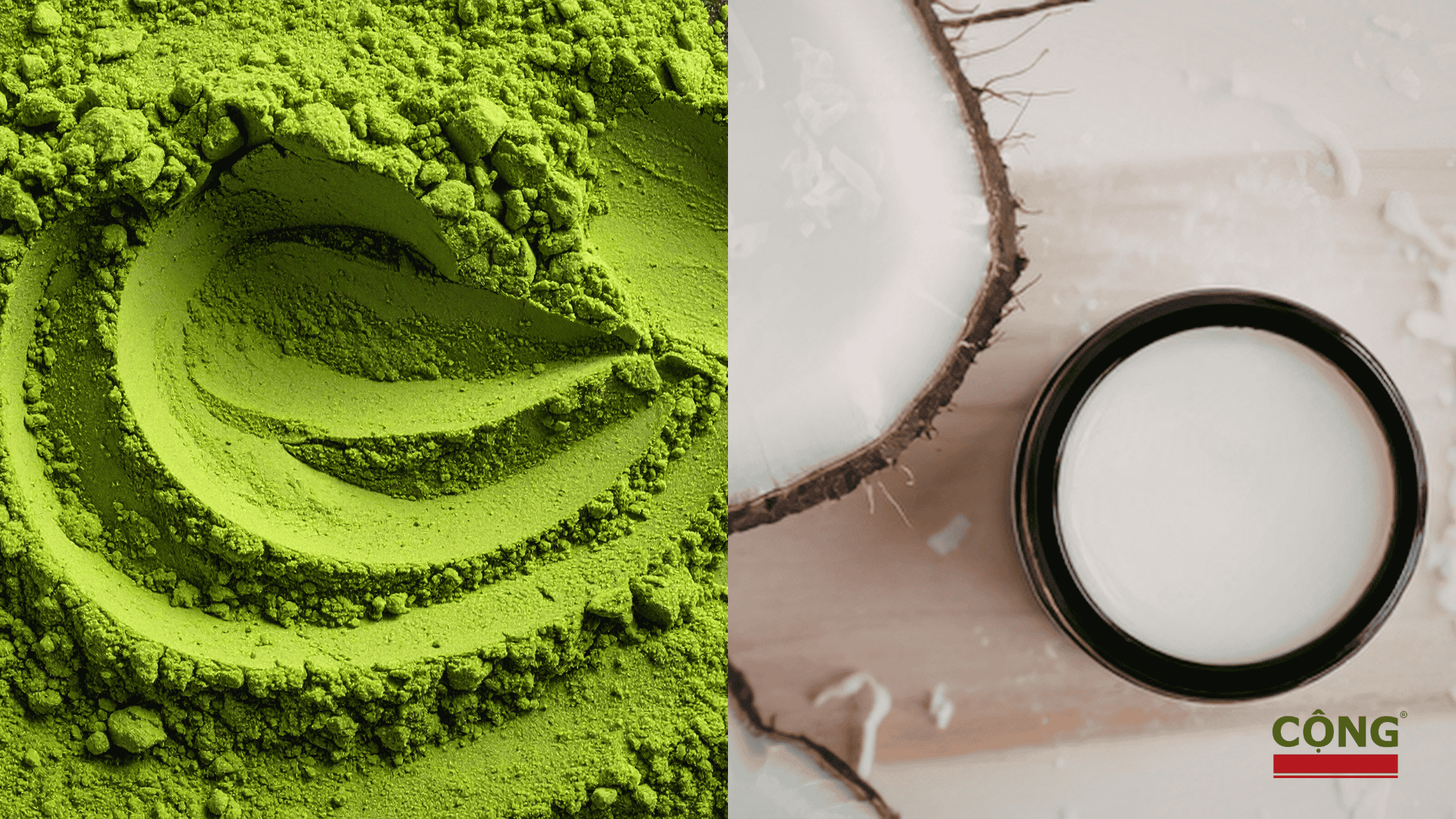
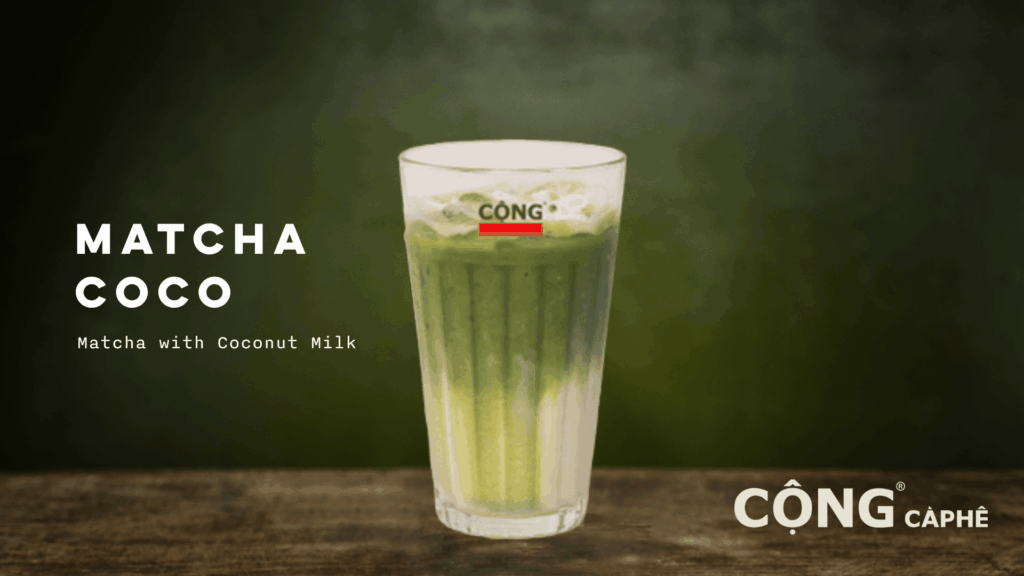
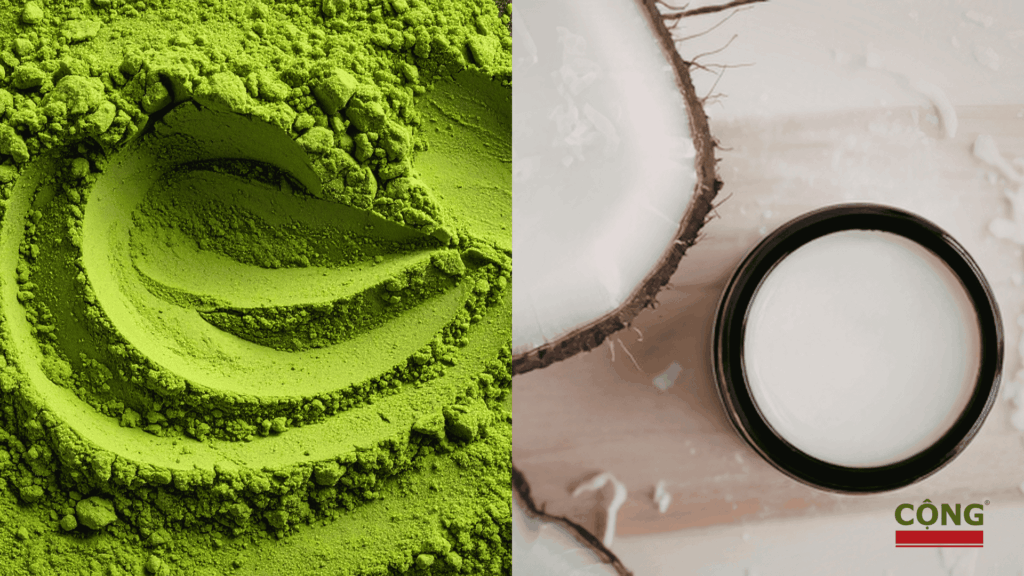
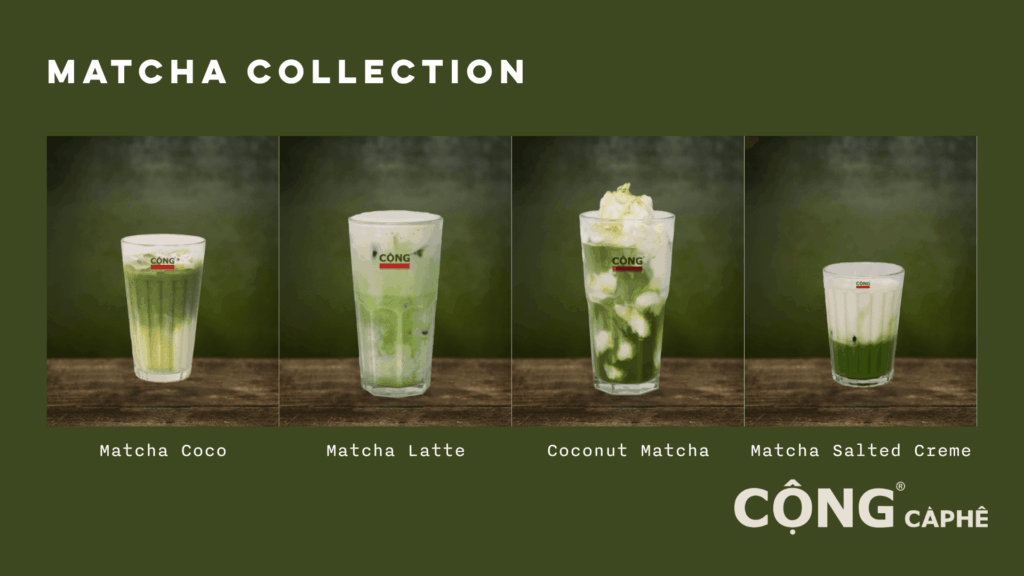
At its simplest, matcha coco is a drink built on two ingredients: matcha and coconut milk or coconut water. The execution varies by café, however, the result is something that sits comfortably between refreshing and indulgent – bright and grassy from the tea, rich and rounded from the coconut, with a natural sweetness that requires nothing added.
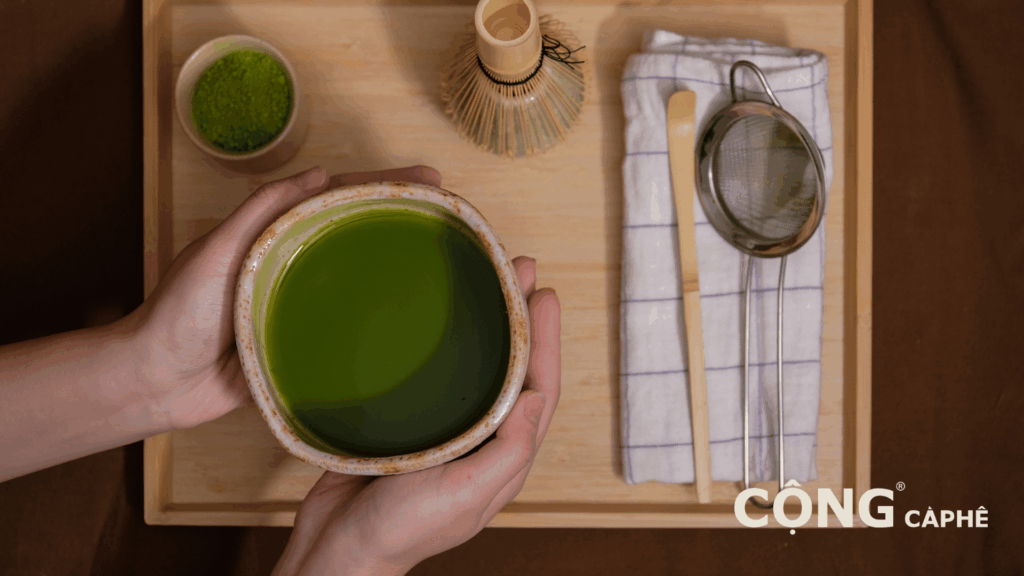
At its core, a matcha coco begins with carefully prepared matcha, whisked with a small amount of hot water to dissolve the powder fully and create a smooth, concentrated base. Unlike brewed tea, matcha is never steeped, and the preparation process matters because rushing it often leads to bitterness or clumps that compromise the drink’s texture.
What sits beneath the matcha layer is where cafés begin to define their own interpretation of the drink. Some choose cold coconut milk for a richer and creamier body, while others lean toward coconut water to create a lighter, more refreshing profile. In some variations, coconut cream is added to deepen the texture and amplify the natural sweetness of the coconut.
The balance between these elements ultimately determines whether the drink succeeds. Too much coconut and the matcha disappears into a vaguely green, generically sweet drink. Too little and the bitterness has nothing to soften it. A well-balanced matcha coco keeps both elements present – the grassy depth of good green tea, the tropical fat of real coconut, neither one overwhelming the other.
The best versions you will find in Paris treat this balance as the whole point of the drink rather than an afterthought.
Is Matcha Coco Hot or Cold?
The honest answer is that matcha coco was designed to be cold.
Although matcha coco can technically be served both ways, the drink is traditionally designed to be enjoyed cold, where its texture, flavour balance, and visual contrast are at their best. While a hot version can still be enjoyable, especially for those who prefer comforting drinks, it changes the character of the experience in ways that make the original concept feel less distinctive.
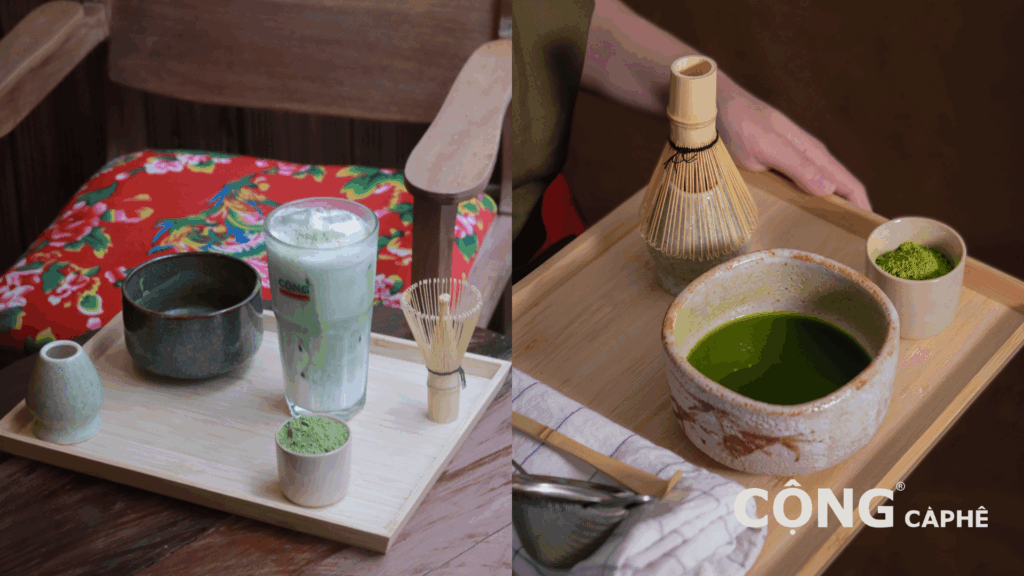
For anyone ordering matcha coco at a café known for quality preparation, the iced version is usually the better choice. Some cafés also offer a blended variation, often inspired by Vietnamese-style drinks, which transforms the experience entirely. Rather than focusing on contrast, a blended matcha coco becomes thicker, richer, and more indulgent, with concentrated sweetness
One thing worth knowing before you order: if a café is making matcha coco with a powder blend rather than whisked ceremonial matcha, you will taste the difference. The colour may appear unnaturally bright, while the flavour can taste overly sweet or one-dimensional. A well-made version has a slightly muted, natural green colour and a depth that powdered blends cannot replicate.
Where to Get Matcha Coco in Paris Right Now
Paris has absorbed the matcha coco trend quickly, which means the range of quality is considerable. You will find versions of it at coffee chains, at Japanese-inspired cafés, and at a growing number of Vietnamese spots who understood coconut-based drinks long before the trend gave them a French name.
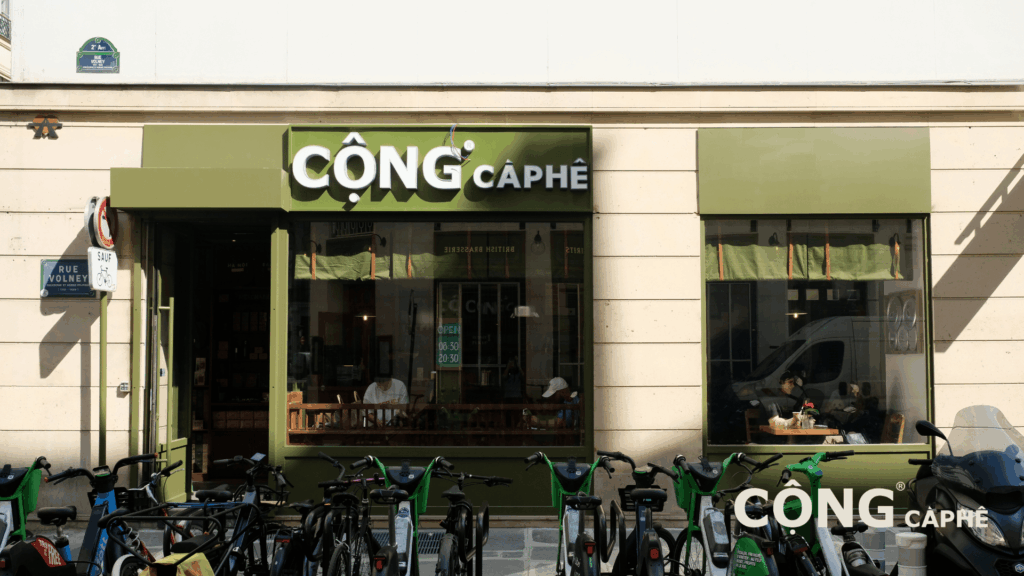
Cộng Cà Phê, at 18 Rue Volney in the 2nd arrondissement, is a particular point of reference. The brand was founded in Hanoi in 2007 and carries its Vietnamese café DNA into every drink it makes, including its coconut-forward menu. The cà phê cốt dừa that made Cộng famous across Vietnam is built on the same logic as a great matcha coco: real coconut cream, balanced extraction, nothing artificial. That same rigour extends to how the team approaches the rest of the drinks menu.
The space itself is worth mentioning. Cộng’s interior draws from the aesthetic of Hanoi’s subsidy era in the 1980s, when state-run shops had a particular worn, unhurried quality. It is warm, slightly nostalgic, and resistant to the kind of studied minimalism that defines most Paris café interiors right now. In a city where the atmosphere is increasingly manufactured to look effortless, Cộng’s design feels genuinely particular to somewhere.
It is the kind of place where sitting with a matcha coco for an hour does not feel like an indulgence. It feels like the point.
Frequently Asked Questions
What is the difference between matcha coco and a matcha latte? A matcha latte uses steamed dairy or plant milk, most commonly oat or almond. A matcha coco replaces the milk with coconut, usually in cream form, which brings a distinctly tropical richness and natural sweetness that a standard latte cannot replicate. The flavour profile is warmer, fuller, and more specific.
Is matcha coco served hot or cold? Most often cold, and the iced version holds the contrast between the sharp matcha and the rich coconut more clearly. Hot versions exist and have their own appeal, particularly in cooler months, but the drink was designed to be refreshing.
Is matcha coco sweet without added sugar? Often yes if coconut cream is used.. Real coconut cream carries a natural sweetness that works with the slight bitterness of the matcha. Most cafés tend to add a small amount of sweetener by default, so if you prefer to adjust the sweetness to your own taste, it is worth asking for.
Curious to try matcha coco in Paris for yourself? Visit Cộng Cà Phê (18 Rue Volney, 75002 Paris) and discover a refreshing Vietnamese take on the drink, carefully prepared with balanced flavours and quality ingredients in the heart of the city. For more on the full drinks menu, visit congcaphe.fr.
Leave a Reply