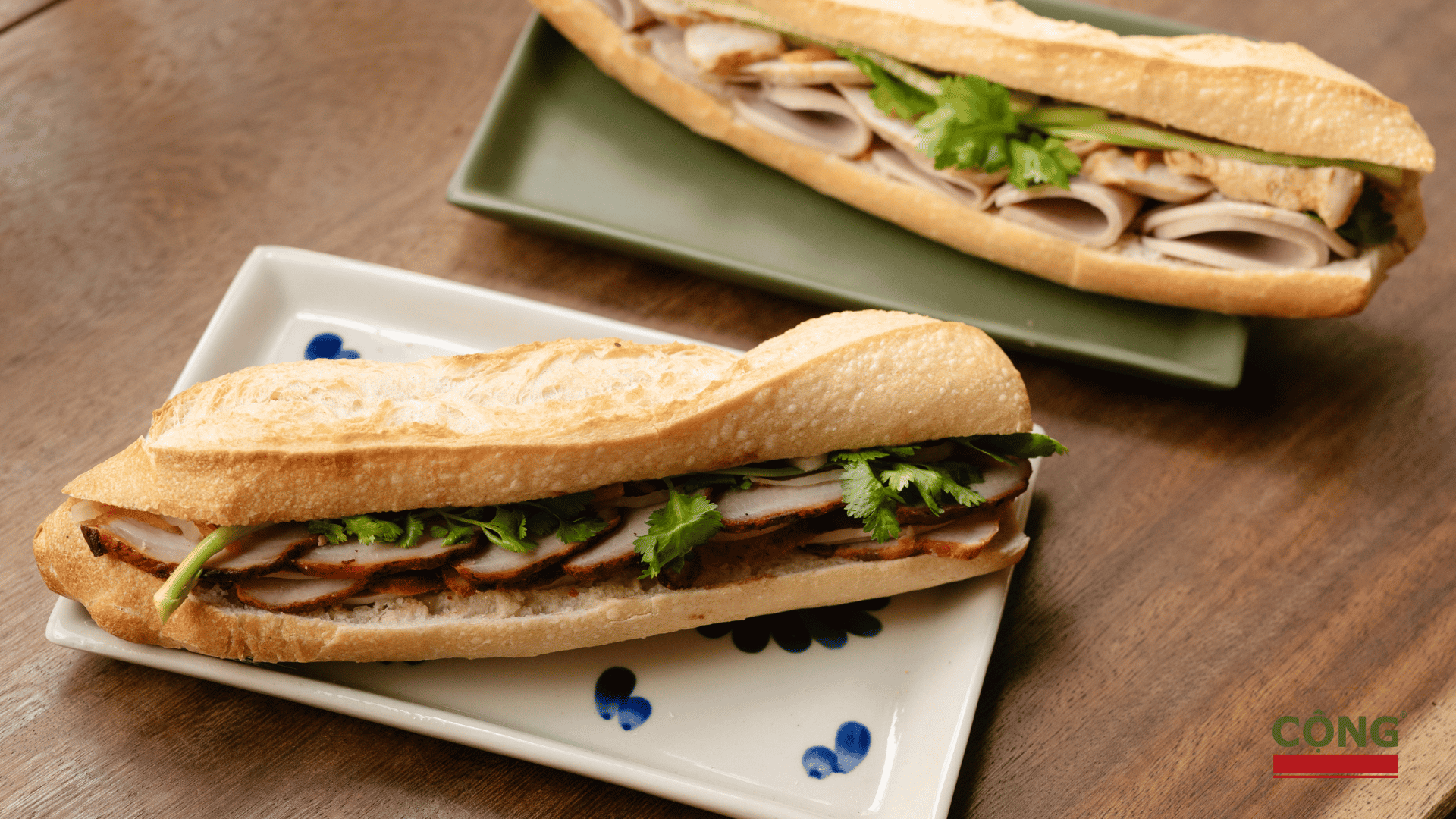
Bánh mì is one of the most recognisable Vietnamese dishes in the world. Crisp on the outside, soft in the middle, layered with savoury fillings, herbs, and pickled vegetables, it is often described as one of Vietnam’s most iconic street foods.
In recent years, it has also become increasingly visible in Paris, where interest in Vietnamese cuisine continues to grow. Here is what it actually is, what makes one worth eating, and where to find a proper version in Paris.
What Is Banh Mi? What Goes Inside a Bánh Mì?
At first glance, bánh mì looks familiar: a baguette filled with meat and vegetables. But the experience is more layered than that.
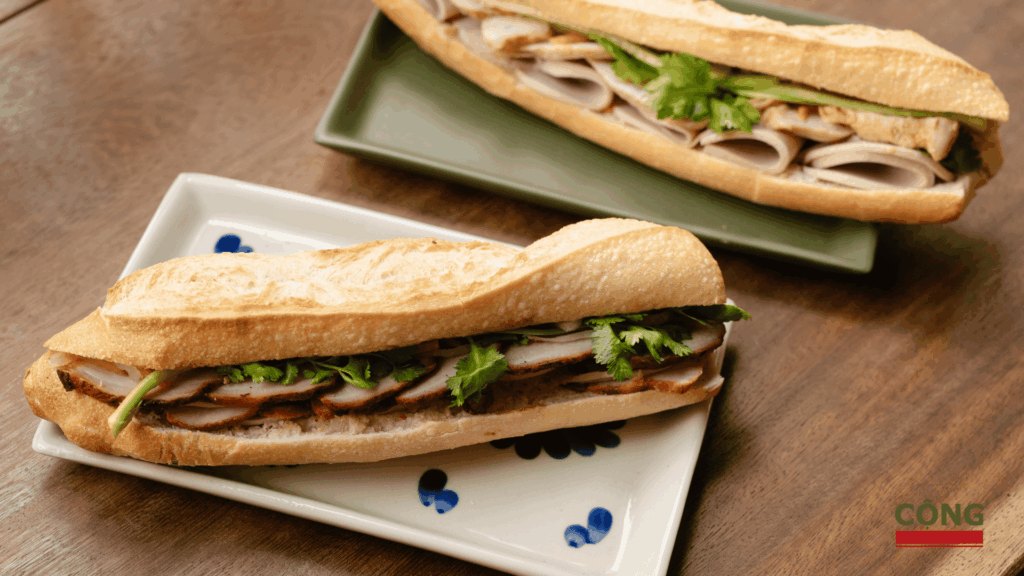
A banh mi (Vietnamese sandwich) built on a short, airy baguette, it is the product of a culinary encounter that began with French colonialism and was quietly, decisively transformed by Vietnamese cooks over the course of a century. The filling is where the dish becomes Vietnamese. At its core, a bánh mì typically includes a protein which is char siu pork, grilled chicken, or pâté among the most common, alongside carrot, pickled vegetables, cucumber, fresh coriander and sauce.
Different regions of Vietnam approach bánh mì differently, and cafés often adapt recipes according to their own style. Some lean richer, others lighter, but the best versions maintain balance.
What Makes a Great Bánh Mì?
A truly good bánh mì depends on several elements working together rather than one standout ingredient.
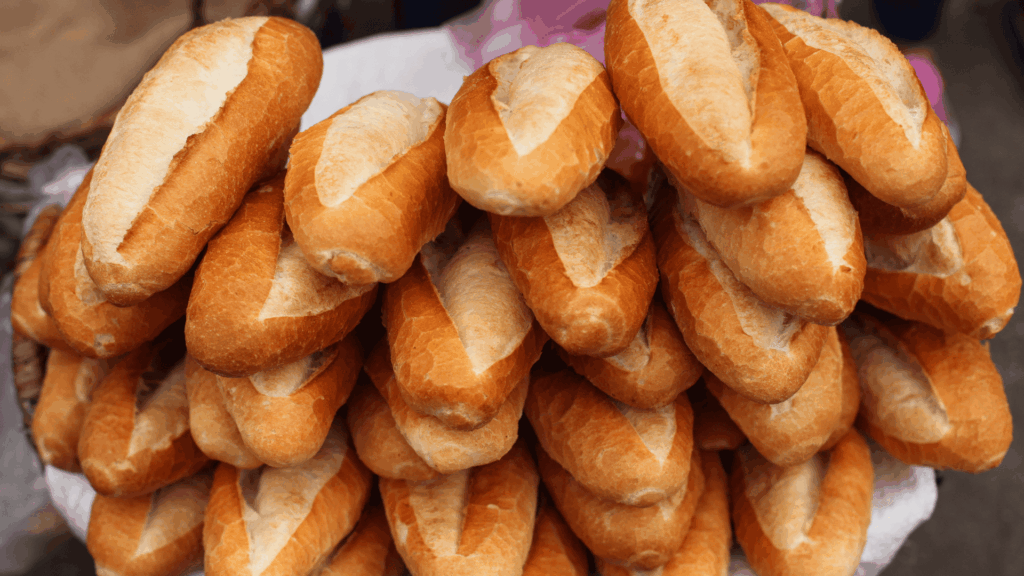
The bread matters – The ideal bánh mì baguette should feel crisp on the outside while remaining light inside. Too dense, and the sandwich becomes difficult to eat. Too soft, and it loses the texture that gives bánh mì its identity.
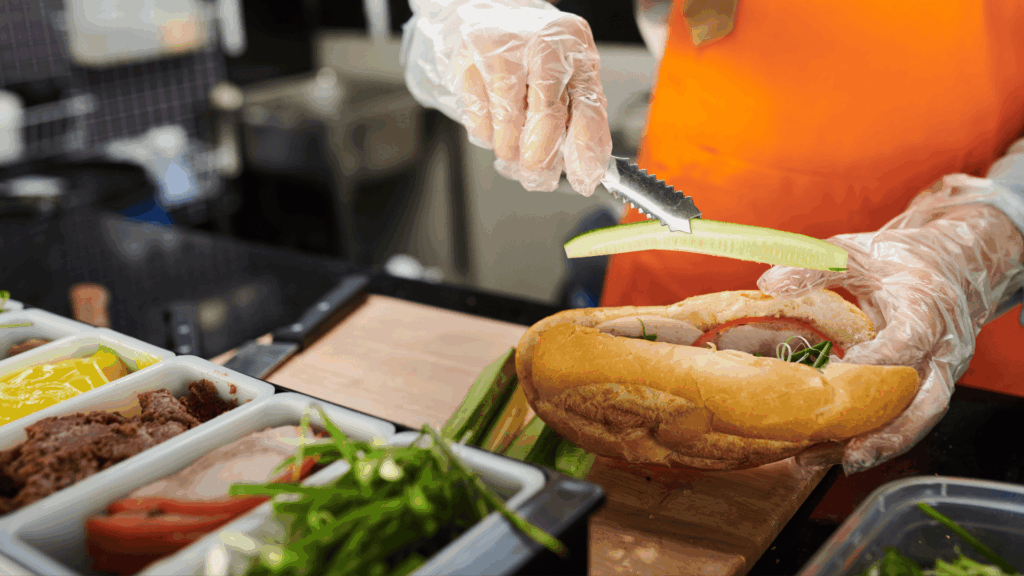
Fresh ingredients make the difference – Fresh coriander, herbs, pickled vegetables and crisp cucumber are not decorative details. They are essential parts of the sandwich. Because bánh mì is relatively simple, ingredient quality becomes highly noticeable. Fresh vegetables and warm bread often separate a good sandwich from a forgettable one.
The protein needs to be cooked with attention – Because bánh mì relies on balance, the protein should feel well-prepared rather than overpowering. Whether it is char siu pork, pâté or grilled chicken, tender meat with enough flavour helps the sandwich feel satisfying while still leaving room for the freshness of herbs and pickles to come through.
Where to Eat Bánh Mì in Paris
Paris offers no shortage of Vietnamese restaurants and cafés, particularly in neighbourhoods known for Asian cuisine. But finding a memorable bánh mì often depends on more than convenience.
For many visitors, part of the appeal lies in experiencing Vietnamese flavours in a setting that feels relaxed rather than rushed. A well-made bánh mì can work equally well as a quick lunch, a casual dinner, or an afternoon stop between exploring the city.
Cộng Cà Phê France, at 18 Rue Volney in the 1st arrondissement, is an address where bánh mì is taken seriously. The brand arrived in Paris from Hanoi, where it built its reputation on an aesthetic rooted in Vietnam’s post-reunification state subsidies era. Every detail of the space, from the furniture to the menu design, carries that sensibility: unhurried, honest, and deeply Vietnamese.
At Cộng Cà Phê France, bánh mì is also often paired with coffee or refreshing drinks, making the experience feel more complete.
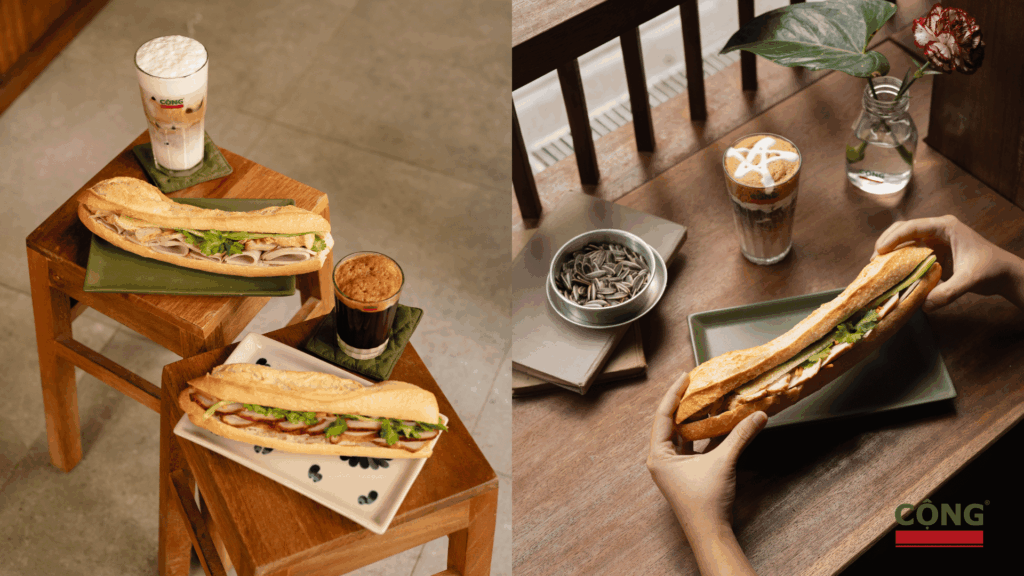
Two Classic Variations at Cộng
Cộng Cà Phê France serves two versions of bánh mì, each representing a different register of the Vietnamese sandwich tradition.
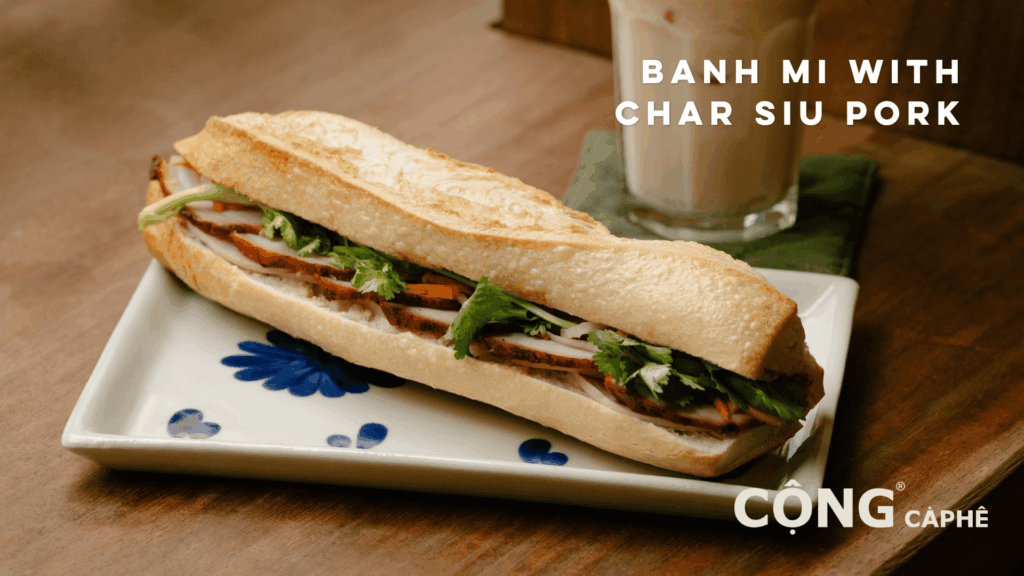
Bánh Mì Xá Xíu – Char Siu Pork
Xá xíu is the Vietnamese rendering of char siu, the Cantonese-style barbecued pork that has long been woven into the food cultures of Vietnam’s southern and central regions. The meat is marinated and roasted until the exterior caramelises into a lacquered, slightly sweet crust while the interior stays tender. Inside a bánh mì, it pairs naturally with the sharpness of pickled vegetables and the clean fragrance of fresh coriander.
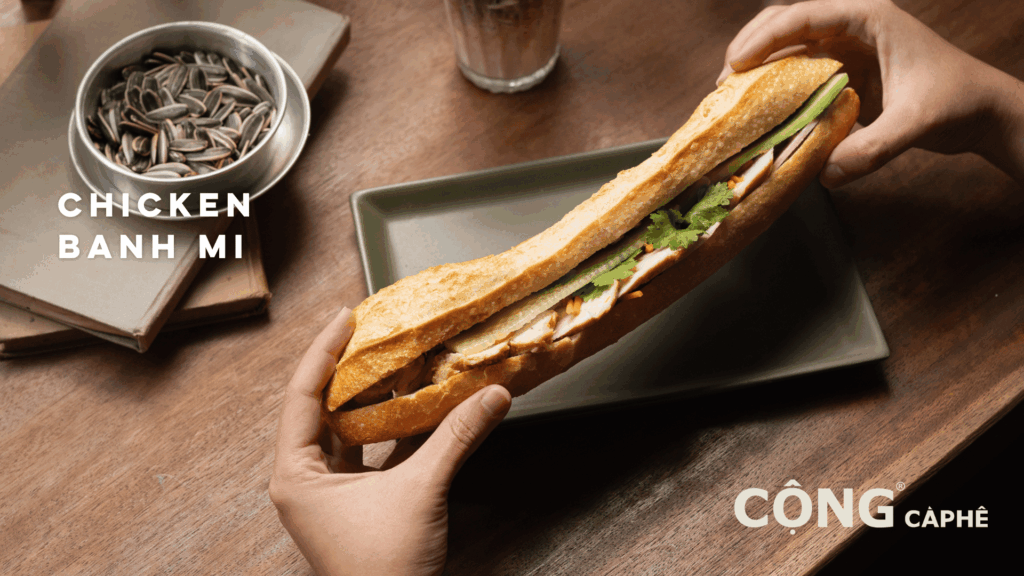
Bánh Mì Gà – Chicken
The chicken version offers a lighter, cleaner flavour profile. Where xá xíu brings depth and sweetness, bánh mì gà is fresher and more delicate. The grilled chicken absorbs the brightness of the pickles and herbs rather than contrasting with them. It is a version that suits those who prefer something less rich, without sacrificing any of the textural complexity that makes bánh mì worth eating in the first place.
Both versions are available as snacks rather than main courses and are designed to accompany a coffee or a coconut smoothie rather than to stand alone as a meal. In this, they reflect the way bánh mì is often eaten in Vietnam itself: quickly, casually, at a counter or on a stool, as part of a morning or an afternoon rather than a formal sit-down.
Frequently Asked Questions About Bánh Mì
What does bánh mì mean in Vietnamese? Bánh mì translates literally as “wheat bread”. Bánh refers to a broad category of cakes, breads, and pastries, and mì meaning wheat. Over time, the term became shorthand specifically for the Vietnamese sandwich. When someone says bánh mì in Vietnam, the sandwich is what they mean.
Is bánh mì gluten-free? No. The bread is made from wheat flour and contains gluten. The fillings themselves including the proteins, pickled vegetables, and herbs are generally gluten-free, but the sandwich as a whole is not suitable for those with a gluten intolerance or coeliac disease.
Is bánh mì served hot or cold? Typically, the bread is served warm or at room temperature, and the protein may be warm depending on preparation. The pickled vegetables and fresh herbs are cool.
Can I have bánh mì with coffee at Cộng? Yes, and it is recommended. The combination of a bánh mì with a glass of cà phê sữa đá (Vietnamese iced coffee with condensed milk) or a cà phê cốt dừa (coconut coffee smoothie) reflects the way these foods naturally appear together in Vietnam. At Cộng Cà Phê France, the two are part of the same menu and the same experience.
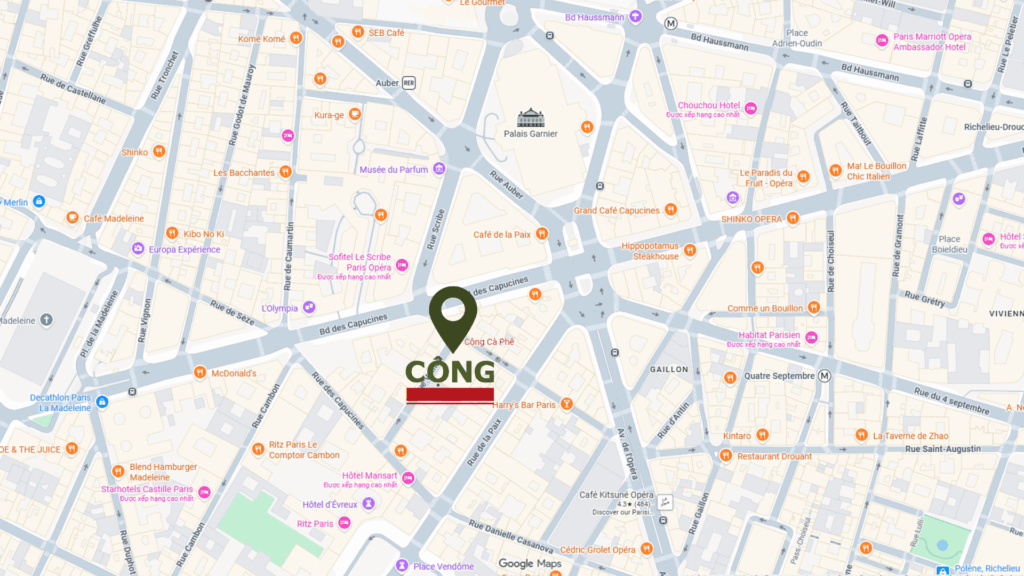
If you are looking for banh mi in Paris, trying a Vietnamese café can be one of the most enjoyable ways to experience it. Bánh mì xá xíu and bánh mì gà are available alongside Vietnamese coffee and refreshing drinks at Cộng Cà Phê France, 18 Rue Volney, 75001 Paris. Visit congcaphe.fr to explore the full menu.
Leave a Reply