Blog

  • Banh Mi in Paris: Where to Find It and What to Expect

    Banh Mi in Paris: Where to Find It and What to Expect

    Bánh mì is one of the most recognisable Vietnamese dishes in the world. Crisp on the outside, soft in the middle, layered with savoury fillings, herbs, and pickled vegetables, it is often described as one of Vietnam’s most iconic street foods. 

    In recent years, it has also become increasingly visible in Paris, where interest in Vietnamese cuisine continues to grow. Here is what it actually is, what makes one worth eating, and where to find a proper version in Paris.
    What Is Banh Mi? What Goes Inside a Bánh Mì?

    At first glance, bánh mì looks familiar: a baguette filled with meat and vegetables. But the experience is more layered than that. 

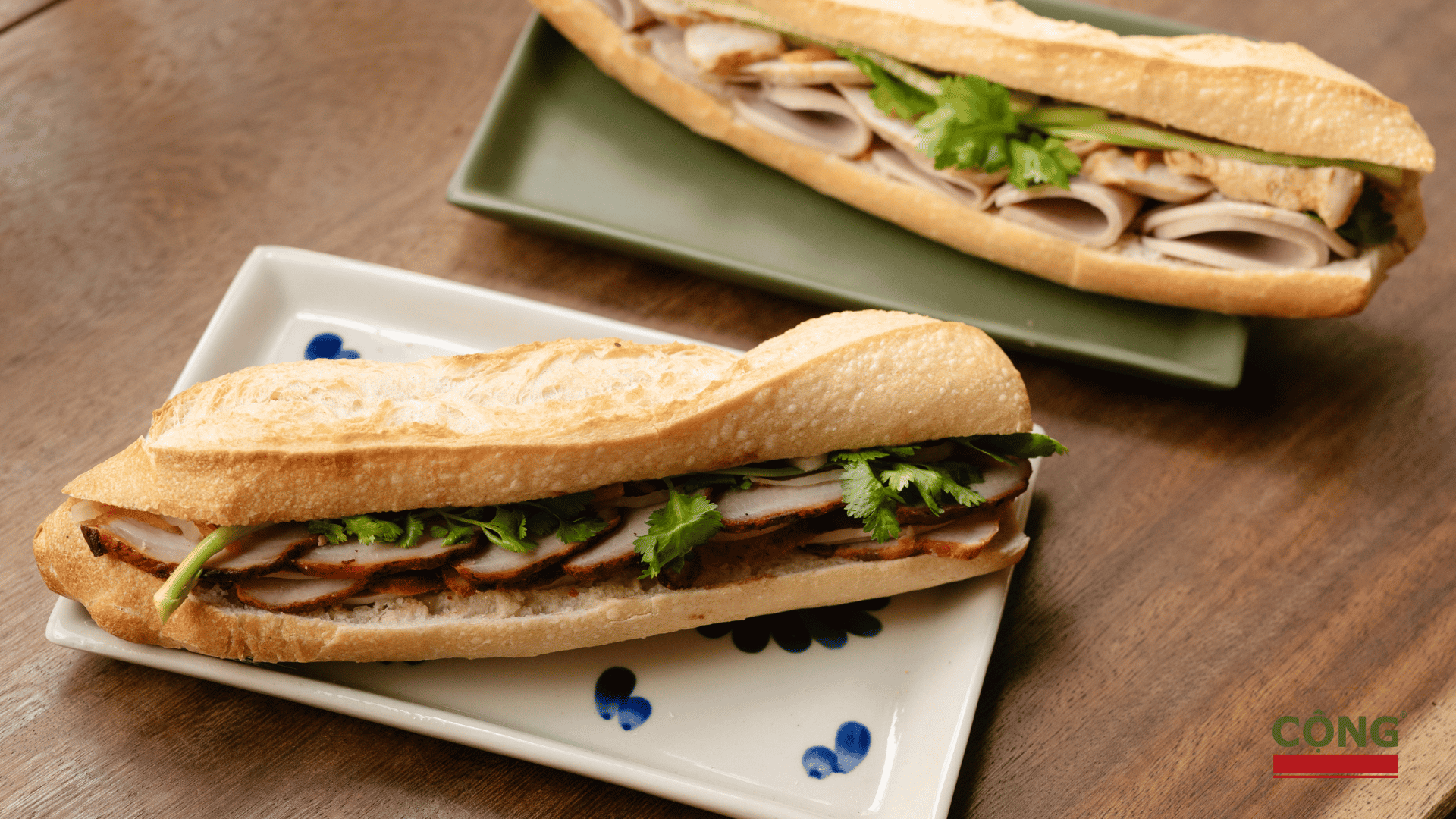
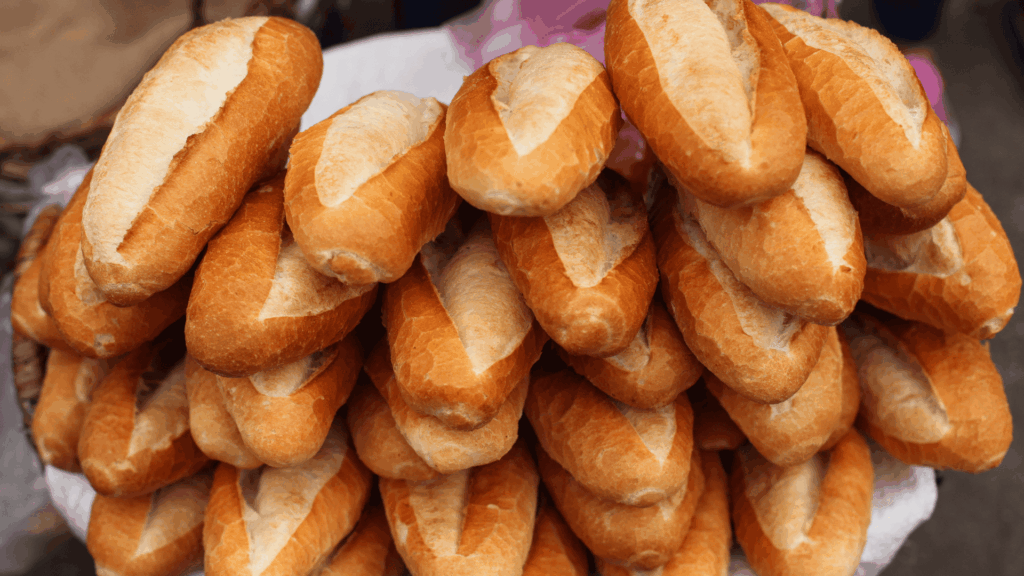
    A banh mi (Vietnamese sandwich) built on a short, airy baguette, it is the product of a culinary encounter that began with French colonialism and was quietly, decisively transformed by Vietnamese cooks over the course of a century. The filling is where the dish becomes Vietnamese. At its core, a bánh mì typically includes a protein which is char siu pork, grilled chicken, or pâté among the most common, alongside carrot, pickled vegetables, cucumber, fresh coriander and sauce.

    Different regions of Vietnam approach bánh mì differently, and cafés often adapt recipes according to their own style. Some lean richer, others lighter, but the best versions maintain balance.
    What Makes a Great Bánh Mì?

    A truly good bánh mì depends on several elements working together rather than one standout ingredient.

    The bread matters – The ideal bánh mì baguette should feel crisp on the outside while remaining light inside. Too dense, and the sandwich becomes difficult to eat. Too soft, and it loses the texture that gives bánh mì its identity.

    Fresh ingredients make the difference – Fresh coriander, herbs, pickled vegetables and crisp cucumber are not decorative details. They are essential parts of the sandwich. Because bánh mì is relatively simple, ingredient quality becomes highly noticeable. Fresh vegetables and warm bread often separate a good sandwich from a forgettable one.

    The protein needs to be cooked with attention – Because bánh mì relies on balance, the protein should feel well-prepared rather than overpowering. Whether it is char siu pork, pâté or grilled chicken, tender meat with enough flavour helps the sandwich feel satisfying while still leaving room for the freshness of herbs and pickles to come through.

    Where to Eat Bánh Mì in Paris

    Paris offers no shortage of Vietnamese restaurants and cafés, particularly in neighbourhoods known for Asian cuisine. But finding a memorable bánh mì often depends on more than convenience.

    For many visitors, part of the appeal lies in experiencing Vietnamese flavours in a setting that feels relaxed rather than rushed. A well-made bánh mì can work equally well as a quick lunch, a casual dinner, or an afternoon stop between exploring the city.

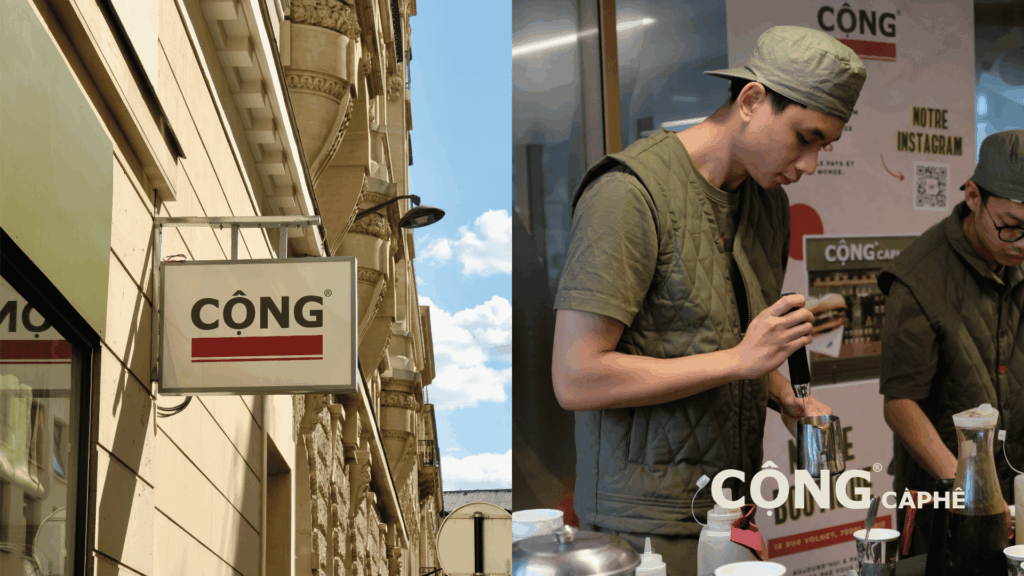
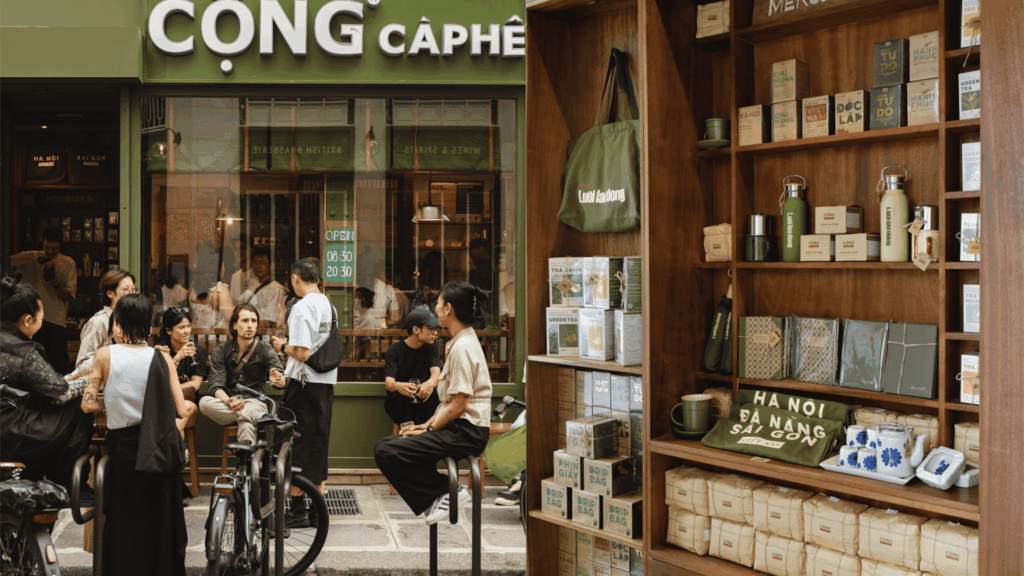
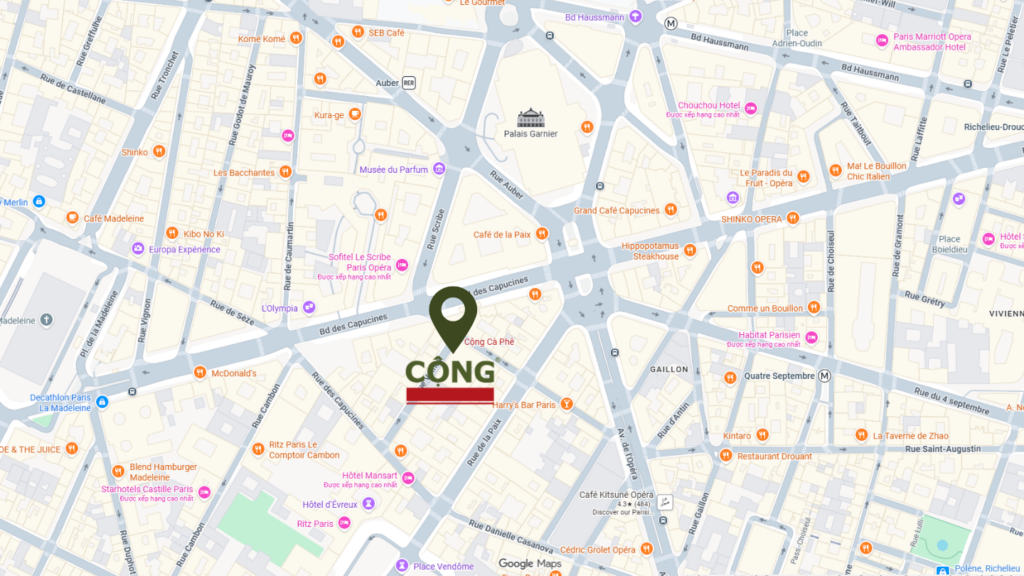
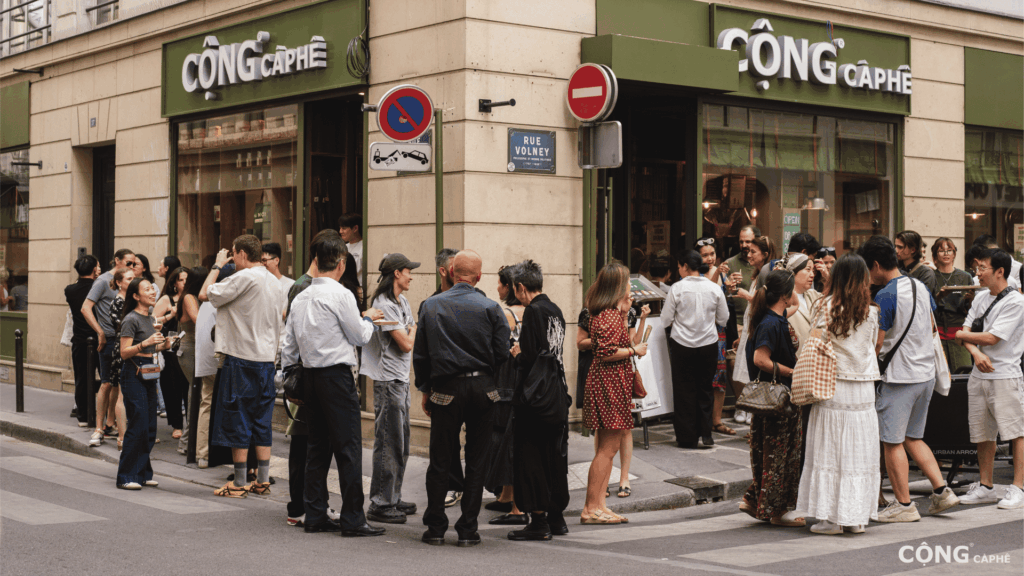
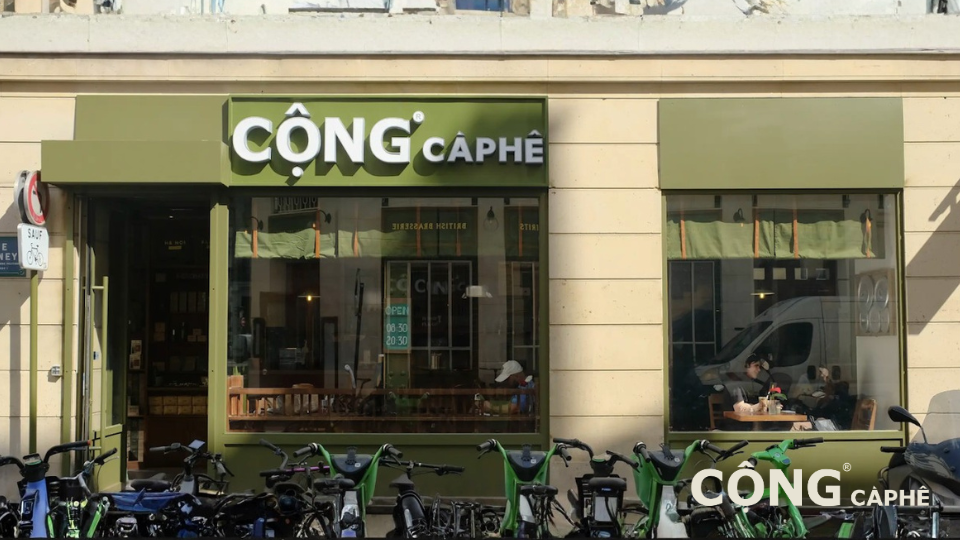
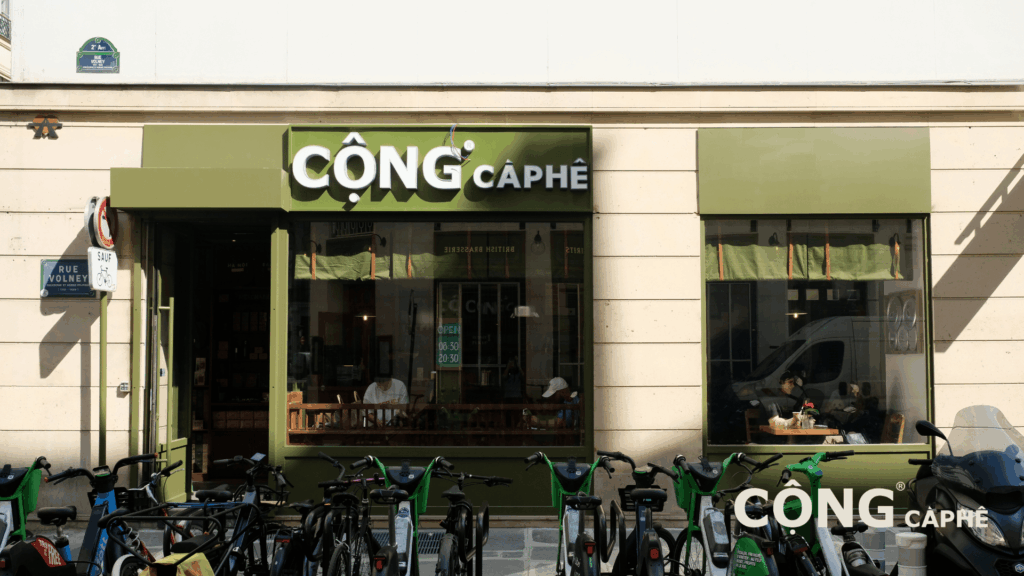
    Cộng Cà Phê France, at 18 Rue Volney in the 1st arrondissement, is an address where bánh mì is taken seriously. The brand arrived in Paris from Hanoi, where it built its reputation on an aesthetic rooted in Vietnam’s post-reunification state subsidies era. Every detail of the space, from the furniture to the menu design, carries that sensibility: unhurried, honest, and deeply Vietnamese.

    At Cộng Cà Phê France, bánh mì is also often paired with coffee or refreshing drinks, making the experience feel more complete.
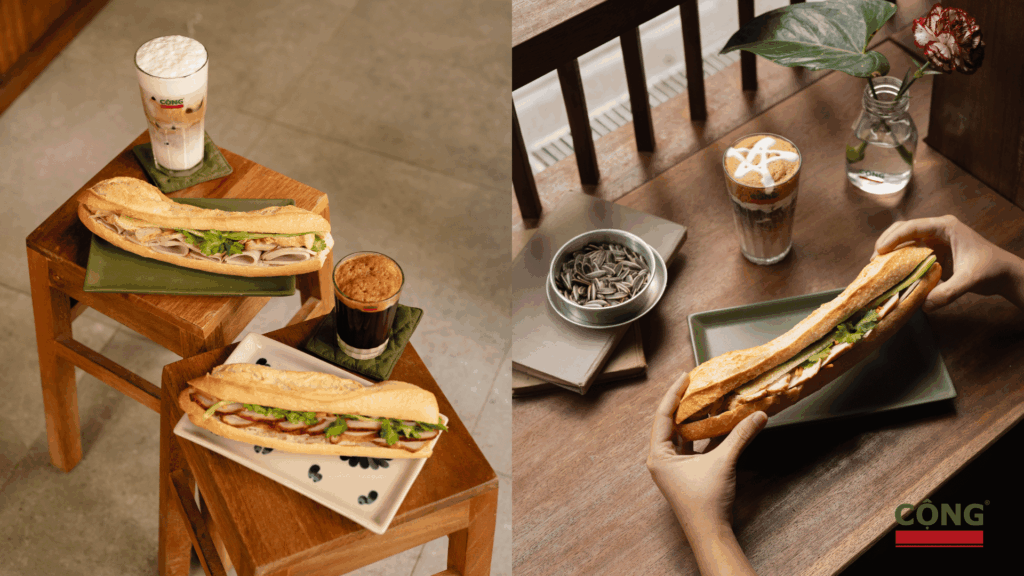
    Two Classic Variations at Cộng

    Cộng Cà Phê France serves two versions of bánh mì, each representing a different register of the Vietnamese sandwich tradition.

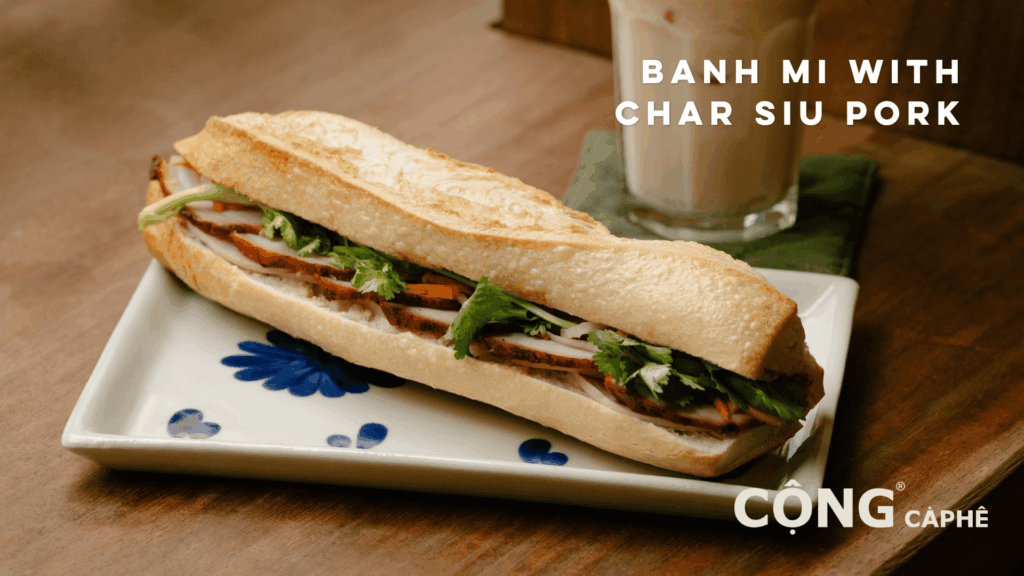
    Bánh Mì Xá Xíu – Char Siu Pork

    Xá xíu is the Vietnamese rendering of char siu, the Cantonese-style barbecued pork that has long been woven into the food cultures of Vietnam’s southern and central regions. The meat is marinated and roasted until the exterior caramelises into a lacquered, slightly sweet crust while the interior stays tender. Inside a bánh mì, it pairs naturally with the sharpness of pickled vegetables and the clean fragrance of fresh coriander.
    Bánh Mì Gà – Chicken

    The chicken version offers a lighter, cleaner flavour profile. Where xá xíu brings depth and sweetness, bánh mì gà is fresher and more delicate. The grilled chicken absorbs the brightness of the pickles and herbs rather than contrasting with them. It is a version that suits those who prefer something less rich, without sacrificing any of the textural complexity that makes bánh mì worth eating in the first place.
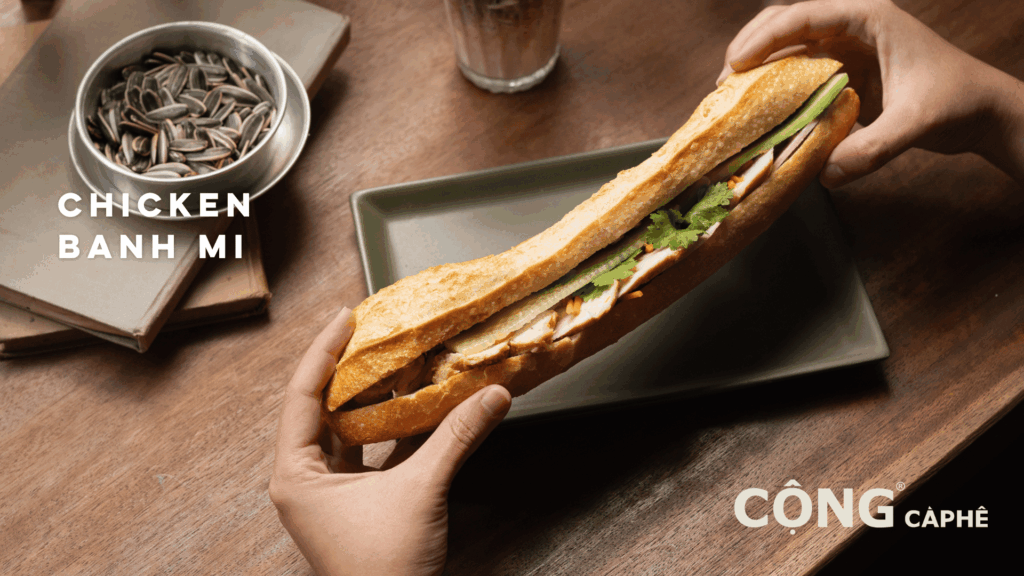
    Both versions are available as snacks rather than main courses and are designed to accompany a coffee or a coconut smoothie rather than to stand alone as a meal. In this, they reflect the way bánh mì is often eaten in Vietnam itself: quickly, casually, at a counter or on a stool, as part of a morning or an afternoon rather than a formal sit-down.

    Frequently Asked Questions About Bánh Mì

    What does bánh mì mean in Vietnamese? Bánh mì translates literally as “wheat bread”. Bánh refers to a broad category of cakes, breads, and pastries, and meaning wheat. Over time, the term became shorthand specifically for the Vietnamese sandwich. When someone says bánh mì in Vietnam, the sandwich is what they mean.

    Is bánh mì gluten-free? No. The bread is made from wheat flour and contains gluten. The fillings themselves including the proteins, pickled vegetables, and herbs are generally gluten-free, but the sandwich as a whole is not suitable for those with a gluten intolerance or coeliac disease.

    Is bánh mì served hot or cold? Typically, the bread is served warm or at room temperature, and the protein may be warm depending on preparation. The pickled vegetables and fresh herbs are cool. 

    Can I have bánh mì with coffee at Cộng? Yes, and it is recommended. The combination of a bánh mì with a glass of cà phê sữa đá (Vietnamese iced coffee with condensed milk) or a cà phê cốt dừa (coconut coffee smoothie) reflects the way these foods naturally appear together in Vietnam. At Cộng Cà Phê France, the two are part of the same menu and the same experience.
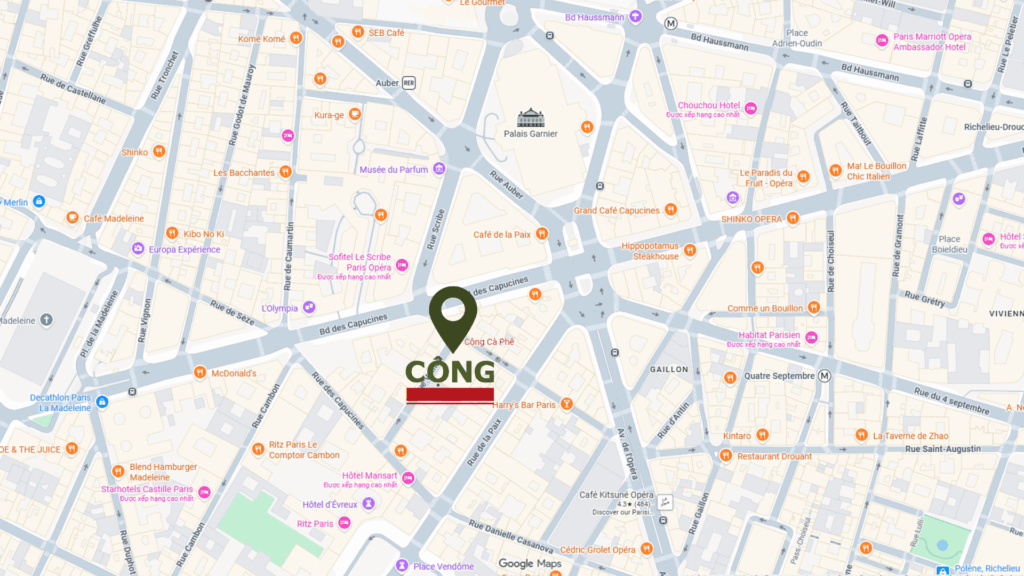
    If you are looking for banh mi in Paris, trying a Vietnamese café can be one of the most enjoyable ways to experience it. Bánh mì xá xíu and bánh mì gà are available alongside Vietnamese coffee and refreshing drinks at Cộng Cà Phê France, 18 Rue Volney, 75001 Paris. Visit congcaphe.fr to explore the full menu.
  • Looking for Fruit Juice in Paris? Try These Refreshing Drinks

    Looking for Fruit Juice in Paris? Try These Refreshing Drinks

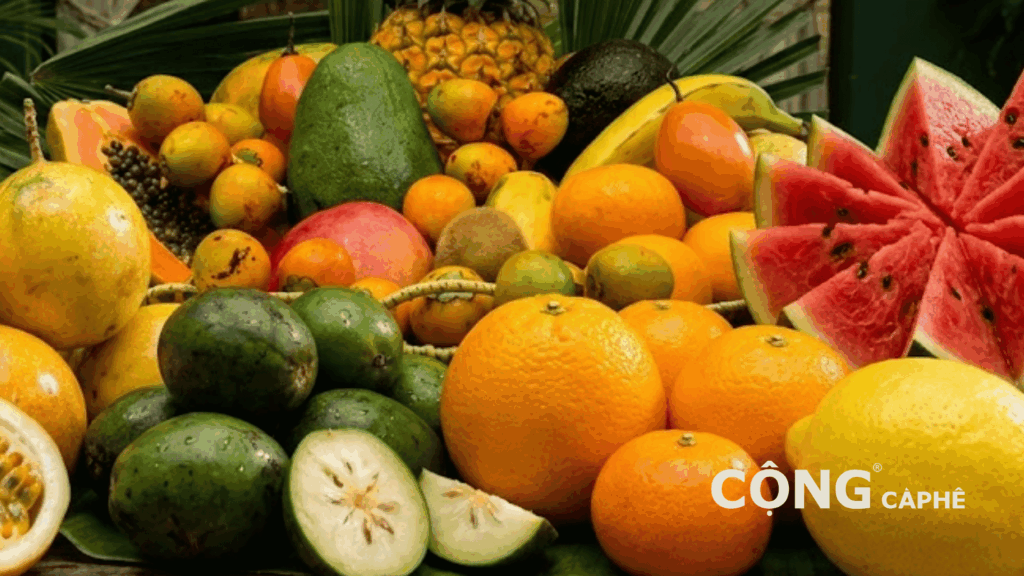
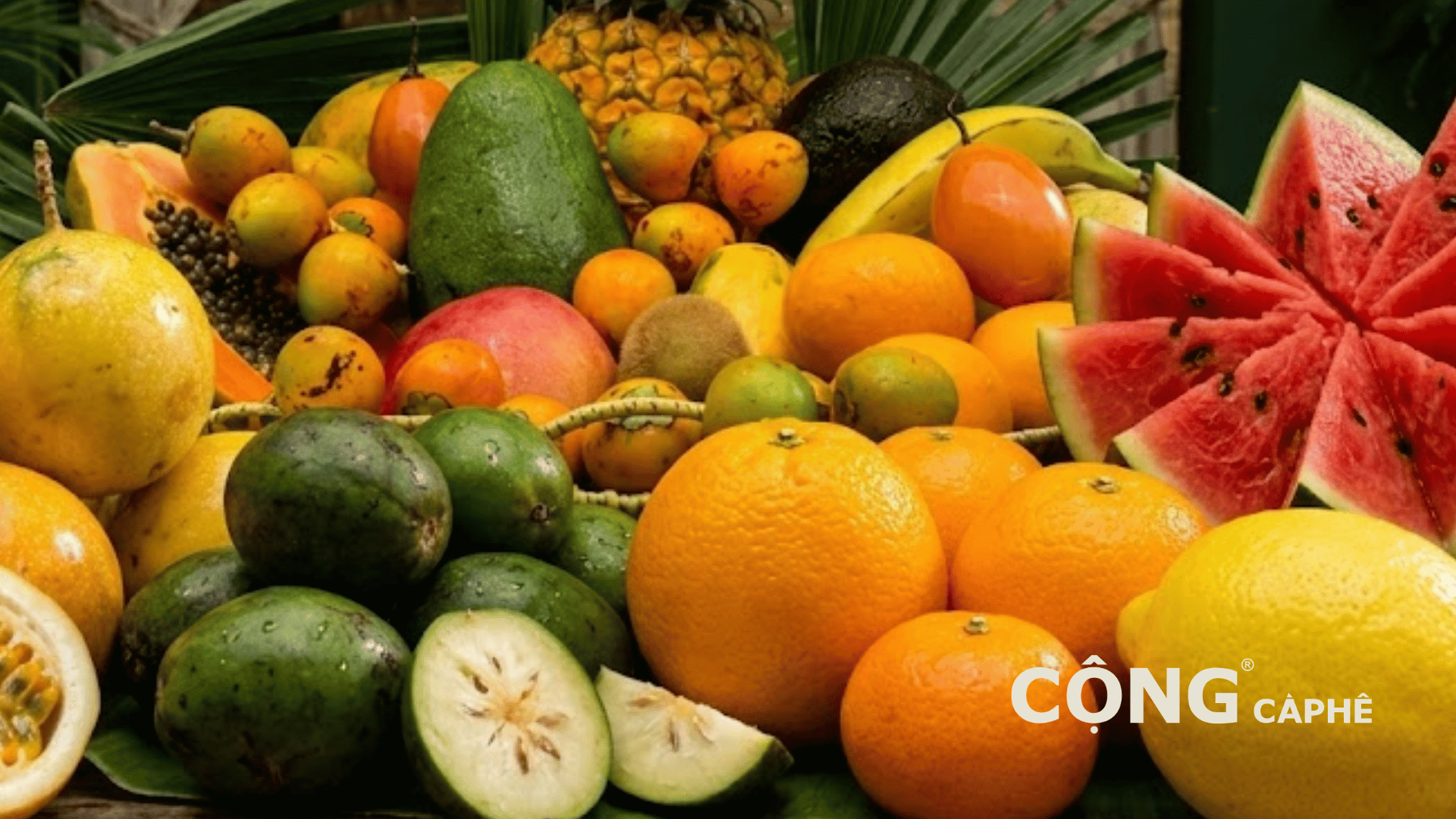
    If you are searching for fruit juice in Paris, there are more options than the classic orange juice served at breakfast. Across the city, cafés are exploring refreshing drinks that feel lighter, more vibrant, and better suited to summer afternoons. Among them, Vietnamese cafés offer a particularly interesting perspective, shaped by tropical ingredients, crushed ice, and flavour combinations designed to cool rather than overwhelm.

    Whether you prefer citrus flavours, tropical fruit, or something naturally refreshing, here are some fruit juice options worth discovering in Paris.

    What Makes a Great Fruit Juice Experience?

    Not every fruit juice feels equally refreshing. The difference often comes down to balance.

    A good fruit juice is not simply sweet. The best drinks combine freshness, acidity, texture, and temperature. A splash of citrus can make a drink brighter, while crushed ice changes the experience entirely, turning fruit juice into something cooling and energising during warm weather.

    In many Vietnamese drinks, refreshment comes first. Drinks are often designed to feel light and cooling, especially in hot climates. Instead of overly thick beverages or heavy syrups, the focus is often on freshness, tropical flavours, and plenty of ice.

    That approach makes Vietnamese-style fruit drinks particularly enjoyable during spring and summer in Paris.

    The Fruit Juice Menu at Cộng Cà Phê France

    At Cộng Cà Phê’s Paris location on Rue Volney, the fruit juice menu reflects the same values that define the brand’s coffee offering: quality ingredients, honest preparation, and a connection to Vietnamese café tradition. The list is concise and considered, each option chosen for the way it tastes rather than the way it looks on paper.

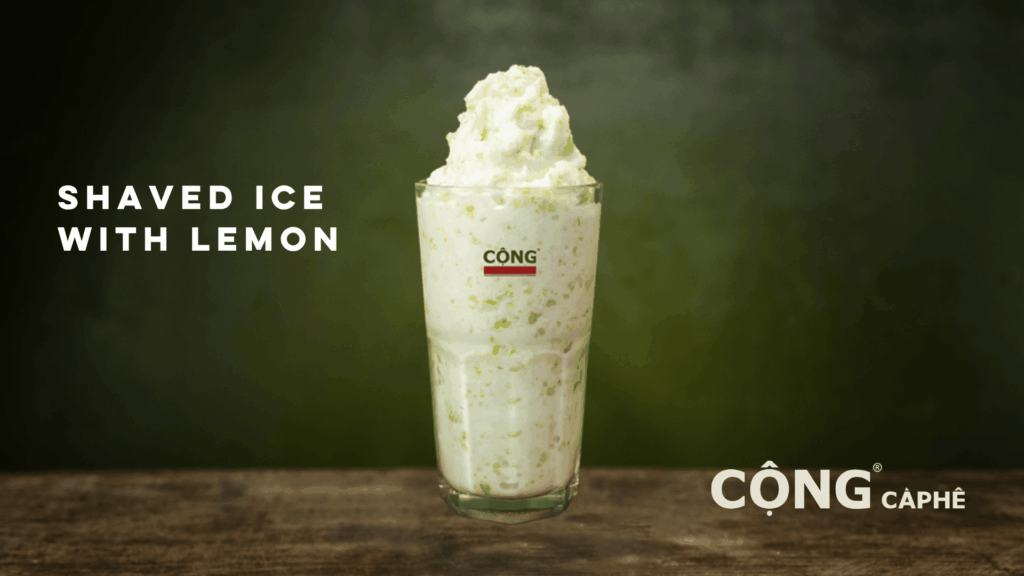
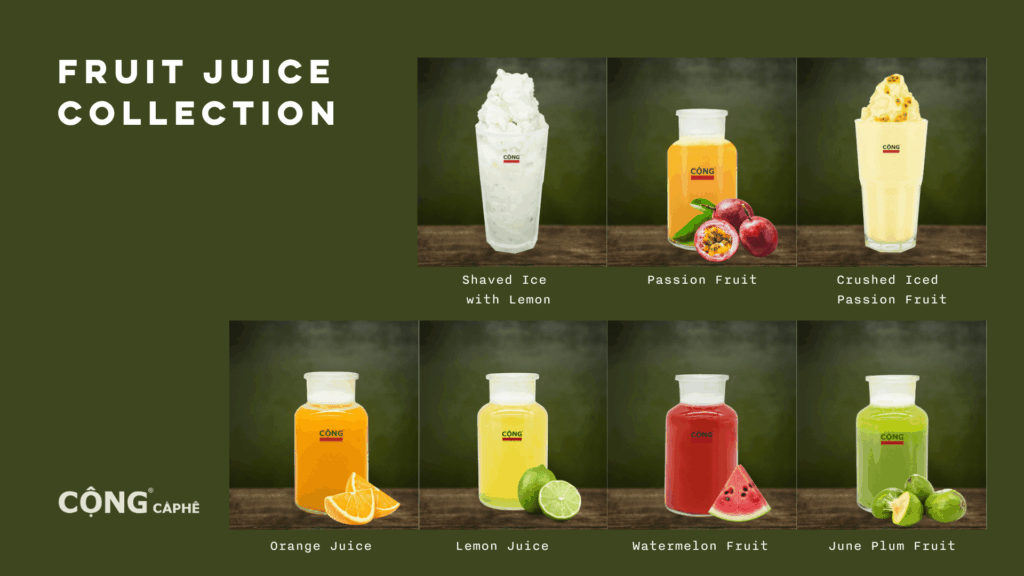
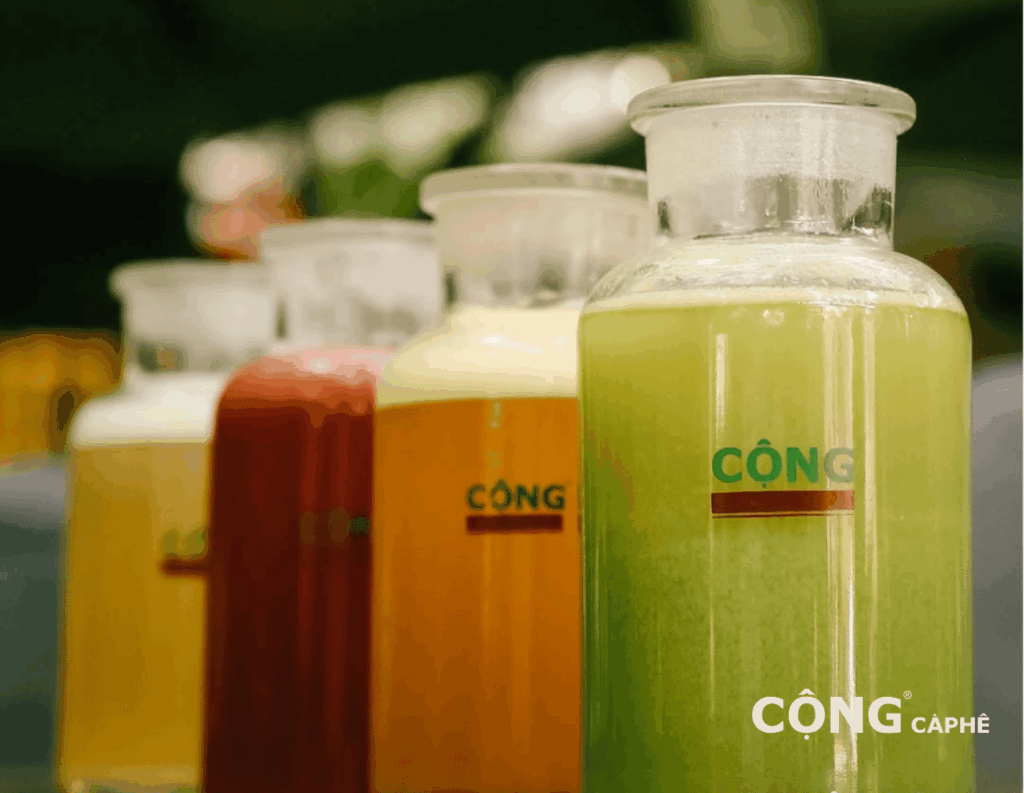
    Shaved Ice with Lemon (recommended)

    The simplest drink on the menu is often the best place to start. Shaved ice packed around fresh lemon juice produces something immediately refreshing and slightly sweet. This is the kind of drink that is difficult to stop after one. 

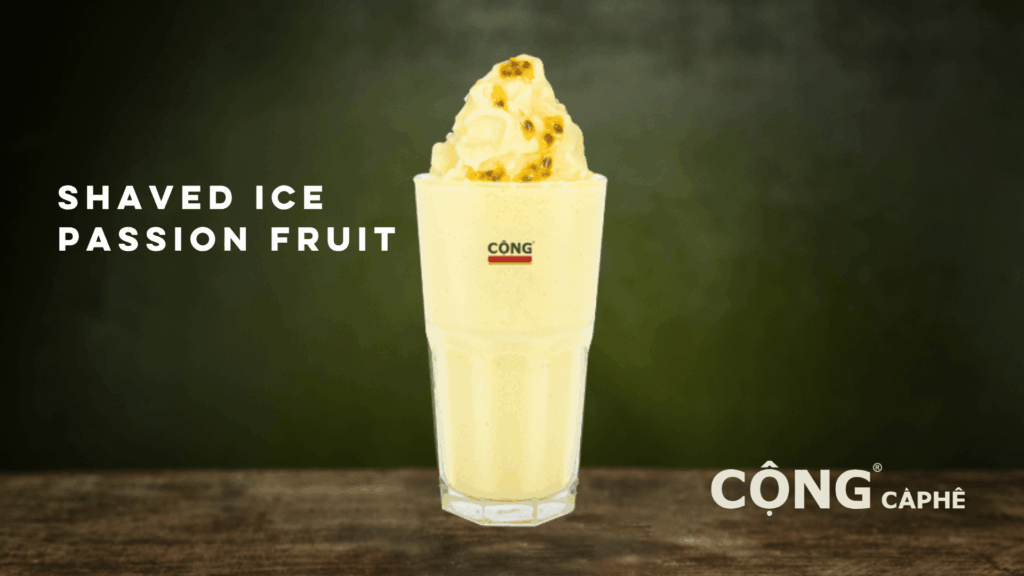
    Passion Fruit and Crushed Ice Passion Fruit

    Passion fruit has a particular status in Vietnamese fruit culture. It has long been appreciated for its bright tropical flavour, balancing sweetness with natural acidity. At Cộng, it appears in two forms: as a straightforward juice and as a crushed-ice preparation, where the fruit is worked into the ice rather than simply poured over it. The second version is richer in texture and slightly more intense in flavour. Both are worth trying; the crushed ice version lingers a little longer.

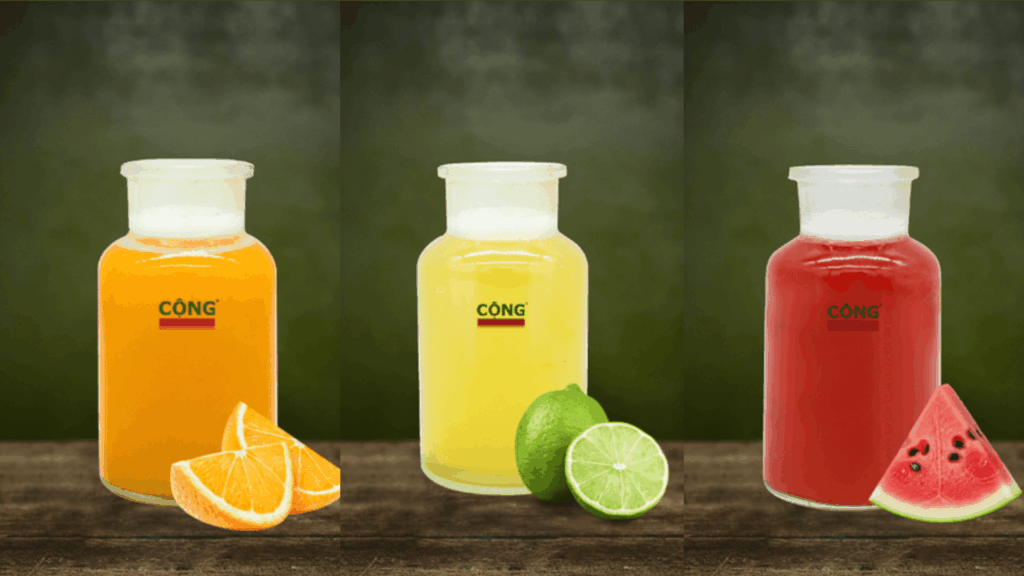
    Lemon Juice, Watermelon Juice, and Orange Juice

    These three speak for themselves, which is precisely their appeal. Watermelon juice is one of Vietnam’s great summer drinks which is slightly sweet and so hydrating that it barely feels like an indulgence. Lemon juice, here as a standalone rather than paired with shaved ice, is sharper and more direct. Orange Juice remains one of the most recognisable fruit drinks in the world. Fresh, citrusy, and easy to enjoy, it offers familiarity while still feeling refreshing.

    Each of these is made to order rather than prepared in advance, which is the detail that matters most.

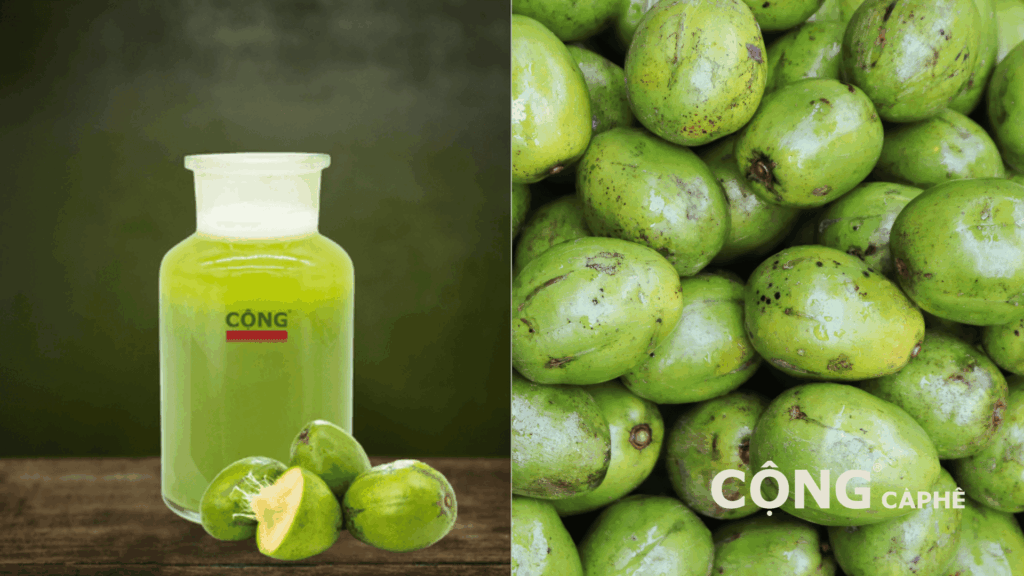
    Nước Ép Cóc – June Plum Juice

    For those curious about trying something less familiar, June Plum Juice offers an unexpected experience. Cóc, called june plum in English, is a green tropical fruit with a tart, astringent quality and a faint sweetness that only reveals itself slowly. It is common across Vietnam, eaten as a street snack with salt and chilli, or pressed into juice that is unmistakably its own thing. 

    There is nothing quite like it in the European fruit repertoire, which makes nước ép cóc one of the more genuinely surprising drinks available at Cộng’s Paris location. If you are looking for a single reason to step outside your usual order, this is it.

    Drinking at Cộng: The Full Experience

    Cộng Cà Phê was founded in Hanoi in 2007, drawing its aesthetic from the subsidy period of the 1970s and 1980s, when Vietnamese daily life had a particular texture of scarcity and resourcefulness. The interiors reference that period deliberately: worn wood, military-green tones, old photographs, enamel mugs. It is a specific kind of nostalgia, grounded in a real moment in Vietnamese history, and it gives the café a character that no amount of interior design trend-following could replicate.

    Drinking a glass of june plum or a shaved ice lemon in that setting is a different experience from drinking the same thing at a generic juice counter. The context changes the drink. At Cộng, a fruit juice is part of a larger atmosphere – one that asks you to slow down, look around, and consider that what you are holding in your hand comes from a tradition that stretches back considerably further than the café itself.

    If you are exploring fruit juice in Paris, Cộng Cà Phê is worth adding to your list, especially if you are looking for something beyond the usual options. The full fruit juice menu is available at Cộng Cà Phê France, 18 Rue Volney, 75001 Paris. Explore the menu and plan your visit at congcaphe.fr.

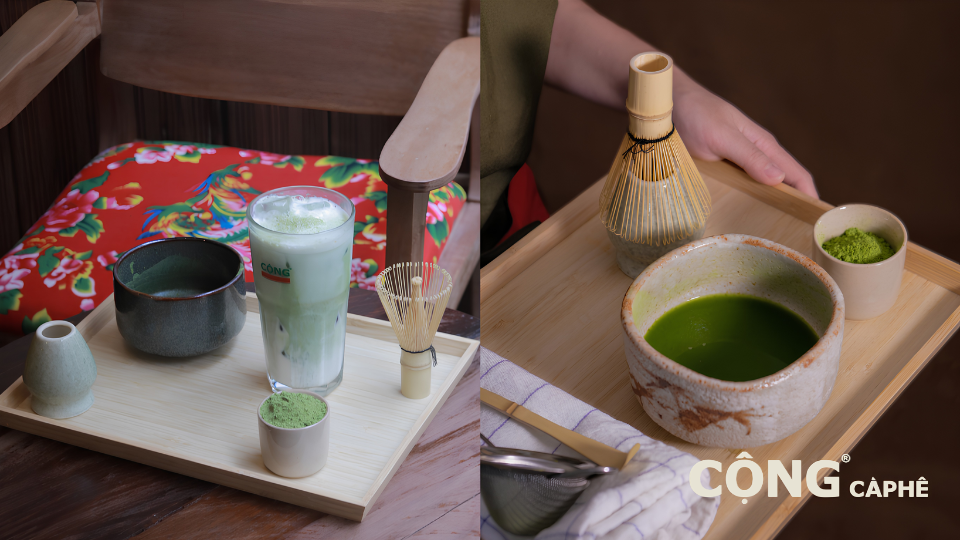
  • Pure Matcha in Paris: Where to Taste It at Its Clearest

    Pure Matcha in Paris: Where to Taste It at Its Clearest

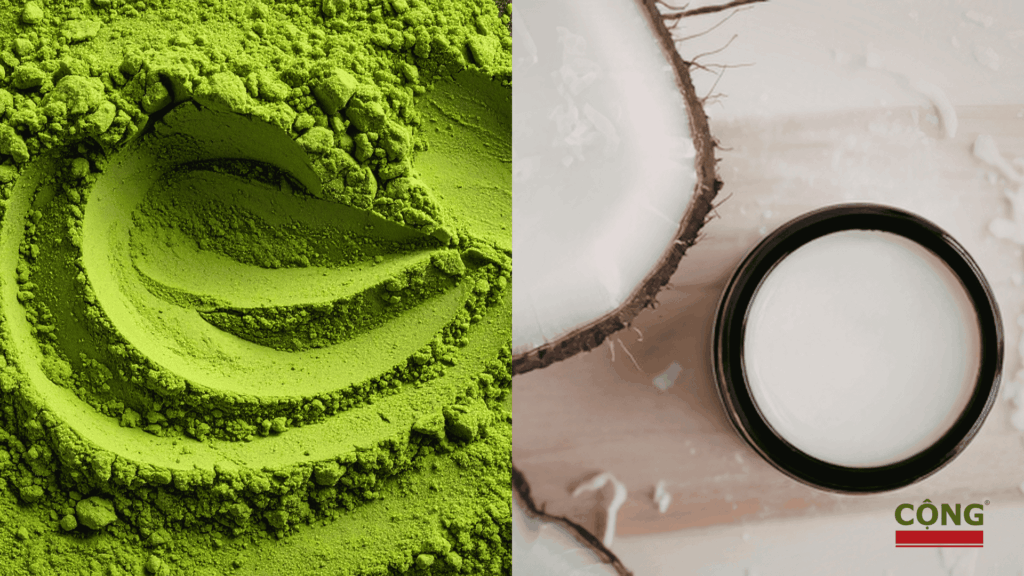
    While most people in Paris have tried matcha, far fewer have tasted it pure. Discover what sets pure matcha apart, why it matters, and where to find it in a cup worth lingering over.

    What Is Pure Matcha?

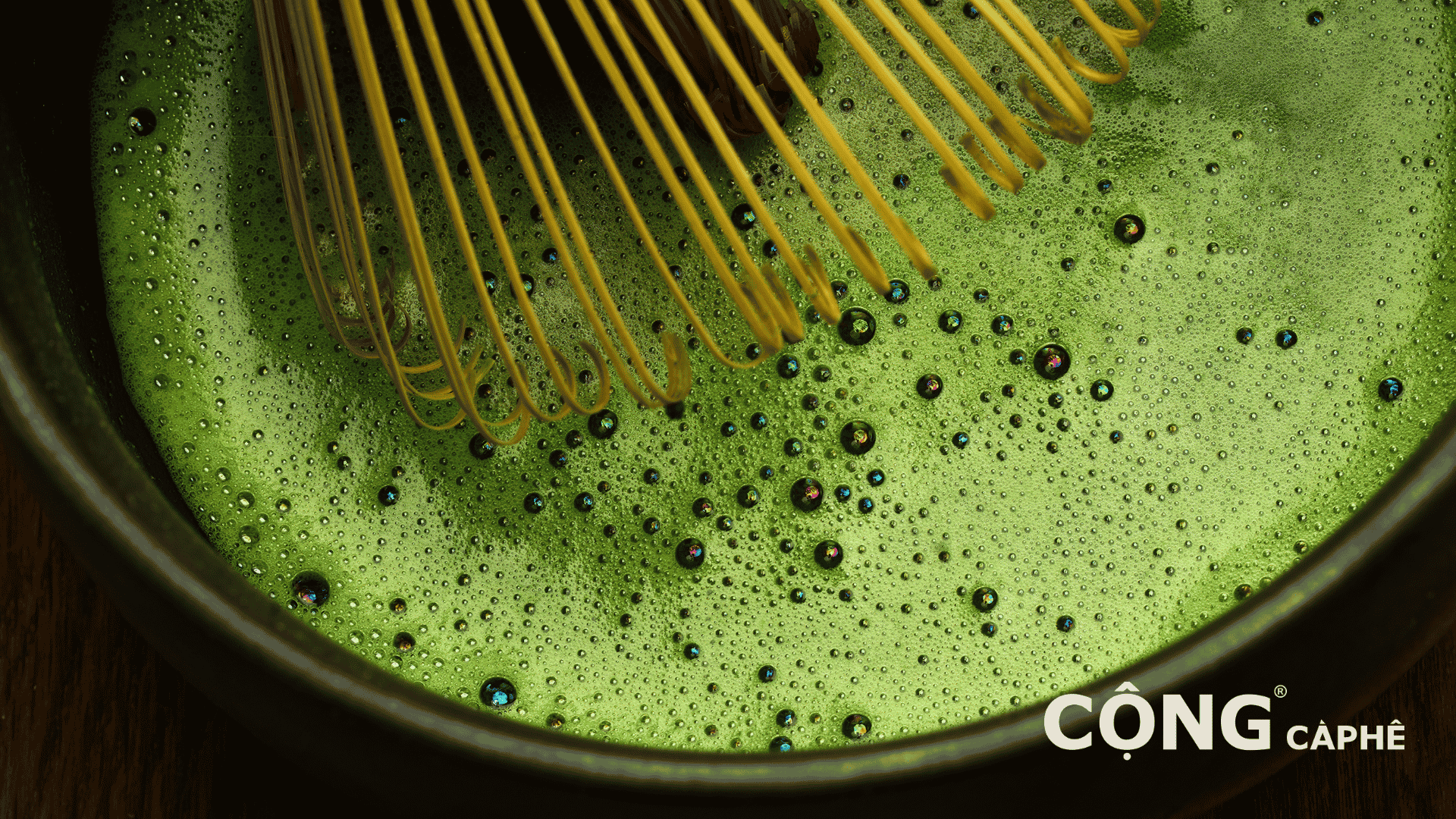
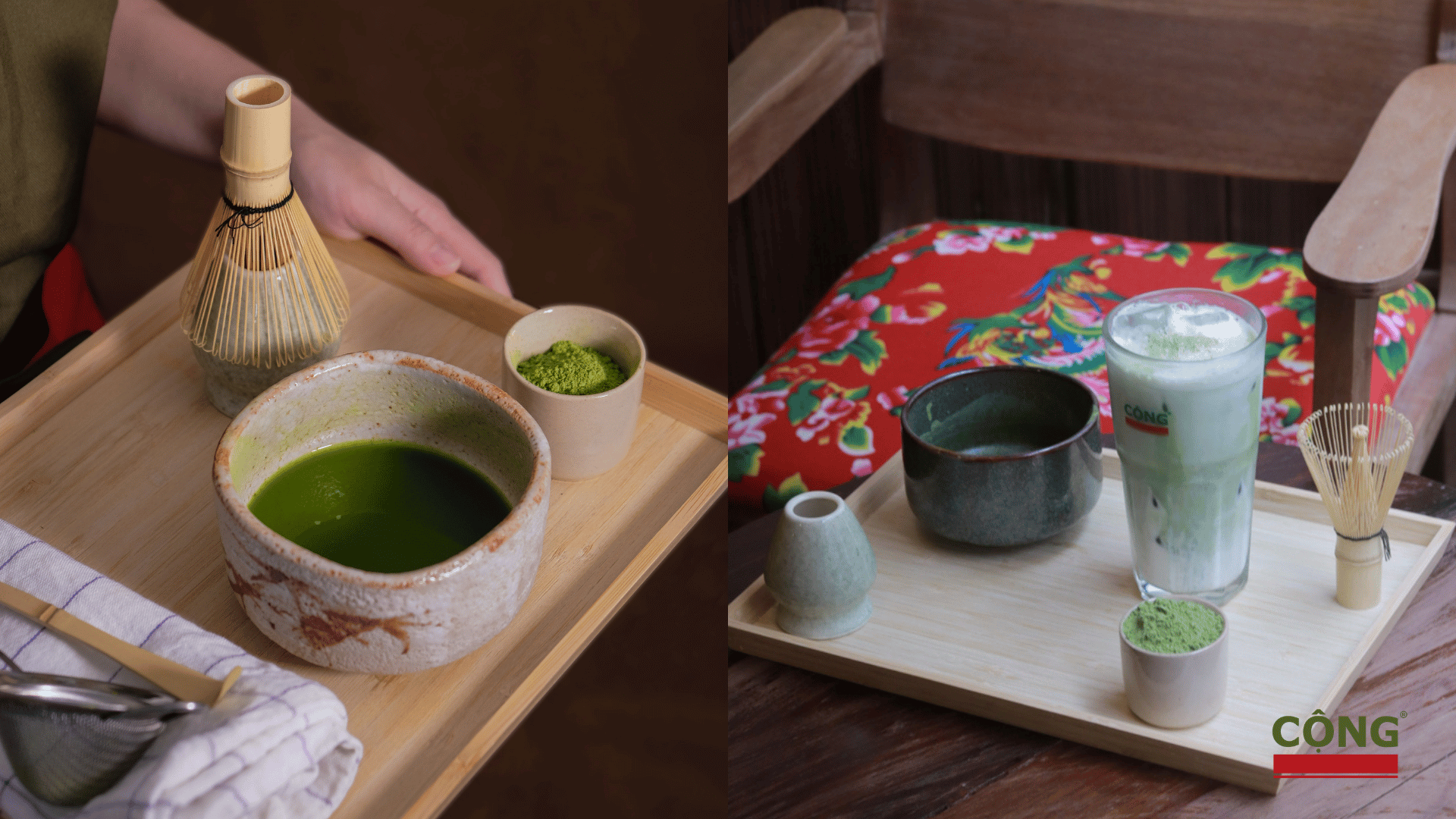
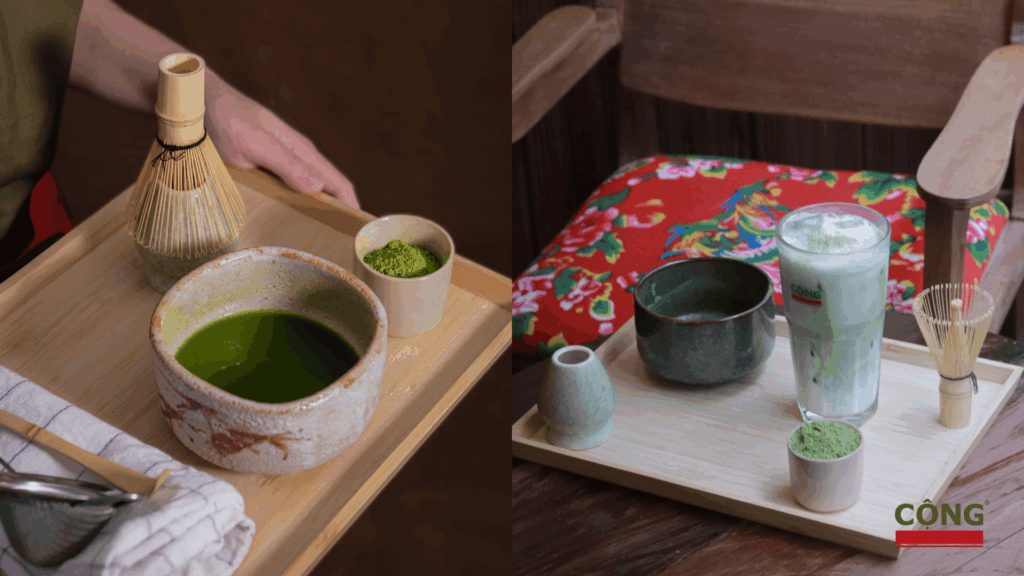
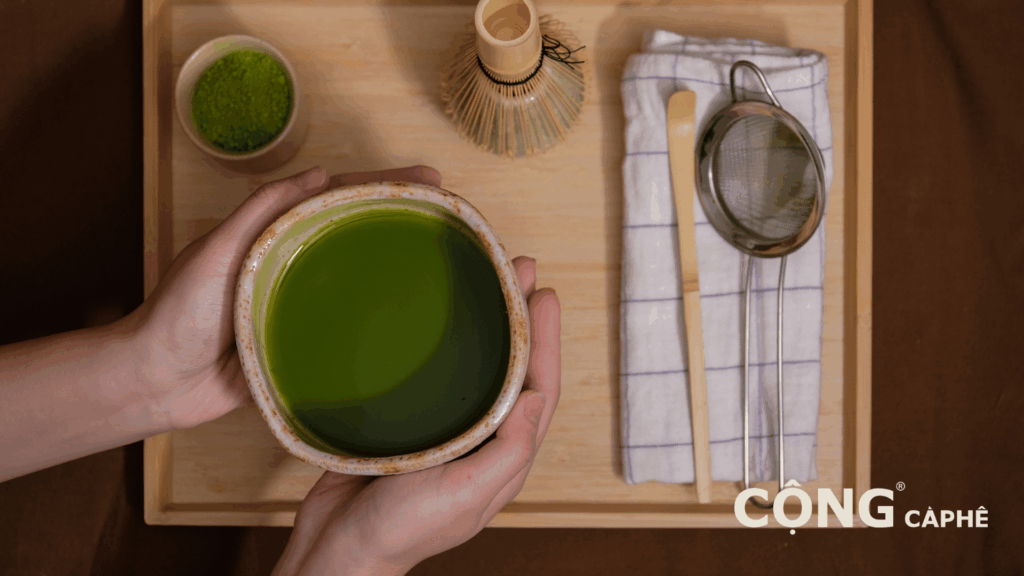
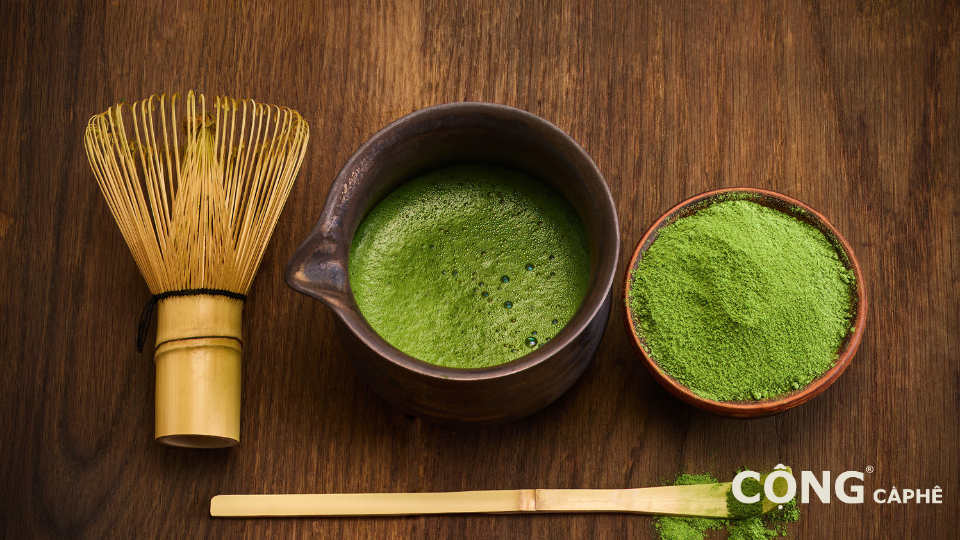
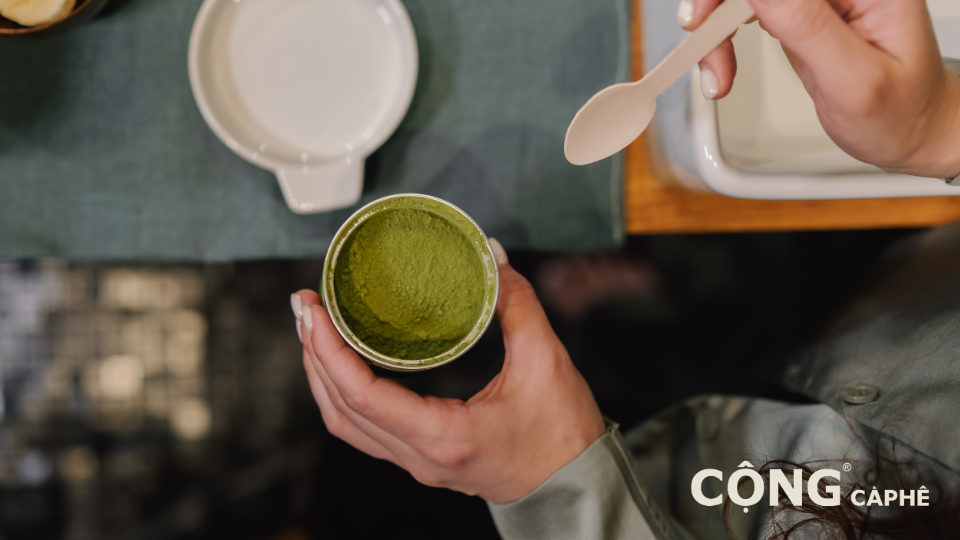
    Pure matcha is finely ground green tea powder whisked with hot water – no milk, no sweetener, no added flavour. What arrives in the cup is the tea itself: vivid, slightly viscous, with a clean bitterness that opens slowly into a lasting sweetness at the back of the palate.

    Pure matcha flavor is layered: grassy and mineral at first, then umami, then sweet. The texture has a quiet weight to it. It is a drink that rewards attention, which is precisely why it suits a slow café setting far better than a takeaway cup.

    Matcha itself traces its origins to Tang Dynasty China, where tea was ground and whisked rather than steeped. The practice was carried to Japan in the 12th century by Buddhist monks who used it to sustain concentration during long meditation sessions. That dual quality of calm alertness has defined the drink ever since.

    The Benefits of Drinking Pure Matcha

    Calm, sustained energy:  Matcha contains both caffeine and L-theanine, an amino acid that slows how the body absorbs caffeine. The result is a focused, alert feeling that builds gradually and fades without a crash, quite different from the sharp spike that coffee can produce.

    Better concentration: The combination of caffeine and L-theanine has been shown in research to improve attention and accuracy more effectively than either compound on its own. It is the quality that made matcha a staple of Zen Buddhist practice for centuries.

    A higher dose of antioxidants than brewed green tea: Because the whole leaf is ground into powder and consumed entirely, rather than steeped and discarded, matcha delivers a far more concentrated dose of catechins, the antioxidants found in green tea. The most studied of these, EGCG, is associated with anti-inflammatory and cardiovascular benefits.

    Where to Have Pure Matcha?

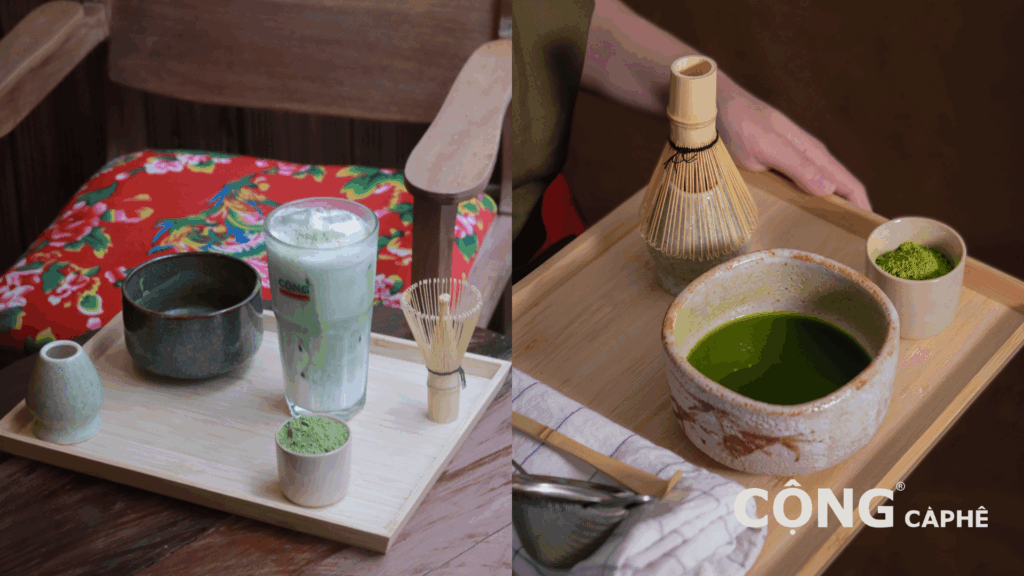
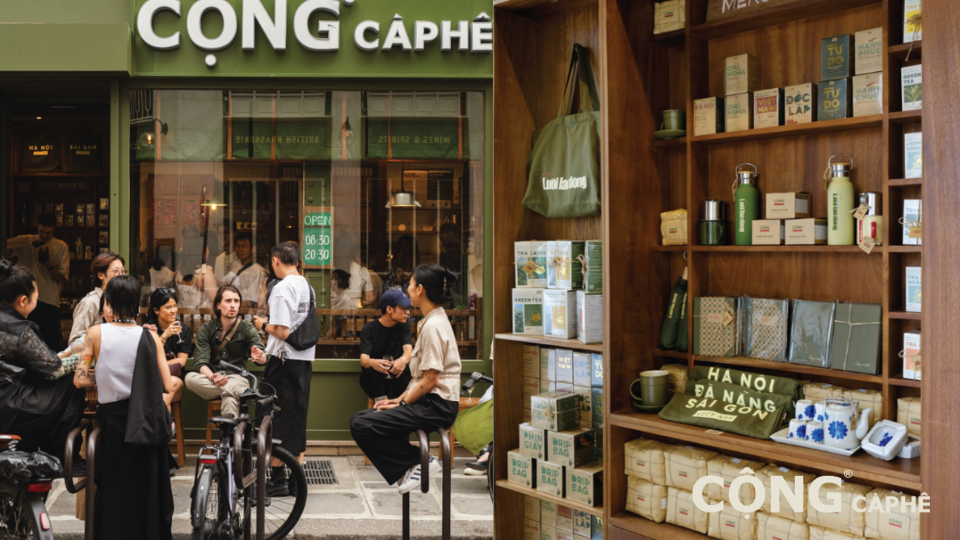
    Cộng Cà Phê is a Vietnamese café brand rooted in the aesthetic of Hanoi’s 1980s era which gave Vietnamese daily life a particular texture: honest, unhurried, built around small rituals. The brand’s first European location opened at 18 Rue Volney in the 1st arrondissement of Paris. The setting does something particular for a drink like Pure Matcha. Cộng Cà Phê’s interior, with its worn textures, vintage objects, and unhurried pace, is designed for people who want to stay rather than pass through. 

    Pure matcha, which asks you to slow down and pay attention, finds its natural context here. It is not a drink for the counter. It is a drink for a table, a quiet hour, and somewhere that does not rush you through it. For anyone who has only encountered matcha as a green addition to a milk drink, this is a different experience entirely.

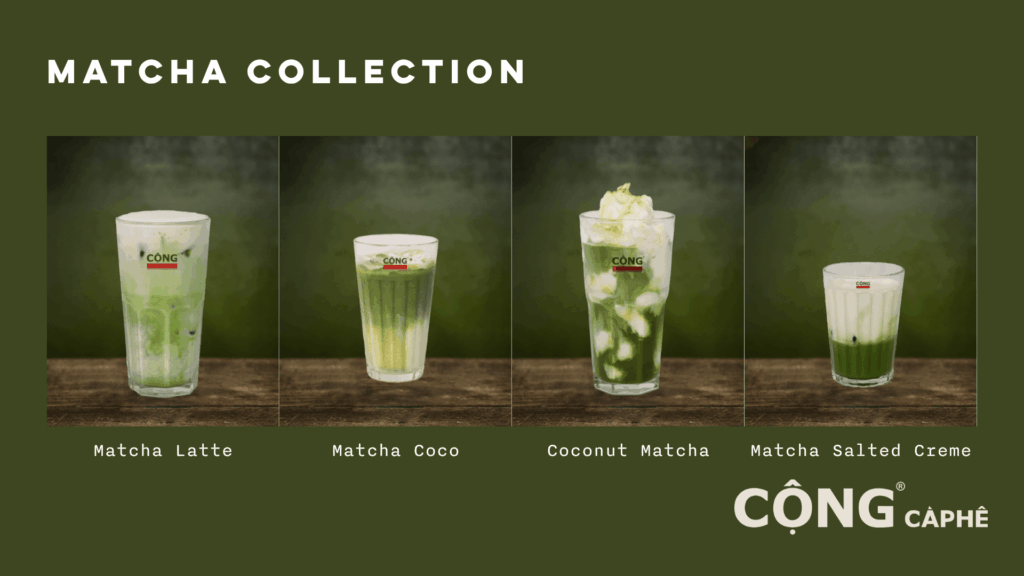
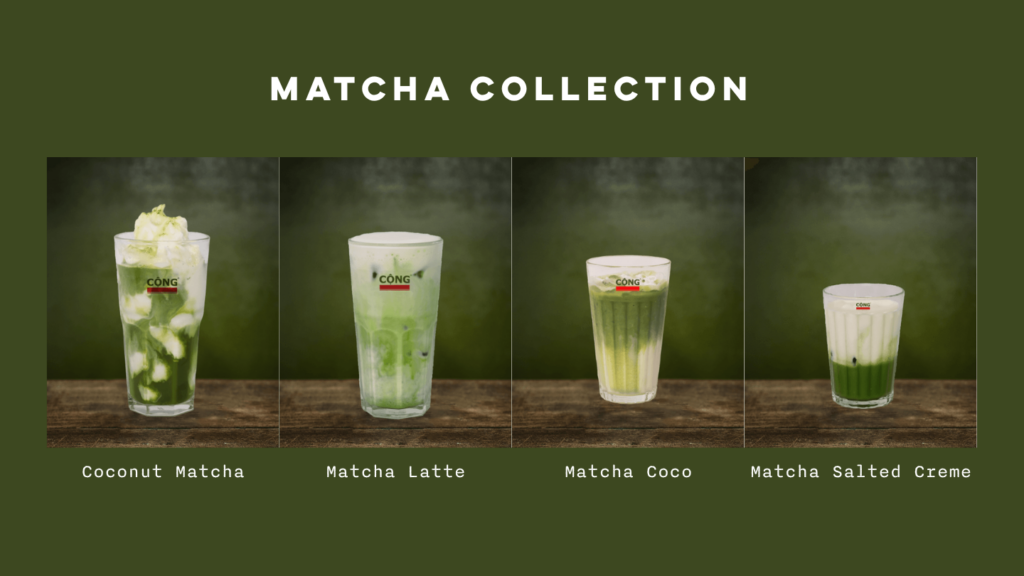
    Matcha Collection at Cộng Cà Phê Paris

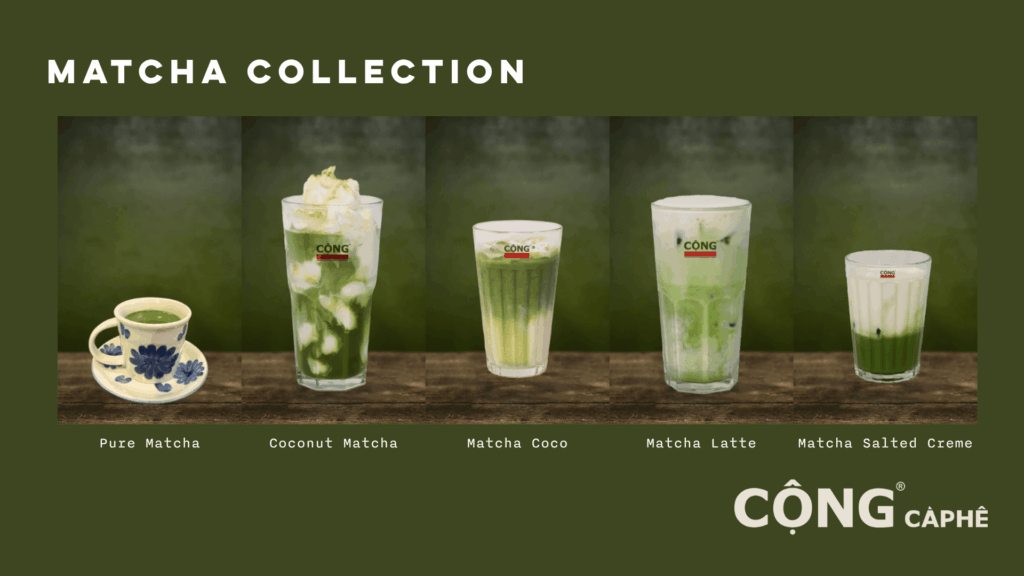
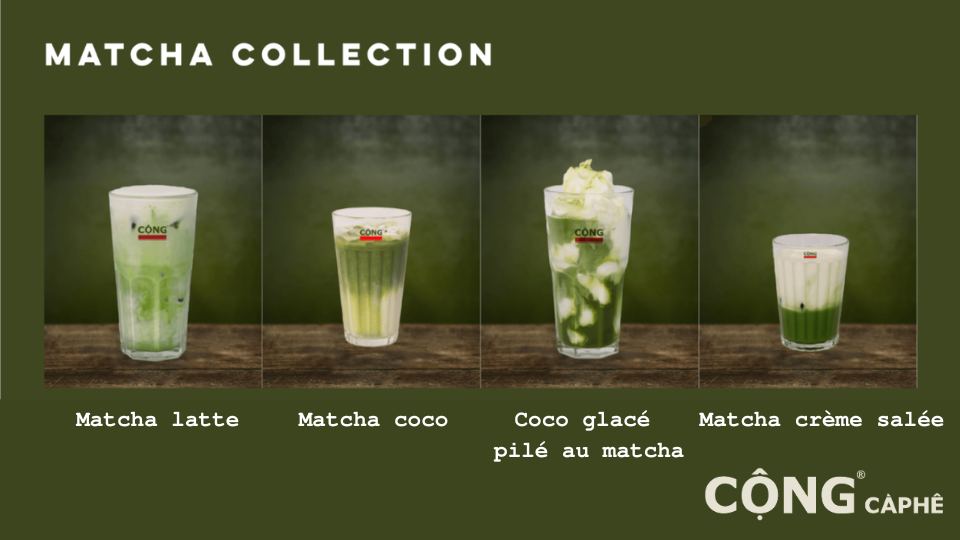
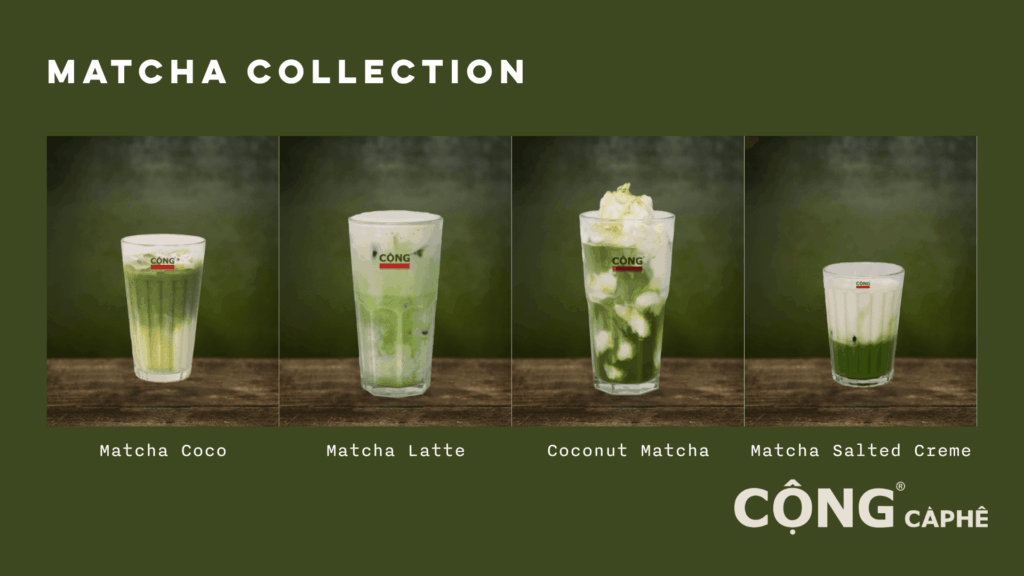
    Matcha sits within a broader matcha offering at Cộng Cà Phê, each drink built around a different way of experiencing the ingredient.

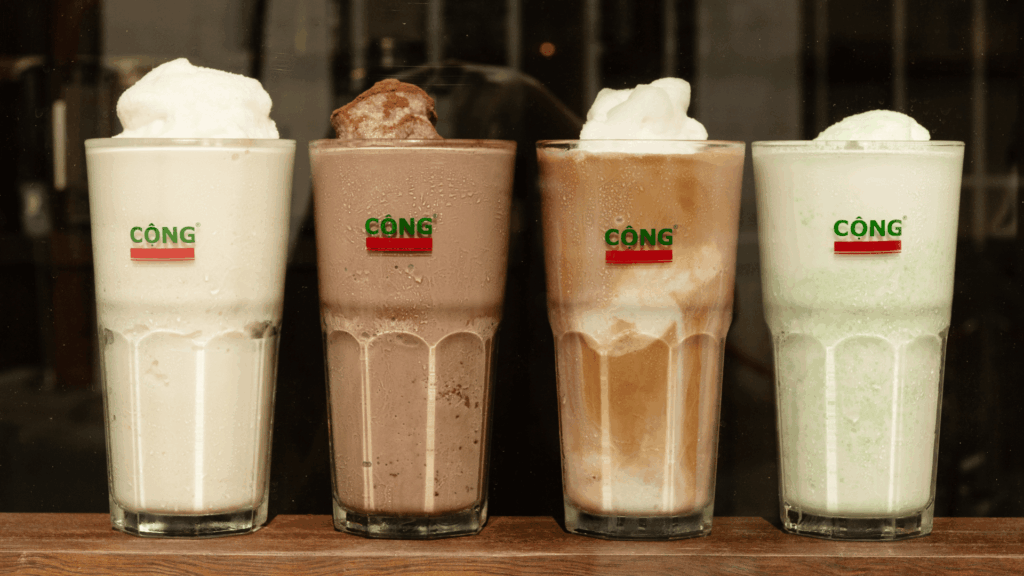
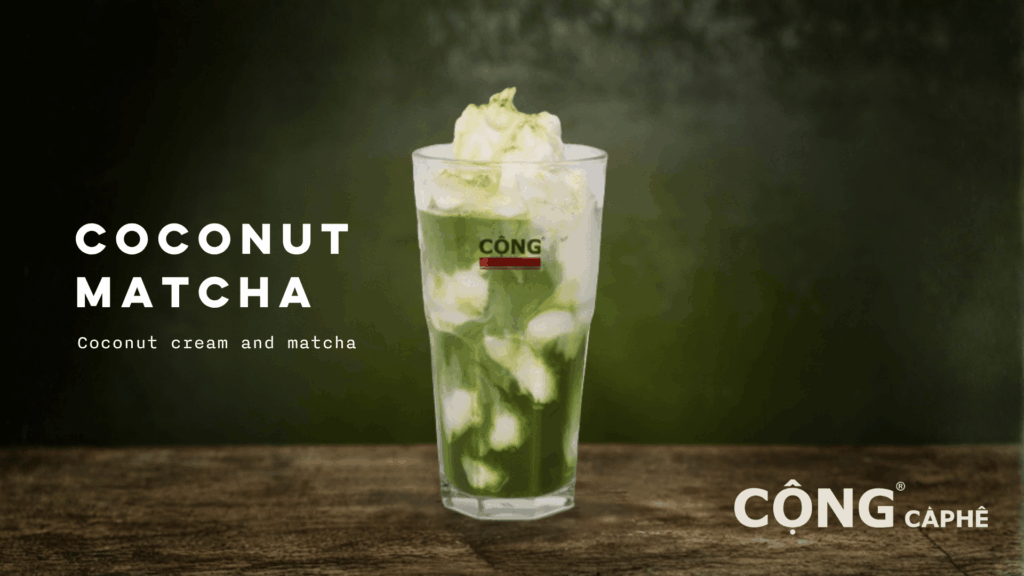
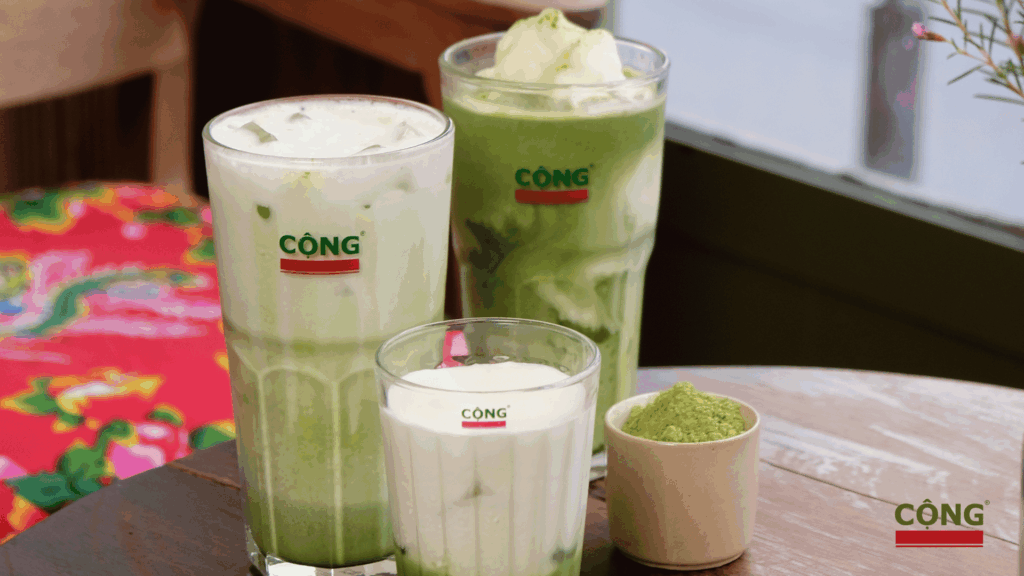
    Coconut Matcha is the iced version: a blended coconut matcha smoothie, cold and textured, closer in format to the brand’s signature cà phê cốt dừa (coconut coffee) than to a traditional matcha preparation. It suits warm days and first-time matcha drinkers in equal measure.

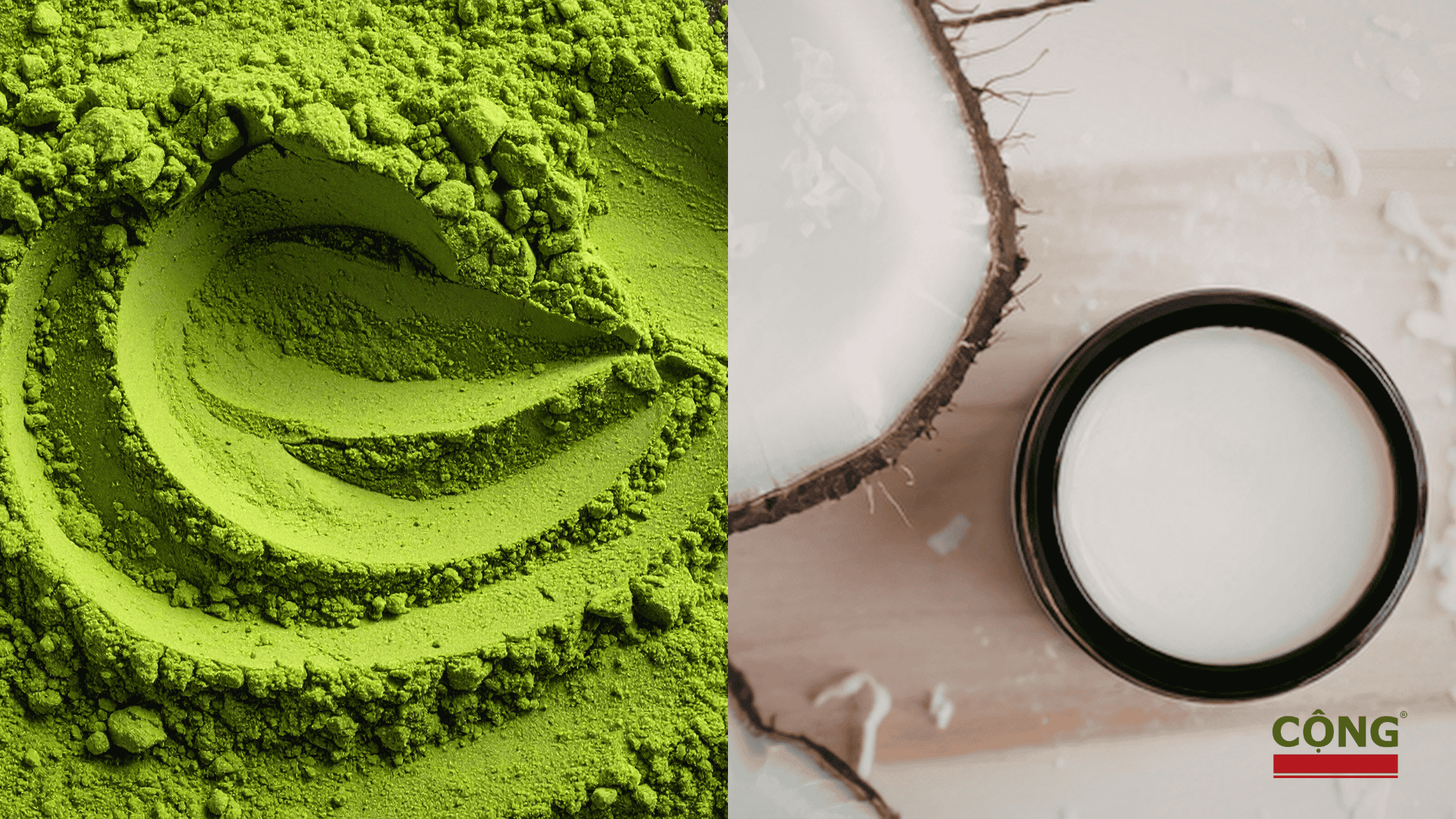
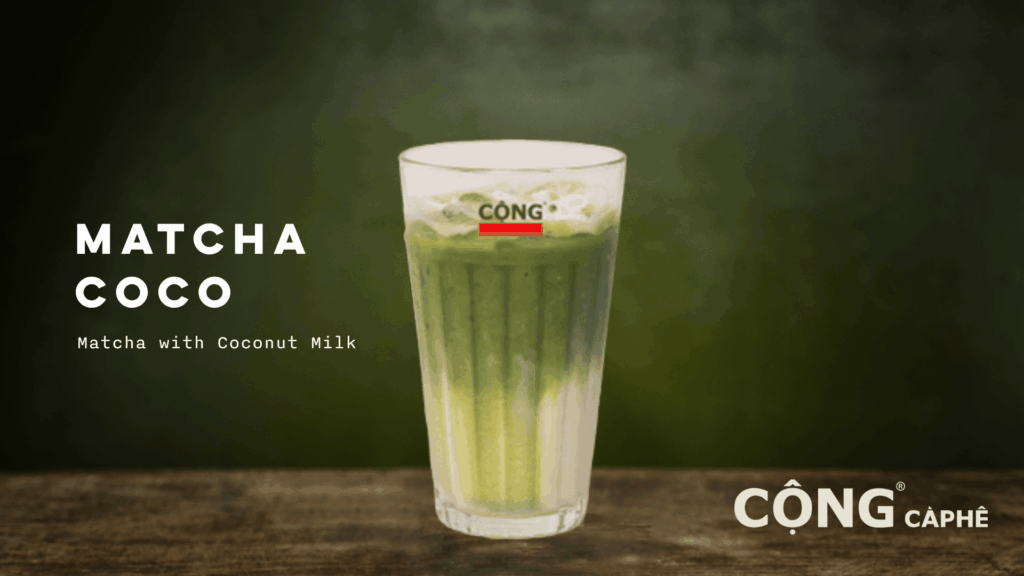
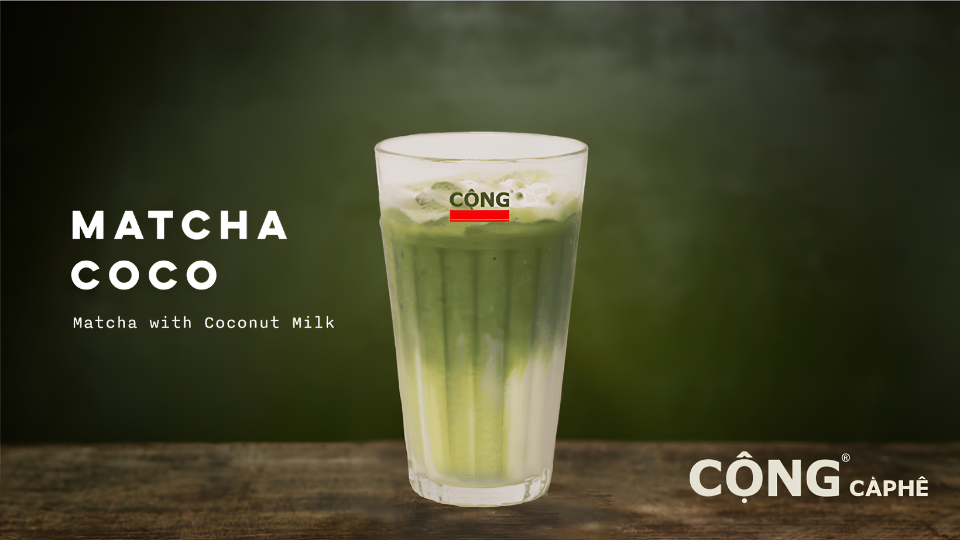
    Matcha Coco pairs matcha with coconut milk, a combination that draws on Vietnamese café culture’s long relationship with coconut as a modifier. The coconut softens the bitterness and adds a natural sweetness that makes the drink approachable without becoming cloying.

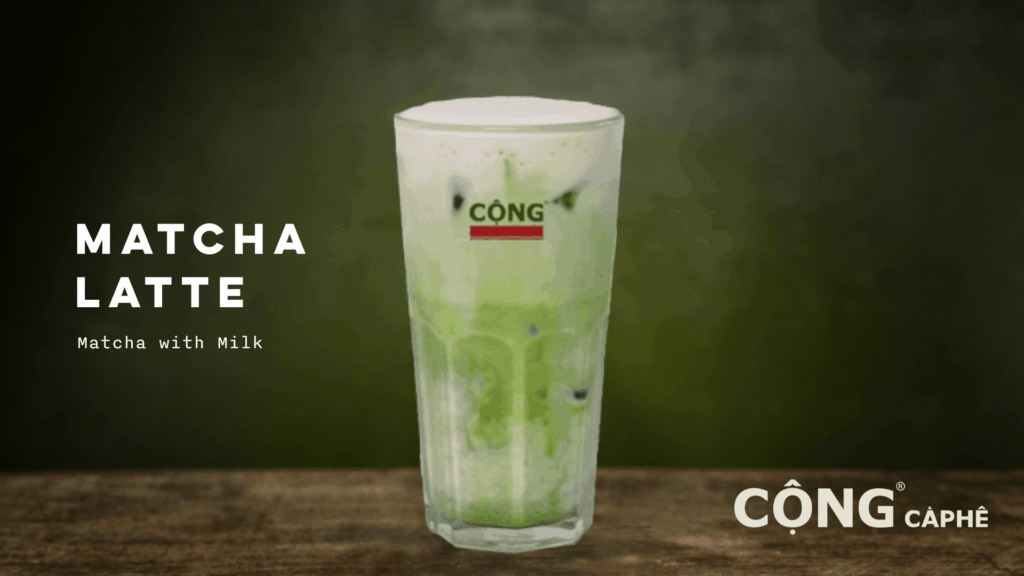
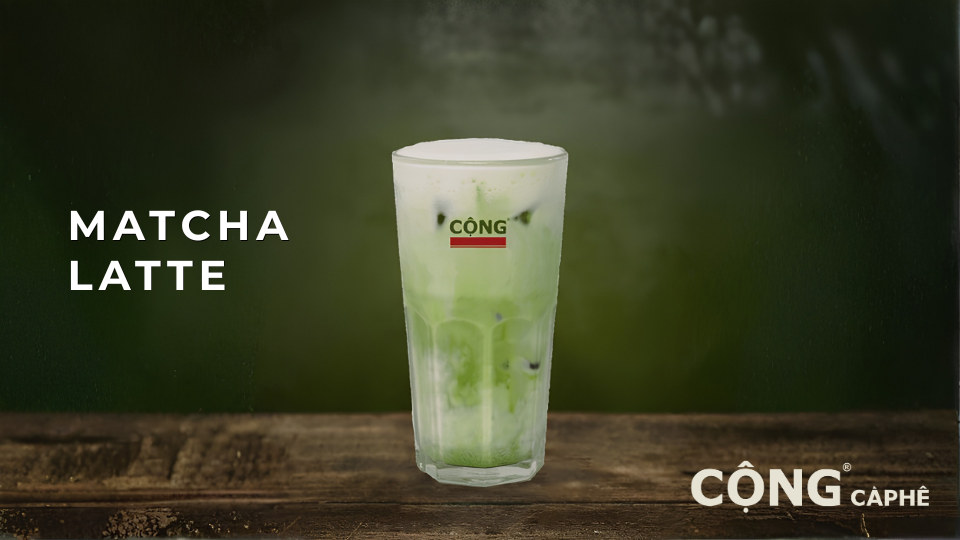
    Matcha Latte is the classic introduction to matcha, here made with steamed milk and a considered matcha-to-milk ratio. 

    Matcha Salted Cream takes the drink somewhere more unexpected: matcha beneath a layer of lightly salted cream, a contrast of bitter, sweet, and saline that rewards drinking from the bottom up without mixing.

    Each drink in the collection offers a different entry point. Pure matcha is simply the clearest one.

    Frequently Asked Questions

    What is the difference between pure matcha and matcha latte? Pure matcha is whisked matcha powder and hot water, nothing added. A matcha latte adds steamed milk, which softens the bitterness but also dilutes the flavour and changes the texture significantly.

    Does pure matcha have more caffeine than coffee? A standard serving of matcha contains roughly 60 to 80 mg of caffeine, compared to approximately 80 to 100 mg in a standard espresso. The difference is less in quantity and more in how the caffeine is experienced: L-theanine in matcha produces a slower, more sustained release without the sharp peak associated with coffee.

    Is pure matcha available at Cộng Cà Phê Paris? Yes. Pure matcha is served at Cộng Cà Phê’s Paris location at 18 Rue Volney, 75001, alongside the full matcha collection and the brand’s Vietnamese phin filter coffee menu.
    Is matcha gluten-free? Pure matcha powder is naturally gluten-free. If you have a specific intolerance, it is always worth confirming with the team at the café.

    Can I visit Cộng Cà Phê without a reservation? Cộng Cà Phê generally welcomes walk-in guests. For group visits or specific timing, checking ahead is always a good idea.

    Pure matcha is available at Cộng Cà Phê France, 18 Rue Volney, 75001 Paris. Explore the full menu and learn more at congcaphe.fr.

  • Hanoi, Vietnam: History, Food & Drinks, and Everything You Need to Know Before Your Visit

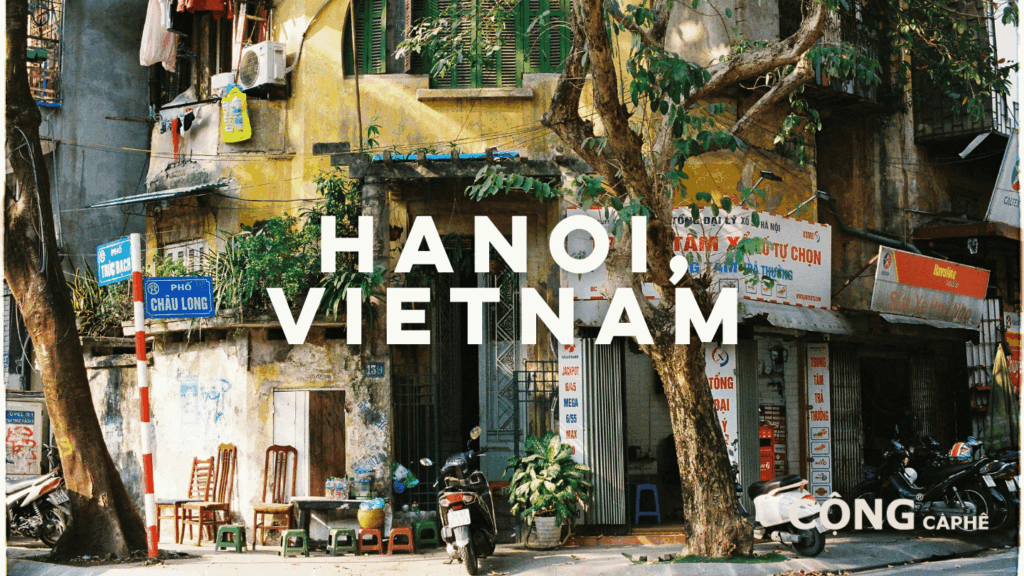
    Hanoi, Vietnam: History, Food & Drinks, and Everything You Need to Know Before Your Visit

    Hanoi is one of Southeast Asia’s most layered cities, a place where thousand-year-old temples share streets with French colonial architecture and some of the world’s finest street food and drinks. Here is what you need to know before you go, and how to bring a piece of it back to Paris.

    A City Built on a Thousand Years of History

    Hanoi became the capital of Vietnam in 1010, when Emperor Lý Thái Tổ moved the imperial seat to a bend in the Red River and named it Thăng Long, meaning “Ascending Dragon.” Over the thousand years that followed, the city weathered wars, natural disasters, and successive administrations, growing slowly from swamplands into the layered, charismatic capital it is today.

    For travelers, that history is not merely background. It is present in the architecture, the food, and the rhythm of daily life in a way that few Asian capitals can match. Hanoi rewards curiosity: whether you come for world-class street food, deeply rooted cultural traditions, affordable exploration, or as a gateway to the breathtaking natural landscapes of Northern Vietnam, the city tends to give back more than you expect.

    The sections below cover the essential Hanoi: its most iconic destinations, the dishes and drinks worth seeking out, the best time to visit, and, for those who want to experience the city’s coffee culture without leaving Paris, where to find it.

    Hanoi’s Most Famous Destinations

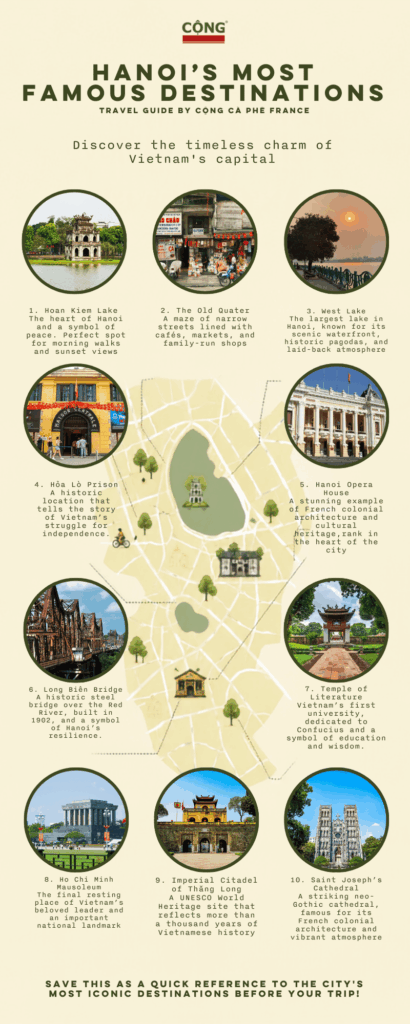
    For many visitors, Hanoi is defined as much by its atmosphere as by its landmarks. The city’s most iconic destinations offer a glimpse into its layered history, vibrant street life, and enduring traditions.

    Hoàn Kiếm Lake – The symbolic heart of Hanoi, where locals gather to exercise, stroll, and enjoy the city’s slower pace, especially in the early morning and at sunset.

    The Old Quarter – A maze of narrow streets lined with cafés, markets, and family-run shops. It remains the best place to experience Hanoi’s bustling street culture and traditional cuisine.

    West Lake is the largest lake in Hanoi, known for its scenic waterfront, historic pagodas, and laid-back atmosphere, making it a popular escape from the busy city centre.

    Historical Sites – Hanoi is home to many important cultural landmarks, including the Temple of Literature, the former Hỏa Lò Prison, and the Imperial Citadel of Thăng Long. Together, they tell the story of Vietnam’s scholarly heritage, colonial past, and more than a thousand years of history.

    Whether you’re visiting Hanoi for two days or a full week, these landmarks deserve a place on your journey. Save the infographic below as a quick reference to the city’s most iconic destinations before your trip.

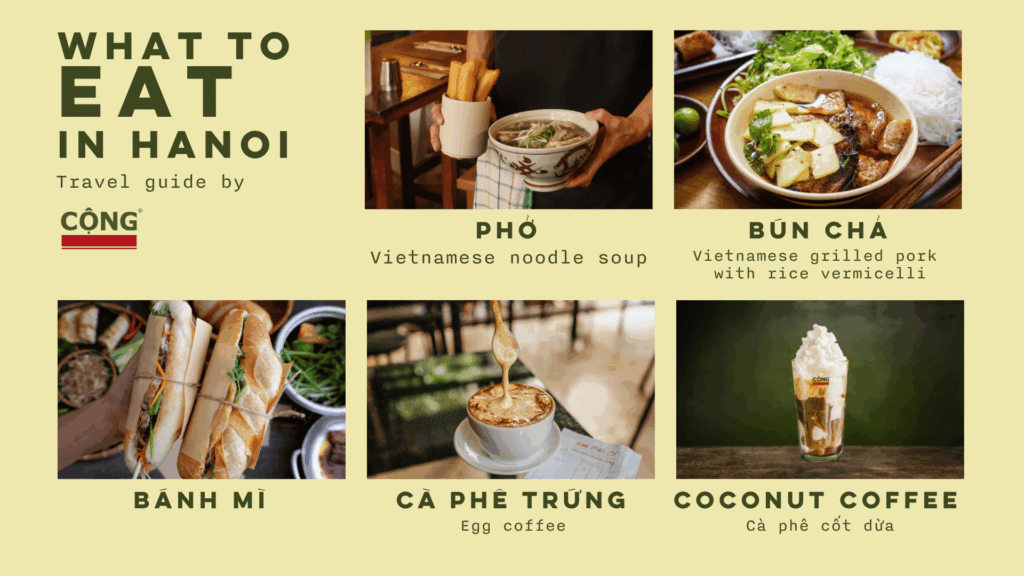
    What to Eat in Hanoi

    Hanoi’s culinary identity is built around dishes that are simple in appearance yet deeply rooted in daily life. From early-morning breakfasts to late-night snacks, these are some of the foods every visitor should try.

    Phở (Vietnamese noodle soup)The city’s most iconic dish, phở consists of rice noodles served in a fragrant broth simmered for many hours and topped with beef or chicken. Many Hanoians enjoy it with crispy fried dough stick (quẩy) or a soft-boiled egg for an even heartier meal.

    Bún Chả (Vietnamese grilled pork with rice vermicelli) Made famous internationally after President Obama shared a meal of bún chả in Hanoi, this dish combines grilled pork, rice vermicelli, fresh herbs, and a sweet-savoury dipping sauce. It is typically eaten at lunch and remains one of the capital’s most beloved specialties.

    Bánh Mì – Vietnam’s take on the sandwich features a crisp baguette filled with pâté, grilled meats, fried eggs, pickled vegetables, herbs, and chilli. It is a popular breakfast and street food option, often enjoyed alongside a cup of Vietnamese coffee.

    Egg Coffee (Cà phê trứng)Invented in Hanoi in the 1940s, egg coffee is made by whisking egg yolk with condensed milk into a velvety cream that sits atop strong Vietnamese coffee. Rich, aromatic, and surprisingly light, it has become one of the city’s most distinctive drinks.

    Coconut Coffee (Cà phê cốt dừa) – One of the most popular modern drinks in Vietnamese coffee culture, combining the bold flavor of traditional Vietnamese coffee with a smooth, creamy coconut blend. Originally inspired by tropical ingredients and local café innovation, it has become a favorite among both locals and international visitors.

    The Best Time to Visit Hanoi

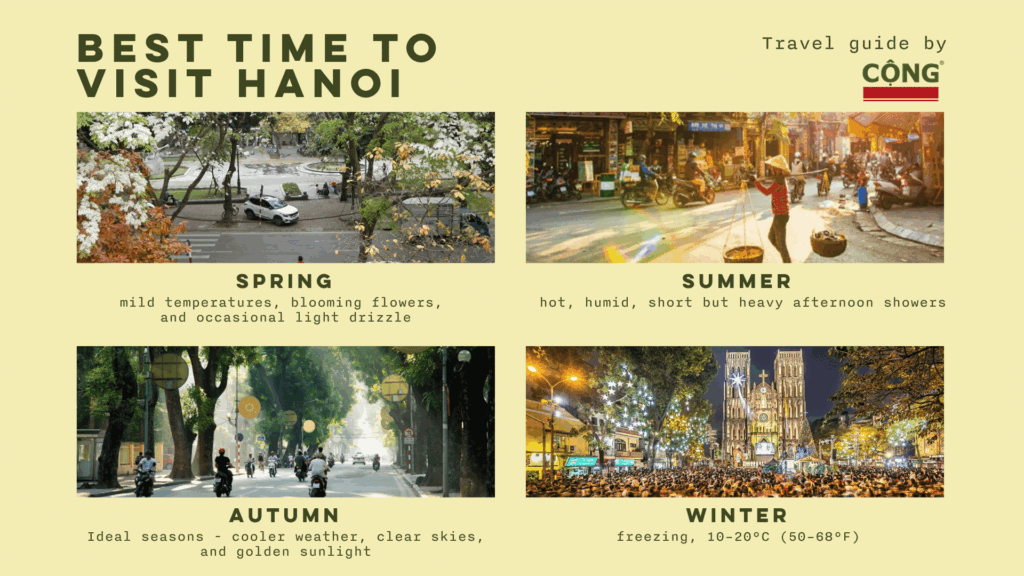
    Hanoi experiences four distinct seasons, each offering a different perspective on the city. The best time to visit depends on what you hope to experience, but autumn (September to November) is widely considered the most pleasant. 

    Spring brings mild temperatures, blooming flowers, and occasional light drizzle. Parks and lakes become particularly picturesque, making it an excellent season for walking through the Old Quarter or enjoying outdoor cafés.

    Hanoi’s summers are hot, humid, and often interrupted by short but heavy afternoon showers. While temperatures can exceed 35°C (95°F), this is also the season for tropical fruits, refreshing desserts, and vibrant evening street food scenes. 

    Autumn is Hanoi at its finest. Cooler weather, clear skies, and golden sunlight make it the ideal time to explore the city’s landmarks on foot. This is also the season of cốm (green rice), a cherished Hanoi specialty, and tree-lined streets around Hoàn Kiếm Lake take on a particularly romantic atmosphere. 

    Winter in Hanoi is freezing, with temperatures typically ranging from 10–20°C (50–68°F). Misty mornings and crisp evenings create the perfect setting for warming up with a steaming bowl of phở or a rich cup of egg coffee.

    Experience Hanoi’s Coffee Culture in Paris

    For anyone who reads about Hanoi’s egg coffee and coconut coffee and wishes there were a way to taste them without booking a flight, that experience already exists in Paris. Cộng Cà Phê was founded in Hanoi in 2007 and built its identity around the city’s own coffee tradition, strong Robusta beans, slow phin brewing, and the kind of unhurried ritual that turns a coffee break into something worth lingering over.

    It is not a substitute for the Old Quarter, but for anyone who has read this far and started craving that first sip, it is the closest version of it in Paris.

    Curious to taste Hanoi’s coffee culture for yourself? Follow Cộng Cà Phê France on Instagram for a look inside the space, or visit 18 Rue Volney, 75001 Paris, to try the coconut coffee and salted egg cream collection in person.

    Frequently Asked Questions About Hanoi

    Do people speak English in Hanoi? Yes! In hotels, restaurants, and tourist areas, English is widely spoken. 

    What is the currency in Hanoi Vietnam? The Vietnamese đồng (VND). Cash is widely used, especially for street food and markets. ATMs are plentiful in Hanoi’s central districts.

    Is Hanoi or Ho Chi Minh City better for a first visit? They offer quite different experiences. Hanoi is older, quieter, and more architecturally layered. Ho Chi Minh City is faster, more commercially energetic, and more international in feel. For food, history, and atmosphere, Hanoi rewards first-time visitors who want to understand Vietnam rather than simply move through it.

    Can I find real Vietnamese coffee in Paris?
    Yes. Cộng Cà Phê in the 1st arrondissement brews with Vietnamese Robusta using the traditional phin filter method, the same approach used across Hanoi, rather than substituting in a standard espresso base.

    Is Cộng Cà Phê in Paris connected to the original Hanoi brand?
    Cộng Cà Phê was founded in Hanoi in 2007, and its Paris location carries the same coffee tradition and visual identity, drawing on the old Hanoi aesthetic that defines the brand.

  • Matcha Latte in Paris: What It Is, How It’s Made, and Where to Find It

    Matcha Latte in Paris: What It Is, How It’s Made, and Where to Find It

    Matcha Latte is one of the most searched drinks in Paris right now. Here is everything you need to know about what it tastes like, how it is made and where to find the finest version of Matcha Latte in Paris.

    What Is a Matcha Latte?

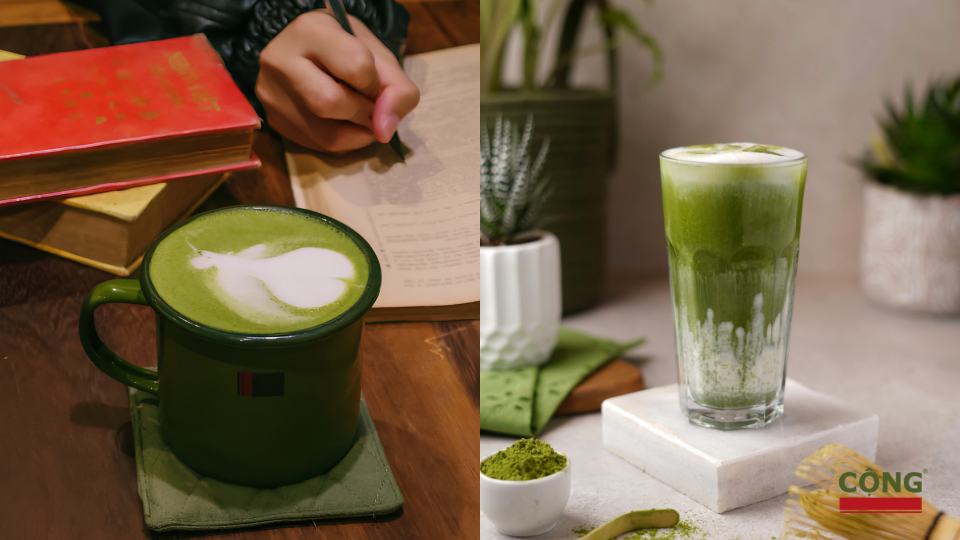
    A matcha latte is a drink made from two things: finely ground green tea powder and steamed milk. The powder is whisked directly into a small amount of hot water to form a concentrated paste, and milk (hot or cold) is added to bring it to volume and softness.

    The result is a drink that sits somewhere between a tea and a café au lait: earthy and vegetal in flavour, creamy in texture, and gently sweet without any added sugar when made well. It is naturally caffeine-containing but considerably gentler on the system than espresso, which is part of why it has found such a devoted following among people who want something warm and sustaining without the sharp edge of coffee.

    Is Matcha Latte Hot or Cold?

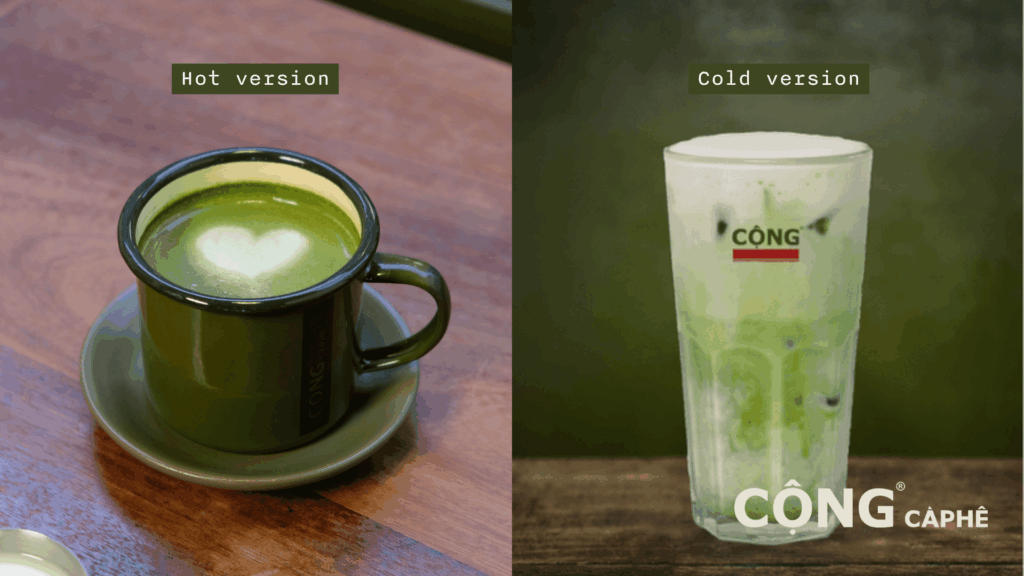
    Hot matcha latte is the classic. The warmth draws out the full fragrance of the green tea and wraps around the milk in a way that feels grounding and unhurried. It is the version for slow mornings and cold afternoons.

    Iced matcha latte has become, arguably, even more popular in Paris — particularly through warmer months. The matcha paste is whisked with a small amount of warm water, then poured over cold milk and ice. The contrast between the intense green layer and the pale milk beneath, before they are stirred, has made this one of the most photographed drinks on café terraces across the city.

    The Taste of a Matcha Latte

    If you have never tasted a matcha latte before, the closest comparison is this: imagine a green tea, but with all its sharp edges smoothed out by milk, and a natural sweetness that emerges when the powder is of good quality and properly prepared.

    The dominant note is umami – a savoury, almost marine depth that is characteristic of high-quality Japanese green tea. Around it, depending on the milk and the ratio, you will find a gentle creaminess, a slight grassiness, and if the matcha is ceremonial grade, something almost floral at the finish.

    What it is not: bitter. A bitter matcha latte is a sign that either the powder is low-grade, the water was too hot, or the ratio of matcha to milk is off. A well-made version should feel smooth from start to finish.

    How to Make a Matcha Latte at Home

    If a good matcha latte has inspired you to try making one at home, the good news is that the process is fairly simple.

    Ingredients (1 serving)

    • 1–2 teaspoons ceremonial-grade matcha powder
    • 60 ml hot water (80°C, not boiling, which scorches the matcha)
    • 200 ml whole milk or oat milk
    • Optional: a teaspoon of condensed milk for sweetness

    Step-by-Step Method

    Step 1. Sift the matcha powder into a small bowl or glass. Sifting breaks up any clumps and ensures a smooth result.

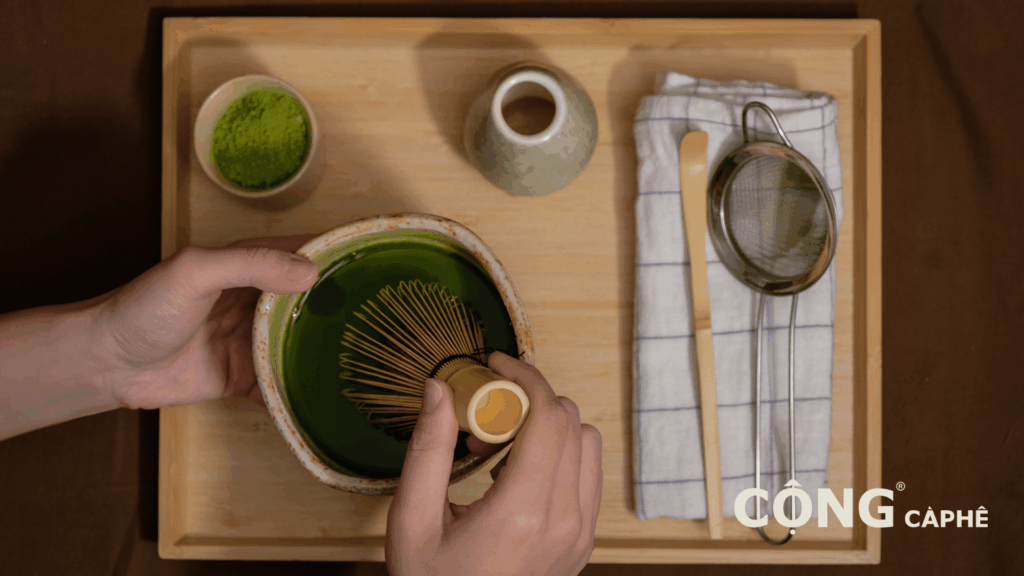
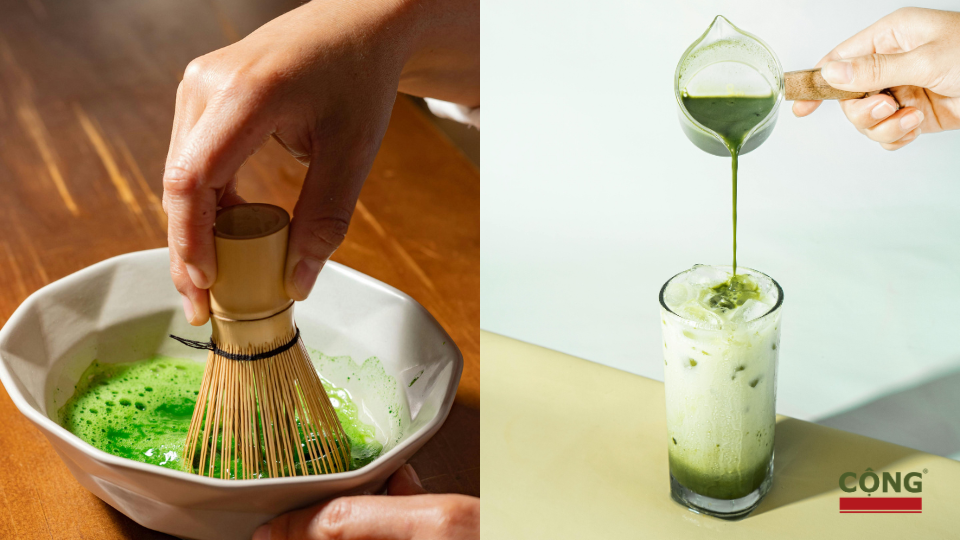
    Step 2. Add the hot water and use bamboo whisk (chasen) to whisk until the powder is fully dissolved and a light foam appears on the surface.

    Step 3. For a hot latte: steam or gently heat the milk, then pour matcha paste over. Stir to combine. For an iced latte: pour the matcha paste directly into a glass filled with ice and cold milk. Stir and drink immediately.

    Step 4. If you want the Vietnamese approach, add half a teaspoon of sweetened condensed milk at the end and stir.

    Where to Drink a Matcha Latte in Paris – Cộng Cà Phê

    In a city with no shortage of matcha lattes, Cộng Cà Phê offers something most café menus in Paris cannot: a setting and a story that make the drink feel like it belongs somewhere specific.

    The café is located at 18 Rue Volney, in the 1st arrondissement, open every day from 8:30 to 20:30. The interior draws its aesthetic from the neighbourhood shops and communal spaces of Hanoi in the 1980s – an era defined by a particular kind of resourceful warmth, where nothing was wasted and everything was made personal.

    The matcha latte at Cộng Cà Phê is served in the Vietnamese style: attentive to texture, generous in character, and shaped by the understanding that a drink should have a point of view. Whether you order it hot or iced, you are getting something made with the café’s approach to balance.

    Looking for a matcha latte in Paris? Visit Cộng Cà Phê and experience a refreshing take on this café favorite, thoughtfully prepared in a space inspired by Vietnamese coffee culture. Open 7 days a week, 8:30 to 20:30. For the full menu and café information, visit congcaphe.fr.

  • Matcha Coco in Paris: What It Is and Where to Try It

    Matcha Coco in Paris: What It Is and Where to Try It

    Matcha coco has quietly become the drink of the moment in Paris. It is not a complicated drink. But it is a very good one, and like most things that catch on quickly, the version you find matters more than the name.

    Here is what goes into it, how to order it, and where the most interesting version of it lives in Paris right now.

    What Is a Matcha Coco?

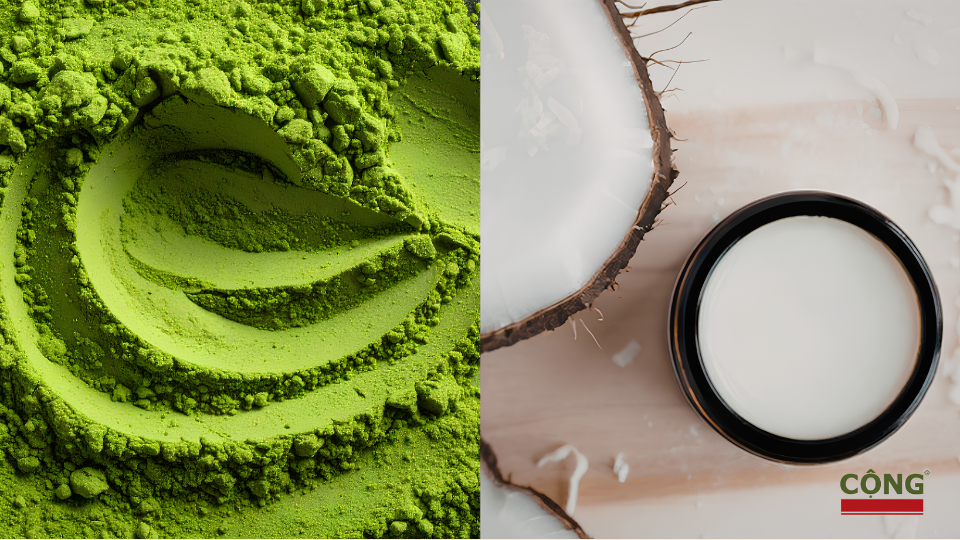
    At its simplest, matcha coco is a drink built on two ingredients: matcha and coconut milk or coconut water. The execution varies by café, however, the result is something that sits comfortably between refreshing and indulgent – bright and grassy from the tea, rich and rounded from the coconut, with a natural sweetness that requires nothing added.

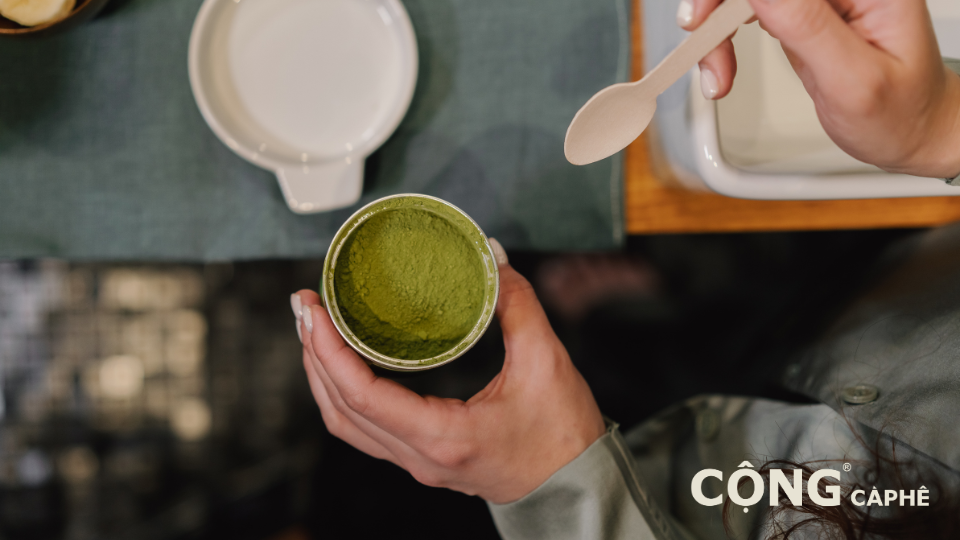
    At its core, a matcha coco begins with carefully prepared matcha, whisked with a small amount of hot water to dissolve the powder fully and create a smooth, concentrated base. Unlike brewed tea, matcha is never steeped, and the preparation process matters because rushing it often leads to bitterness or clumps that compromise the drink’s texture.

    What sits beneath the matcha layer is where cafés begin to define their own interpretation of the drink. Some choose cold coconut milk for a richer and creamier body, while others lean toward coconut water to create a lighter, more refreshing profile. In some variations, coconut cream is added to deepen the texture and amplify the natural sweetness of the coconut.

    The balance between these elements ultimately determines whether the drink succeeds. Too much coconut and the matcha disappears into a vaguely green, generically sweet drink. Too little and the bitterness has nothing to soften it. A well-balanced matcha coco keeps both elements present – the grassy depth of good green tea, the tropical fat of real coconut, neither one overwhelming the other.

    The best versions you will find in Paris treat this balance as the whole point of the drink rather than an afterthought.

    Is Matcha Coco Hot or Cold?

    The honest answer is that matcha coco was designed to be cold.

    Although matcha coco can technically be served both ways, the drink is traditionally designed to be enjoyed cold, where its texture, flavour balance, and visual contrast are at their best. While a hot version can still be enjoyable, especially for those who prefer comforting drinks, it changes the character of the experience in ways that make the original concept feel less distinctive.

    For anyone ordering matcha coco at a café known for quality preparation, the iced version is usually the better choice. Some cafés also offer a blended variation, often inspired by Vietnamese-style drinks, which transforms the experience entirely. Rather than focusing on contrast, a blended matcha coco becomes thicker, richer, and more indulgent, with concentrated sweetness

    One thing worth knowing before you order: if a café is making matcha coco with a powder blend rather than whisked ceremonial matcha, you will taste the difference. The colour may appear unnaturally bright, while the flavour can taste overly sweet or one-dimensional. A well-made version has a slightly muted, natural green colour and a depth that powdered blends cannot replicate. 

    Where to Get Matcha Coco in Paris Right Now

    Paris has absorbed the matcha coco trend quickly, which means the range of quality is considerable. You will find versions of it at coffee chains, at Japanese-inspired cafés, and at a growing number of Vietnamese spots who understood coconut-based drinks long before the trend gave them a French name.

    Cộng Cà Phê, at 18 Rue Volney in the 2nd arrondissement, is a particular point of reference. The brand was founded in Hanoi in 2007 and carries its Vietnamese café DNA into every drink it makes, including its coconut-forward menu. The cà phê cốt dừa that made Cộng famous across Vietnam is built on the same logic as a great matcha coco: real coconut cream, balanced extraction, nothing artificial. That same rigour extends to how the team approaches the rest of the drinks menu.
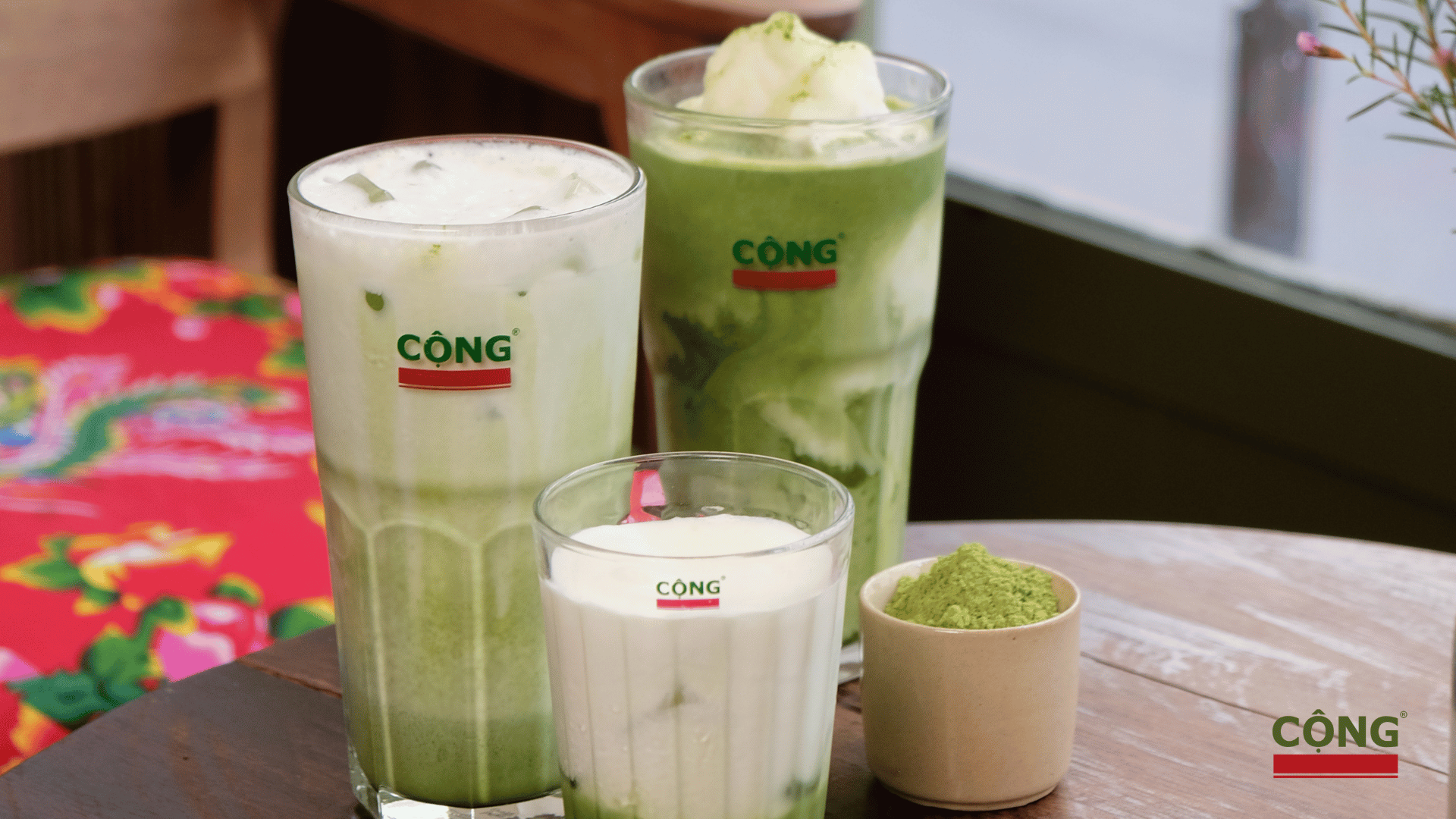
    The space itself is worth mentioning. Cộng’s interior draws from the aesthetic of Hanoi’s subsidy era in the 1980s, when state-run shops had a particular worn, unhurried quality. It is warm, slightly nostalgic, and resistant to the kind of studied minimalism that defines most Paris café interiors right now. In a city where the atmosphere is increasingly manufactured to look effortless, Cộng’s design feels genuinely particular to somewhere.
    It is the kind of place where sitting with a matcha coco for an hour does not feel like an indulgence. It feels like the point.

    Frequently Asked Questions

    What is the difference between matcha coco and a matcha latte? A matcha latte uses steamed dairy or plant milk, most commonly oat or almond. A matcha coco replaces the milk with coconut, usually in cream form, which brings a distinctly tropical richness and natural sweetness that a standard latte cannot replicate. The flavour profile is warmer, fuller, and more specific.

    Is matcha coco served hot or cold? Most often cold, and the iced version holds the contrast between the sharp matcha and the rich coconut more clearly. Hot versions exist and have their own appeal, particularly in cooler months, but the drink was designed to be refreshing.

    Is matcha coco sweet without added sugar? Often yes if coconut cream is used.. Real coconut cream carries a natural sweetness that works with the slight bitterness of the matcha. Most cafés tend to add a small amount of sweetener by default, so if you prefer to adjust the sweetness to your own taste, it is worth asking for.

    Curious to try matcha coco in Paris for yourself? Visit Cộng Cà Phê (18 Rue Volney, 75002 Paris) and discover a refreshing Vietnamese take on the drink, carefully prepared with balanced flavours and quality ingredients in the heart of the city. For more on the full drinks menu, visit congcaphe.fr.

  • What Is Coconut Matcha? Ingredients, Tastes and Where to Try It

    What Is Coconut Matcha? Ingredients, Tastes and Where to Try It

    Coconut matcha is taking over café menus in Paris right now. Here’s everything you need to know before your first sip about this trending drink.

    What Is Coconut Matcha?

    Coconut matcha is a drink built on two very different ingredients that somehow make perfect sense together.

    At its core, the drink combines matcha, a finely ground Japanese green tea powder known for its deep, grassy flavour and natural caffeine, with coconut cream, which adds richness, sweetness, and a tropical smoothness that softens matcha’s natural bitterness. The result is a drink that is bold and creamy, earthy and sweet, and far more layered in flavour than either ingredient would suggest on its own.

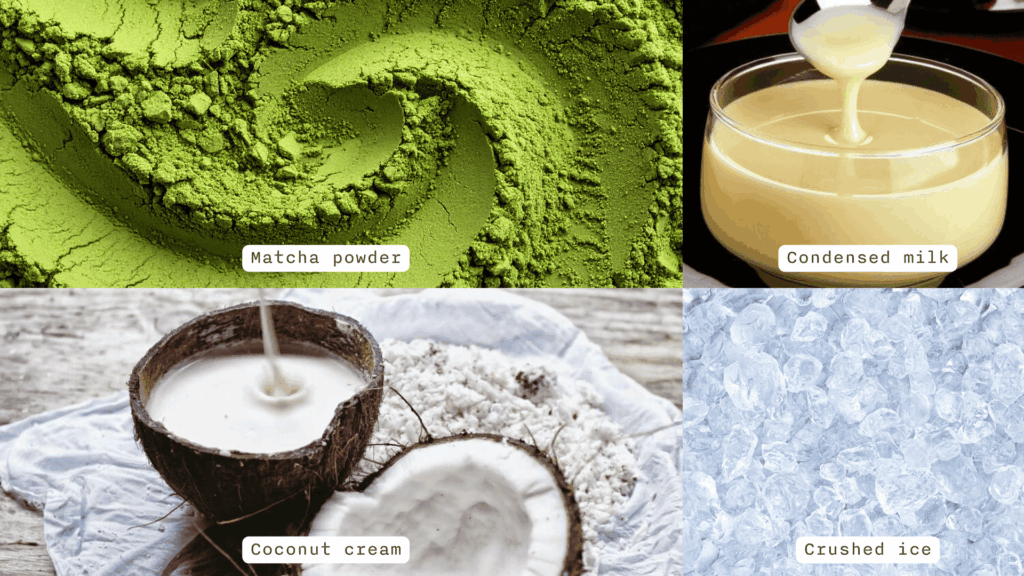
    At Cộng Cà Phê, the Coconut Matcha is made with matcha and blended coconut cream over crushed ice. The coconut cream is the foundation of the drink, drawn from the same Vietnamese coffee tradition that made Cộng famous: cà phê cốt dừa (Vietnamese coconut coffee), in which thick coconut cream is layered with strong Robusta espresso to create a drink that is both intensely caffeinated and deeply satisfying. In Vietnamese café culture, coconut cream is not a substitute for milk but an ingredient in its own right, with its own role, its own texture, and its own story.

    What Does Coconut Matcha Taste Like?

    The first thing you notice is the freshness and creaminess. Coconut matcha is a rich drink and the coconut cream coats the palate in a way that dairy milk simply does not, leaving a smooth, slightly sweet finish that lingers after each sip.

    Underneath that, the matcha comes through with its characteristic depth: a gentle bitterness, a vegetal warmth, and a clean aftertaste. The quality of the matcha matters here, and when it is good, it carries a kind of savoury complexity that plays beautifully against the natural sweetness of the coconut.

    The cold version, blended with crushed ice, adds a textural dimension that makes the drink feel almost dessert-like, thick and frothy at the top, and deeply refreshing in a way that a standard iced matcha latte is not.

    How to Make Coconut Matcha

    The appeal of coconut matcha partly comes from how simple it is to recreate at home. A classic iced version usually includes:

    • 1 tsp ceremonial grade matcha powder
    • 3 to 4 tbsp full-fat coconut cream
    • Crushed ice
    • 2 tbsp hot water (70 to 80°C)
    • Simple syrup or condensed milk to taste

    Step 1: Sift the matcha powder into a small bowl, add the hot water, and whisk in a zigzag motion until fully dissolved and lightly frothy.

    Step 2: Add the crushed ice, coconut cream, and condensed milk into a blender and blend until smooth and creamy.

    Step 3: Pour the blended coconut mixture into a glass, then slowly pour the matcha over the top.

    Step 4: Serve immediately for the most refreshing result.

    Where to Try Coconut Matcha in Paris

    Cộng Cà Phê France (18 Rue Volney, 75001 Paris) was founded in Hanoi in 2007, and its opening changed what a Vietnamese café could look like. Built around the aesthetic of 1980s Vietnam, Cộng became as well known for its atmosphere as for its drinks. Its coconut coffee smoothie became a signature instantly, and the brand grew from a single street in Hanoi to over 100 locations across Vietnam, South Korea, Canada, Taiwan, Malaysia, and, most recently, France.

    Curious what visitors think? Here is what customers have to say about their experience at Cộng Cà Phê. 

    “Came in for a quick drink before going to the opera and can’t believe how lovely the drinks are! Had the Coco Matcha Galce Pile and matcha latte, so so delicious!” – 華怜 (Reica), Google Map

    “This place brought me home! Stepped inside and immediately felt like I was in Hanoi again. The drinks were absolutely delicious and authentic and the service was top notch. My husband got so excited he ordered 6 drinks in total😂” – Rosie Mai, Google Map

    “It is truly the best coffee I have ever had!! Cannot recommend enough! I came everyday because it was soooo good. ❤️ Thank you for the service” – Josefina Viñas, Google Map

    Frequently Asked Questions About Coconut Matcha

    What is coconut matcha made of? Coconut matcha combines matcha powder, a finely ground Japanese green tea, with coconut cream. At Cộng Cà Phê France, it is blended with crushed ice and served cold.

    Is coconut matcha the same as a matcha latte? Not quite. A matcha latte is typically made with steamed dairy or plant-based milk, while coconut matcha uses coconut cream instead, which is thicker and richer, giving the drink a different texture, flavour profile, and finish that most people find more complex and satisfying.

    Does coconut matcha have caffeine? Yes, because matcha contains natural caffeine, typically around 70mg per serving depending on preparation, though the coconut cream itself contributes none, so the overall caffeine level depends on how much matcha is used in each cup.

    Where can I try coconut matcha in Paris? Cộng Cà Phê France, located at 18 Rue Volney, 75001 Paris, serves coconut matcha as the Coco Matcha Glacé Pilé and is open daily just steps from the Opéra Garnier.

    What makes Cộng Cà Phê’s coconut matcha different? Cộng’s use of coconut cream comes directly from Vietnamese coffee tradition, specifically from cà phê cốt dừa, the coconut coffee that made the brand famous in Hanoi. The coconut is not a flavouring or a garnish but a central ingredient, which gives the drink a depth and cultural grounding that sets it apart from most matcha drinks available in Paris today.

    Searching for the best coconut matcha in Paris? Visit Cộng Cà Phê and enjoy a refreshing matcha and coconut drink inspired by Vietnamese café culture, thoughtfully prepared for a smooth and balanced flavour. For opening hours and the full menu, visit congcaphe.fr.

  • Matcha Latte à Paris : tout ce qu’il faut savoir et où le déguster

    Matcha Latte à Paris : tout ce qu’il faut savoir et où le déguster

    Le Matcha Latte est devenu l’une des boissons les plus demandées à Paris. Apprécié pour sa saveur, sa présentation et l’équilibre entre le goût sucré et des notes végétales, il séduit un nombre croissant d’amateurs de boissons à base de thé.

    Alors, qu’est-ce qui distingue un excellent Matcha Latte d’un Matcha Latte plus ordinaire? Dans cet article, vous découvrirez tout ce qu’il faut savoir sur cette boisson : ses ingrédients, sa préparation, ainsi que ses saveurs et son arôme uniques. 

    Qu’est-ce qu’un Matcha Latte ?

    Le Matcha Latte est une boisson préparée à partir de deux ingrédients : du thé vert réduit en fine poudre et du lait. La poudre de matcha est d’abord fouettée directement dans une petite quantité d’eau chaude afin de former une préparation concentrée, puis du lait est ajouté pour lui apporter davantage de volume et de douceur.

    Le résultat est une boisson qui se situe quelque part entre le thé et le café au lait : terreuse et végétale en bouche, crémeuse dans sa texture, et délicatement sucrée lorsqu’elle est bien préparée.

    Le Matcha Latte contient naturellement de la caféine, mais son effet est généralement plus doux et plus progressif que celui d’un espresso. C’est d’ailleurs l’une des raisons pour lesquelles il séduit autant les personnes qui recherchent une boisson chaude, réconfortante et énergisante, sans l’intensité parfois abrupte du café.

    Le Matcha Latte est-il servi chaud ou froid ?

    Le Matcha Latte est traditionnellement servi chaud. La chaleur permet de révéler pleinement les arômes du thé vert et de les associer harmonieusement à l’onctuosité du lait. C’est la version idéale pour les matinées tranquilles ou les journées plus fraîches.

    Cependant, le Matcha Latte glacé est devenu tout aussi populaire à Paris, en particulier pendant les mois les plus chauds. Le matcha est d’abord fouetté avec une petite quantité d’eau chaude, puis versé sur du lait froid et des glaçons.

    Quel est le goût d’un Matcha Latte ?

    Si vous n’avez jamais goûté de Matcha Latte, imaginez un thé vert dont les arômes les plus prononcés sont adoucis par le lait, avec une douceur naturelle qui se révèle lorsque le matcha est de qualité et correctement préparé.

    La saveur dominante est l’umami, une profondeur gustative riche, presque marine, caractéristique des thés verts japonais haut de gamme. Selon le lait utilisé et les proportions, on peut également retrouver une texture crémeuse, de légères notes herbacées et, lorsque le matcha est de qualité cérémoniale, une touche presque florale en fin de bouche.

    Ce qu’un Matcha Latte ne doit pas être, c’est amer. Une amertume excessive est souvent le signe d’un matcha de mauvaise qualité, d’une eau trop chaude ou d’un mauvais équilibre entre le matcha et le lait. Lorsqu’il est bien préparé, un Matcha Latte doit offrir une dégustation douce et harmonieuse du début à la fin.

    Comment préparer un Matcha Latte à la maison ?

    Préparer un Matcha Latte à la maison est plus simple qu’on ne le pense. Avec quelques ingrédients de qualité et un peu de technique, il est tout à fait possible d’obtenir un résultat proche de celui servi dans les cafés spécialisés.

    Ingrédients (pour 1 personne)

    • 1 à 2 cuillères à café de matcha de qualité cérémoniale
    • 60 ml d’eau chaude (80 °C, non bouillante afin de ne pas altérer les arômes du matcha)
    • 200 ml de lait entier ou de lait d’avoine
    • Facultatif : 1 cuillère à café de lait concentré sucré pour apporter davantage de douceur

    Préparation étape par étape

    Étape 1. Tamisez le matcha dans un petit bol ou un verre. Cette étape permet d’éliminer les grumeaux et d’obtenir une texture plus lisse.

    Étape 2. Ajoutez l’eau chaude, puis fouettez le mélange à l’aide d’un fouet en bambou jusqu’à ce que le matcha soit complètement dissous et qu’une légère mousse apparaisse à la surface.

    Étape 3. Pour un Matcha Latte chaud, faites chauffer le lait puis versez-y le matcha avant de mélanger. Pour une version glacée, versez le matcha dans un verre rempli de glaçons et de lait froid, puis mélangez avant de déguster.

    Étape 4. Pour une touche inspirée du Vietnam, ajoutez une demi-cuillère à café de lait concentré sucré en fin de préparation, puis remuez délicatement.

    Où déguster un délicieux Matcha Latte à Paris ? 

    À Paris, les adresses où déguster un Matcha Latte ne manquent pas. Pourtant, Cộng Cà Phê offre quelque chose de différent : un cadre et une histoire qui donnent davantage de sens à l’expérience et transforment une simple boisson en véritable moment de découverte.

    Le café est situé au 18 Rue Volney, dans le 1er arrondissement de Paris, et est ouvert tous les jours de 8h30 à 20h30. Son décor s’inspire des petits commerces et des lieux de vie collectifs de Hanoï dans les années 1980, une époque marquée par la simplicité, la convivialité et une attention particulière portée aux détails du quotidien.

    Chez Cộng Cà Phê, le Matcha Latte est préparé selon une approche qui accorde une grande importance à la texture, à l’équilibre des saveurs et à la qualité des ingrédients. Qu’il soit servi chaud ou glacé, chaque Matcha Latte est élaboré avec le même souci d’harmonie entre l’intensité du matcha et la douceur du lait.

    Vous cherchez un Matcha Latte à Paris ? Rendez-vous chez Cộng Cà Phê pour découvrir une version soigneusement préparée de cette boisson incontournable. Ouvert 7 jours sur 7, de 8h30 à 20h30. Consultez la carte complète et les informations du café sur congcaphe.fr.

  • Matcha Coco à Paris : tout ce qu’il faut savoir et où le déguster ?

    Matcha Coco à Paris : tout ce qu’il faut savoir et où le déguster ?

    Matcha Coco est discrètement devenu l’une des boissons du moment à Paris. Derrière son apparente simplicité se cache un mélange rafraîchissant et équilibré dont la qualité dépend avant tout de sa préparation et de ses ingrédients.

    Dans cet article, nous vous expliquons ce qu’est le Matcha Coco, comment le commander et où le déguster à Paris.

    Qu’est-ce qu’un Matcha Coco ?

    Le Matcha Coco est une boisson préparée à partir de matcha (thé vert japonais en poudre) et de lait ou d’eau de coco. Bien que la recette puisse varier d’un établissement à l’autre, son principe reste le même : trouver l’équilibre entre la fraîcheur du matcha et l’onctuosité naturelle de la noix de coco.

    Le matcha apporte des notes végétales caractéristiques et une légère amertume, tandis que la noix de coco offre douceur et rondeur sans nécessiter de sucre ajouté.

    En effet, le choix de la base noix de coco permet à chaque café d’élaborer sa propre interprétation de la boisson, comme un café sélectionnant plutôt le lait de coco pour le côté plus riche et plus crémeux, ou l’eau de coco dans un souci de légèreté et de fraîcheur.

    Certaines recettes ajoutent même de la crème de coco pour accentuer le crémeux de la boisson.

    Pourtant, cette apparente simplicité exige un véritable savoir-faire. Un Matcha Coco réussi repose sur un dosage précis et un équilibre subtil entre les différents ingrédients. Trop de coco risque de masquer les arômes du matcha, tandis qu’une quantité insuffisante laisse son amertume prendre le dessus.

    C’est cette attention portée aux détails qui fait toute la différence entre un Matcha Coco ordinaire et une boisson parfaitement maîtrisée.

    Le Matcha Coco se déguste-t-il chaud ou froid ?

    Le Matcha Coco peut être servi chaud ou froid. Toutefois, il est le plus souvent dégusté froid, car c’est sous cette forme que l’équilibre entre le matcha et la noix de coco s’exprime le mieux. Servi avec des glaçons, il offre une boisson à la fois rafraîchissante, légère et gourmande.

    La version chaude reste appréciée par certains amateurs de matcha, notamment pendant les périodes plus fraîches. Cependant, elle met davantage en avant les notes végétales du thé et offre une expérience différente de la recette originale.

    Certains cafés proposent également une version mixée, plus épaisse et plus onctueuse. Quelle que soit la préparation choisie, la qualité du matcha et l’équilibre des ingrédients restent les éléments essentiels pour réussir un bon Matcha Coco.

    Où déguster un bon Matcha Coco à Paris ?

    Le Matcha Coco est rapidement devenu une boisson populaire dans de nombreux cafés parisiens. Aujourd’hui, on en trouve aussi bien dans certaines chaînes de café que dans des établissements spécialisés dans le matcha ou les boissons asiatiques. Cependant, toutes les versions ne se valent pas, et la qualité des ingrédients comme la maîtrise de la préparation font souvent toute la différence.

    Parmi les adresses les plus réputées, Cộng Cà Phê occupe une place particulière. Fondée à Hanoï en 2007, cette marque est reconnue pour ses boissons à base de noix de coco et son savoir-faire inspiré de la culture des cafés vietnamiens. Cette expertise se retrouve naturellement dans ses créations à base de matcha et de coco, où l’équilibre des saveurs est au cœur de chaque recette.

    Situé au 18 Rue Volney dans le 1ᵉ arrondissement, Cộng Cà Phê se distingue également par son décor inspiré du Hanoï des années 1980. L’atmosphère chaleureuse et authentique du lieu en fait une adresse idéale pour prendre le temps de savourer un Matcha Coco dans un cadre différent des cafés parisiens traditionnels.

    Pour les amateurs de cette boisson, Cộng Cà Phê fait aujourd’hui partie des spots incontournables où déguster un Matcha Coco à Paris.

    Questions fréquentes sur le Matcha coco

    Quelle est la différence entre un Matcha Coco et un Matcha Latte ? 

    Le Matcha Latte est généralement préparé avec du lait animal ou végétal, tandis que le Matcha Coco utilise du lait de coco, de l’eau de coco ou parfois de la crème de coco. 

    Le Matcha Coco est-il servi chaud ou froid ?

    Le Matcha Coco est le plus souvent servi froid. La version glacée met davantage en valeur l’équilibre entre les notes végétales du matcha et la fraîcheur de la noix de coco. Certaines adresses proposent également une version chaude, particulièrement appréciée pendant les périodes plus fraîches.

    Le Matcha Coco est-il sucré sans sucre ajouté ?

    Oui, dans de nombreuses recettes. La noix de coco possède naturellement une légère douceur qui permet d’équilibrer l’amertume du matcha. Certaines versions peuvent toutefois contenir un sucrant supplémentaire selon les recettes et les établissements.

    Vous êtes prêt à découvrir le Matcha Coco à Paris ? Rendez-vous chez Cộng Cà Phê, au 18 Rue Volney dans le 1ᵉ arrondissement, pour déguster cette boisson rafraîchissante inspirée du savoir-faire vietnamien. Consultez la carte complète et découvrez toutes les boissons sur congcaphe.fr.

  • Le café glacé vietnamien et les cafés glacés du monde : quelles différences ?

    Le café glacé vietnamien et les cafés glacés du monde : quelles différences ?

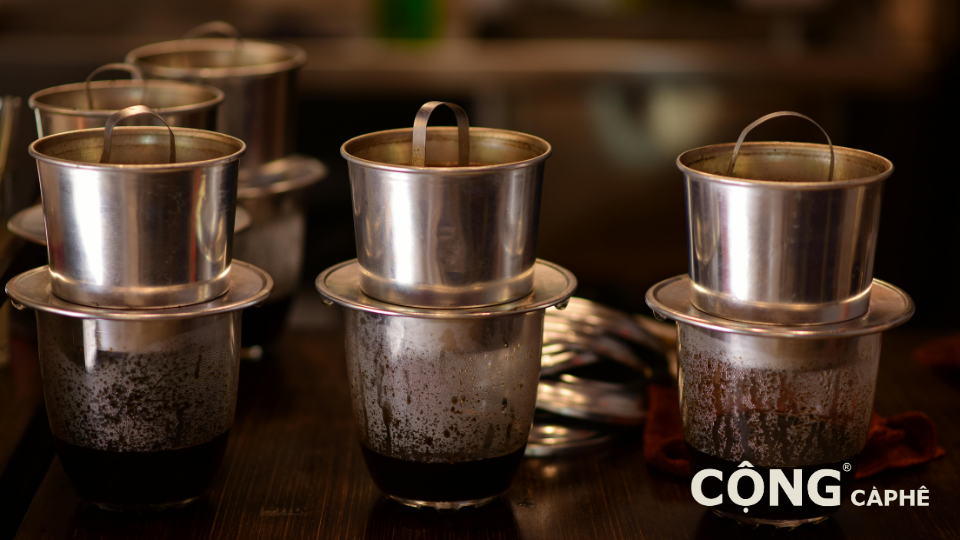
    L’Italie a son espresso servi sur glace. La France a son café glacé dégusté en terrasse. Le Japon a son cold brew préparé avec une précision presque scientifique. Le café glacé vietnamien, lui, repose sur une recette bien plus simple : du café robusta, du lait concentré sucré et un filtre phin qui prend son temps.

    Selon TasteAtlas, cette boisson figure parmi les meilleurs cafés glacés du monde. Alors, quelles sont les différences entre le café glacé vietnamien et les autres cafés glacés du monde? Dans cet article, nous allons les explorer en détail.

    Qu’est-ce que le café glacé vietnamien ?

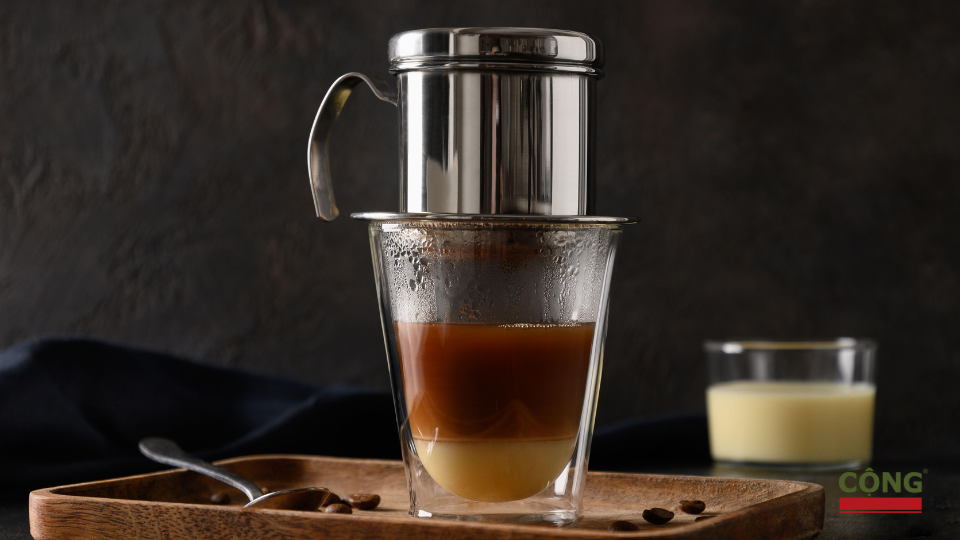
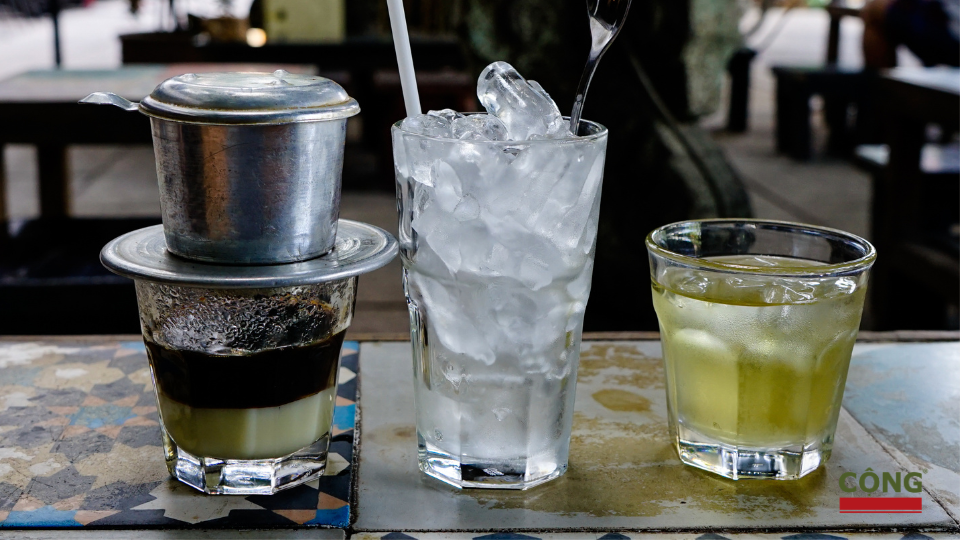
    Le café glacé vietnamien (cà phê sữa đá) est préparé à partir de trois ingrédients principaux : du café robusta vietnamien, du lait concentré sucré et des glaçons. Le café est infusé à l’aide d’un filtre phin, un petit filtre métallique qui fonctionne uniquement grâce à la gravité et dont l’extraction prend généralement entre quatre et six minutes.

    Le café obtenu est particulièrement intense et se mélange au lait concentré déjà présent au fond du verre avant d’être servi sur glace.

    Ce n’est pas une boisson compliquée. C’est une boisson qui repose sur un équilibre précis et un savoir-faire minutieux.

    Le café glacé vietnamien et l’espresso glacé italien

    En Italie, le café glacé est généralement tout simplement un espresso servi froid. Il se boit rapidement, debout au comptoir, en quelques minutes seulement. C’est simple et efficace.

    Le café glacé vietnamien, lui, se déguste de manière totalement différente. Le filtre phin prend son temps, le lait concentré se mélange lentement au café et les glaçons transforment progressivement les saveurs. Alors que l’espresso glacé italien se consomme rapidement, le café glacé vietnamien invite à prendre son temps et à savourer chaque gorgée.

    Plus qu’une simple boisson, il s’agit d’une expérience qui se déguste sans précipitation.

    Le café glacé vietnamien et le café glacé français

    Le Vietnam et la France partagent une histoire étroitement liée au café. Cette culture a été introduite au Vietnam par les Français au XIXe siècle ; cependant, elle a pourtant évolué de manière très différente dans les deux pays.

    En France, le café glacé est généralement préparé à partir d’un espresso versé sur glace, parfois accompagné de lait ou de sirop. Le résultat est souvent léger, rafraîchissant et met en valeur les arômes acidulés du café.

    Le café glacé vietnamien repose quant à lui sur une combinaison de café robusta, de lait concentré sucré et d’une extraction lente au filtre phin. Avec sa saveur plus intense, plus corsé et plus gourmand, il offre une expérience radicalement différente.

    Bien que ces deux boissons trouvent leurs origines dans une même histoire du café, elles reflètent aujourd’hui deux traditions et deux façons de déguster le café bien distinctes.

    Le café glacé vietnamien et le café glacé thaïlandais 

    En Thaïlande, le café glacé traditionnel, appelé oliang, est préparé à partir d’un mélange de café et d’autres ingrédients tels que la cardamome, le sésame, le maïs ou encore le soja. Cette boisson est généralement filtrée à travers un tissu puis servie avec du lait concentré ou du lait évaporé, elle se distingue par ses saveurs aromatiques et sa douceur épicée.

    Le café glacé vietnamien se prépare de façon plus simple. Avec seulement trois ingrédients – du café robusta, du lait concentré sucré et des glaçons – cette recette met en valeur la saveur brute et naturelle du café, créant un goût plus riche et plus direct.

    Alors que le café glacé thaïlandais séduit par sa richesse aromatique et la diversité de ses ingrédients, le café glacé vietnamien privilégie la simplicité et l’équilibre entre la puissance du café et la douceur du lait concentré.

    Le café glacé vietnamien et le cold brew japonais

    Au Japon, le cold brew est préparé à partir d’une extraction à l’eau froide pendant plusieurs heures (de 12 heures à 18 heures). Cette méthode permet d’obtenir un café au goût léger, délicat et particulièrement rafraîchissant, avec une très faible amertume.

    En revanche, le café glacé vietnamien est préparé à partir d’une extraction à l’eau chaude à l’aide d’un filtre phin. Cette méthode extrait des huiles essentielles qui offre des saveurs plus intenses, plus corsées et plus prononcées.


    Le cold brew japonais conviendra davantage à ceux qui préfèrent un café doux, tandis que la version vietnamienne séduira ceux qui recherchent du caractère et de la richesse.

    Qu’est-ce qui distingue le café glacé vietnamien des autres cafés glacés ?

    Le café glacé vietnamien a obtenu la note de 4,6/5 sur TasteAtlas et figure parmi les boissons les mieux notées au monde. Mais qu’est-ce qui le rend si spécial ? Voici ses trois spécificités majeures :

    Le café robusta:  Contrairement aux boissons occidentales souvent à base d’Arabica, le café vietnamien utilise majoritairement du Robusta. Il a un goût plus fort, plus corpulent, et une teneur en caféine plus importante.

    Le lait concentré sucré :  Loin d’être un simple ajout, c’est un élément essentiel. Il apporte une texture onctueuse et une douceur caractéristique qui équilibre la puissance du Robusta.

    Le filtre phin: La préparation repose sur une extraction lente à l’aide d’un filtre métallique traditionnel. Cette méthode permet de développer pleinement les arômes du café au goutte-à-goutte et participe au charme rituel de la dégustation.

    Questions fréquentes sur le café glacé vietnamien

    Qu’est-ce que le café glacé vietnamien? 

    Le café glacé vietnamien, également connu sous le nom de café au lait glacé, se prépare avec du café robusta, du lait concentré sucré et des glaçons. Cette boisson est extrait à l’aide d’un filtre phin traditionnel, ce qui lui confère des saveurs intenses et caractéristiques.

    Quelle est la différence entre le café glacé vietnamien et un café glacé classique ? 

    Le café glacé classique est souvent un espresso ou un café filtre standard refroidi. Le café glacé vietnamien se différencie par son ingrédient principale du robusta, son extraction lente au moyen du filtre phin et le lait concentré sucré qui lui donne une saveur plus prononcée.

    Peut-on trouver du café glacé vietnamien à Paris ? 

    Oui. Il est possible de déguster un café glacé vietnamien dans plusieurs cafés et restaurants vietnamiens à Paris, comme Cộng Cà Phê, situé au 18 rue Volney, 75001 Paris.

    Pourquoi le café glacé vietnamien est-il si populaire dans le monde entier ? 

    TasteAtlas l’a classé deuxième parmi les meilleurs cafés au monde. La combinaison de la force du Robusta et de la douceur veloutée du lait concentré crée un contraste unique qu’aucun autre café glacé ne peut égaler.

    Où déguster un authentique café glacé vietnamien au lait à Paris ?

    S’il y a une adresse à essayer pour découvrir le café glacé vietnamien à Paris, c’est sans doute Cộng Cà Phê. Fondée à Hanoï en 2007, l’enseigne est devenue l’emblème de la culture du café vietnamienne. Déjà présente dans plusieurs pays à travers le monde, elle a ouvert sa première adresse parisienne en 2025.

    Vous y retrouverez les ingrédients qui font le succès du café glacé vietnamien : du café robusta vietnamien, du lait concentré sucré et une extraction traditionnelle au filtre phin. Une adresse idéale pour découvrir ou redécouvrir l’une des boissons les plus emblématiques du Vietnam.

    📍 18 Rue Volney, 75001 Paris – Ouvert du lundi au dimanche de 8h30 à 20h30