Blog

  • Egg Coffee Hanoi: Where to Find Vietnam’s Most Iconic Coffee Drink in Paris

    Egg Coffee Hanoi: Where to Find Vietnam’s Most Iconic Coffee Drink in Paris

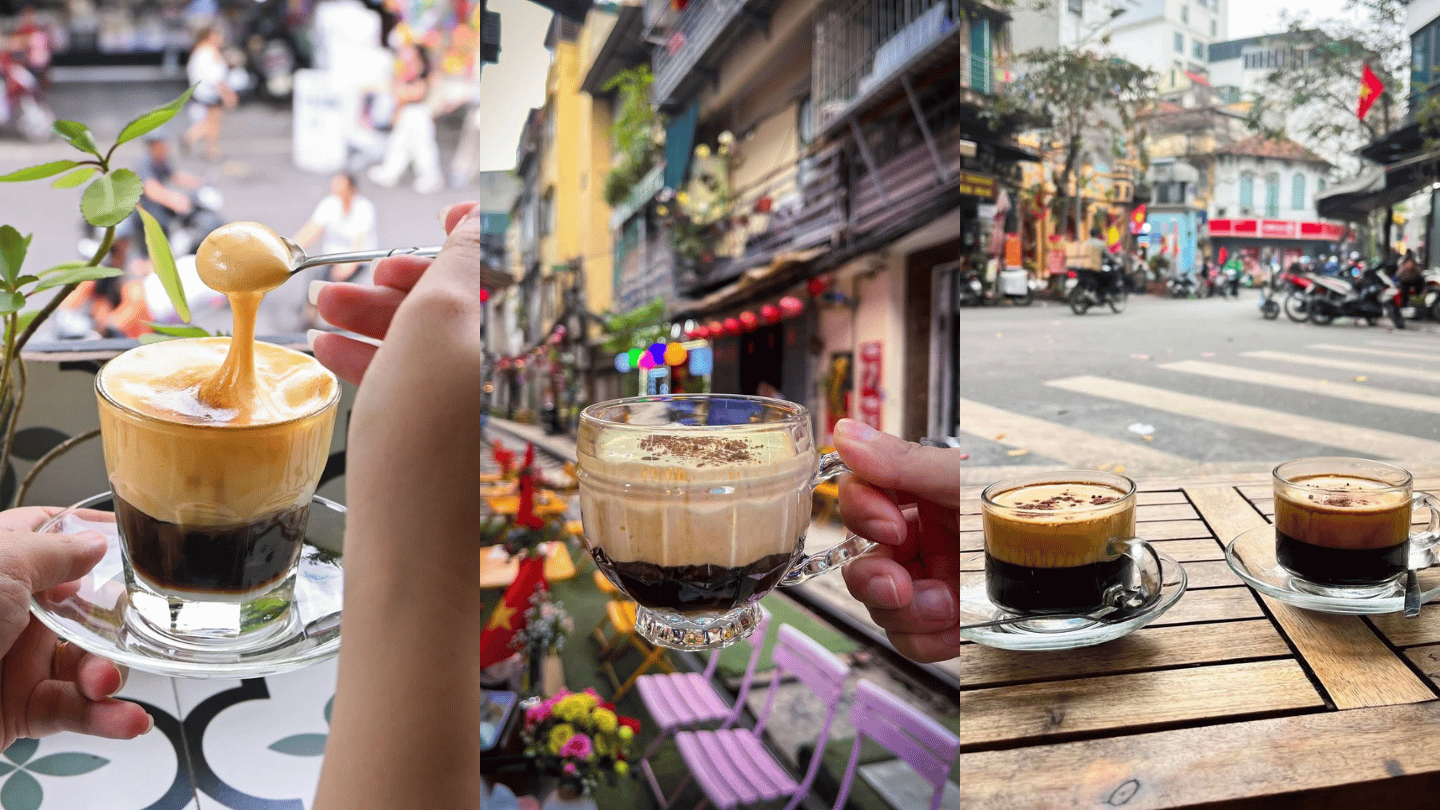
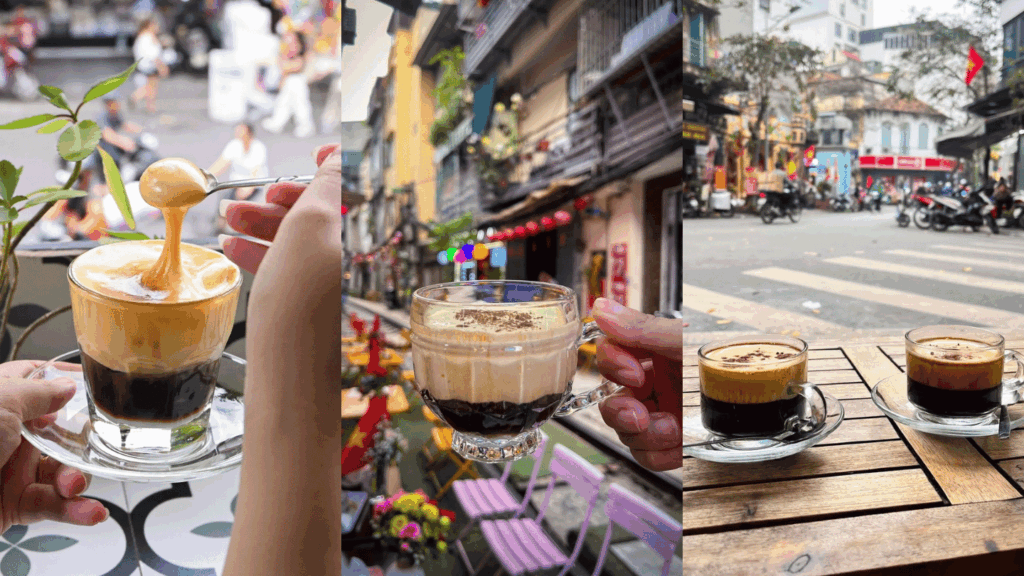
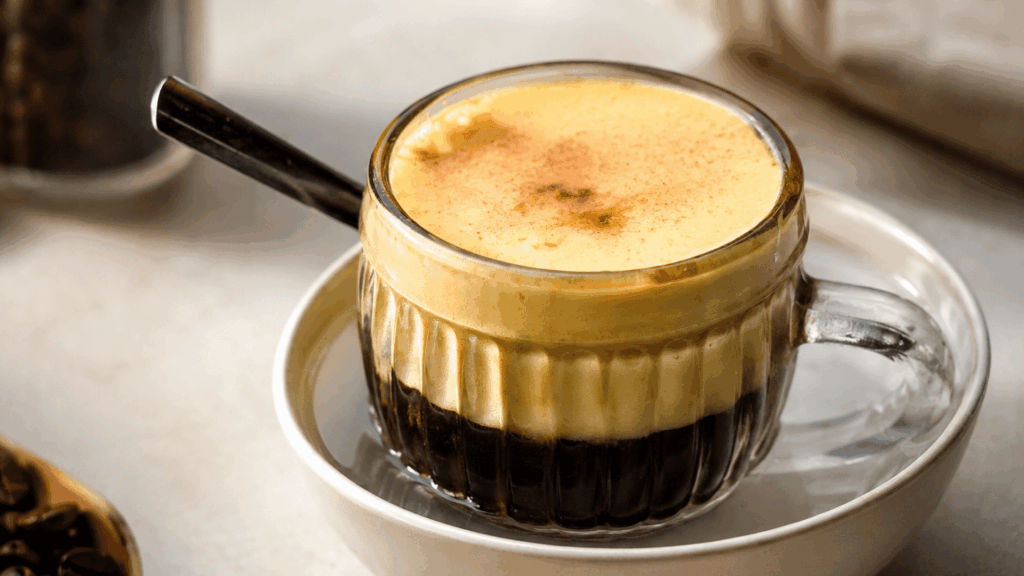
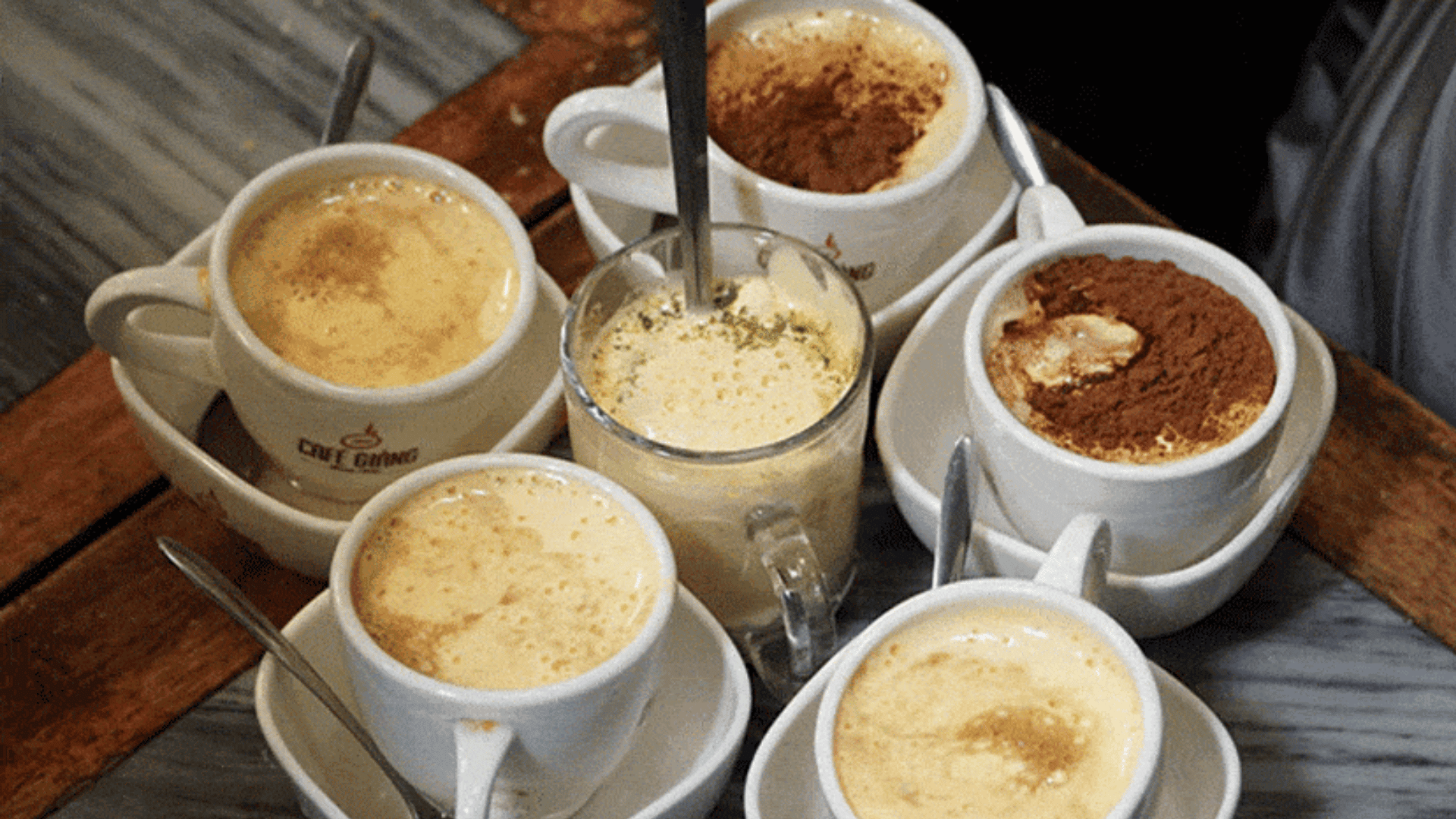
    Few drinks capture the imagination of first-time visitors to Hanoi quite like egg coffee. Born from necessity when fresh milk was scarce, egg coffee replaced dairy with whipped egg yolk and condensed milk, poured over strong Vietnamese coffee, and the result became one of the city’s most enduring culinary signatures. For travelers who have tasted it in Hanoi’s Old Quarter, and for those who have only heard about it, it has become a genuine must-try, a drink that tastes closer to dessert than to coffee and carries the story of the city in every sip.

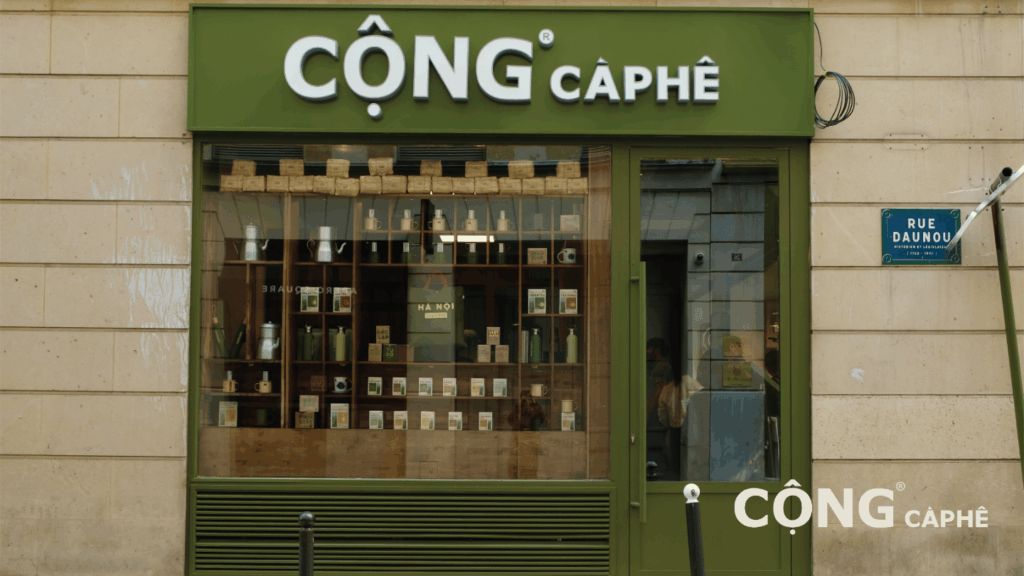
    Many cafés outside Vietnam now attempt some version of egg coffee, but the difference between a novelty item bolted onto an unrelated menu and a café built around real Vietnamese coffee tradition is significant. In Paris, Cộng Cà Phê brings this heritage to the 1st arrondissement with its own take on the format, a salted egg cream collection that reworks the Hanoi classic with the bold Robusta coffee the brand is known for.
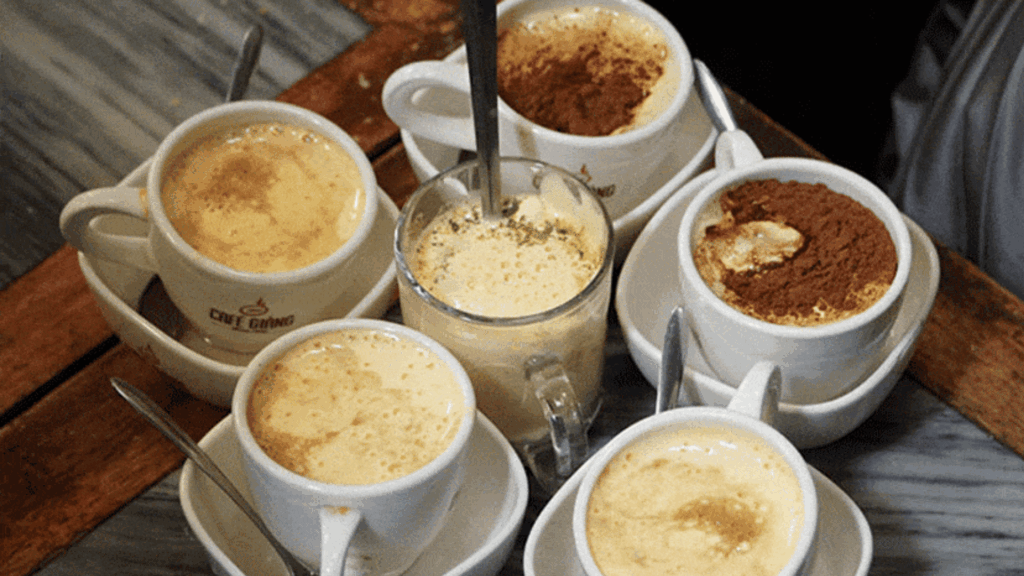
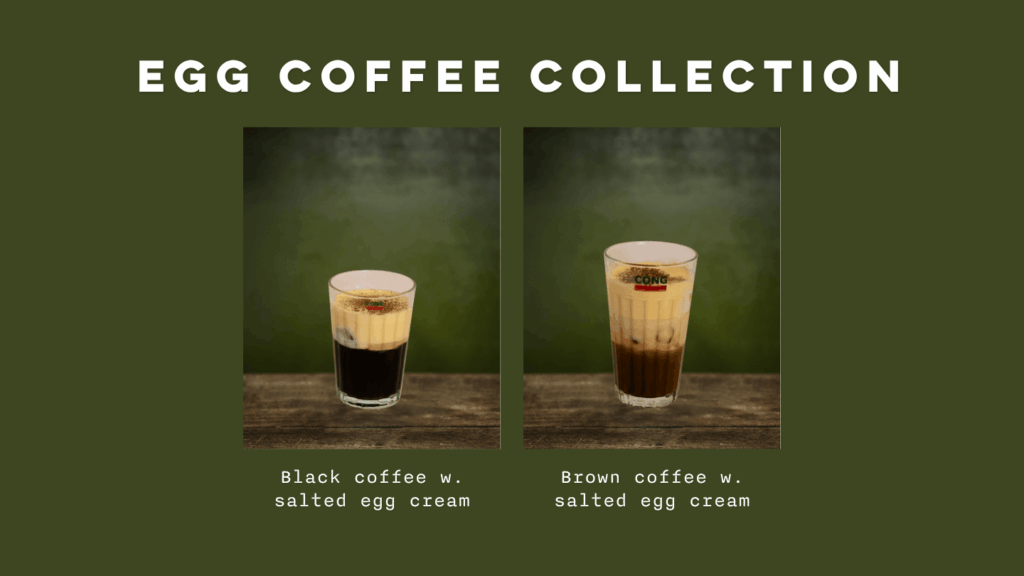
    Cộng’s Salted Egg Cream Collection

    Cộng’s version departs slightly from the original Hanoi recipe. Where the classic cà phê trứng from Cà Phê Giảng uses only whipped egg yolk, condensed milk, and coffee, Cộng adds a touch of salt to the cream, a small but deliberate twist that balances the sweetness against the bitterness of the Robusta beneath it. The result sits close enough to the tradition to feel authentic, while carrying Cộng’s own signature.

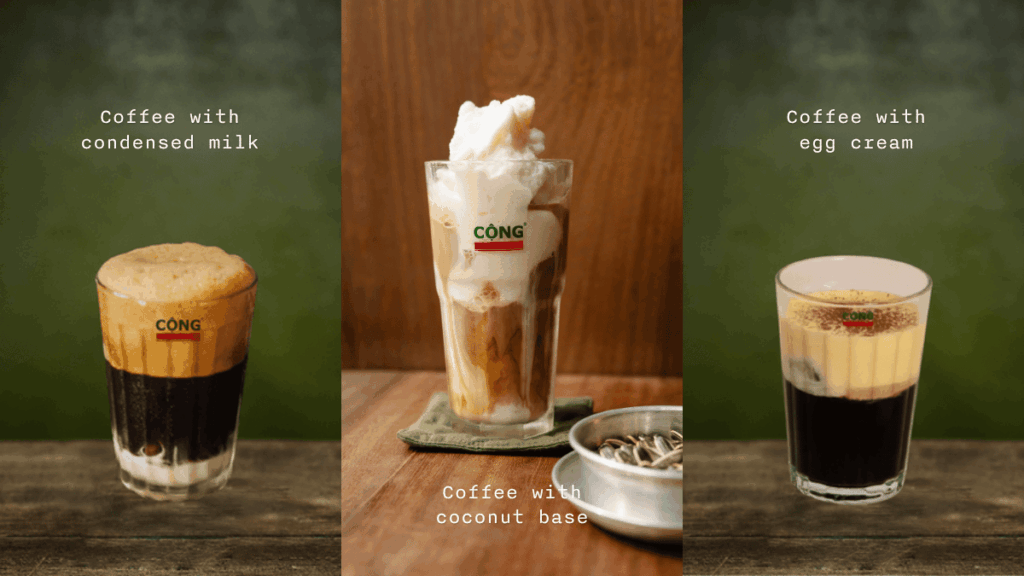
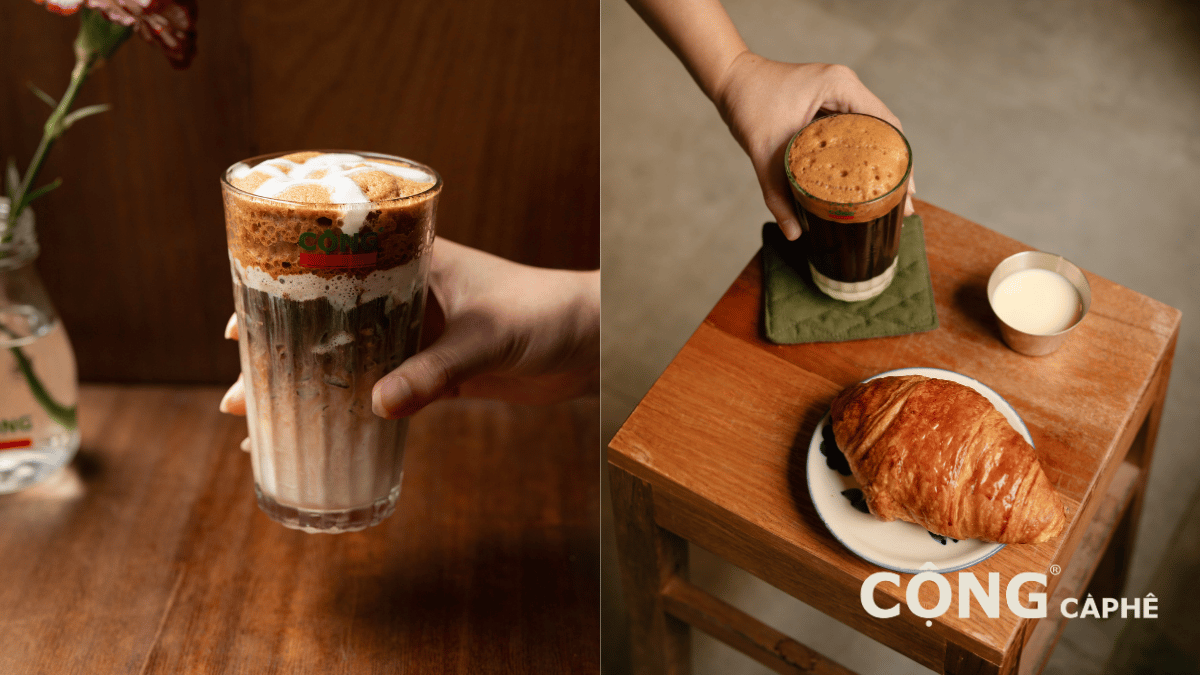
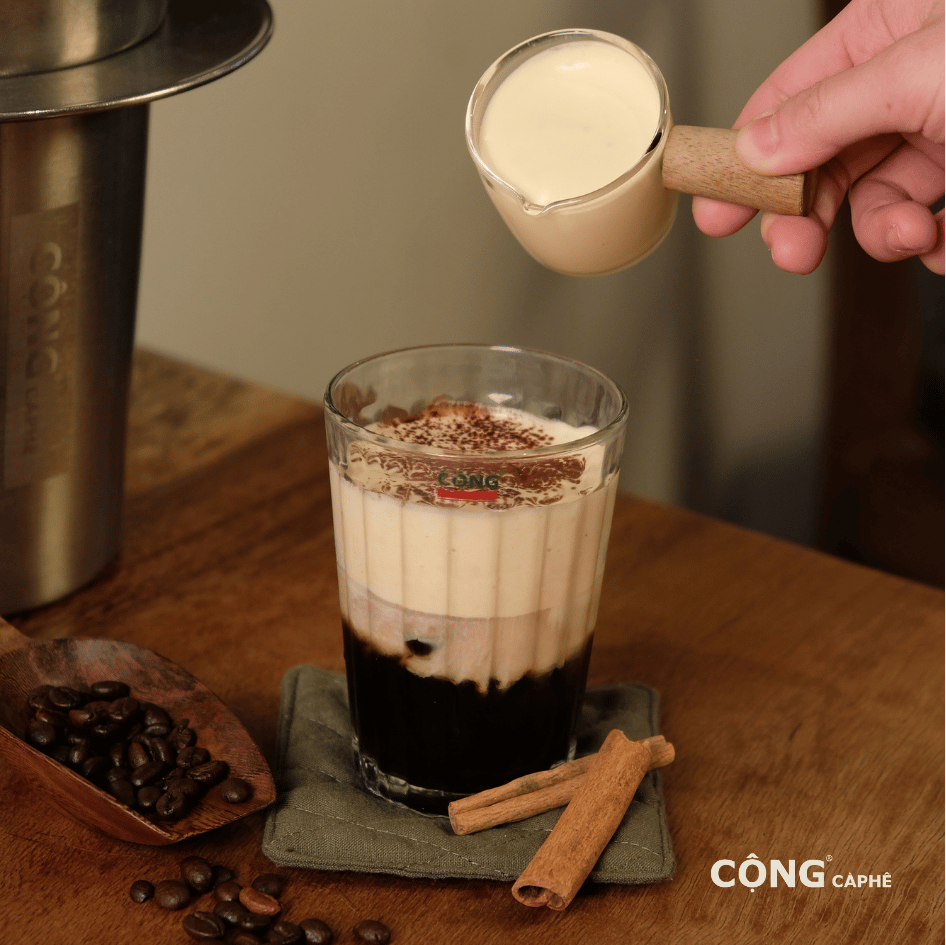
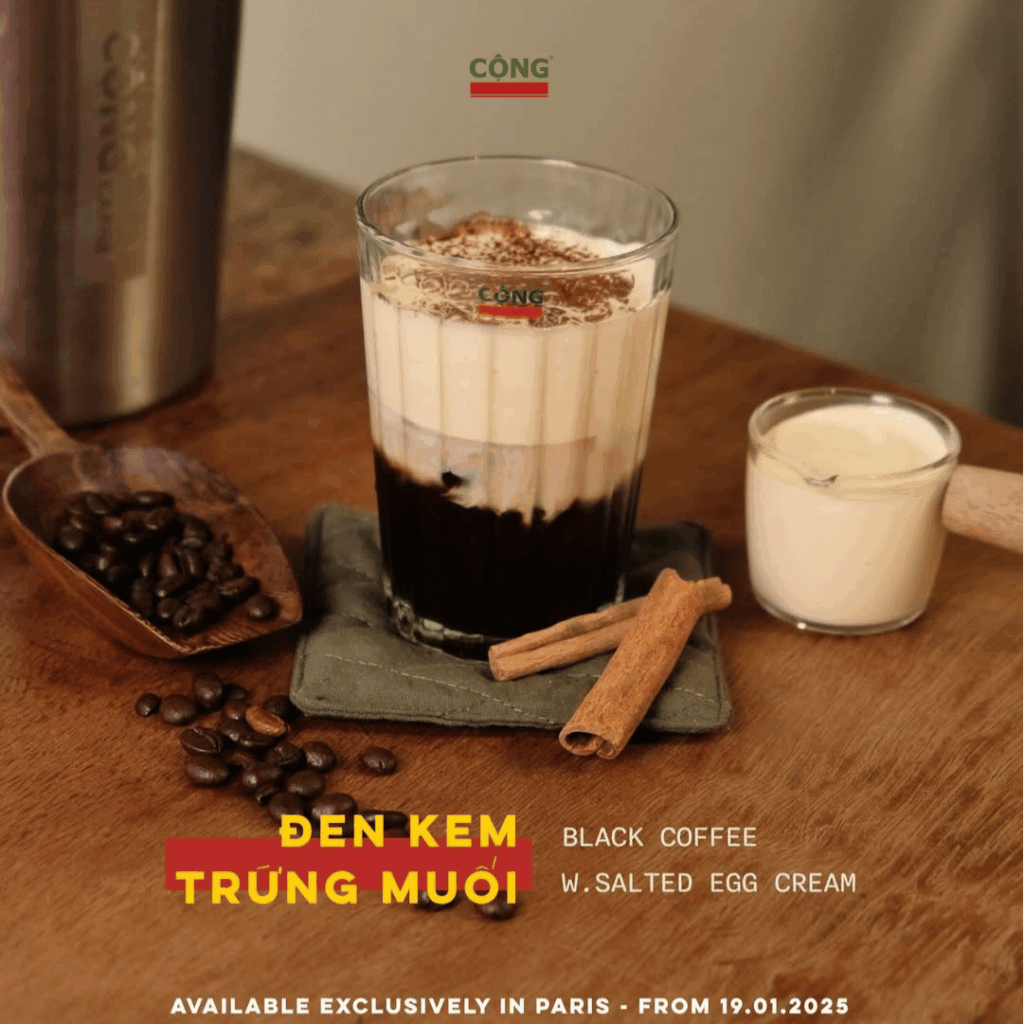
    Black Coffee w. Salted Egg Cream pairs the salted cream with pure black Robusta, letting the bitterness of the coffee come through most clearly beneath the sweet, airy topping.

    Brown Coffee w. Salted Egg Cream adds condensed milk to the coffee base itself, layering sweetness on sweetness in a way that leans further toward dessert territory.

    Cacao w. Salted Egg Cream swaps the coffee base for cacao entirely, a version built for those who want the texture and ritual of the salted egg cream without the caffeine intensity of Robusta underneath it.
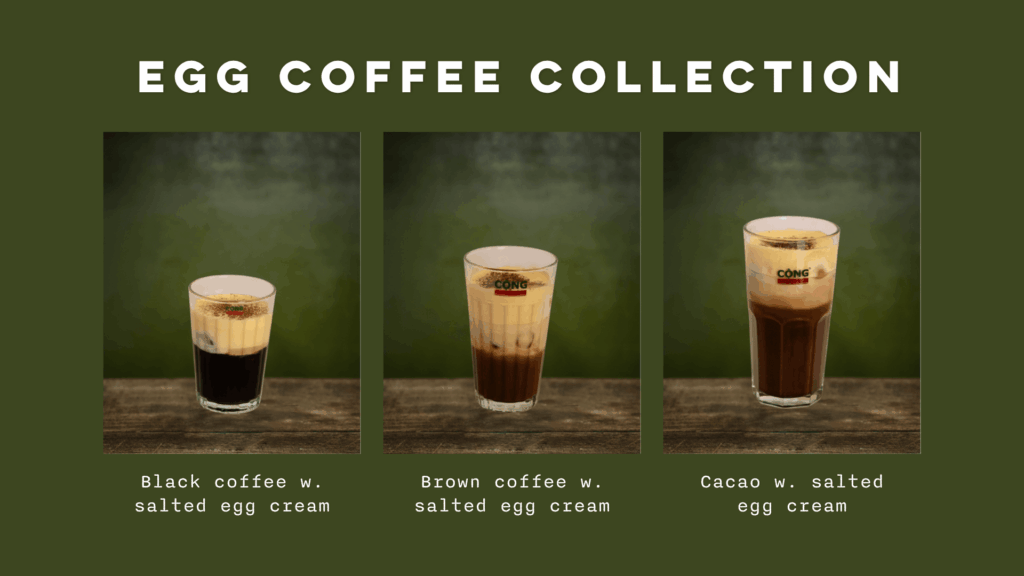
    How to Enjoy Egg Coffee Like a Hanoian

    Part of the magic of egg coffee lies not only in its flavor but also in how it’s enjoyed. In Hanoi, drinking coffee is rarely rushed. It’s a moment to slow down, chat with friends, or simply watch the city go by. Here are a few simple tips to enjoy egg coffee the local way.

    Stir gently before drinking. The cream sits on top for presentation, but a slow, gentle stir folds it into the coffee below rather than mixing it all at once, letting the flavors introduce themselves gradually.

    Sip slowly. This is not a drink to rush. Part of the appeal of egg coffee has always been the pace it demands, a reason to sit rather than to grab and go.

    Enjoy it while warm, if you have ordered a hot version. The cream loses some of its silkiness as the drink cools, so the first few sips are typically considered the best.

    Pair it with something simple. A bánh mì or a light pastry alongside egg coffee is a natural match in Vietnam, where the richness of the drink is offset by something plainer on the side.

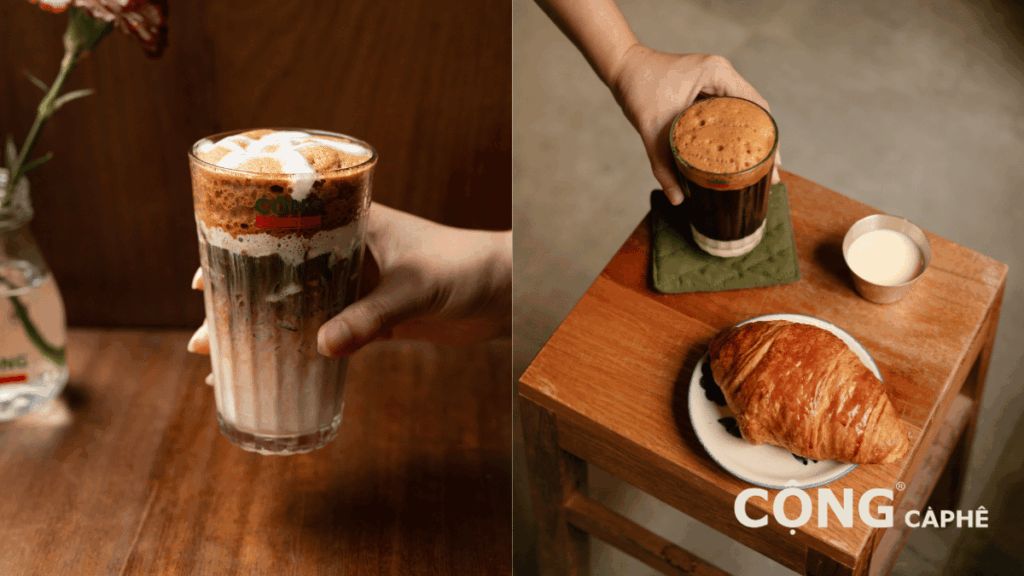
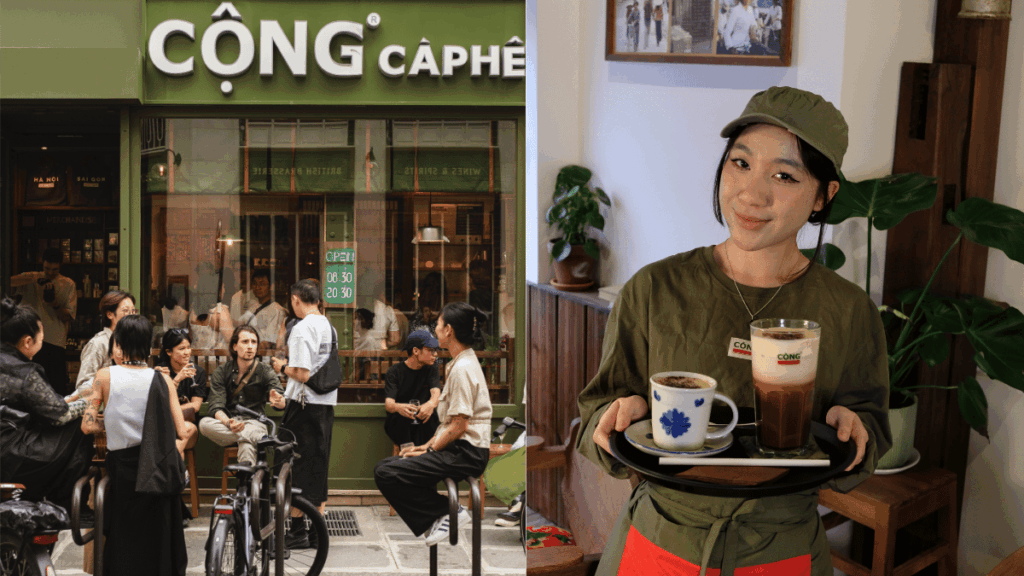
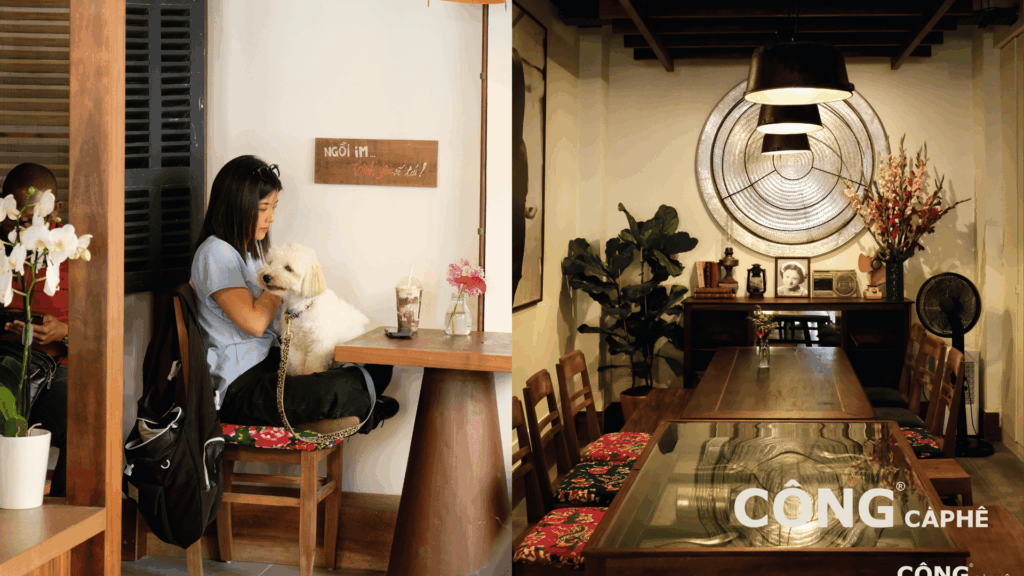
    Find a place that feels like Hanoi. Part of what makes egg coffee memorable is the setting. Cộng Cà Phê’s interior, drawn from Vietnam’s aesthetic with its worn furniture and vintage details, gives the drink a room to match, closer to a Hanoi side-street café than a standard Parisian coffee bar.
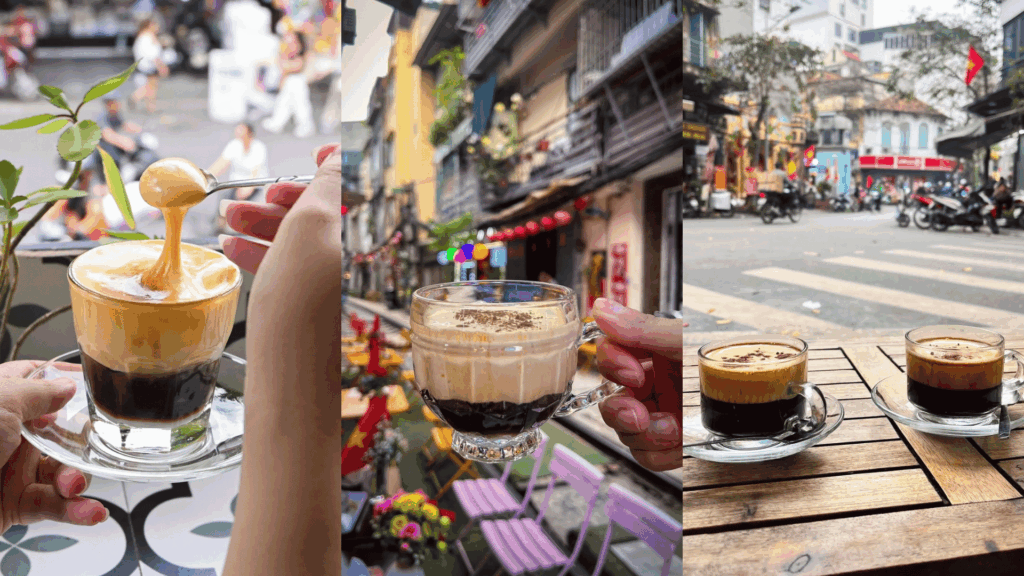
    Why Cộng Cà Phê Is Worth a Visit for Egg Coffee Lovers

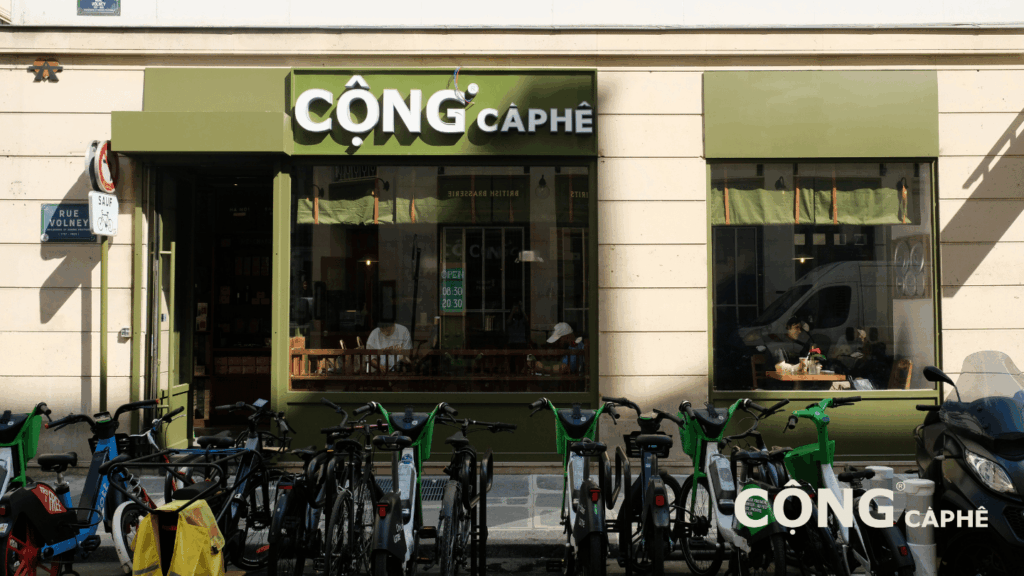
    Egg coffee is a drink that rewards context. Drinking it somewhere that treats Vietnamese coffee as a full tradition rather than a single imported novelty changes the experience considerably, and that is where Cộng Cà Phê distinguishes itself in Paris. At 18 Rue Volney, the salted egg cream collection sits alongside the brand’s better-known Coconut Coffee and traditional phin brews, part of a menu built entirely around Vietnam’s Robusta coffee culture rather than a single borrowed item.

    The space itself does much of the storytelling. Furniture and decor inspired by 1980s Hanoi households surround every table, and the pace inside encourages the same unhurried sipping that egg coffee has always called for. For anyone who wants to understand why this drink has become so iconic, or for anyone who already loves it and is looking for a version worth seeking out in Paris, Cộng Cà Phê offers both the drink and the atmosphere that shaped it.

    Frequently Asked Questions About Egg Coffee

    Does egg coffee taste like eggs? Not in the way the name might suggest. The egg yolk is whipped with sugar and condensed milk into a light, airy cream that tastes closer to custard or meringue than to raw egg, with no eggy flavor coming through.

    Is egg coffee sweet? Yes, noticeably so. The whipped cream is built from condensed milk and sugar, giving the drink a dessert-like sweetness that sits on top of the bitterness of the coffee beneath it.

    Is egg coffee served hot or cold? Both are common. Traditionally served hot in Hanoi, iced versions have become widely available as well, and the choice generally comes down to personal preference and the season.

    Is it safe to drink? Egg coffee has been served safely across Vietnam for decades. The egg yolk mixture is typically gently heated rather than left raw, which reduces food safety concerns, though anyone with an egg allergy or particular sensitivity should ask about preparation before ordering.

    Does it contain caffeine? Yes. The base of the drink is strong Vietnamese Robusta coffee, known for its higher caffeine content compared to Arabica, so egg coffee delivers a notable caffeine kick beneath its dessert-like top layer.
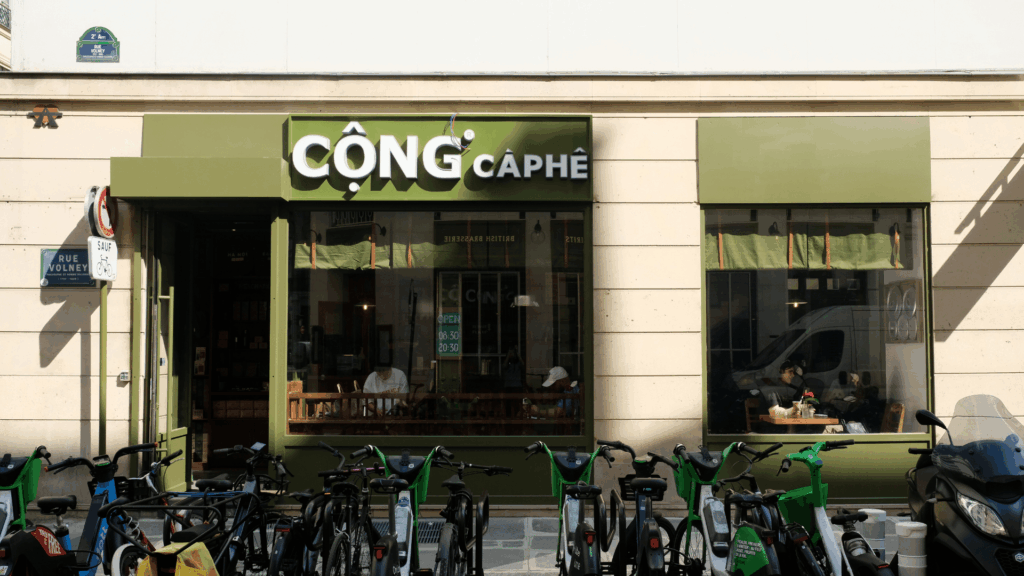
    Ready to try it for yourself? Follow Cộng Cà Phê France on Instagram for a look inside the space before you go, or visit 18 Rue Volney, 75001 Paris, to order from the salted egg cream collection in person.
  • Bubble Coffee: A Different Way to Enjoy Coffee and Boba

    Bubble Coffee: A Different Way to Enjoy Coffee and Boba

    Bubble coffee sits at the intersection of two things people already love. Here is what it is, why it works, and where to try a Vietnamese version in Paris.

    What it actually is, and why it is worth trying, is a more interesting question.

    What Is Bubble Coffee?

    Bubble coffee brings together the two elements its name describes: coffee, as the flavour and caffeine base, and boba, the tapioca pearls that define bubble tea’s texture. In most versions, the drink is built around a milk tea base, which softens the coffee’s bitterness while adding body and sweetness. The boba pearls settle at the bottom, providing the characteristic chewiness that makes the format so satisfying to drink.

    Some versions also include jelly, either coffee jelly or a softer coconut variant, which adds a second texture layer alongside the boba. The overall effect is something quite different from both a standard iced coffee and a classic bubble tea. The coffee gives it depth and a slight edge of bitterness. The milk tea base rounds that out. The toppings turn it into something you eat as much as drink.

    It appeals to coffee lovers who want a more playful format and to bubble tea drinkers who want something with a little more substance. For people who regularly order both, it feels like a logical combination rather than an unusual one.

    Why Coffee and Boba Work Better Than You Might Expect

    The pairing works for a straightforward reason: contrast. A strong coffee base, particularly one with some natural bitterness, sits well against the sweetness of a milk tea and the neutral chewiness of tapioca pearls. Each element balances the others without any one flavour taking over completely.

    Boba, on its own, is textural rather than flavourful. It adds chew and a mild sweetness, but it does not compete with what surrounds it. That makes it an unusually adaptable topping, more at home with coffee than it might initially seem. The same logic applies to jelly, which is even lighter in flavour and contributes mostly through its soft, yielding texture. Together, these toppings give a coffee drink a different kind of pleasure.

    A Vietnamese Approach to Bubble Coffee

    Vietnam has a long history of taking coffee seriously and then finding unexpected ways to use it. The country’s coffee culture is not built around its own methods, its own beans, and its own combinations. Condensed milk coffee, cà phê sữa đá, became iconic not because it was borrowed from somewhere else but because it reflected what Vietnamese drinkers actually wanted: strong Robusta coffee balanced by the dense sweetness of condensed milk, served over ice.

    From there, the combinations kept coming. Egg coffee, cà phê trứng, emerged from Hanoi in the 1940s and placed whipped egg yolk on top of coffee, creating something closer to a dessert than a beverage. Coconut coffee, cà phê cốt dừa, layered coconut cream over phin-brewed coffee for a tropical richness. Each of these drinks followed the same underlying logic: start with bold, concentrated coffee and pair it with something that complements rather than dilutes it.

    Bubble coffee is another entry in a tradition of creative coffee combinations built around a strong, flavourful base. The boba and jelly formats that arrived through Southeast Asian bubble tea culture were simply the next ingredient to fold in.

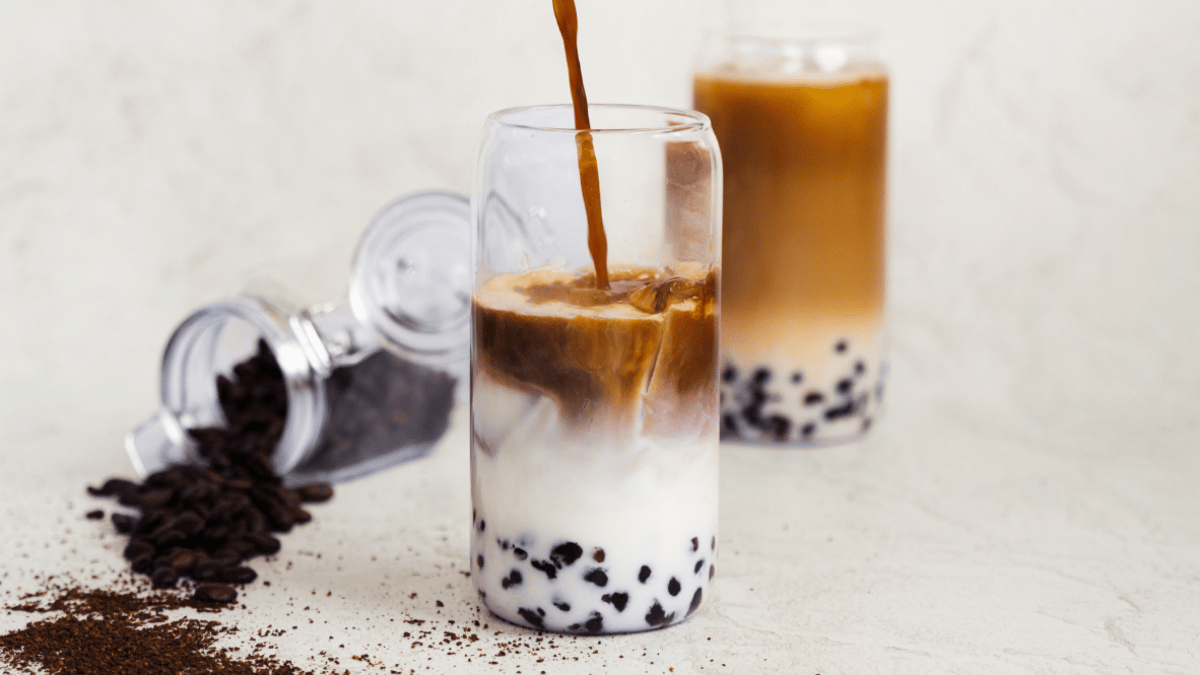
    High Mountain Coffee Milk Tea at Cộng Cà Phê

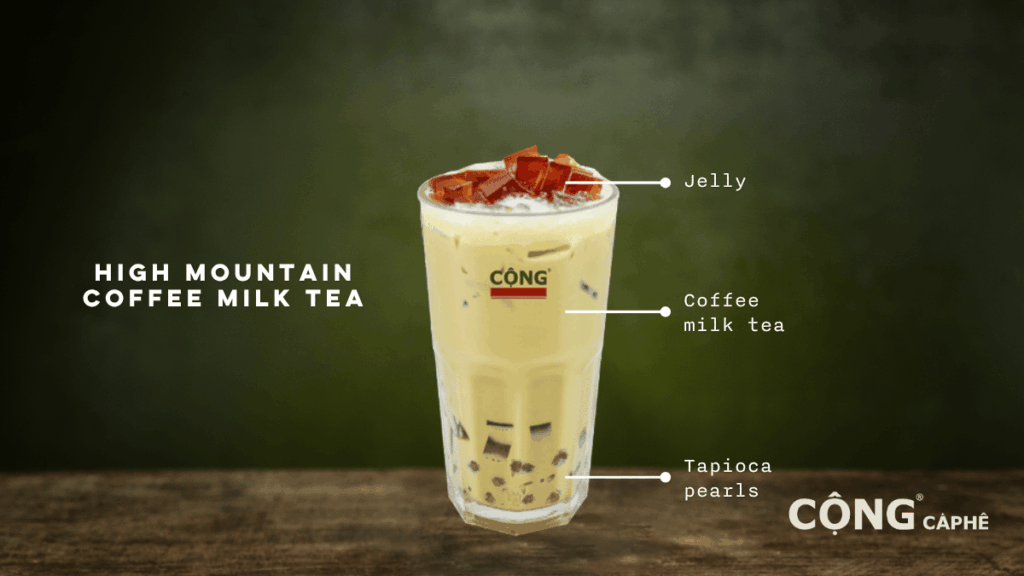
    At Cộng Cà Phê, this combination takes the form of the High Mountain Coffee Milk Tea, a drink that brings together several of the elements described above into a single glass.

    The base is a milk tea infused with strong mountain-grown tea and layered with a coffee flavour drawn from Robusta beans sourced from the highlands of Lâm Đồng. Lâm Đồng’s high-altitude growing conditions produce coffee with a particular intensity and earthiness, qualities that carry through even when the coffee is combined with milk tea and sweetener. The result is a base with genuine depth rather than a generic coffee flavour.

    On top of that, boba pearls and jelly. The boba adds the familiar chewiness; the jelly introduces a softer second texture. Both sit against the creamy, slightly sweet milk tea base, and the whole drink is assembled cold and best enjoyed slowly.

    Where to Try Bubble Coffee in Paris

    Paris has no shortage of bubble tea shops, and coffee is one of the city’s most reliably excellent things. A drink that combines the two with any seriousness is harder to find.

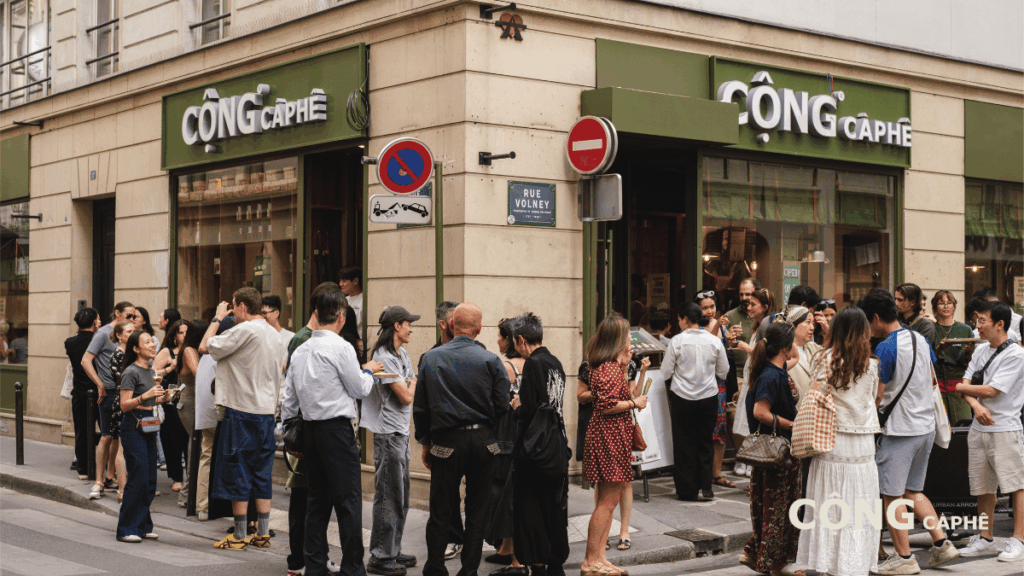
    Cộng Cà Phê, at 18 Rue Volney in the 1st arrondissement, is built around Vietnamese coffee culture rather than European café conventions. The interior draws on the aesthetic of 1980s Hanoi which is warm, slightly worn, deliberately unhurried, and the menu reflects a tradition of coffee that prioritises flavour and character over familiarity. The High Mountain Coffee Milk Tea fits that sensibility – it is a Vietnamese drink in a Vietnamese café, available in the centre of Paris.

    If you are curious about bubble coffee, this is a comfortable place to start, whether coffee or bubble tea is usually your first instinct. Cộng Cà Phê Paris is located at 18 Rue Volney, 75001 Paris. Explore the full menu at congcaphe.fr.

  • Green Rice: A Beginner’s Guide to Vietnam’s Cốm

    Green Rice: A Beginner’s Guide to Vietnam’s Cốm

    Green rice, or cốm, is Vietnam’s most quietly extraordinary ingredient: young, hand-harvested, and carrying the scent of harvest season. Here is everything you need to know about it, and where to taste it in Paris.
    What Is Green Rice, and What Does It Taste Like?

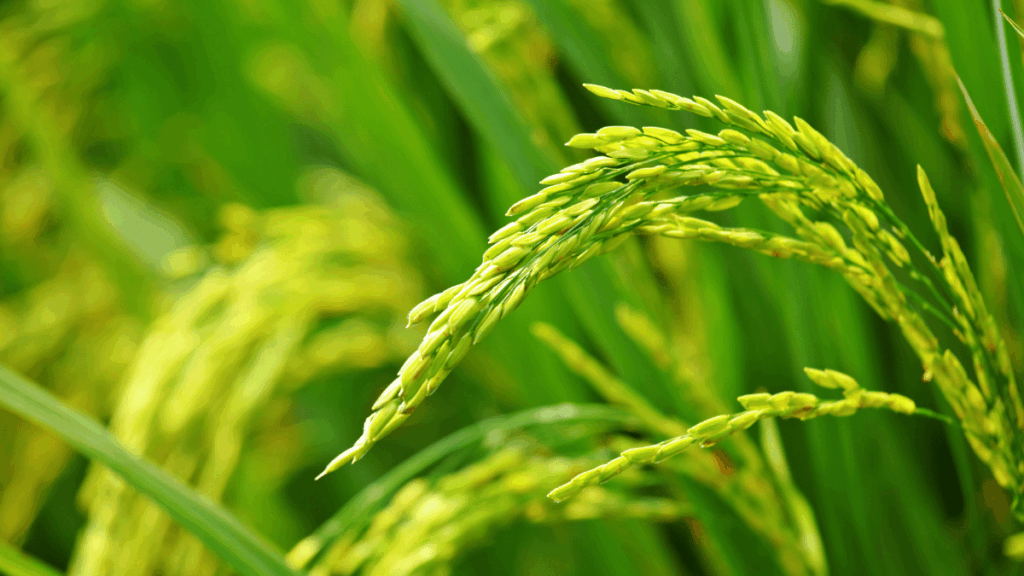
    Cốm is young, unripe glutinous rice that has been harvested before it fully matures, then lightly roasted and hand-pounded to produce flat, jade-green grains. It is one of the most quietly distinctive ingredients in Vietnamese cuisine, and one of the least understood outside the country.

    The flavour is subtle and layered: a faint grassy sweetness from the unripe grain, a gentle nuttiness from the roasting, and a soft, yielding chew that is quite unlike any other form of rice. The colour which is a natural shade of green, comes from the chlorophyll still present in the young husk. There is no dye, no additive, nothing artificial. The grain earns its colour the same way it earns its flavour: through timing.

    Fresh green rice is harvested only in autumn, roughly from September through November, which means it is a seasonal ingredient in the truest sense. This seasonality is part of what makes it precious, and why a bowl of fresh cốm, eaten with a ripe banana or a cup of coffee, is one of those small Vietnamese rituals that people carry with them long after leaving home.

    How Green Rice Is Made

    The production of cốm is labour-intensive, and largely unchanged for centuries. The rice fields used for cốm are harvested earlier than fields intended for ordinary rice when the grains are still soft, filled with a milky sap rather than a firm starch. Once cut, the stalks are transported quickly to avoid over-ripening.

    The grains are then parched in large woks over a wood fire, turned continuously to ensure even heat, and removed before they harden. After cooling, they are pounded gently in a stone or wooden mortar, a process repeated multiple times to flatten the grain and separate the husk without crushing the flesh underneath. The husks are winnowed away between each pounding, and the resulting flakes are left with a clean surface and a chewy texture.

    In Hanoi, the village of Vòng, in the Cầu Giấy district, has been the historical centre of cốm production for generations. Cốm làng Vòng, as it is known, carries a reputation for quality that extends across the country. Families who have produced it for decades speak of the work in terms of intuition as much as technique: knowing when the fire is right, when the grain has been pounded enough, when the colour has reached the correct depth of green.

    What Is Green Rice Used For?

    Cốm appears across a range of Vietnamese dishes from the simplest preparations to the most complicated, always with that same characteristic flavour and texture at the centre.

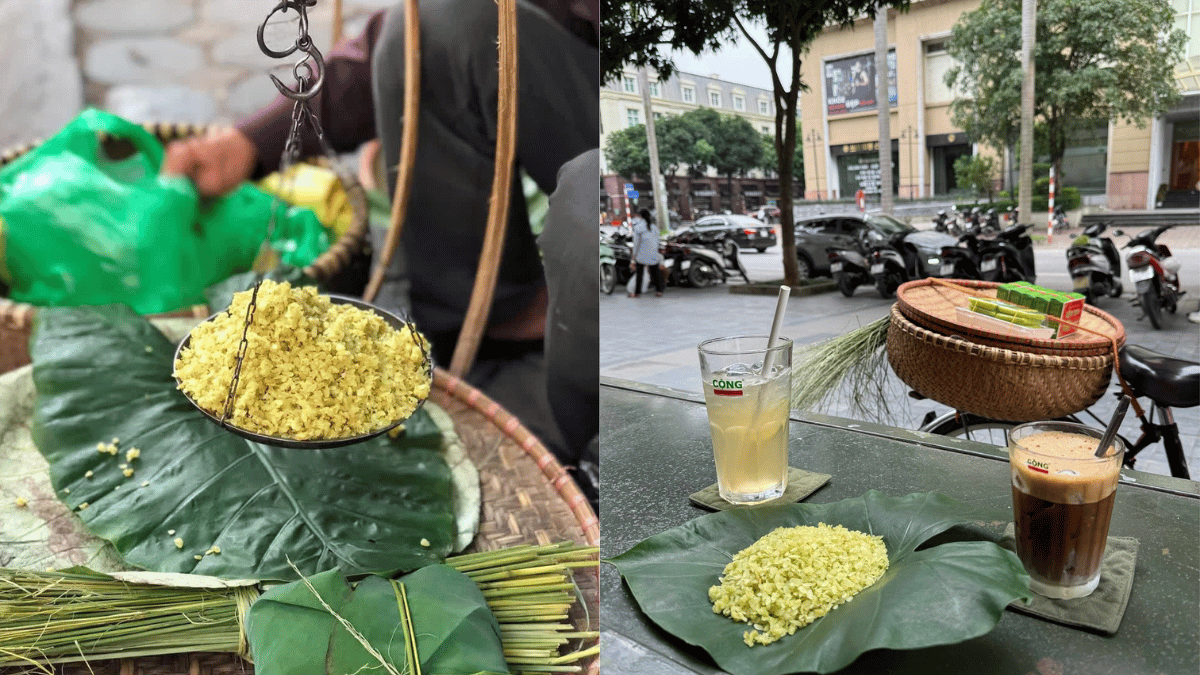
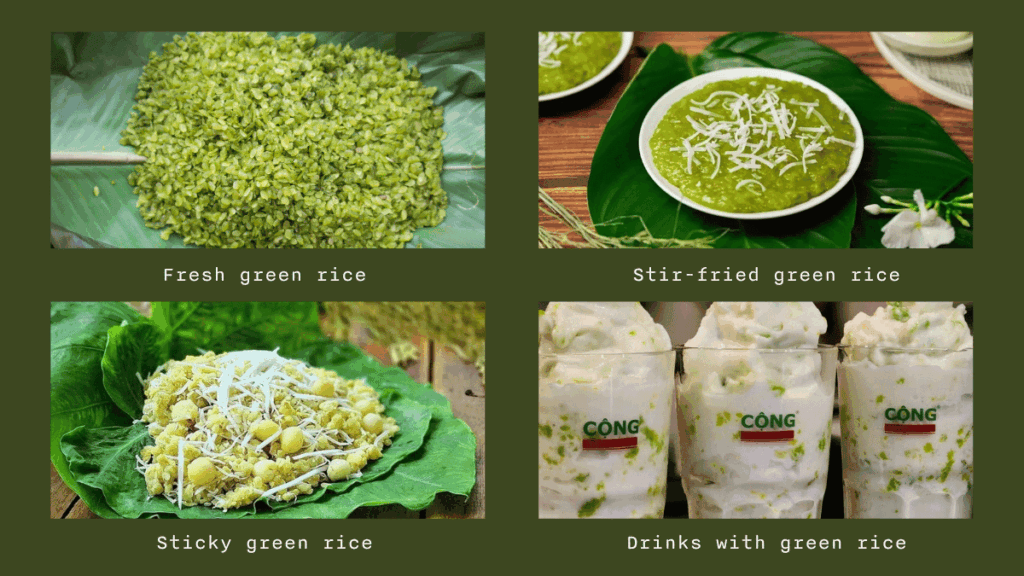
    Fresh green rice (cốm tươi) is the simplest way to experience cốm: soft, fragrant, and lightly sweet, often eaten as it is or paired with ripe banana. In Hanoi, especially during autumn, it is commonly enjoyed slowly on the street, wrapped in lotus leaves and eaten alongside a cup of coffee.

    Stir-fried green rice (cốm xào), often with coconut, sugar and oil until the grains toast further and develop a richer, nuttier flavour. The result is eaten as a sweet, and has the deeply satisfying quality of something simple made carefully.

    Sticky green rice (xôi cốm) is a common desesert acroiss the north which is steamed with coconut milk and sometimes topped with lotus seed and shredded coconut.

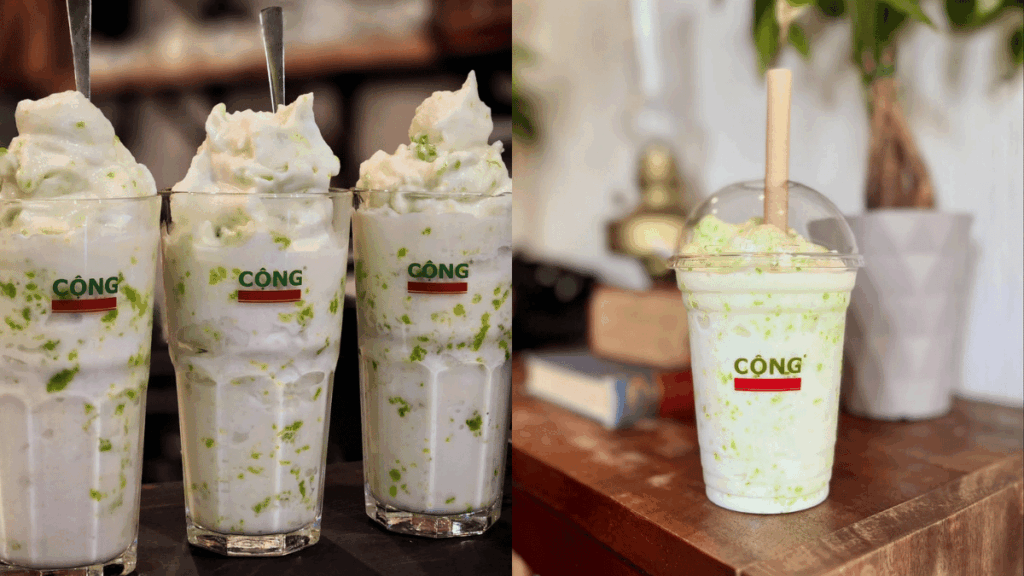
    Drinks with green rice represent a more contemporary use of the ingredient. Green rice has found its way into Vietnamese café culture, blended into smoothies, layered into drinks with coconut cream and crushed ice. The flavour translates remarkably well into cold drink format, retaining its grassy, slightly sweet character against the richness of coconut.

    Where to Try Green Rice in Paris

    Since green rice is both seasonal and delicate to transport at peak quality, discovering a dessert made with it in Paris often feels like a rare surprise.

    Source: Customer’s feedback

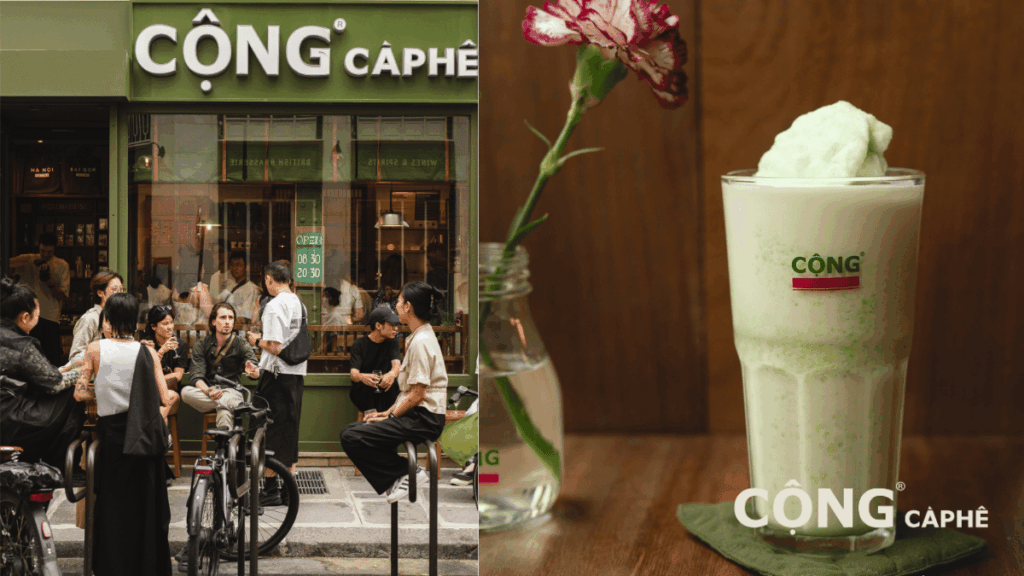
    At Cộng Cà Phê, 18 Rue Volney, 75001 Paris, the menu draws on the café culture of Hanoi that produced some of Vietnam’s most enduring recipes. The café serves a coconut green rice drink that blends together crushed ice, coconut cream, and green rice. The drink carries the flavour of an autumn afternoon in Hanoi into the middle of a Paris street.

    It is worth seeking out, particularly if your experience of Vietnamese café culture has been limited to phin coffee and bánh mì. The green rice drink sits in a different register entirely: sweeter, more fragrant, more seasonal in spirit, and entirely unlike anything else on the menu or on most menus in the city. You can explore the full drink selection at Cộng Cà Phê Paris before your visit.

    If you are in the 1st arrondissement and looking for a dessert that is made from green rice and genuinely rooted in Vietnamese culinary tradition rather than adapted for a generic international audience, this is the address. Cộng Cà Phê Paris is located at 18 Rue Volney, 75001 Paris. The green rice coconut drink is available during regular café hours. For more on the menu and the story behind the brand, visit congcaphe.com.

  • Natural Coffee Vietnam: What Makes Vietnamese Coffee Different?

    Natural Coffee Vietnam: What Makes Vietnamese Coffee Different?

    Vietnam is one of the world’s largest coffee producers, yet for many people outside the country, Vietnamese coffee still feels surprisingly unfamiliar. The drinks look different, the brewing method moves more slowly, and the flavours often feel stronger than what many coffee drinkers expect.

    Searches for “natural coffee Vietnam” often begin with curiosity: Why does Vietnamese coffee taste so distinctive? Is it naturally stronger? And what makes the experience feel so different from a typical European café?

    The answer lies not in a single ingredient, but in a combination of coffee beans, brewing traditions, and everyday rituals that have shaped how coffee is enjoyed across Vietnam.

    Natural Coffee in Vietnam

    In Vietnam, coffee is often understood less as a specialist product and more as an everyday ritual.

    When people refer to natural coffee in Vietnam, they often mean coffee made with relatively simple ingredients and traditional brewing methods rather than highly processed drinks or elaborate café techniques. Vietnamese coffee culture tends to prioritise bold flavour, slow preparation, and combinations that feel practical rather than overly complicated. Coffee is not treated as an occasional luxury. It is part of everyday life.

    Across Vietnam, cafés open early in the morning and stay busy throughout the day. Small stools spill onto pavements, conversations stretch over slowly brewed coffee, and drinks are meant to be enjoyed rather than rushed. In many ways, Vietnamese coffee culture feels closer to a daily habit than a trend.

    Robusta vs Arabica: Why Vietnamese Coffee Tastes Different

    One of the biggest reasons Vietnamese coffee tastes different comes down to the beans themselves.

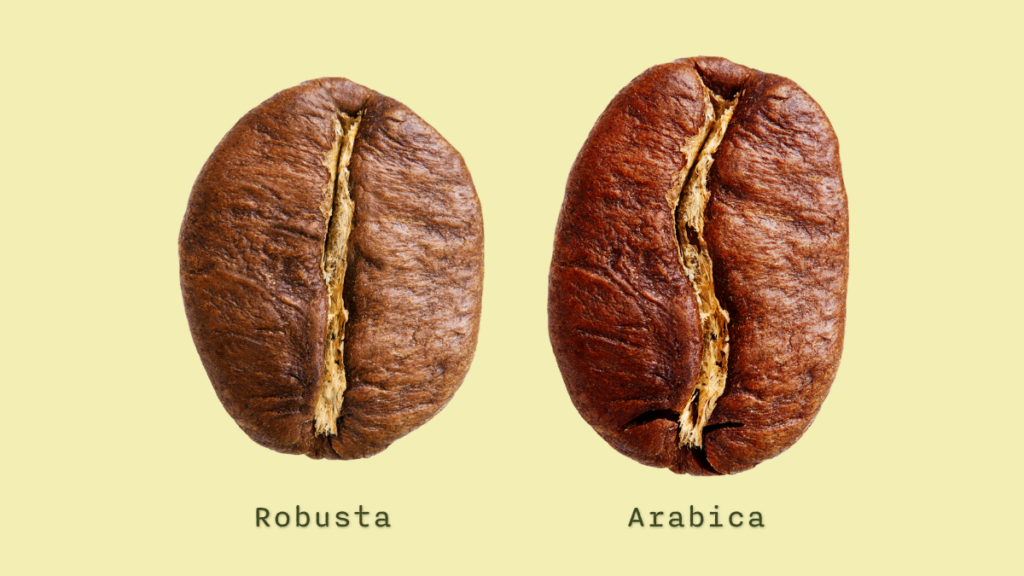
    While many European cafés rely heavily on arabica, Vietnam is best known for growing robusta coffee. Robusta naturally contains more caffeine and tends to produce a flavour that feels stronger, darker, and more intense. Arabica coffee is often described as lighter, fruitier, or more delicate. Robusta, by contrast, leans deeper and bolder, with a fuller body and more bitterness.

    This difference helps explain why Vietnamese coffee often feels immediately recognisable, particularly for first-time drinkers. Rather than soft acidity or floral notes, Vietnamese coffee tends to deliver a richer, more concentrated experience. That intensity forms the foundation for many of Vietnam’s most iconic coffee drinks.

    Traditional Brewing Methods: The Vietnamese Phin

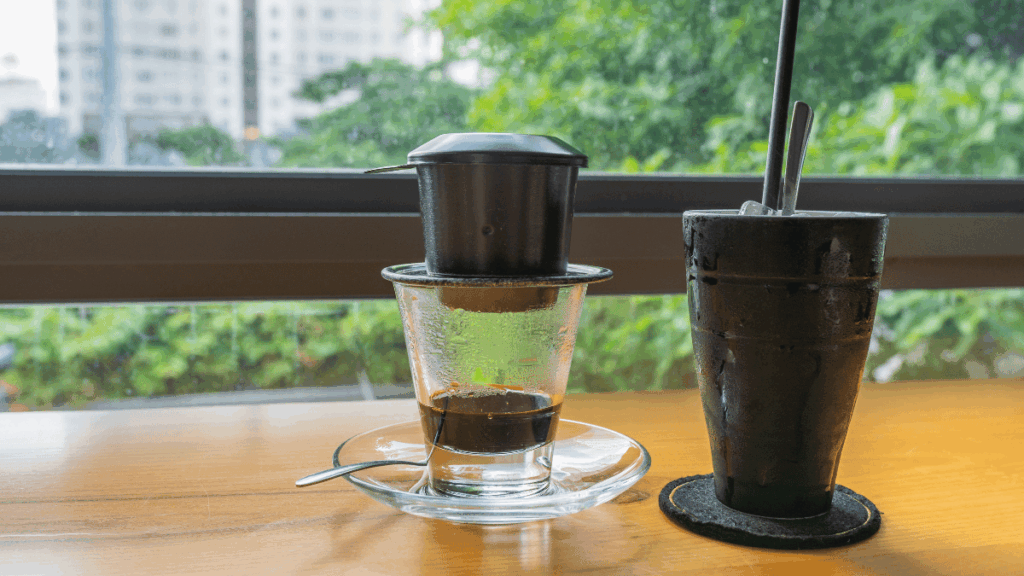
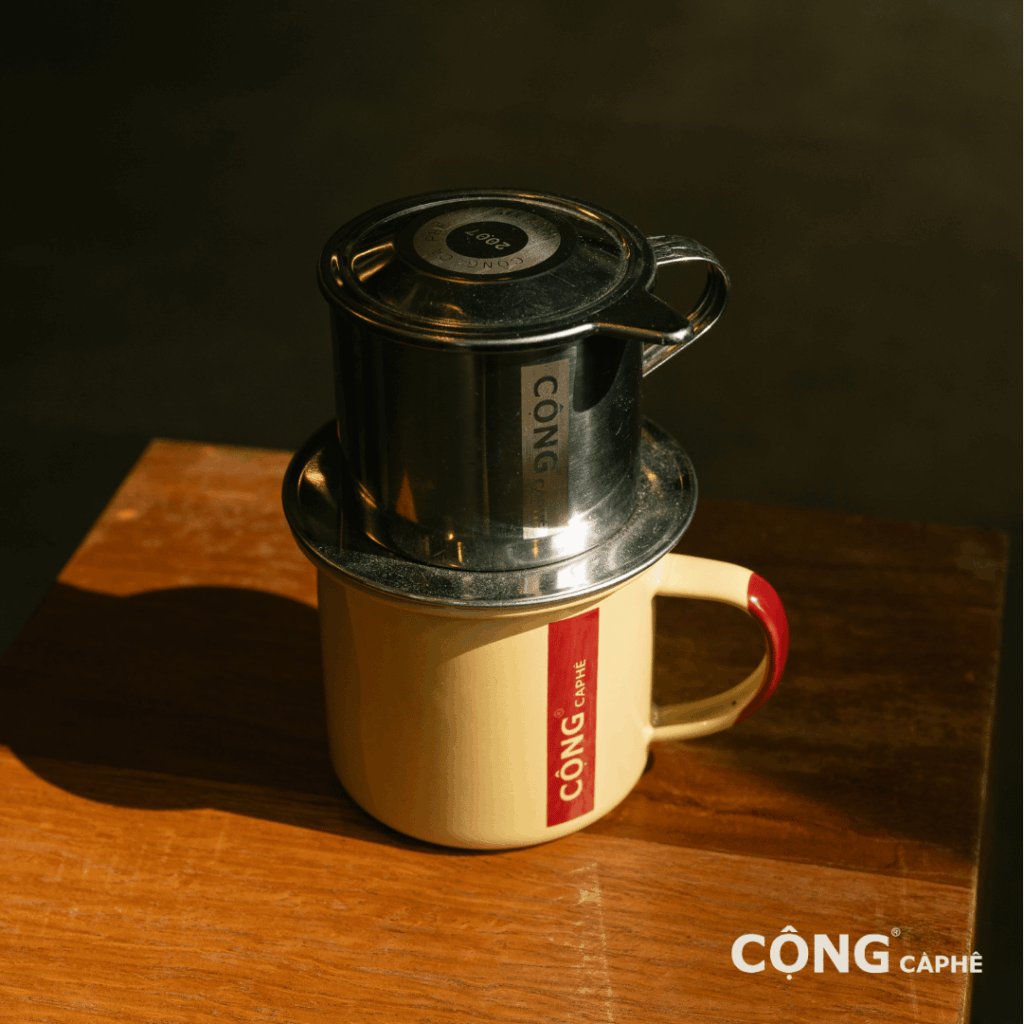
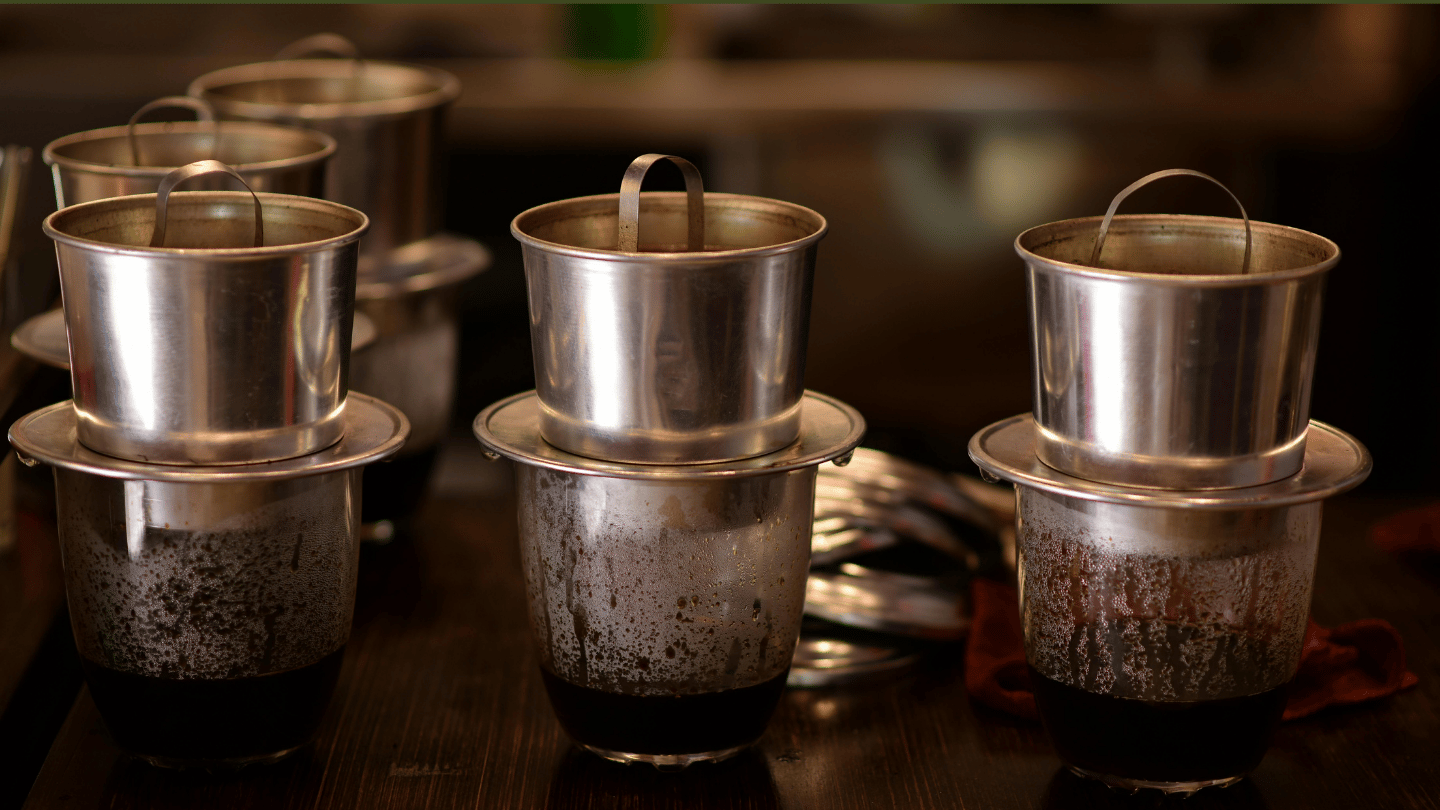
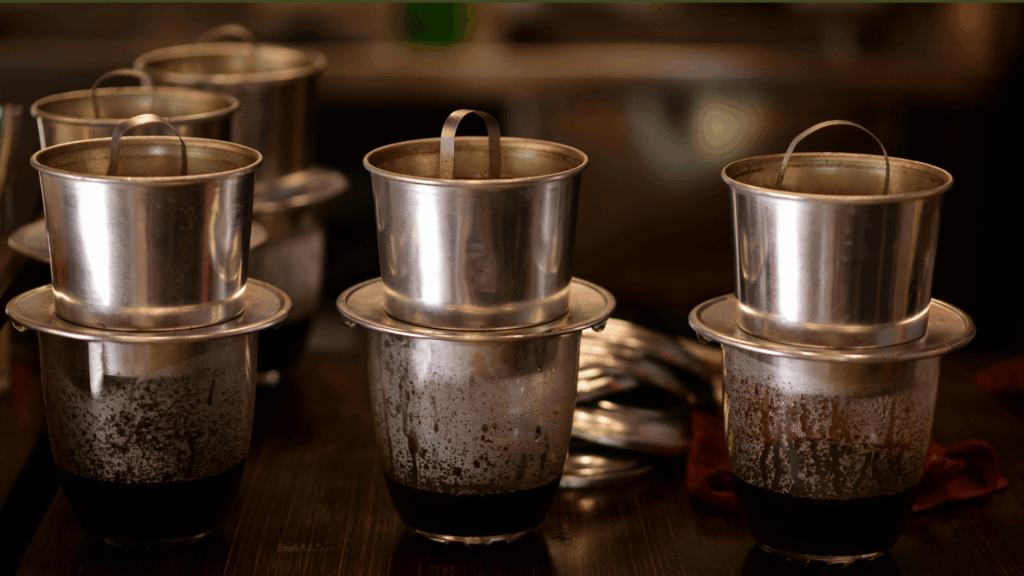
    Another reason natural coffee Vietnam feels different lies in how it is brewed. In Vietnam, coffee is traditionally made using a phin, a small metal drip filter placed directly on top of the cup.

    Unlike espresso machines that rely on pressure and speed, the phin works slowly. Hot water passes gradually through ground coffee, creating a concentrated brew one drop at a time. Its simplicity is part of the appeal. No large machine, specialised equipment, or electricity is required.

    Across Vietnam, the phin remains part of everyday life. It appears at home and in cafés alike not as a niche brewing tool for enthusiasts, but simply as the ordinary way coffee is prepared. Rather than drinking coffee immediately, many people pause and watch the slow drip unfold. In Vietnam, coffee often creates a reason to slow down rather than speed up.

    Why Vietnamese Coffee Tastes Stronger

    If Vietnamese coffee tastes stronger than what you are used to, there are several reasons.

    First, robusta beans naturally contain more caffeine, giving the coffee more intensity. Second, the phin brewing process creates a concentrated cup, producing coffee with depth and body rather than lighter extraction. Finally, Vietnamese coffee culture often embraces boldness rather than softening it. Bitterness is not avoided entirely. Instead, it is balanced.
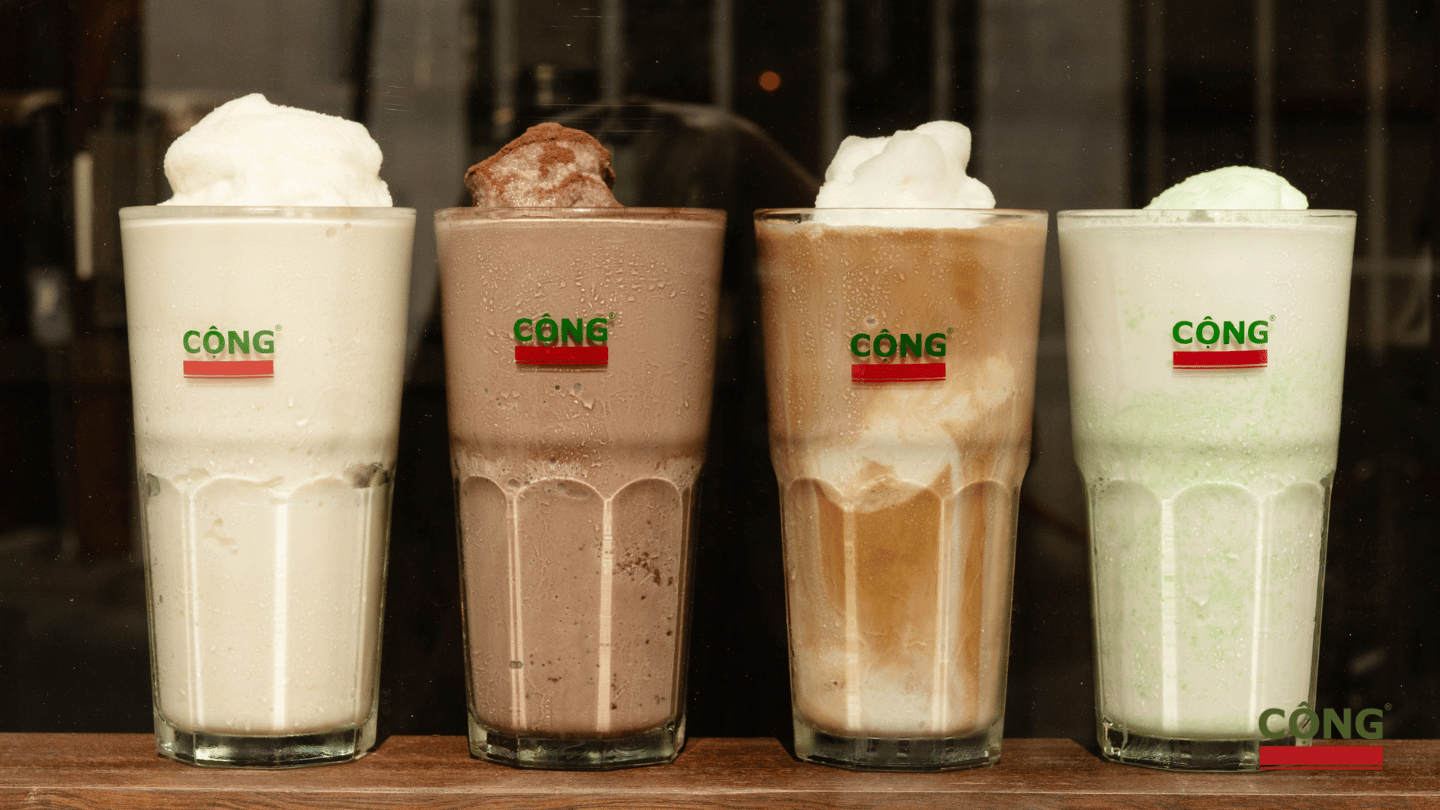
    This is where some of Vietnam’s most recognisable coffee combinations come in. Rather than masking coffee, ingredients are often added to complement its strength.
    Condensed Milk and Vietnam’s Signature Coffee Combinations

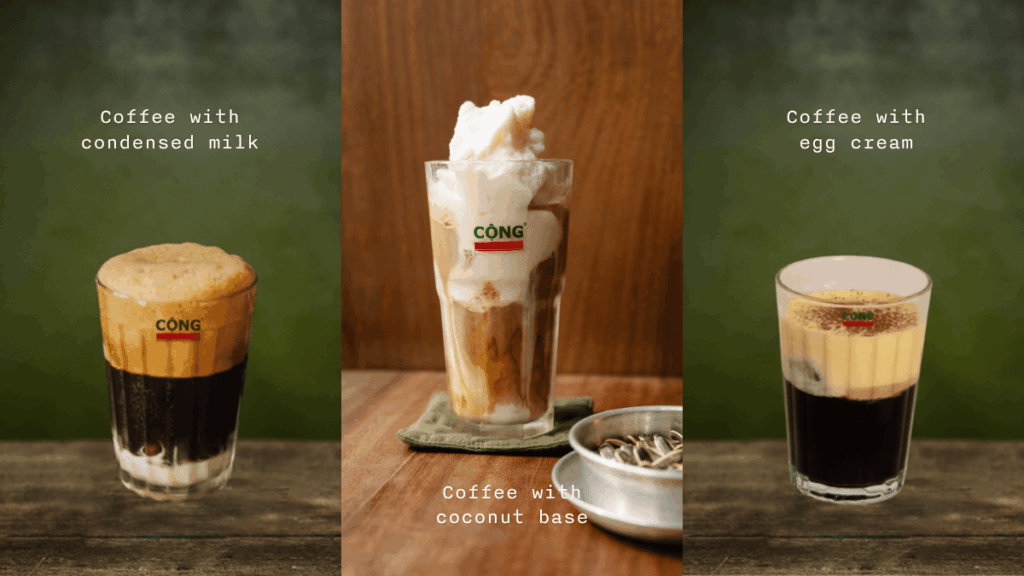
    Perhaps the most famous example is cà phê sữa đá, or Vietnamese iced coffee with condensed milk. Made with strong black coffee poured over sweetened condensed milk and ice, it balances bitterness with sweetness in a way that feels refreshing rather than heavy. The ingredient list is remarkably simple, yet the result feels unexpectedly layered. But condensed milk is only one expression of Vietnamese coffee culture.

    Egg Cream Coffee

    Egg coffee, or cà phê trứng, may sound unusual at first, but it has become one of Vietnam’s most iconic drinks. Strong coffee is topped with soft whipped egg cream, creating a contrast between bitterness and richness that gradually changes with every sip. The drink is often associated with Hanoi and has become a favourite among travellers looking to experience something distinctly Vietnamese.

    Coconut Coffee

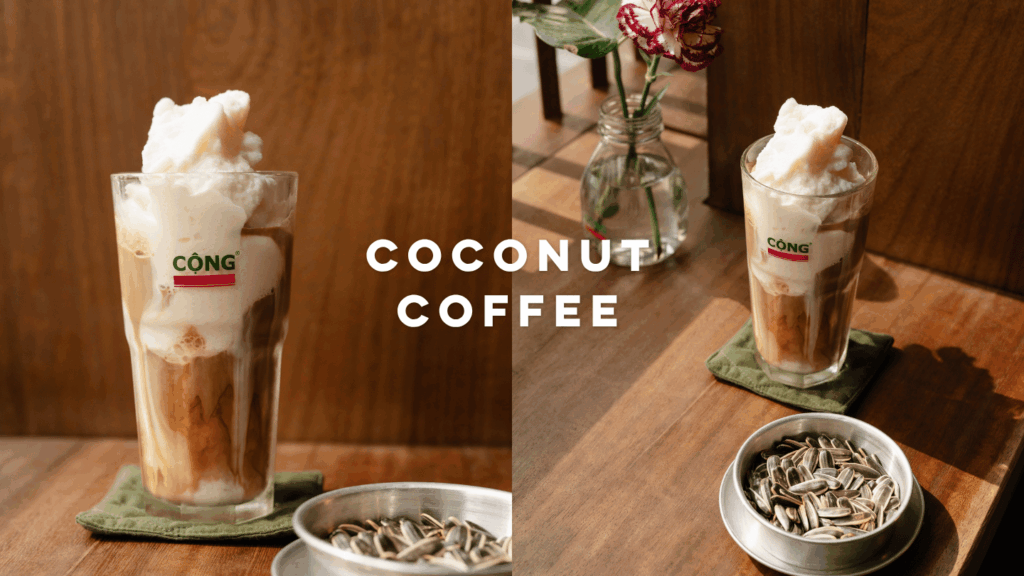
    For those looking for something lighter and more refreshing, coconut coffee offers a completely different experience. Known as cà phê cốt dừa, it combines Vietnamese coffee with creamy coconut, often served cold or blended with crushed ice. Rich yet cooling, it has become increasingly popular for people new to Vietnamese coffee.

    Together, these drinks reflect something important about Vietnamese café culture: bold coffee rarely stands alone. Instead, it evolves into combinations that feel creative while remaining deeply tied to everyday habits.

    Where to Try Vietnamese Coffee in Paris

    If reading about natural coffee Vietnam sparks curiosity, the easiest way to understand it is to try it.

    At Cộng Cà Phê Paris, located at 18 Rue Volney, visitors can experience Vietnamese coffee culture in a setting inspired by 1980s Hanoi. Founded in Hanoi in 2007, Cộng brings together traditional phin coffee, nostalgic interiors, and some of Vietnam’s most recognisable drinks. For first-time visitors, cà phê sữa đá (Vietnamese iced coffee with condensed milk) offers a classic starting point. Those looking for something more unexpected may want to try egg coffee, while coconut coffee provides a softer, refreshing introduction to Vietnamese flavours. More than anything, Vietnamese coffee is meant to be experienced slowly.

    If you are curious about what makes natural coffee Vietnam different, visit Cộng Cà Phê Paris, order something unfamiliar, and give yourself time to sit with it. The difference often becomes clear somewhere between the first sip and the last. Full menu with signature coffee drinks in Vietnam available at https://congcaphe.fr/menu

  • Egg Coffee Vietnam: History, Culture, and Where to Try It

    Egg Coffee Vietnam: History, Culture, and Where to Try It

    Egg coffee is one of Vietnam’s most celebrated café drinks which was born from wartime ingenuity in 1940s Hanoi and now recognised internationally. Discover its full story here!

    Cà phê trứng is a Vietnamese café drink made from strong black coffee topped with thick, whipped cream of egg yolk and condensed milk. It is served in a small cup with the pale cream floating above the dark coffee. The result is rich, complex, and unlike anything produced by espresso culture. But the drink’s real interest lies not only in what it tastes like, but in the circumstances that produced it.

    The Origin of Egg Coffee – Wartime Hanoi, 1946

    Egg coffee was created by Nguyễn Văn Giảng, a bartender working at the Sofitel Legend Metropole Hanoi in the 1940s – one of the grand colonial hotels of French Indochina, frequented by diplomats, journalists, and the city’s professional class.

    In the years following the First Indochina War, fresh milk became scarce in Hanoi. Importing dairy from France had become unreliable, and local supply was insufficient to meet the demands of the city’s café culture. Nguyễn Văn Giảng, faced with the practical problem of how to make a creamy café drink without cream or milk, turned to an ingredient that was neither scarce nor expensive: the egg yolk.

    Whipped with condensed milk until aerated and thick, the yolk produced a foam-like cream that could float on black coffee, hold its texture long enough to drink through, and deliver richness and sweetness without a drop of fresh milk. He called the drink cà phê trứng (egg coffee) and began serving it to guests at the Metropole.

    The drink was a solution born of necessity. But it was also, in the way that the best improvisations are, a genuinely better version of the problem it was solving.

    Source: Internet

    The Journey into Hanoi’s Everyday Coffee Culture

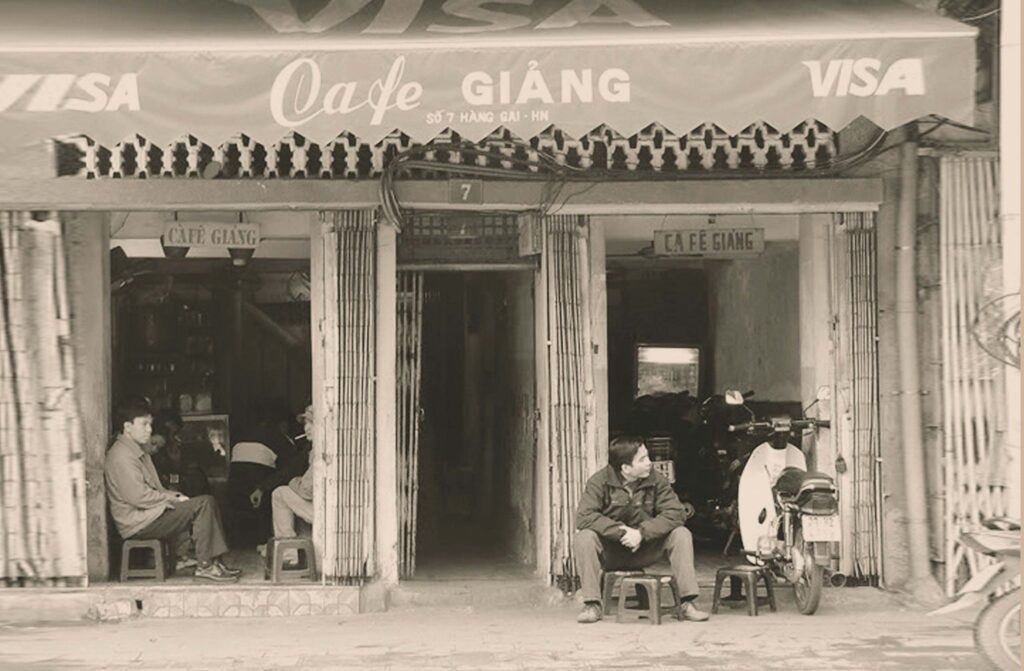
    Nguyễn Văn Giảng eventually left the Metropole and opened his own café, Giảng Café, on Nguyễn Hữu Huân street in the Old Quarter of Hanoi. The address became one of the city’s most enduring café institutions. Generations of Hanoians grew up drinking cà phê trứng there, seated on low wooden stools, the cup nested in a bowl of warm water to hold its temperature through a long conversation.

    Giảng Café still operates today, run by Nguyễn Văn Giảng’s descendants. The recipe has not changed. The setting has changed remarkably little. It remains one of the few places in Hanoi where the drink can be tasted in something close to its original context.

    Egg coffee spread slowly from there – first through the Old Quarter’s café culture, then across the city, then, over decades, across the country. Different cafés developed their own variations: some added a small amount of butter or cream cheese to the egg mixture for additional stability and richness; others introduced a cold version, the cream poured over ice; others played with flavour additions. But the core remained the same: concentrated Vietnamese coffee, whipped egg yolk, condensed milk and served in layers.

    From Hanoi Specialty to Global Curiosity 

    Egg coffee’s reputation outside Vietnam grew gradually, carried first by Vietnamese diaspora communities and then by food and travel media. The drink attracted sustained international attention when CNN Travel featured it among the best coffee experiences in the world, a recognition that introduced cà phê trứng to a global audience unfamiliar with Vietnamese café culture. The CNN coverage including a video feature filmed in Hanoi’s Old Quarter positioned egg coffee not as a curiosity but as a serious and culturally significant drink, comparable in depth and character to the most celebrated café traditions in Europe and East Asia.

    That recognition accelerated what Vietnamese cafés outside Vietnam had already begun: putting egg coffee on menus in Paris, London, New York, and beyond, often accompanied by a brief explanation of its origins for customers who had arrived at it through food media rather than through personal history with Vietnam.

    Where to Try Egg Coffee in Vietnam

    In Hanoi, the reference addresses are Giảng Café on Nguyễn Hữu Huân  street and a small number of Old Quarter cafés that have developed their own versions over decades. The hot version, served in a bowl of warm water, is the most traditional. Sitting at street level, on a low stool, in a narrow shophouse, is the most complete Vietnamese way to experience it.

    Where to Try Egg Coffee in Paris

    If you are looking for Vietnamese egg coffee in Paris, finding the right setting matters. At Cộng Cà Phê Paris, located at 18 Rue Volney, egg coffee is served within a café experience inspired by Hanoi’s coffee culture. Founded in Hanoi in 2007, Cộng brings elements of everyday northern Vietnamese life into its Paris space, from vintage décor and enamel cups to a slower, more relaxed atmosphere.

    For first-time visitors, egg coffee is often the drink to start with. Take your time with it, avoid stirring too quickly, and let the flavours gradually unfold. Pairing it with a Vietnamese bánh mì or another signature drink such as cà phê cốt dừa makes the experience even more memorable.

    Curious to try one of Vietnam’s most iconic drinks? Visit Cộng Cà Phê Paris and discover why egg coffee continues to surprise first-time visitors long after the first sip.

  • Egg Coffee: The Complete Guide for Beginner

    Egg Coffee: The Complete Guide for Beginner

    Rich, creamy, and unlike anything else in a café – egg coffee is one of Vietnam’s most distinctive drinks. Here’s what it is, what goes into it, how to make it, and where to find it in Paris.

    Egg coffee is one of those drinks that sounds stranger than it tastes. The name raises questions, the texture feels unexpected, and then the first sip makes everything easier to understand.

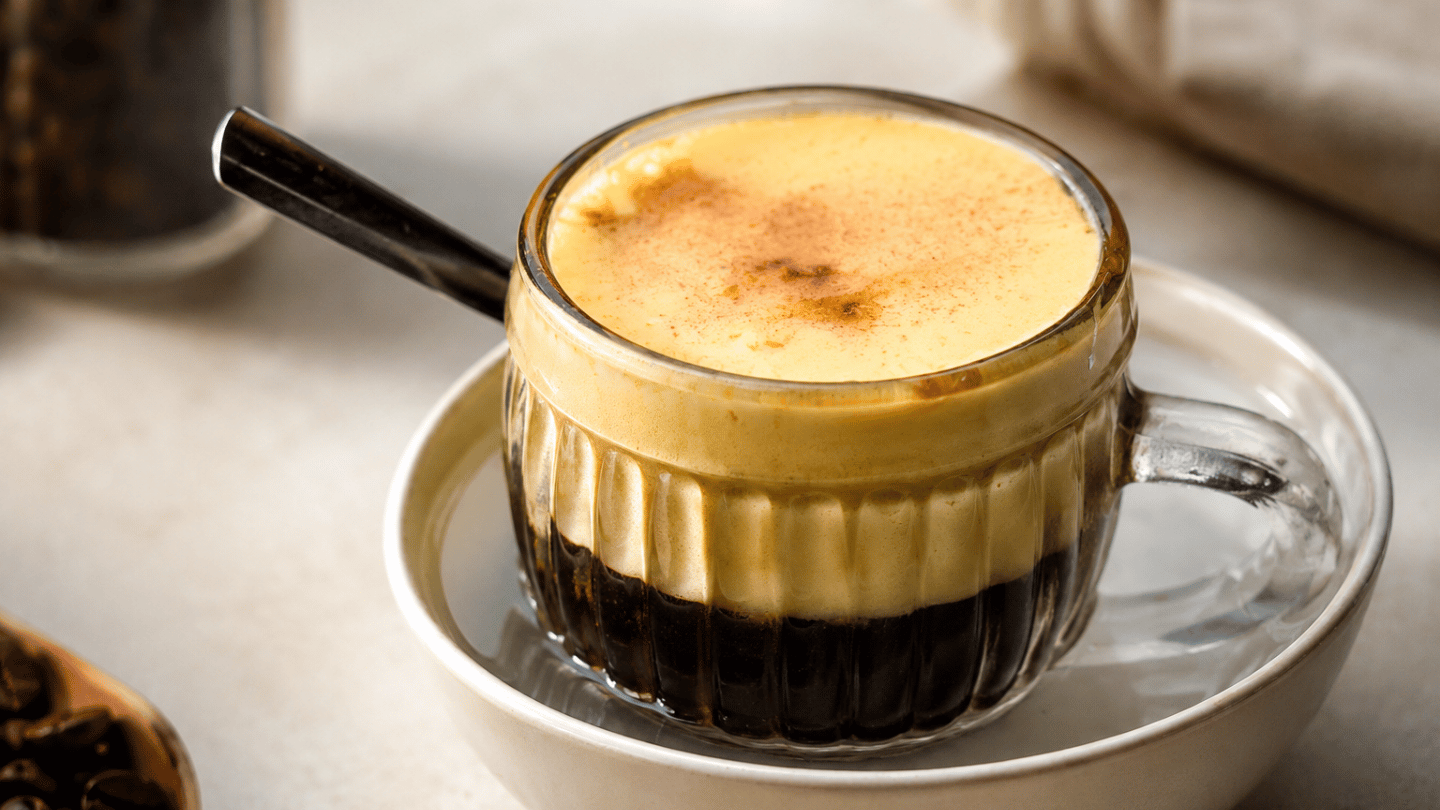
    Egg coffee is a Vietnamese coffee drink made from strong black coffee and thick whipped cream of egg yolk and condensed milk. It is served in a small cup with the cream floating in a pale, foam-like layer above the dark coffee beneath. You do not stir it. You drink through it, and every sip passes through both textures at once. The result is unlike anything produced by an espresso machine or a milk steamer, which is precisely why it has attracted attention far beyond Vietnam’s borders in recent years.

    What Is Egg Coffee?

    Egg coffee, known in Vietnamese as cà phê trứng, is a layered café drink in which brewed coffee serves as the base and a whipped mixture of egg yolk and condensed milk forms the topping. Depending on the recipe and the season, it is served either hot (the cup nested in a small bowl of warm water to maintain temperature) or cold (over ice, with the cream poured on top).

    The drink belongs to Vietnamese coffee culture, specifically to Hanoi, where it was created and where it remains most closely associated. Outside Vietnam, it is increasingly found in Vietnamese cafés in Paris, London, New York, and other cities with significant Vietnamese communities. It served both as a menu item and as a way of introducing non-Vietnamese customers to a style of café drink that has no direct equivalent in Western coffee tradition.

    Egg Coffee Ingredients

    The simplicity of the ingredients makes the finished drink feel almost unexpected. 

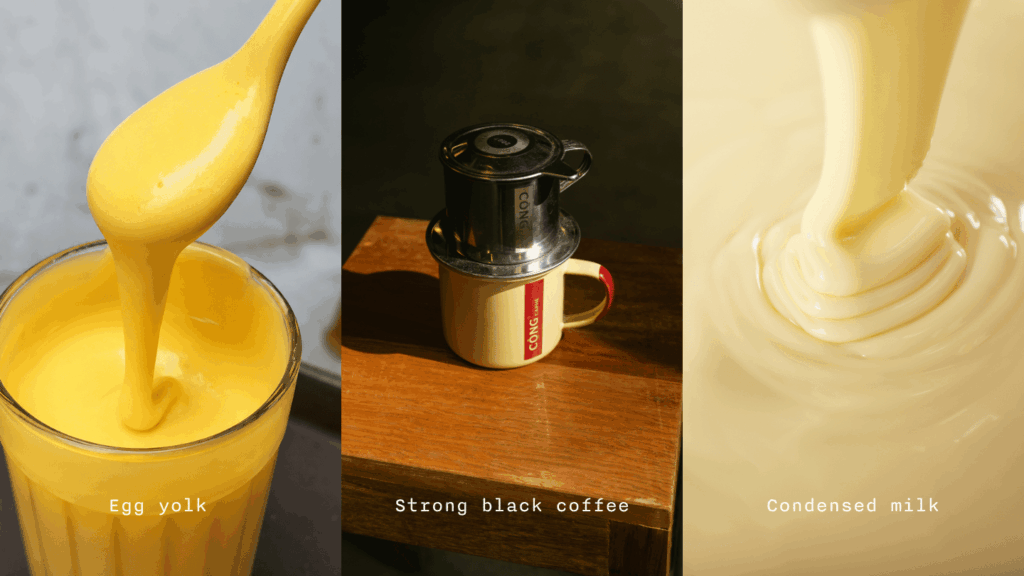
    Strong black coffee forms the base which is traditionally brewed through a phin filter using Vietnamese Robusta beans. The coffee needs to be concentrated and flavourful enough to hold its own against the richness of the cream above it. A weak or watery base produces a drink that is simply sweet; the right base produces one that is complex.

    Egg yolk is the defining ingredient. Raw egg yolks are whipped by hand or by hand mixer until pale and aerated, transforming from a dense liquid into something light enough to sit on the surface of a hot liquid without sinking. The yolk contributes richness, colour, and a faint savouriness that balances the sweetness of the condensed milk.

    Condensed milk is whisked into the yolk during whipping, adding sweetness and body. It also stabilises the foam, helping it hold its texture long enough to drink through. Some recipes add a small amount of butter or cream cheese to further enrich and stabilise the mixture.

    No artificial thickeners, no milk foam, no cream from a can, the texture of the topping is produced entirely by the physical transformation of the egg.

    How to Make Egg Coffee

    Making egg coffee at home requires three things: a phin filter (or any strong coffee), good-quality egg yolks, and patience with the whipping.

    Step 1: Brew the coffee. Prepare a small, concentrated serve of black coffee using a phin filter and Vietnamese Robusta if possible. The volume should be modest from 60 to 80ml because the cream will occupy the upper portion of the cup.

    Step 2: Whip the cream. Separate the egg yolks from the whites. For one cup, two yolks is standard. Add condensed milk approximately one tablespoon per yolk and whisk vigorously by hand or with a hand mixer until the mixture roughly triples in volume and becomes pale, thick, and airy. The mixture is ready when it holds a soft peak and no longer looks liquid.

    Step 3: Assemble. Pour the brewed coffee into a warmed cup. Spoon or pour the whipped egg cream gently over the surface. It should float rather than sink. For the hot version, place the cup in a shallow bowl of warm water before serving to maintain temperature.

    Step 4: Have a sip immediately without stirring. The drink is designed to be consumed as two distinct layers experienced together in each sip, not blended into one.

    Where to Find Egg Coffee in Paris

    If you are searching for egg coffee in Paris, it is worth finding a place that approaches the drink with some understanding of where it comes from. At Cộng Cà Phê Paris, located at 18 Rue Volney, egg coffee sits naturally within a broader Vietnamese coffee tradition. 

    Order a cup, take your time, and see why this unusual-sounding drink continues to surprise people long after the first sip. And if one coffee is not enough, pairing it with a Vietnamese banh mi or trying another signature drink such as cà phê cốt dừa often makes for a fuller introduction to Vietnamese café culture in Paris.

    For many visitors, the appeal of Cộng goes beyond the coffee itself. These reviews offer a closer look at what guests have enjoyed about the overall experience at Cộng Cà Phê Paris.

    “… The salted egg cream coffee had a nice texture. I really liked the interior and friendly staff 🙏” – Hyn N, Google Map

    “This place brought me home! Stepped inside and immediately felt like I was in Hanoi again. The drinks were absolutely delicious and authentic and the service was top notch. My husband got so excited he ordered 6 drinks in total😂” Rosie Mai, Google Map

    “Très bon café vietnamien ! Si difficile à trouver à Paris !” – Clotilde Féraud, Google Map

    Discover the full Vietnamese signature coffee menu at Cộng Cà Phê France, 18 Rue Volney, 75001 Paris.

  • Vietnamese Café Phin: What Is It, How Does It Work, and Why Does It Matter? 

    Vietnamese Café Phin: What Is It, How Does It Work, and Why Does It Matter? 

    The phin is the four-piece metal filter at the heart of Vietnamese coffee culture. Here’s how it works, what it produces in the cup, and where to taste it in Paris.

    Most coffee in Paris arrives in seconds. While an espresso machine builds pressure, forces water through compacted grounds, and delivers the result immediately, the phin (phin filter) works differently. It sits on top of a glass, requires no electricity, no pump, and no technique beyond adding hot water. Then it drips slowly over five to seven minutes until the cup beneath it holds something that no machine can replicate.

    Understanding what the phin is, how it works, and what it produces is the most direct way into Vietnamese coffee culture and into what makes a café like Cộng Cà Phê something worth seeking out.

    What Is a Café Phin?

    A phin (phin filter or Vietnamese drip filter) is a small, single-serve metal brewing device that sits directly on top of a cup or glass. It works without additional equipment, electricity, or complicated setup. Across Vietnam, the phin is part of everyday life. It is used at home and in cafés as the ordinary way coffee is prepared.

    In French, café phin (Vietnamese drip coffee) refers both to the filter itself and to the style of coffee it produces: a concentrated, single-serve cup brewed by gravity, typically from Vietnamese Robusta beans. The term appears on menus across Vietnamese cafés in Paris often without explanation, because for anyone who grew up drinking Vietnamese coffee, no explanation is needed.

    How Phin Coffee Is Brewed

    The process to brew a cup of café phin is simpler to watch than to describe, but its logic is worth understanding.

    Grounded Vietnamese Robusta coffee at a medium-coarse consistency is added to the chamber. The gravity press is placed on top applying light and even pressure across the coffee bed. A small amount of hot water around 10 to 15 millilitres is poured first to bloom the grounds. The coffee absorbs the water briefly then releases trapped gases and is ready for full extraction. This step improves flavour clarity in the final cup. After the remaining water fills the chamber, the lid goes on and extraction begins.

    From this point, nothing is required. The water moves downward through the press, through the grounds, through the filter plate, and into the cup below one drop at a time, driven entirely by gravity. The process takes five to seven minutes. Each drop is visible if you watch. 

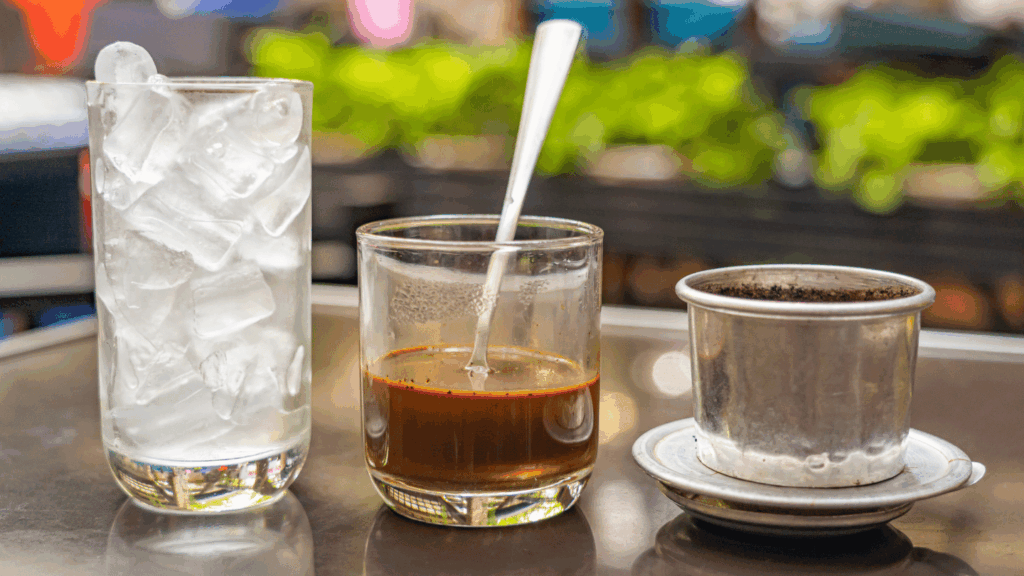
    When dripping stops, the phin is lifted away and set on its lid. The coffee below is concentrated, dark, and ready to be served as it is, over ice, or over condensed milk already waiting at the bottom of the glass.

    What Phin Coffee Tastes Like and How It Compares

    For anyone whose coffee reference points are espresso and pour-over, phin coffee occupies a different register from both. The comparison is useful not to rank them but to locate the phin accurately.

    Against espresso, the difference is extraction physics. Espresso forces water through compacted grounds under nine bars of pressure in 25 to 30 seconds, producing a small, intensely concentrated shot characterised by brightness, acidity, and a crema layer. The phin extracts under zero pressure over several minutes. The result is also concentrated, but in a different way: lower in acidity, heavier in body, with a flavour profile that emphasises earthiness and a long, clean bitterness that resolves into something close to natural sweetness. While espresso is sharp and immediate, phin coffee is deep and slow.

    Against pour-over methods, the difference is intervention. A V60 or Chemex requires the brewer to control bloom timing, pour rate, and water distribution throughout extraction. The phin automates those decisions: once set up, it works alone. The gravity press introduces a texture to the final cup that most pour-overs do not produce, because no external pressing is involved in those methods.

    The flavour profile that results from brewing Vietnamese Robusta through a phin is distinct: bold, low in acidity, naturally earthy, with a body heavier than most Arabica-based drinks and a finish that lingers. This intensity is precisely why Vietnamese coffee culture evolved the tradition of combining phin coffee with condensed milk, coconut cream, or salted egg cream. The phin produces a coffee strong enough to hold its own character against rich, sweet accompaniments.

    Why Cộng Cà Phê Uses the Phin

    At Cộng Cà Phê, every coffee on the menu begins with the phin. This is not an aesthetic choice or a nod to nostalgia. It is a considered position on what Vietnamese coffee should taste like when made correctly.

    Cộng decided to brew coffee using the Vietnamese traditional phin method because it highlights the distinctive qualities of Vietnamese coffee beans, creating a unique flavor that differs from machine-brewed coffee. From the brand’s earliest days on Triệu Việt Vương street in Hanoi in 2007, founder Linh Dung worked with coffee suppliers to develop Cộng’s recipe using a customised phin-based approach. The method and the beans, which are 100% Robusta sourced from the highlands of Lâm Đồng province, were chosen together, each selected to bring out the best in the other.

    Serving phin coffee in a Parisian café in 2025 is Cộng’s answer to the question of what Vietnamese coffee should taste like – the same answer it has given since the brand began nearly two decades ago.

    Where to Try Café Phin in Paris

    Cộng Cà Phê France, at 18 Rue Volney in the 1st arrondissement, is Cộng’s first European location and the only address in Paris where the full phin-based menu is available. The space carries the aesthetic of old days in Hanoi that defines every Cộng store: handcrafted furniture, enamel cups, objects from Vietnamese daily life arranged with deliberate care. 

    For a first taste, black phin coffee is the most direct way to understand what the method produces. For more experience, the signature coconut coffee smoothie shows how Robusta brewed through a phin holds its character even when blended with coconut cream and crushed ice. Both are worth ordering. They are the same coffee, experienced two different ways.

    Discover the full café phin menu at Cộng Cà Phê France, 18 Rue Volney, 75001 Paris.

  • Café Vietnam: Must-Try Vietnamese Drinks for First-Time Visitors 

    Café Vietnam: Must-Try Vietnamese Drinks for First-Time Visitors 

    The first time you sit down in a Vietnamese café, you may realise the menu is nothing like what you expected. What arrives is something slower, richer, and built on entirely different logic: a phin dripper balanced over a glass, coconut cream folded into crushed ice, salted egg foam layered over black coffee. Vietnamese café culture has its own vocabulary, and learning it is one of the quieter pleasures of stepping into a Vietnamese coffee shop for the first time.

    This guide covers five drinks that define the Vietnamese café experience – what they are, how they taste, and what each one says about the culture behind it.

    What Makes Vietnamese Café Drinks Different

    The foundational difference is the brewing method. Vietnamese coffee is made using a phin, a small four-piece metal filter placed directly on top of the cup. Hot water is added to the grounds, and the coffee drips through by gravity alone, slowly, over five to seven minutes. The result is concentrated and full-bodied, with a texture and depth that no machine replicates.

    The beans matter equally. Vietnamese coffee tradition is built on Robusta, grown across the Central Highlands in provinces like Lâm Đồng, where volcanic soil and altitude produce beans that are bold, earthy, and naturally low in acidity. Properly sourced Vietnamese Robusta is heavier on the palate than Arabica, with a clean bitter finish and an intensity that makes it an ideal base for everything else on this list.

    Then there is the Vietnamese instinct for combination: condensed milk, coconut cream, salted egg yolk cream. Each addition has a flavour relationship with the coffee beneath it that rewards attention.

    The Must-Try Drinks at a Vietnamese Café

    Coconut Coffee – Blended Iced Coconut Coffee 

    This is the drink that introduced Cộng Cà Phê to the world, and the one most worth ordering first.

    Phin-brewed Robusta is poured over a thick, cold and deeply creamy coconut smoothie which is blended from coconut cream, condensed milk, and crushed ice. The texture sits somewhere between a smoothie and a frozen dessert, but the coffee is present throughout – its bitterness cut but not eliminated by the richness of the coconut. 

    The coconut smoothie was inspired by Tràng Tiền ice cream, the iconic Hanoi street treat beloved since the 1970s. Cộng’s founder channelled that memory of sweetness and cold into a café drink, and the result became one of the most recognised Vietnamese beverages beyond Vietnam’s borders.

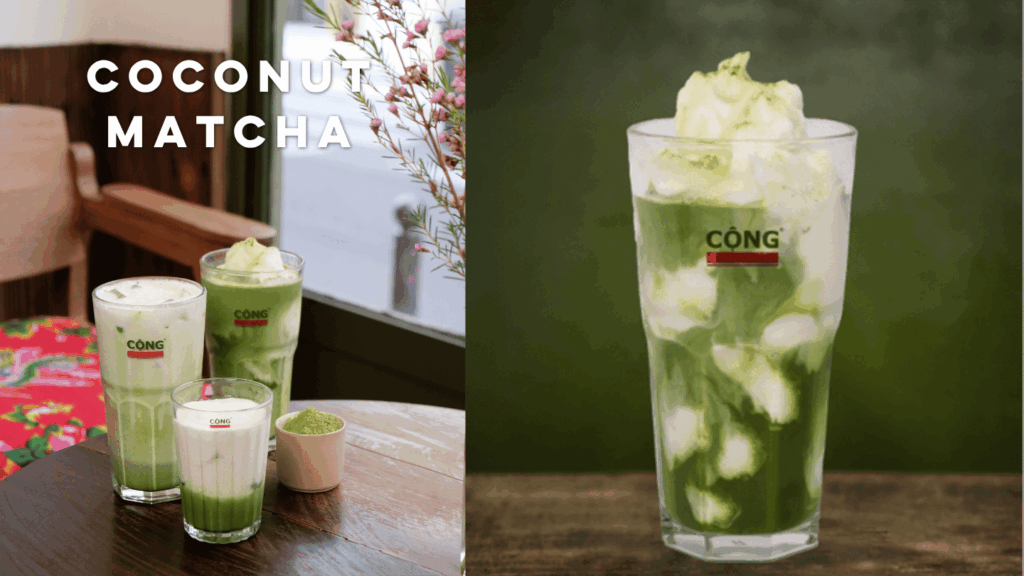
    Coconut Matcha – Matcha with Blended Iced Coconut

    For those who want the full Cộng texture experience without the coffee, the coconut matcha is the natural entry point.

    Matcha is layered over the same smoothie of coconut cream and condensed milk. The coconut cream softens the earthiness of matcha and adds a natural sweetness that keeps the drink balanced. The result is rich without being cloying, and complex in a way that a standard matcha latte rarely manages. 

    Black Coffee 

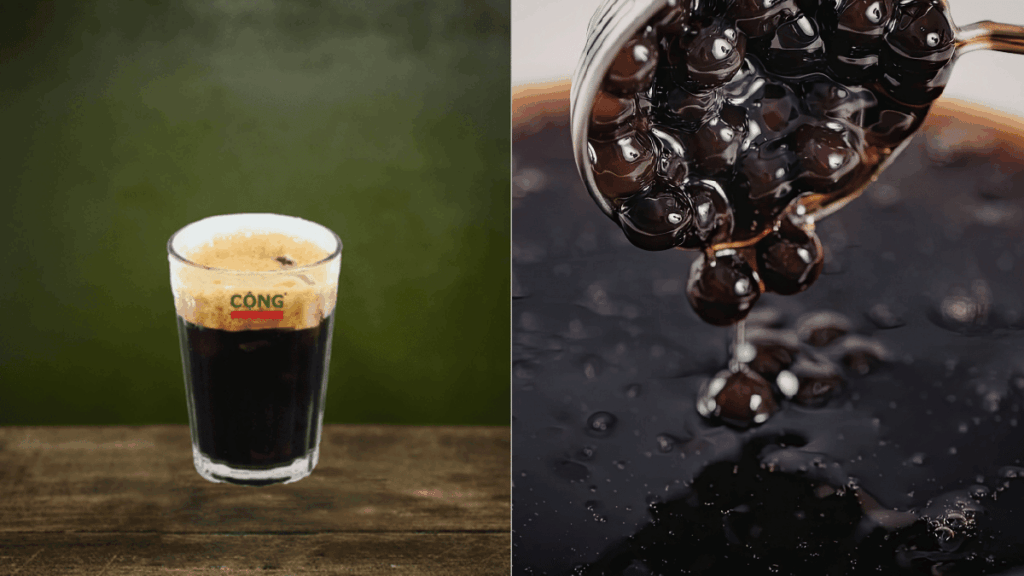
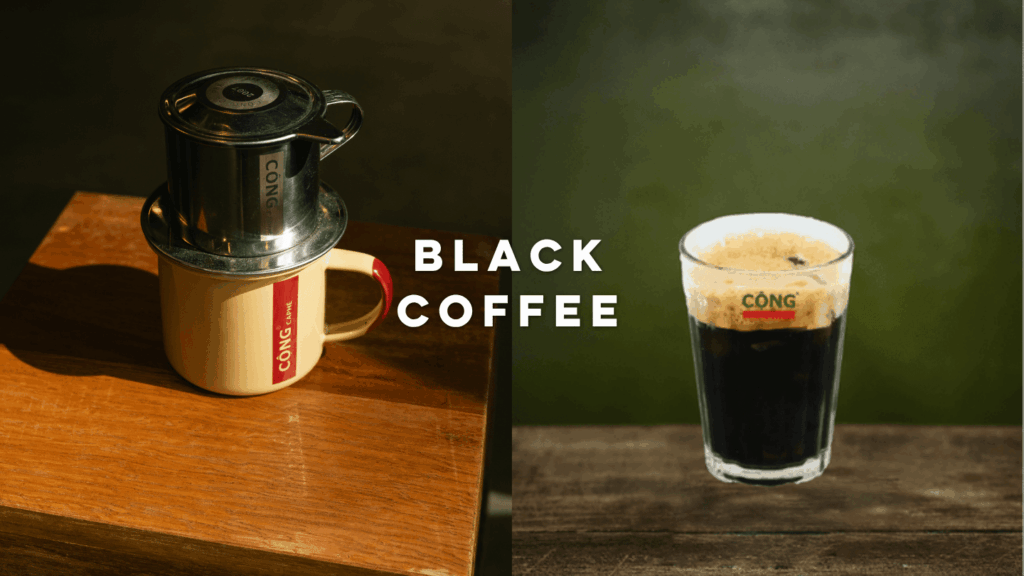
    This is Vietnamese coffee in its purest form: Robusta is brewed through the phin and nothing is added. The coffee drips slowly into the cup, producing a small concentrated serve with a syrupy body and an earthy, bold, with a bitterness flavour profile that machine extraction can not replicate. At Cộng Cà Phê, the beans are sourced from Lâm Đồng province and prepared using the traditional phin method the brand has used since its founding in Hanoi in 2007.

    Every other drink on this list is built on this base. Ordering a black phin coffee first makes the coconut series and the salted egg cream easier to understand because you can hear the Robusta underneath the other ingredients once you know what it tastes like alone. 

    Black Coffee with Salted Egg Cream

    Perhaps the most surprising drink on this list and often the one people remember most. 

    This drink starts with strong black phin coffee, topped with a thick layer of salted egg cream made from whipped salted egg yolk. The cream feels rich and slightly savoury, softening the boldness of the coffee while adding an unexpected contrast of flavours. The best way to drink it is without stirring. Let each sip move through both layers naturally, so you can taste how the creamy topping gradually blends with the coffee underneath.

    Salted egg may sound unusual at first, but it has long been part of Vietnamese cuisine. Known as trứng muối, it appears in traditional pastries, mooncakes, and savoury dishes across generations. In this drink, it takes on a new form — familiar in flavour, but completely unexpected in coffee.

    If you want to try something genuinely different at a Vietnamese café, this is an easy place to start.

    Where to Try Vietnamese Café Drinks in Paris

    All five drinks are available at Cộng Cà Phê France, at 18 Rue Volney in the 1st arrondissement. This is the brand’s first European location and the only address in Paris where the complete Cộng menu is served. The space is built around the subsidy period of the 1970s and 1980s aesthetic that defines every Cộng store: handcrafted furniture, enamel cups, phin drippers as both tools and objects, walls that carry the textures of the old Hanoi.

    Explore the full menu at Cộng Cà Phê France, 18 Rue Volney, 75001 Paris.

  • Bánh Mì Hanoi vs Bánh Mì Saigon: What’s the Difference?

    Bánh Mì Hanoi vs Bánh Mì Saigon: What’s the Difference?

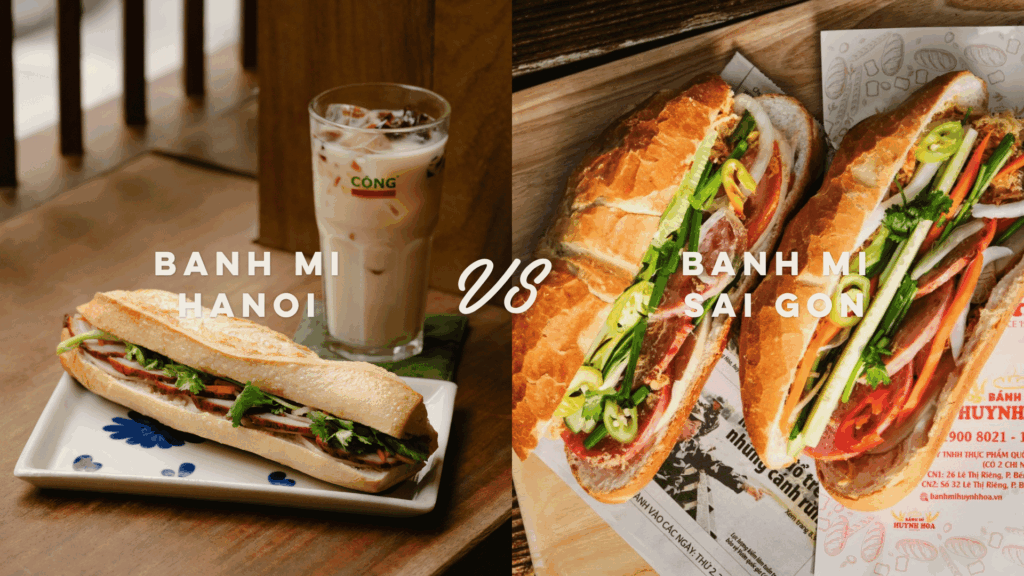
    Bánh mì is one of Vietnam’s most recognizable foods but it is not one single sandwich. Depending on where you eat it, the bread, the filling, and the entire flavour philosophy can be quite different. Here is what separates the northern and southern styles, and why it matters.

    Why Does Bánh Mì Taste Different Across Vietnam?

    Vietnam stretches over 1,600 kilometres from north to south, and its food changes with every few hundred kilometres. Climate, history, and local ingredients have shaped distinct regional cuisines that share a common foundation but express it in very different ways. Bánh mì is no exception.

    The baguette format arrived with French colonialism in the 19th century and spread across the country, but Vietnamese cooks in different cities adapted it according to what they had available and what they preferred to eat. In Hanoi, the sandwich developed within a culinary tradition that prizes restraint and precision. In Saigon, now Ho Chi Minh City, it evolved in a warmer, more abundant environment where generosity and bold contrasts defined good cooking. Both cities claim a great bánh mì. They are simply not the same sandwich.

    What Makes Hanoi Bánh Mì Different?

    Northern Vietnamese cooking has always prioritised precision over abundance – fewer ingredients, chosen carefully, calibrated to work together without any single element dominating. Banh mi in Hanoi reflects that philosophy in every layer.

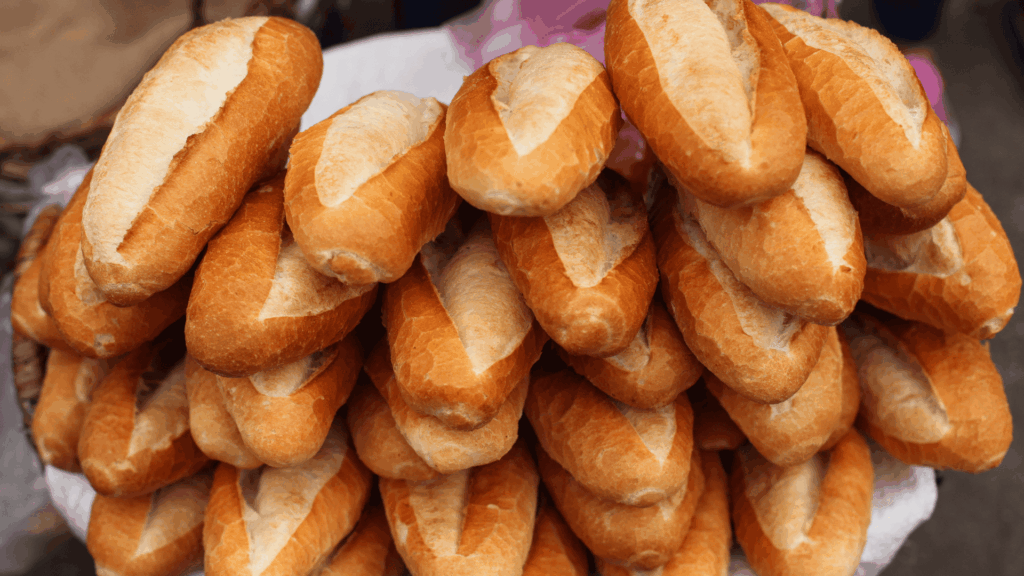
    The bread is thinner and crispier. It does not yield to the filling; it holds its shape from the first bite to the last. That crispness creates the clean textural contrast that defines the Hanoi eating experience. 

    Pâté is the foundation. In Hanoi, pâté is usually spread generously inside the bread before anything else is added. It provides the fat, depth, and richness that anchors all the other components. 

    What Makes Saigon Bánh Mì Different?

    The Saigon bánh mì operates on a different set of values entirely. Southern Vietnamese cooking was shaped by a warmer climate, greater agricultural abundance, and centuries of cultural exchange with Cham, Khmer, and Chinese communities. Therefore, the result is a culinary tradition that leans toward generosity, sweetness, and layered complexity.

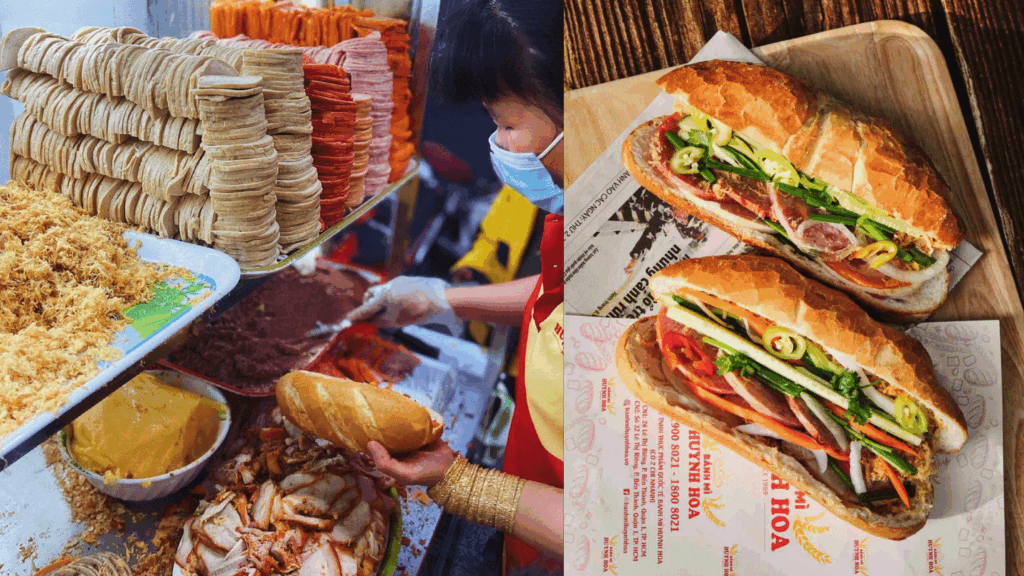
    The filling is built for abundance. A Saigon banh mi typically layers several proteins and ingredients at once – cold cuts, pâté, and char siu together, sometimes with additional sauces applied between each layer. The construction is richer and more involved, and the portion is noticeably larger.

    The flavour layers are diverse. This complex experience often comes from the contrast between flavours and textures happening at once – savoury meats, creamy pâté or mayonnaise, sharp pickles, fresh herbs, heat from chilli, and subtle sweetness from sauces.

    Bánh Mì Hanoi vs Bánh Mì Saigon: Which One Should You Try?

    The honest answer is both, eventually. But if you are choosing between them for the first time, it helps to know what you are in the mood for.

    If you prefer something savoury, clean, and precisely balanced, the Hanoi style will suit you. The flavours are focused, the texture is defined, and the experience is one of careful construction rather than abundance. It rewards attention.

    If you prefer something richer, more layered, and slightly sweet, the Saigon style is the better introduction. The combination of multiple proteins, softer bread, and sweeter condiments is more immediately satisfying for those encountering the sandwich for the first time.

    Where to Try Hanoi-Inspired Bánh Mì in Paris

    Cộng Cà Phê was founded in Hanoi in 2007, and its identity has never moved far from where it began. The brand’s aesthetic of 1980s northern Vietnamese everyday life runs through every detail of its spaces, from the furniture and objects to the way the menu is assembled. When Cộng opened its first European location at 18 Rue Volney in Paris, it brought that sensibility with it intact.

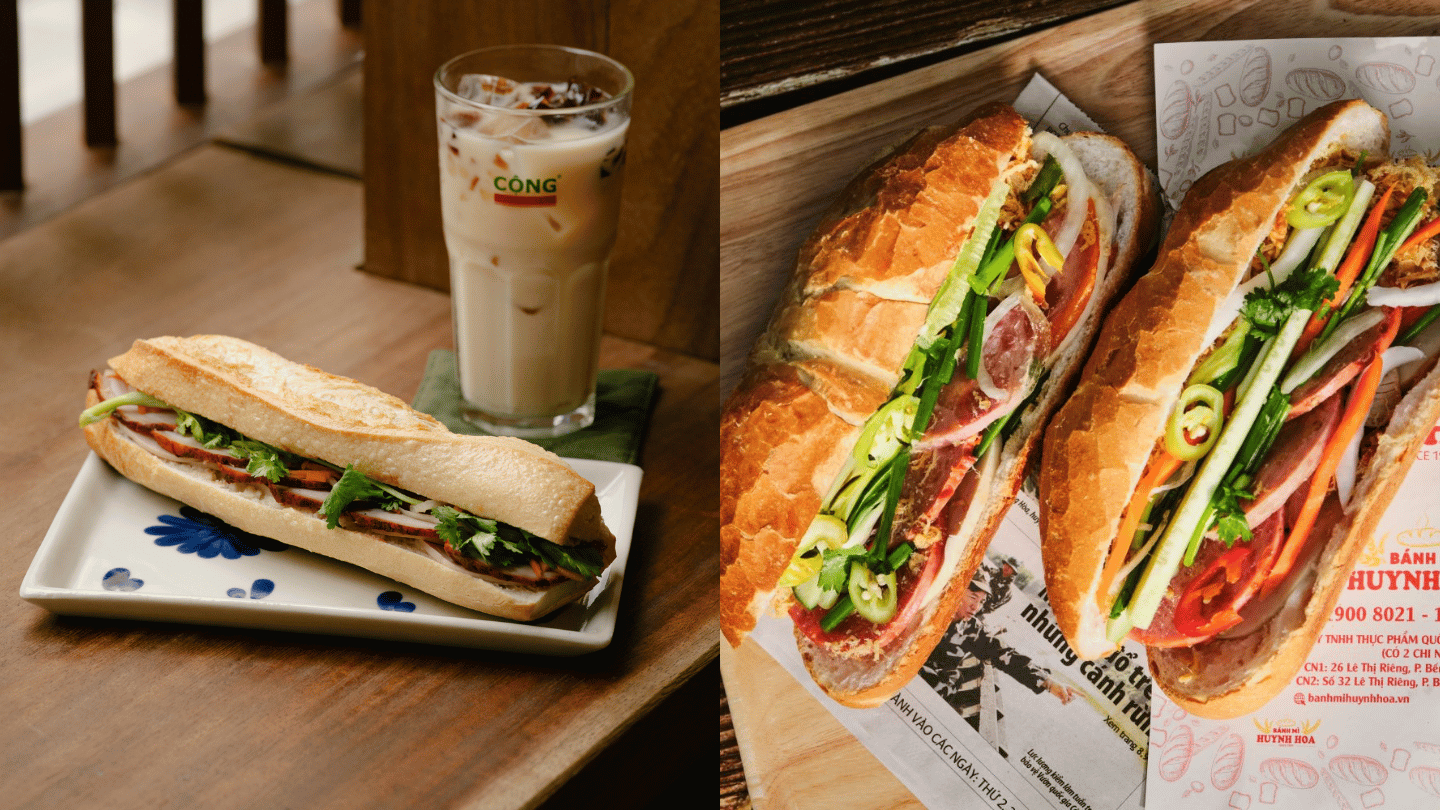
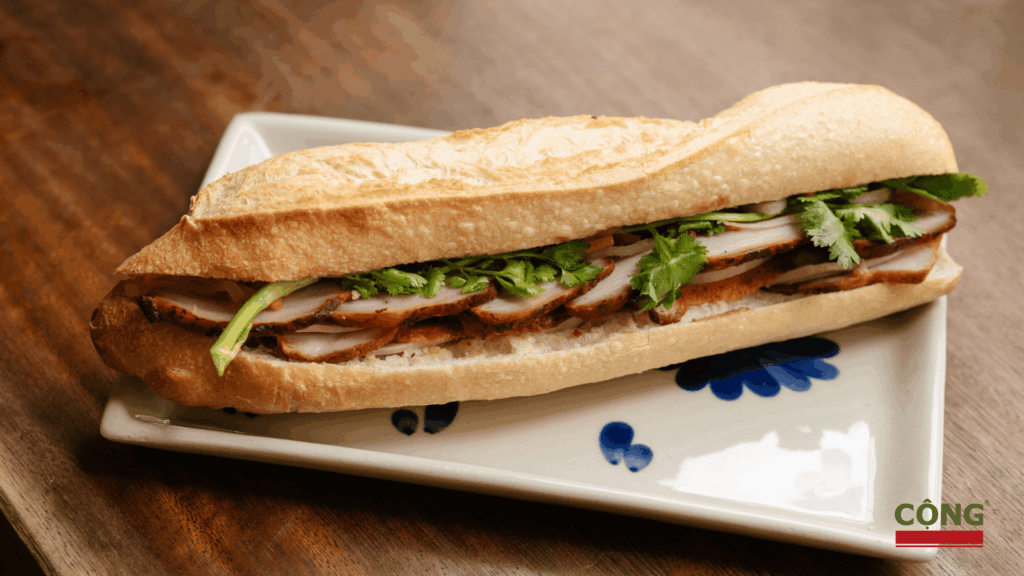
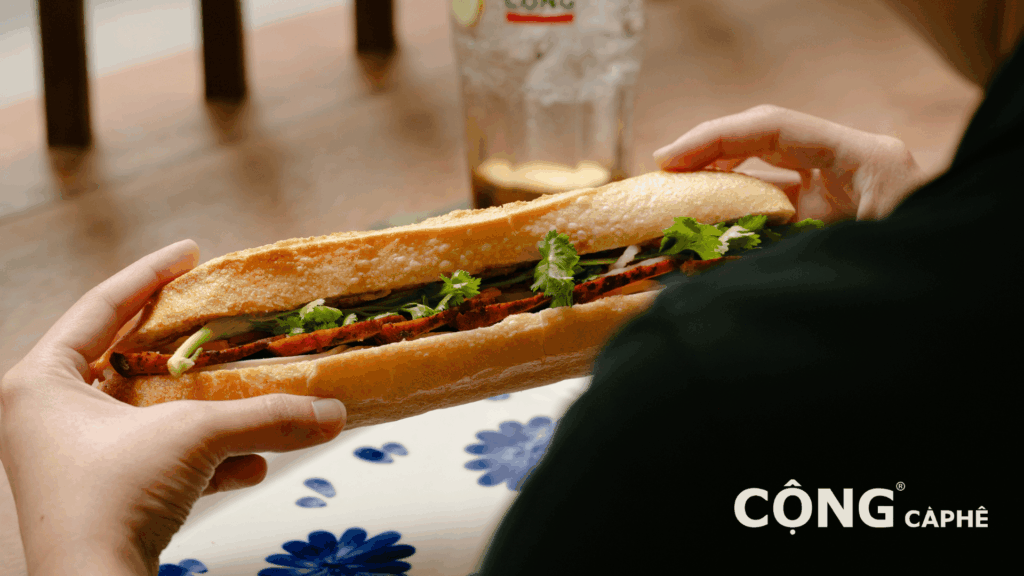
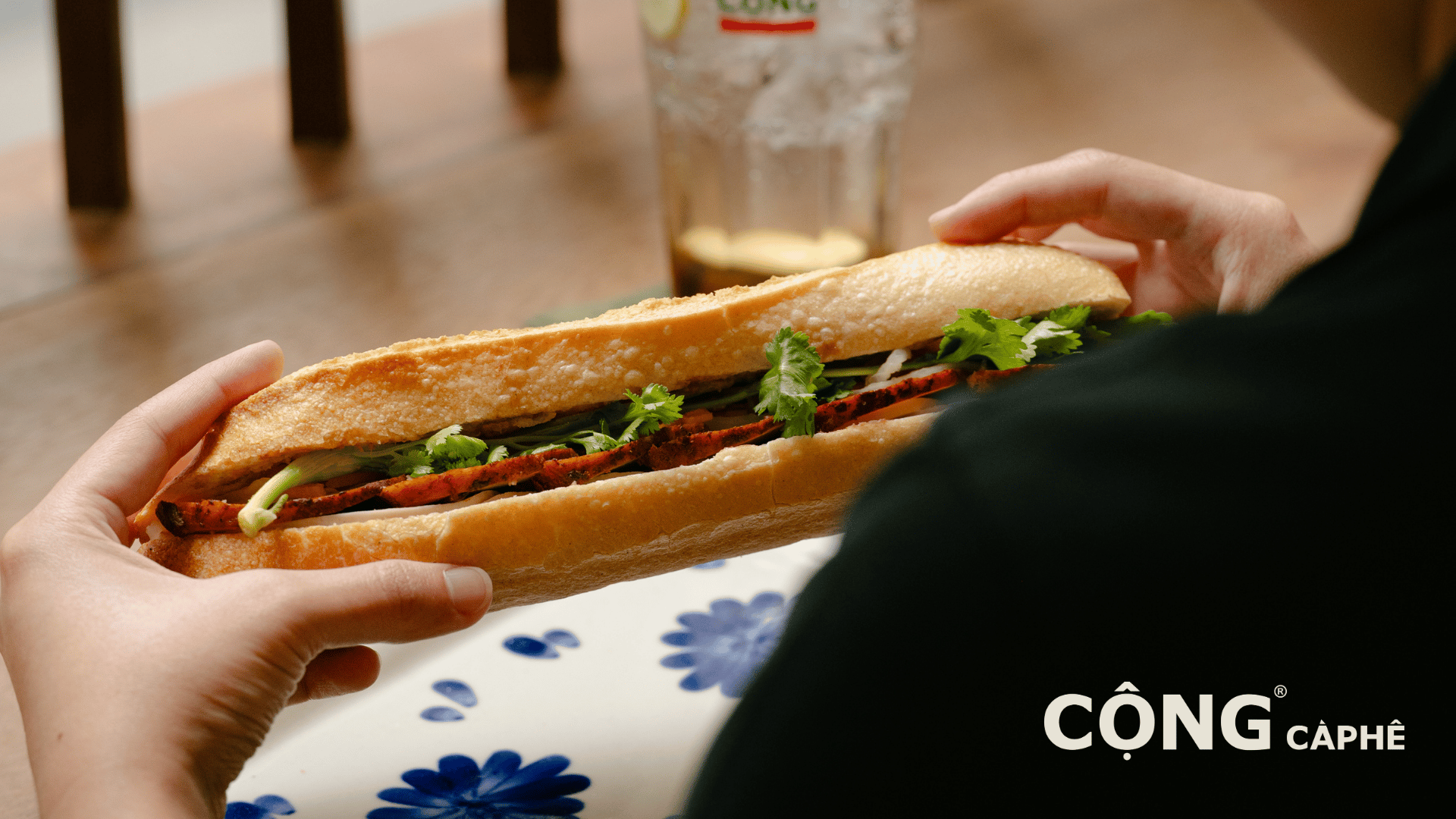
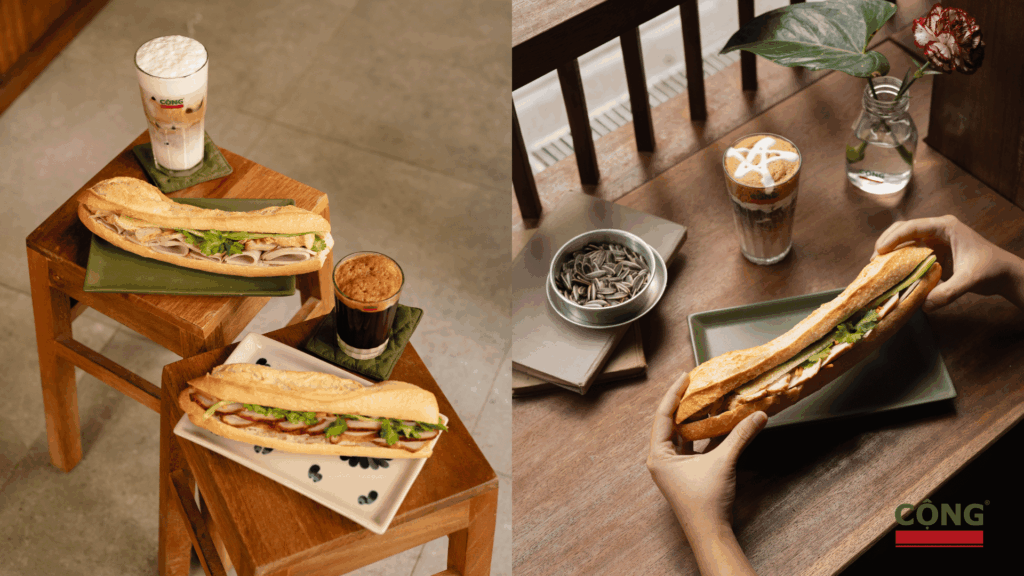
    The bánh mì served here, which is Char Siu Pork and Grilled Chicken, sits within the northern tradition: focused filling, fresh condiments, clean savoury balance. It is served as a snack alongside the full Cộng coffee menu, in the way a bánh mì is meant to be eaten in Hanoi: quickly, casually, with something good to drink. A cà phê sữa đá or a cà phê cốt dừa alongside the sandwich is not a suggestion so much as a natural pairing, the same combination that defines a northern Vietnamese morning.

    If you are wondering what the experience is actually like, customer feedback can often say more than a menu description. Below are reviews from guests visiting Cộng Cà Phê Paris. 

    “In Paris, the city of café culture, I found the best cup not in a smoky brasserie but at Cong Caphe. The Salted Cream Vietnamese Coffee hit like a reunion with an old friend. It was strong, robust, and most importantly caffeinated. The bánh mì had crisp bread, rich pâté, layers of flavor making a near perfect sandwich. Against the backdrop of Paris, it was another reminder that some of the best food experiences happen on accident.” – Gregg Yasuda, Google Map

    “This place brought me home! Stepped inside and immediately felt like I was in Hanoi again. The drinks were absolutely delicious and authentic and the service was top notch. My husband got so excited he ordered 6 drinks in total😂” – Rosie Mai, Google Map

    “The Banh Mi Xa Xiu and Coffee Recommendation was so good! Def worth it. Thanks for the friendly service today, I felt very welcomed.” – TE, En, Google Map

    If you are curious about bánh mì Hanoi or simply want to explore Vietnamese sandwiches in Paris, Cộng offers a relaxed place to start. Whether you prefer the savoury richness of Bánh Mì Xá Xíu or the lighter flavour of Bánh Mì Gà, it is a chance to experience how balance, texture, and freshness come together in one of Vietnam’s most iconic foods. Find Cộng Cà Phê France at 18 Rue Volney, 75001 Paris – congcaphe.fr

  • Banh Mi Vietnam: A Guide to Eat Bánh Mì Like a Local

    Banh Mi Vietnam: A Guide to Eat Bánh Mì Like a Local

    For many Vietnamese cuisine enthusiasts, bánh mì is one of the first foods they hear about. Crisp bread, savoury fillings, fresh herbs, and pickled vegetables have made it one of the country’s most recognisable dishes around the world. 

    If you are curious about banh mi Vietnam and want to understand how locals actually enjoy it, here is what to know before taking your first bite.

    What Is Real Bánh Mì?

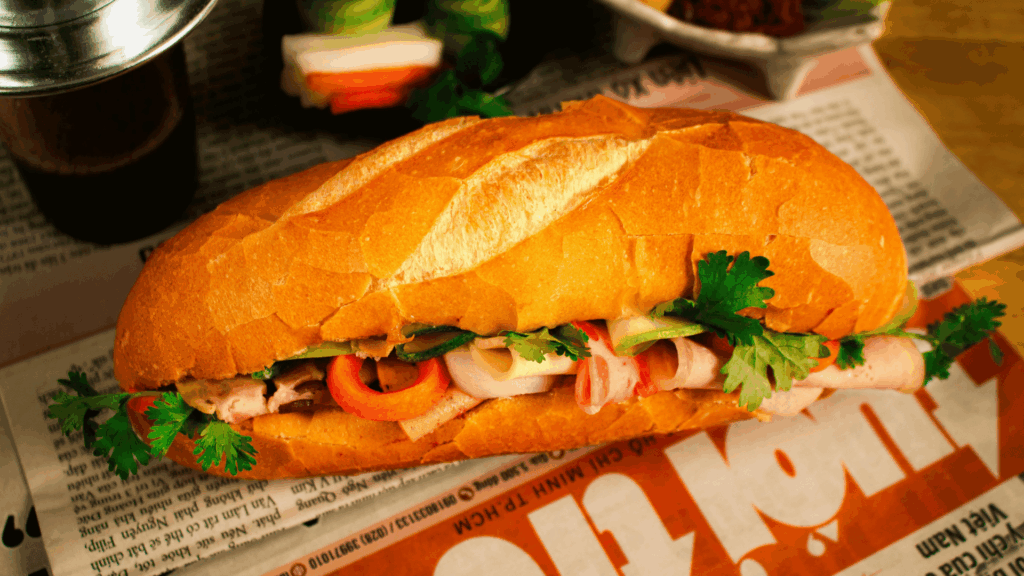
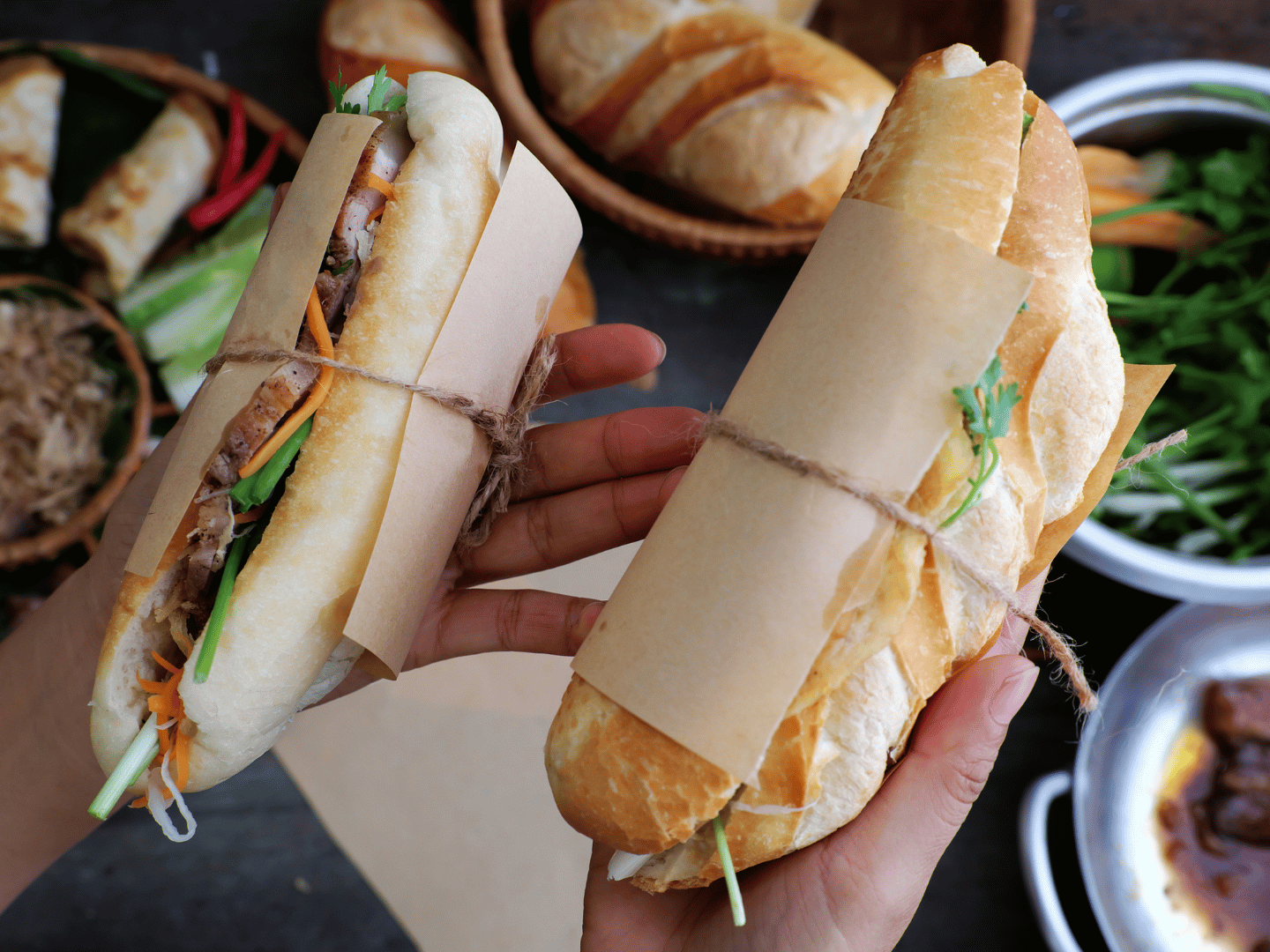
    At first glance, bánh mì may look like a sandwich built around a baguette. But in Vietnam, it is much more than that. The bread itself reflects a long culinary exchange between Vietnam and France. Over time, Vietnamese bakers adapted the French baguette into something lighter, crispier, and easier to eat on the move. The crust remains delicate and crisp, while the inside feels airy rather than dense.

    But what truly makes banh mi Vietnam distinctive is what happens inside.Vietnam gradually transformed the sandwich with local ingredients and carefully balanced textures, creating something entirely its own.

    The bread is lighter and crispier than a traditional French baguette, with a delicate crust and airy interior that holds the filling without feeling heavy.

    The filling – depending on the region and shop, fillings can range from grilled meats, char siu, chicken, eggs or cold cuts. The filling is prepared to bring depth and flavour while staying balanced rather than overwhelming.

    The condiments which are pâté, pickled carrot and daikon, cucumber, fresh coriander, and optional chilli, adding richness, freshness, acidity, and crunch in equal measure.

    How Vietnamese People Actually Eat Bánh Mì

    Visitors sometimes imagine there is a proper way to eat bánh mì, but in Vietnam, the experience is usually uncomplicated. Convenience matters as much as flavour, which is why bánh mì fits naturally into everyday life. 

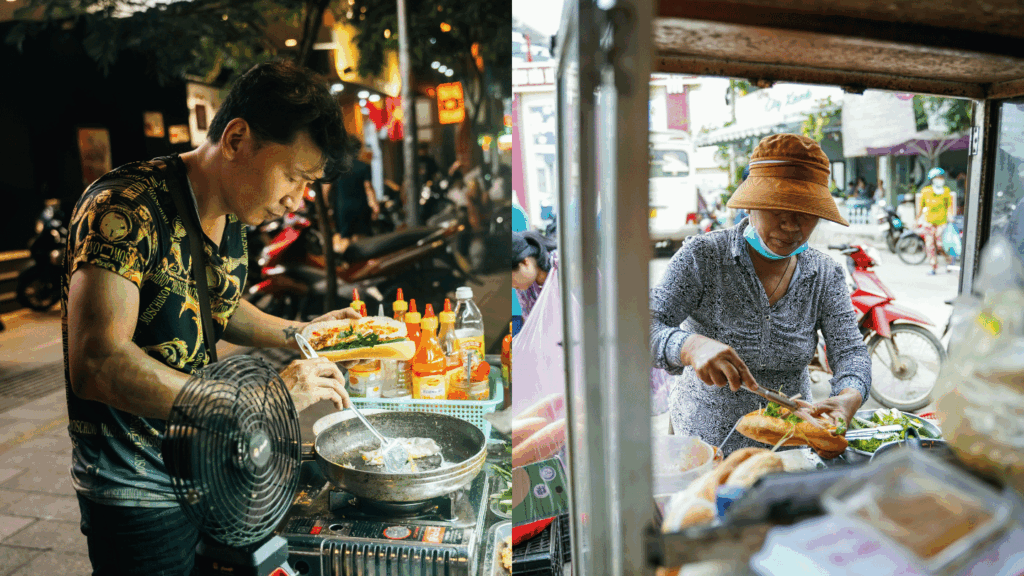
    It is usually eaten with your hands. Bánh mì is designed to be practical: wrapped in paper, easy to carry, and often eaten while walking, commuting, or taking a short break between errands. You are far more likely to see someone eating it on the go than sitting down with a knife and fork.

    Breakfast is one of the most common times to eat it. Across Vietnam, many bánh mì shops open early because locals often grab one before work or school. A warm sandwich paired with coffee is a familiar morning ritual, especially for people looking for something quick but satisfying.

    The first bite should go through all layers at once: bread, pâté, protein, pickle, herb, chilli. A bite that catches only the bread, or only the filling will miss the point. The sandwich is designed to be experienced as a whole, not in sequence.

    Drinks are often part of the experience. Vietnamese people frequently pair bánh mì with coffee, iced tea, or fruit drinks depending on the time of day and the filling. Richer flavours like char siu pork work naturally with strong Vietnamese coffee, while lighter fillings often feel refreshing alongside citrus or fruit-based drinks.

    Most locals have a favourite order. Rather than choosing something different every time, many Vietnamese people return to the same filling they know and enjoy. Some prefer flavourful char siu options, while many keep things classic with pâté or egg.

    Popular Types of Bánh Mì in Vietnam

    There is no single “correct” bánh mì. Across Vietnam, different fillings reflect local preferences and personal taste.

    Egg and pâté – A simpler but classic option, often eaten in the morning.

    Char siu pork – Rich, savoury, and slightly sweet, char siu pork bánh mì remains one of the most satisfying options. Tender pork pairs naturally with pickled vegetables and herbs, creating contrast without becoming overly heavy.

    Grilled chicken – For something lighter, grilled chicken bánh mì offers a more delicate flavour profile while keeping the freshness and crunch that define the sandwich.

    Roasted pork – Filled with crispy roasted pork, the meat carries a gentle balance of savoury and slightly sweet flavours, while the crackling skin becomes the real highlight.

    Where to Eat Banh Mi in Paris

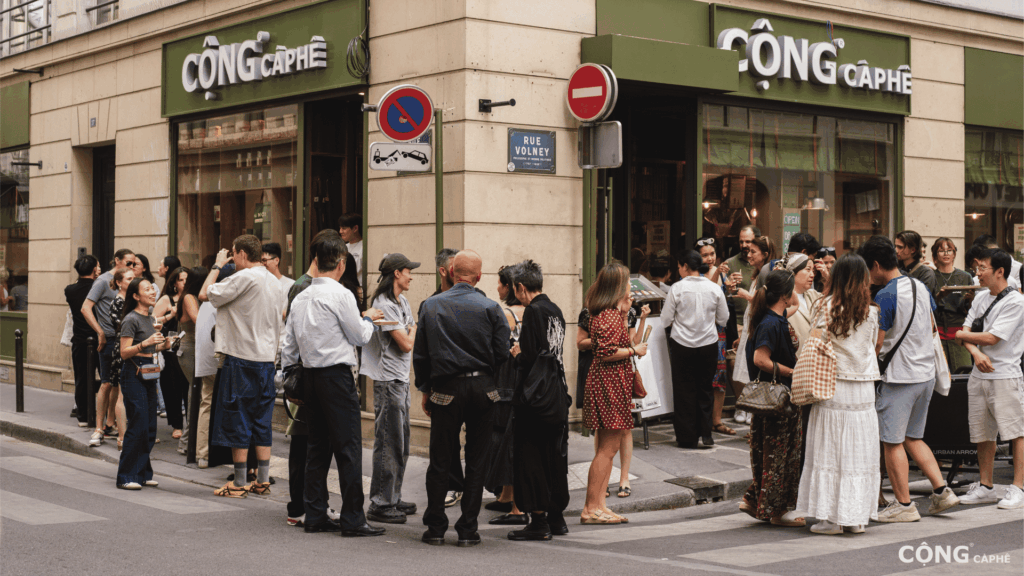
    Cộng Cà Phê France opened at 18 Rue Volney, in the 1st arrondissement of Paris, as the brand’s first European location and the only address in Europe where the full Cộng experience is available. 

    Bánh mì is served here as a snack alongside the full Cộng coffee menu – 100% Robusta phin coffee from Lâm Đồng, coconut coffee smoothies, Vietnamese teas and local drinks. The two variations are Banh Mi with Char Siu and Chicken Banh Mi, both assembled in the Vietnamese tradition: bread, pâté, filling, pickled vegetables, fresh herbs, chilli. The natural pairing is a cà phê sữa đá or a cà phê cốt dừa – the same combination that defines a Vietnamese morning, now available in the centre of Paris.

    Frequently Asked Questions About Bánh Mì Vietnam

    What does bánh mì mean in Vietnamese? Literally, “wheat bread.” Over time, the term came to mean specifically the Vietnamese sandwich. When someone says bánh mì in Vietnam, the sandwich is what they mean.

    What is the traditional filling of bánh mì in Vietnam? The most common traditional fillings include pâté, grilled/roasted pork meat and char siu pork for the meat versions, alongside pickled daikon and carrot, cucumber, coriander, and chilli. Regional variations exist across the country.

    How is bánh mì different in northern and southern Vietnam? Southern versions tend to be more abundant with more filling, more sauce, often a sweeter flavour profile. Northern versions, including those with Hanoi roots, are more restrained: the flavours are more concentrated, the balance leaning toward savoury depth. The bread is often crispier in the north.

    Is bánh mì eaten for breakfast in Vietnam? Yes, primarily. Bánh mì carts typically open before dawn and sell out by mid-morning. It is one of Vietnam’s most common breakfast foods, eaten quickly on the way to work or school.

    Can I eat bánh mì with coffee at Cộng? Yes, and it is the recommended combination. A bánh mì alongside a Vietnamese phin coffee or a cà phê cốt dừa coconut smoothie reflects exactly how the two are enjoyed together in Vietnam.

    Looking for Vietnamese bánh mì in Paris? Visit Cộng Cà Phê to try classic flavours like char siu pork, or grilled chicken  and experience one of Vietnam’s most iconic everyday foods in a relaxed café setting.Visit congcaphe.fr to explore the full menu.