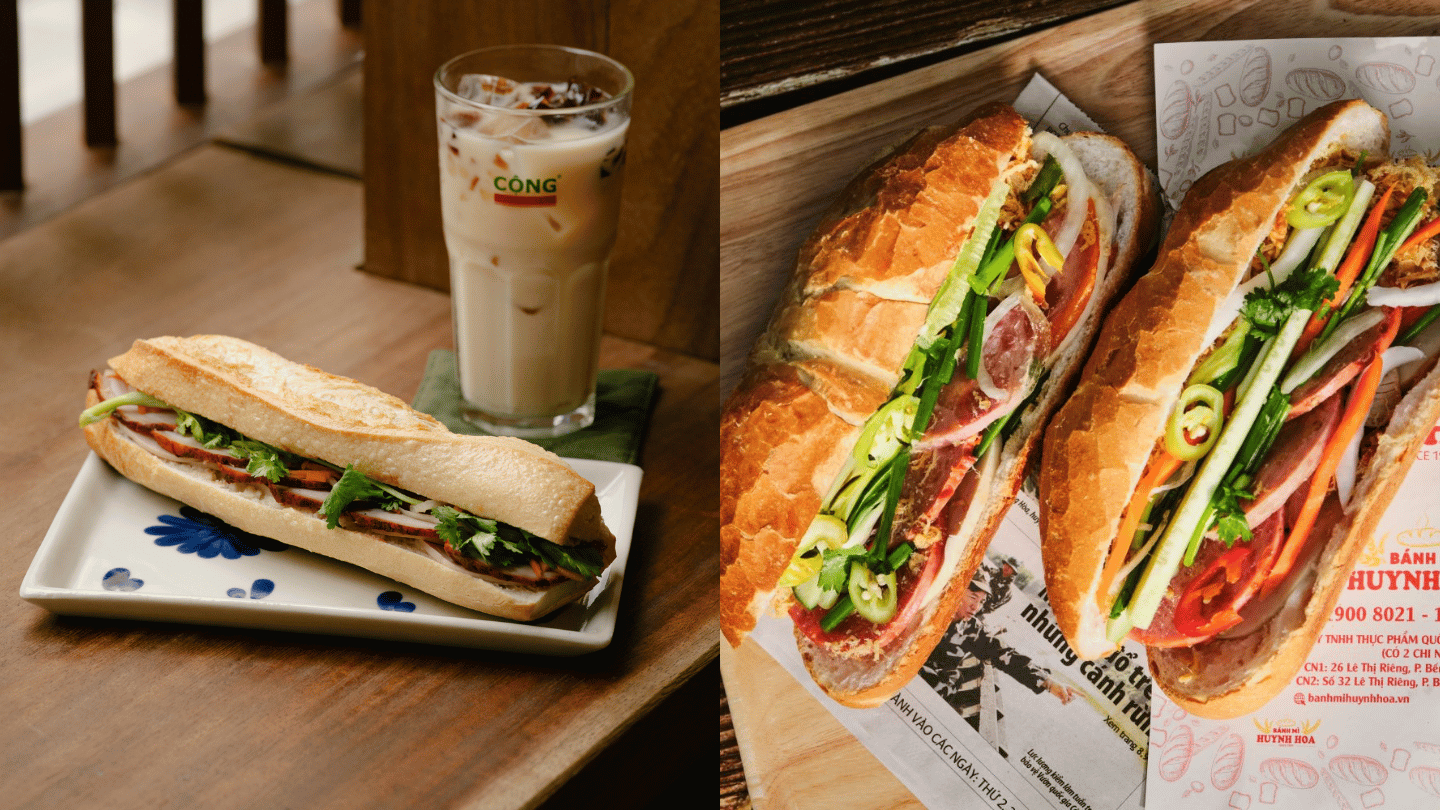
Bánh mì is one of Vietnam’s most recognizable foods but it is not one single sandwich. Depending on where you eat it, the bread, the filling, and the entire flavour philosophy can be quite different. Here is what separates the northern and southern styles, and why it matters.
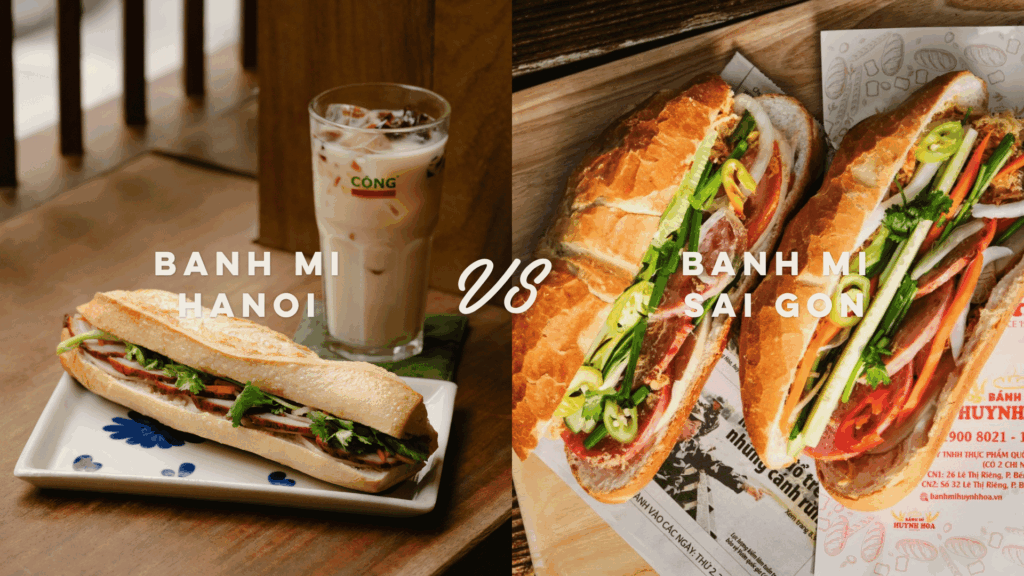
Why Does Bánh Mì Taste Different Across Vietnam?
Vietnam stretches over 1,600 kilometres from north to south, and its food changes with every few hundred kilometres. Climate, history, and local ingredients have shaped distinct regional cuisines that share a common foundation but express it in very different ways. Bánh mì is no exception.
The baguette format arrived with French colonialism in the 19th century and spread across the country, but Vietnamese cooks in different cities adapted it according to what they had available and what they preferred to eat. In Hanoi, the sandwich developed within a culinary tradition that prizes restraint and precision. In Saigon, now Ho Chi Minh City, it evolved in a warmer, more abundant environment where generosity and bold contrasts defined good cooking. Both cities claim a great bánh mì. They are simply not the same sandwich.
What Makes Hanoi Bánh Mì Different?
Northern Vietnamese cooking has always prioritised precision over abundance – fewer ingredients, chosen carefully, calibrated to work together without any single element dominating. Banh mi in Hanoi reflects that philosophy in every layer.
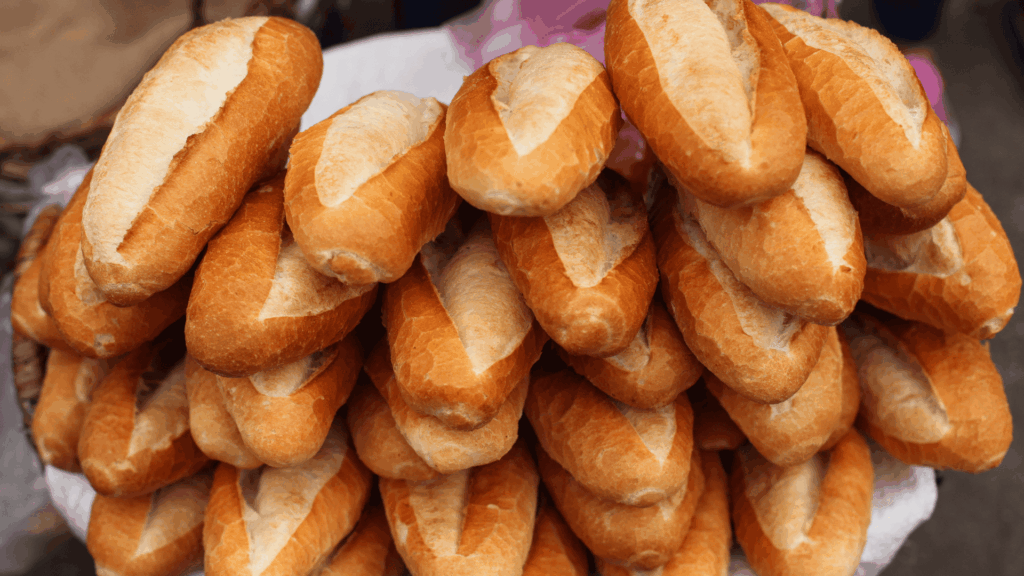
The bread is thinner and crispier. It does not yield to the filling; it holds its shape from the first bite to the last. That crispness creates the clean textural contrast that defines the Hanoi eating experience.
Pâté is the foundation. In Hanoi, pâté is usually spread generously inside the bread before anything else is added. It provides the fat, depth, and richness that anchors all the other components.
What Makes Saigon Bánh Mì Different?
The Saigon bánh mì operates on a different set of values entirely. Southern Vietnamese cooking was shaped by a warmer climate, greater agricultural abundance, and centuries of cultural exchange with Cham, Khmer, and Chinese communities. Therefore, the result is a culinary tradition that leans toward generosity, sweetness, and layered complexity.
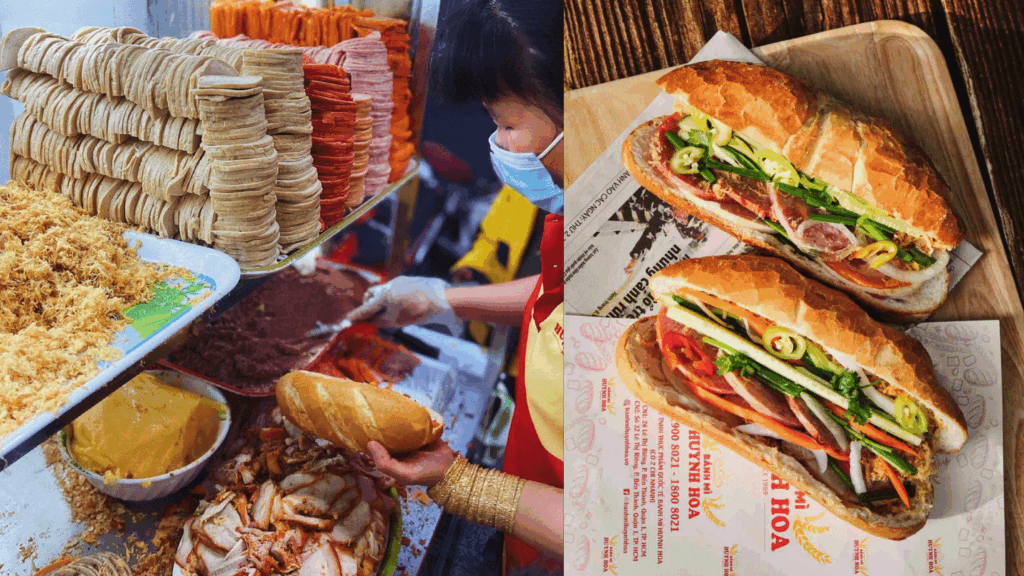
The filling is built for abundance. A Saigon banh mi typically layers several proteins and ingredients at once – cold cuts, pâté, and char siu together, sometimes with additional sauces applied between each layer. The construction is richer and more involved, and the portion is noticeably larger.
The flavour layers are diverse. This complex experience often comes from the contrast between flavours and textures happening at once – savoury meats, creamy pâté or mayonnaise, sharp pickles, fresh herbs, heat from chilli, and subtle sweetness from sauces.
Bánh Mì Hanoi vs Bánh Mì Saigon: Which One Should You Try?
The honest answer is both, eventually. But if you are choosing between them for the first time, it helps to know what you are in the mood for.
If you prefer something savoury, clean, and precisely balanced, the Hanoi style will suit you. The flavours are focused, the texture is defined, and the experience is one of careful construction rather than abundance. It rewards attention.
If you prefer something richer, more layered, and slightly sweet, the Saigon style is the better introduction. The combination of multiple proteins, softer bread, and sweeter condiments is more immediately satisfying for those encountering the sandwich for the first time.
Where to Try Hanoi-Inspired Bánh Mì in Paris
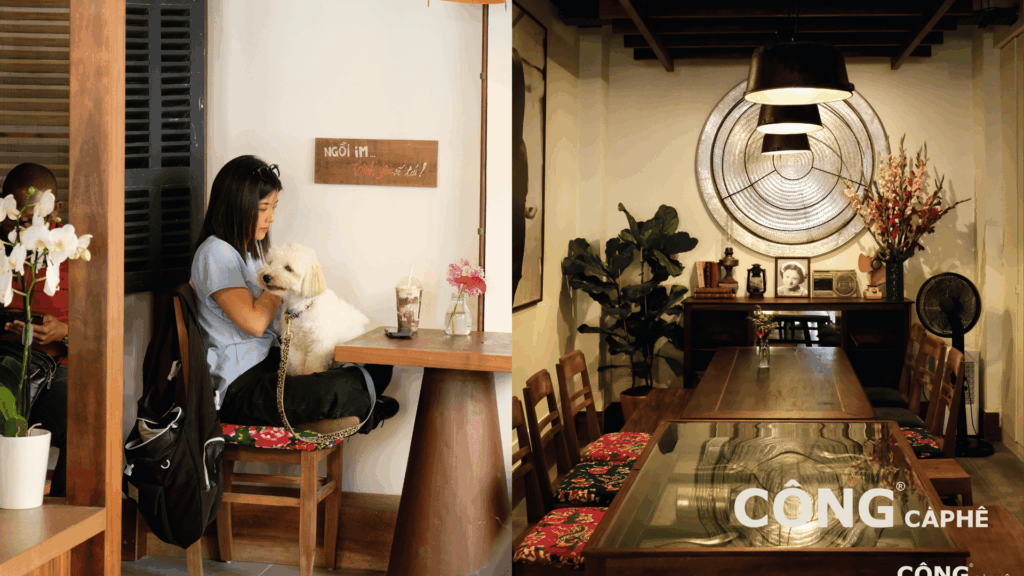
Cộng Cà Phê was founded in Hanoi in 2007, and its identity has never moved far from where it began. The brand’s aesthetic of 1980s northern Vietnamese everyday life runs through every detail of its spaces, from the furniture and objects to the way the menu is assembled. When Cộng opened its first European location at 18 Rue Volney in Paris, it brought that sensibility with it intact.
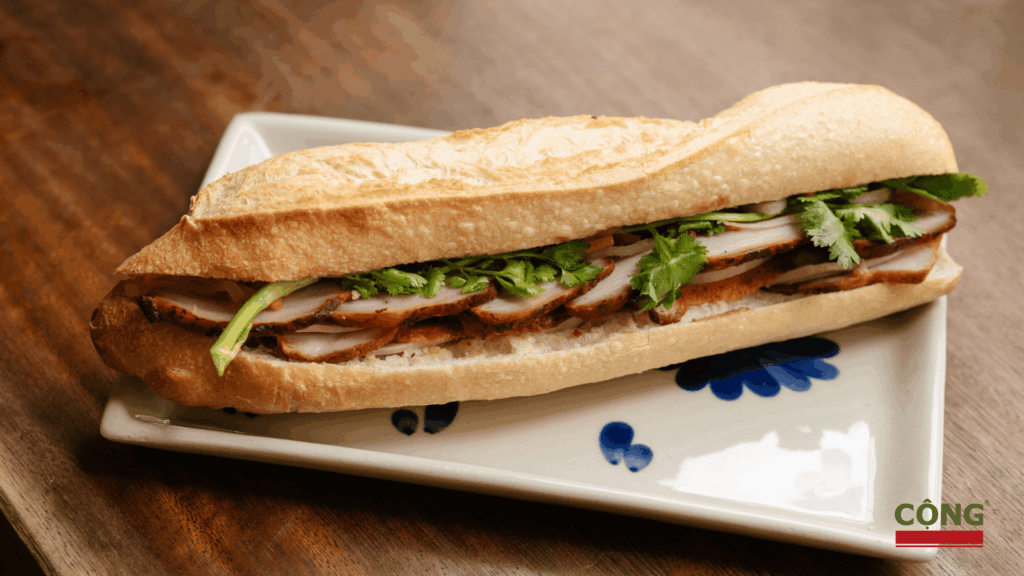
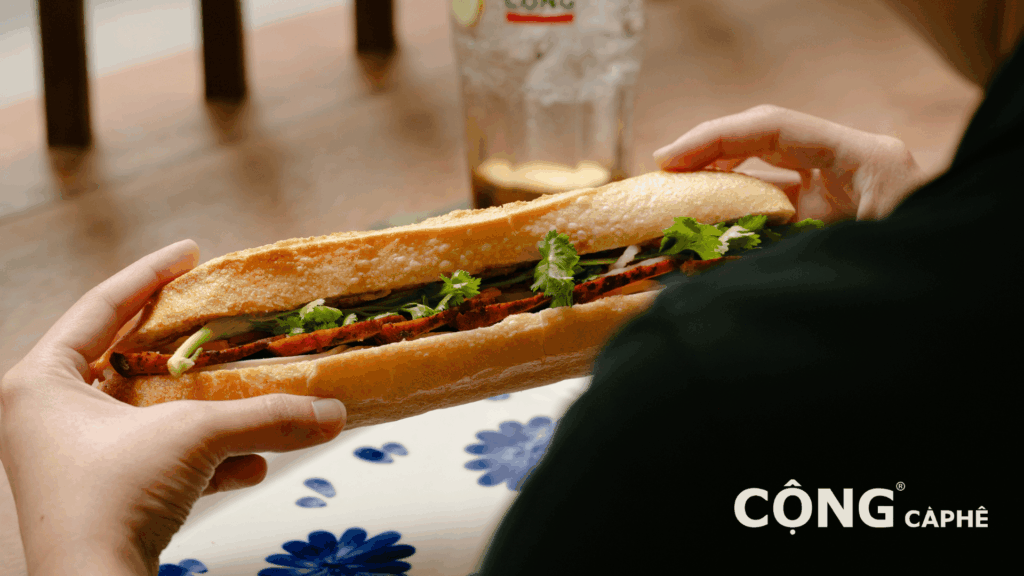
The bánh mì served here, which is Char Siu Pork and Grilled Chicken, sits within the northern tradition: focused filling, fresh condiments, clean savoury balance. It is served as a snack alongside the full Cộng coffee menu, in the way a bánh mì is meant to be eaten in Hanoi: quickly, casually, with something good to drink. A cà phê sữa đá or a cà phê cốt dừa alongside the sandwich is not a suggestion so much as a natural pairing, the same combination that defines a northern Vietnamese morning.
If you are wondering what the experience is actually like, customer feedback can often say more than a menu description. Below are reviews from guests visiting Cộng Cà Phê Paris.
“In Paris, the city of café culture, I found the best cup not in a smoky brasserie but at Cong Caphe. The Salted Cream Vietnamese Coffee hit like a reunion with an old friend. It was strong, robust, and most importantly caffeinated. The bánh mì had crisp bread, rich pâté, layers of flavor making a near perfect sandwich. Against the backdrop of Paris, it was another reminder that some of the best food experiences happen on accident.” – Gregg Yasuda, Google Map
“This place brought me home! Stepped inside and immediately felt like I was in Hanoi again. The drinks were absolutely delicious and authentic and the service was top notch. My husband got so excited he ordered 6 drinks in total😂” – Rosie Mai, Google Map
“The Banh Mi Xa Xiu and Coffee Recommendation was so good! Def worth it. Thanks for the friendly service today, I felt very welcomed.” – TE, En, Google Map
If you are curious about bánh mì Hanoi or simply want to explore Vietnamese sandwiches in Paris, Cộng offers a relaxed place to start. Whether you prefer the savoury richness of Bánh Mì Xá Xíu or the lighter flavour of Bánh Mì Gà, it is a chance to experience how balance, texture, and freshness come together in one of Vietnam’s most iconic foods. Find Cộng Cà Phê France at 18 Rue Volney, 75001 Paris – congcaphe.fr
Leave a Reply