Category: News

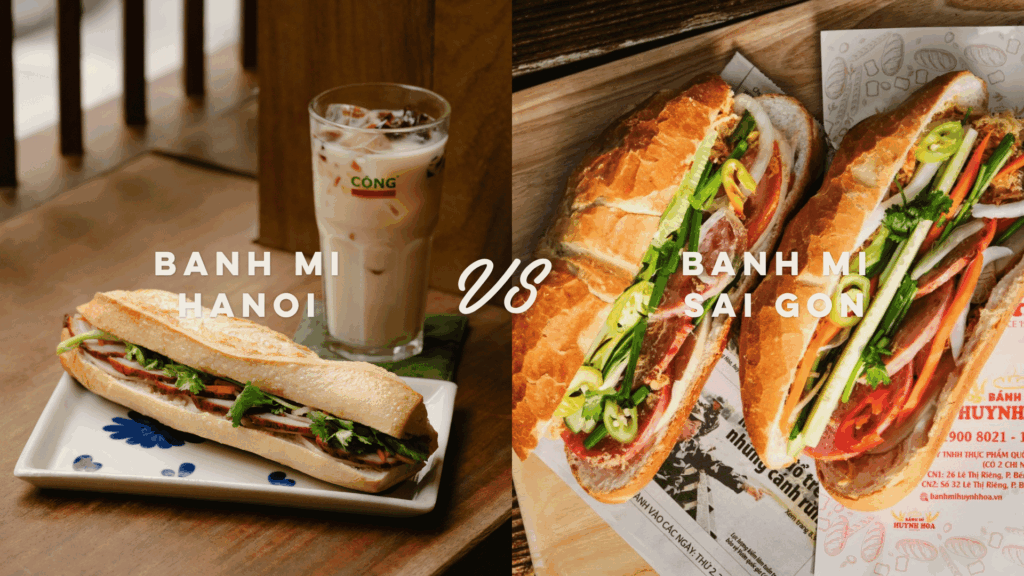
  • Bánh Mì Hanoi vs Bánh Mì Saigon: What’s the Difference?

    Bánh Mì Hanoi vs Bánh Mì Saigon: What’s the Difference?

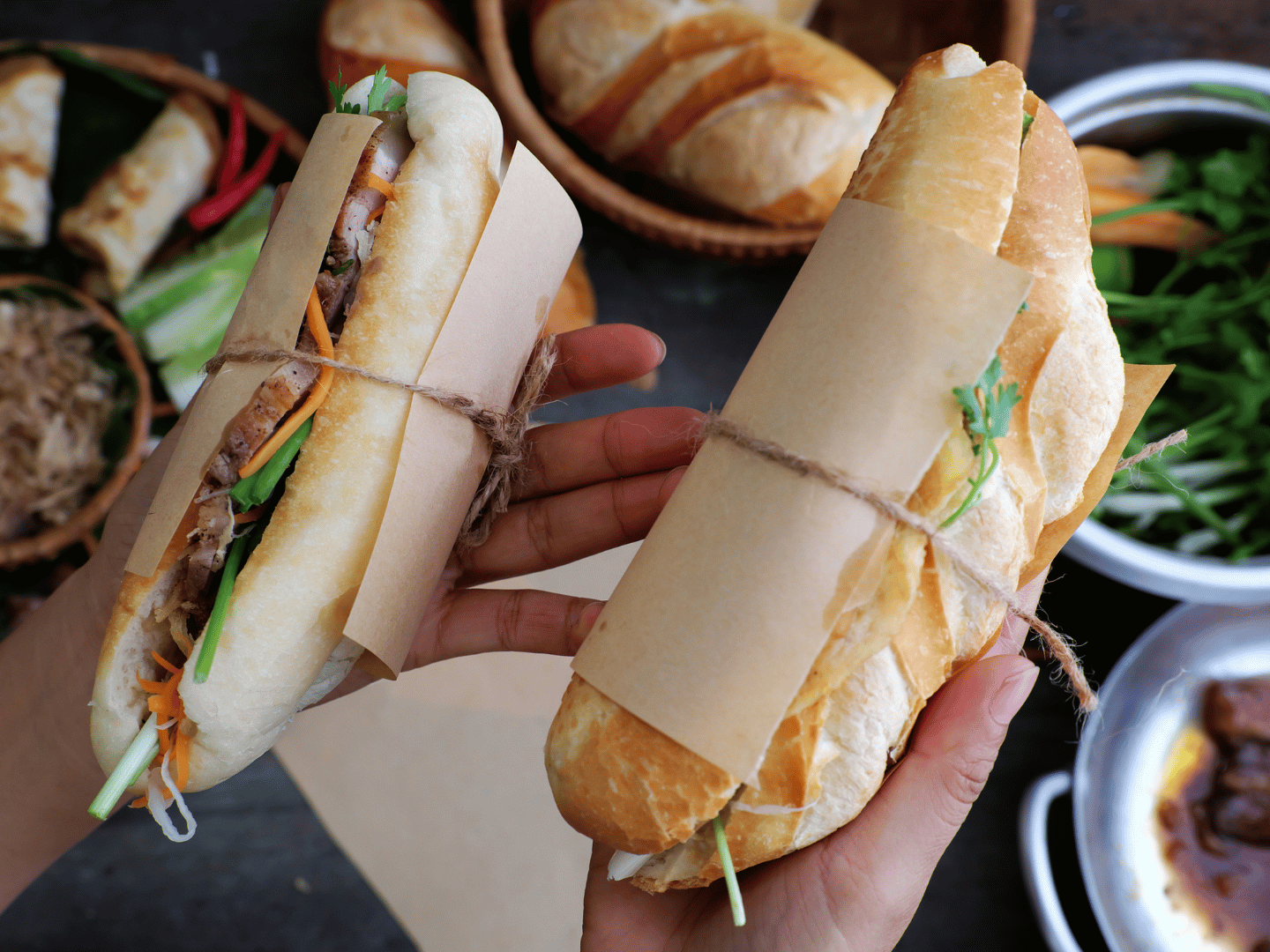
    Bánh mì is one of Vietnam’s most recognizable foods but it is not one single sandwich. Depending on where you eat it, the bread, the filling, and the entire flavour philosophy can be quite different. Here is what separates the northern and southern styles, and why it matters.

    Why Does Bánh Mì Taste Different Across Vietnam?

    Vietnam stretches over 1,600 kilometres from north to south, and its food changes with every few hundred kilometres. Climate, history, and local ingredients have shaped distinct regional cuisines that share a common foundation but express it in very different ways. Bánh mì is no exception.

    The baguette format arrived with French colonialism in the 19th century and spread across the country, but Vietnamese cooks in different cities adapted it according to what they had available and what they preferred to eat. In Hanoi, the sandwich developed within a culinary tradition that prizes restraint and precision. In Saigon, now Ho Chi Minh City, it evolved in a warmer, more abundant environment where generosity and bold contrasts defined good cooking. Both cities claim a great bánh mì. They are simply not the same sandwich.

    What Makes Hanoi Bánh Mì Different?

    Northern Vietnamese cooking has always prioritised precision over abundance – fewer ingredients, chosen carefully, calibrated to work together without any single element dominating. Banh mi in Hanoi reflects that philosophy in every layer.

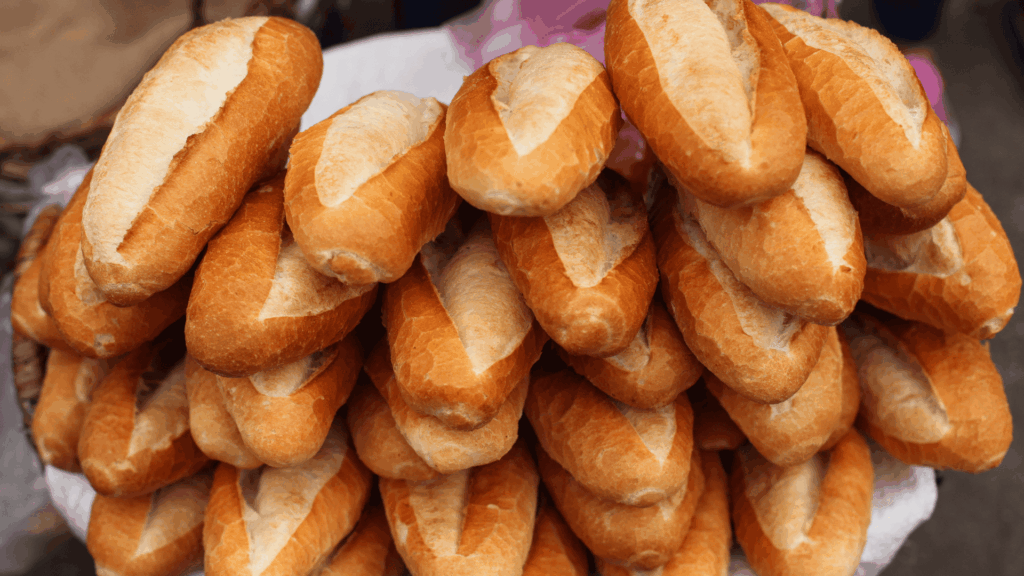
    The bread is thinner and crispier. It does not yield to the filling; it holds its shape from the first bite to the last. That crispness creates the clean textural contrast that defines the Hanoi eating experience. 

    Pâté is the foundation. In Hanoi, pâté is usually spread generously inside the bread before anything else is added. It provides the fat, depth, and richness that anchors all the other components. 

    What Makes Saigon Bánh Mì Different?

    The Saigon bánh mì operates on a different set of values entirely. Southern Vietnamese cooking was shaped by a warmer climate, greater agricultural abundance, and centuries of cultural exchange with Cham, Khmer, and Chinese communities. Therefore, the result is a culinary tradition that leans toward generosity, sweetness, and layered complexity.

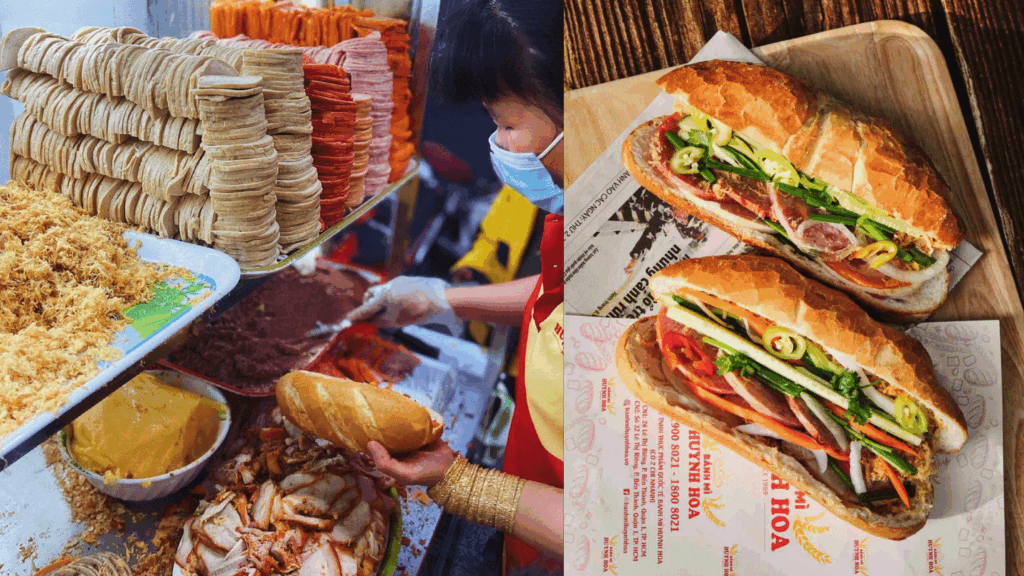
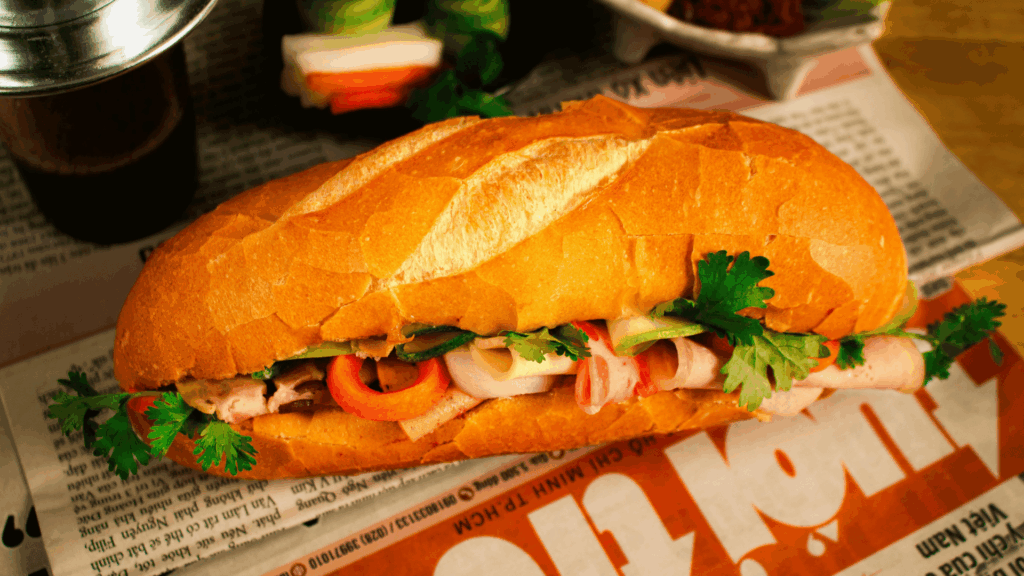
    The filling is built for abundance. A Saigon banh mi typically layers several proteins and ingredients at once – cold cuts, pâté, and char siu together, sometimes with additional sauces applied between each layer. The construction is richer and more involved, and the portion is noticeably larger.

    The flavour layers are diverse. This complex experience often comes from the contrast between flavours and textures happening at once – savoury meats, creamy pâté or mayonnaise, sharp pickles, fresh herbs, heat from chilli, and subtle sweetness from sauces.

    Bánh Mì Hanoi vs Bánh Mì Saigon: Which One Should You Try?

    The honest answer is both, eventually. But if you are choosing between them for the first time, it helps to know what you are in the mood for.

    If you prefer something savoury, clean, and precisely balanced, the Hanoi style will suit you. The flavours are focused, the texture is defined, and the experience is one of careful construction rather than abundance. It rewards attention.

    If you prefer something richer, more layered, and slightly sweet, the Saigon style is the better introduction. The combination of multiple proteins, softer bread, and sweeter condiments is more immediately satisfying for those encountering the sandwich for the first time.

    Where to Try Hanoi-Inspired Bánh Mì in Paris

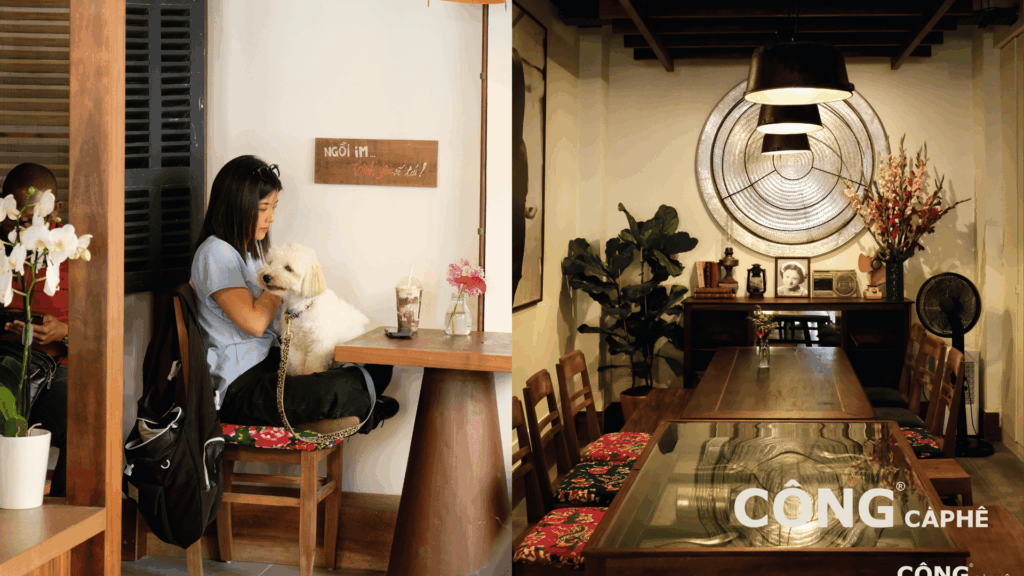
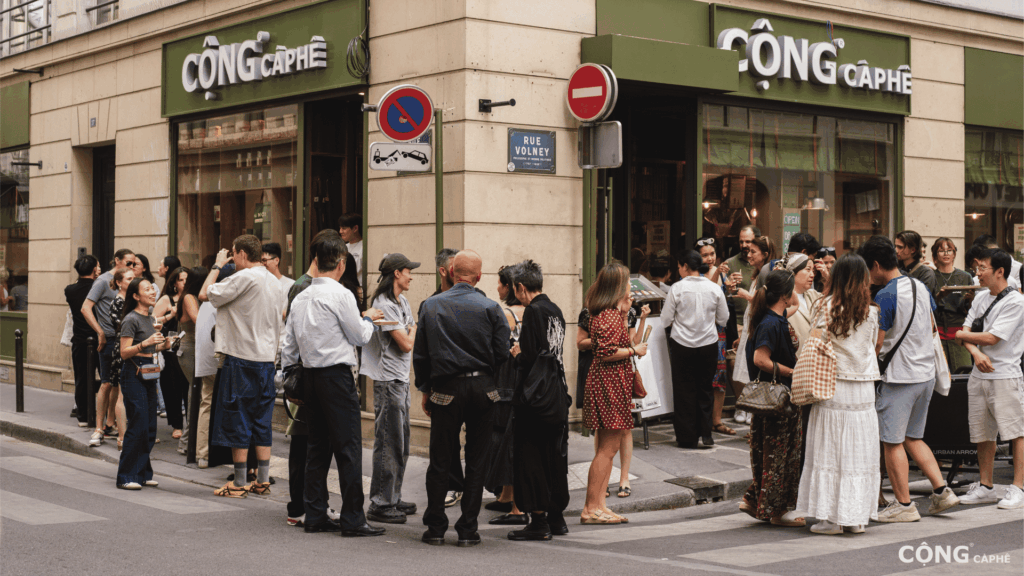
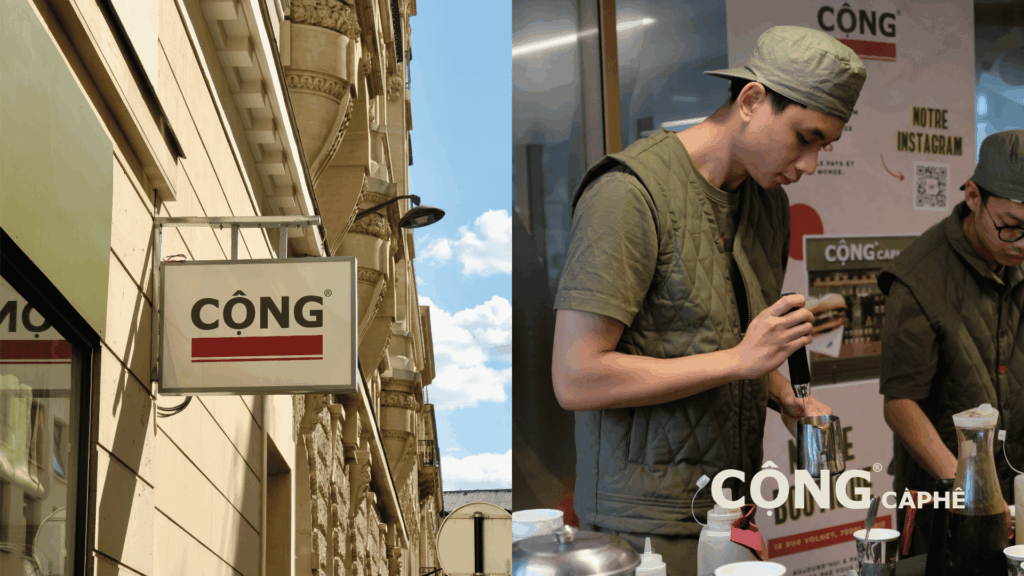
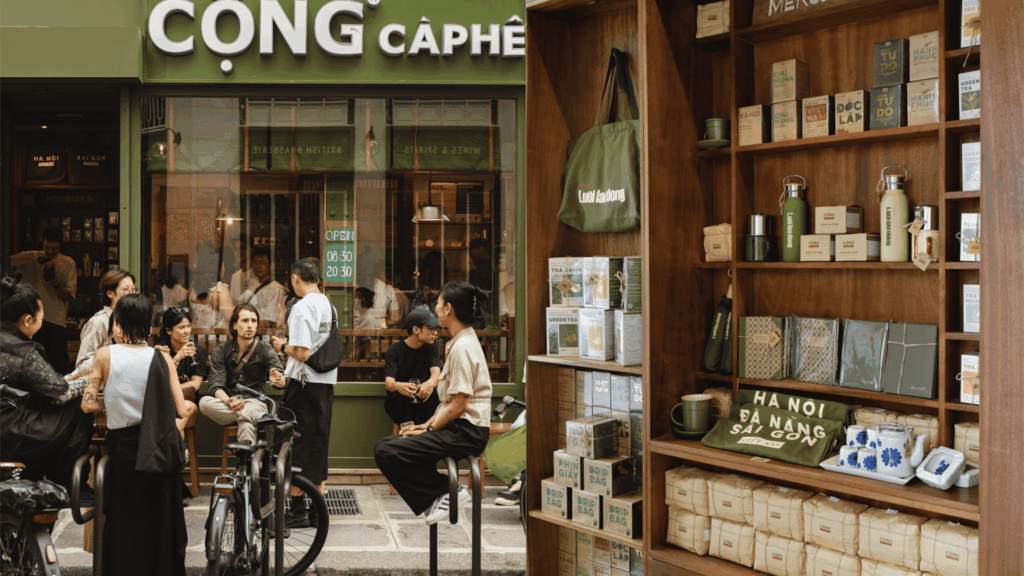
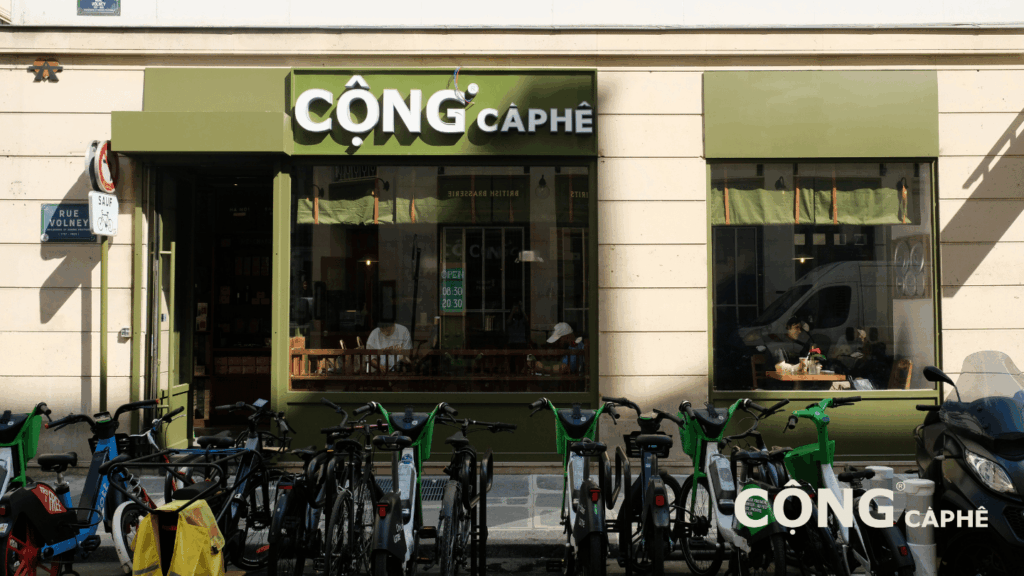
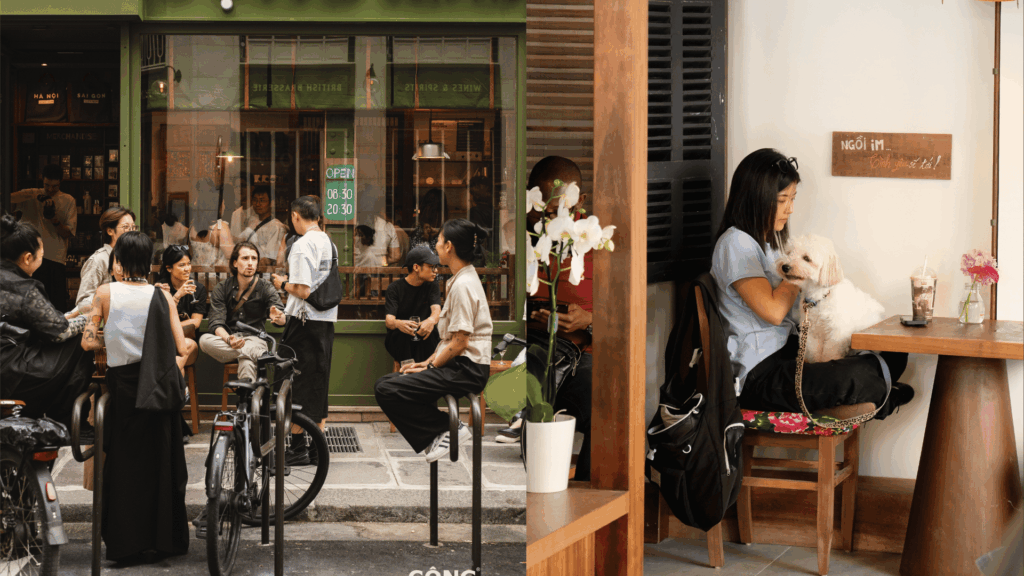
    Cộng Cà Phê was founded in Hanoi in 2007, and its identity has never moved far from where it began. The brand’s aesthetic of 1980s northern Vietnamese everyday life runs through every detail of its spaces, from the furniture and objects to the way the menu is assembled. When Cộng opened its first European location at 18 Rue Volney in Paris, it brought that sensibility with it intact.

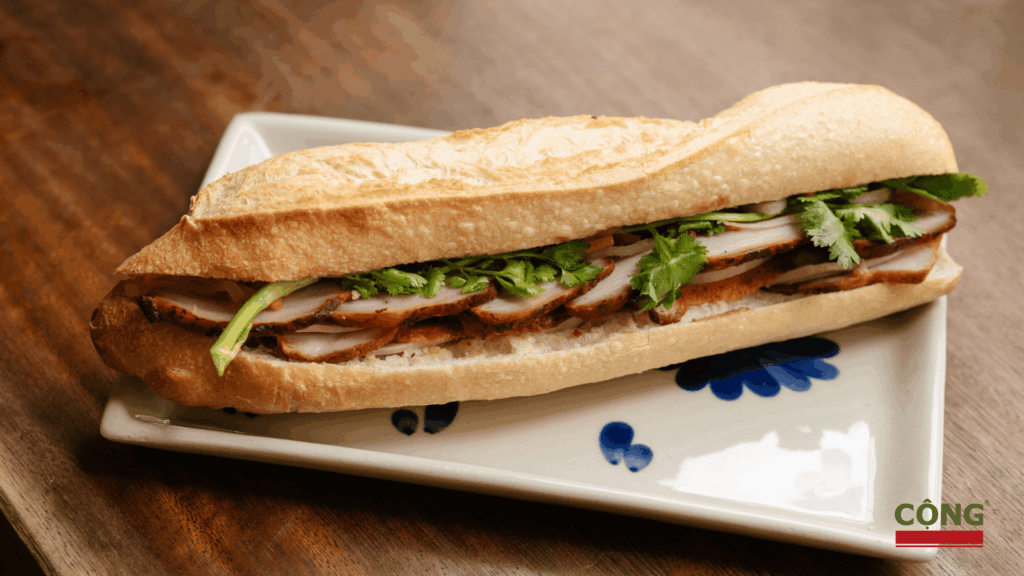
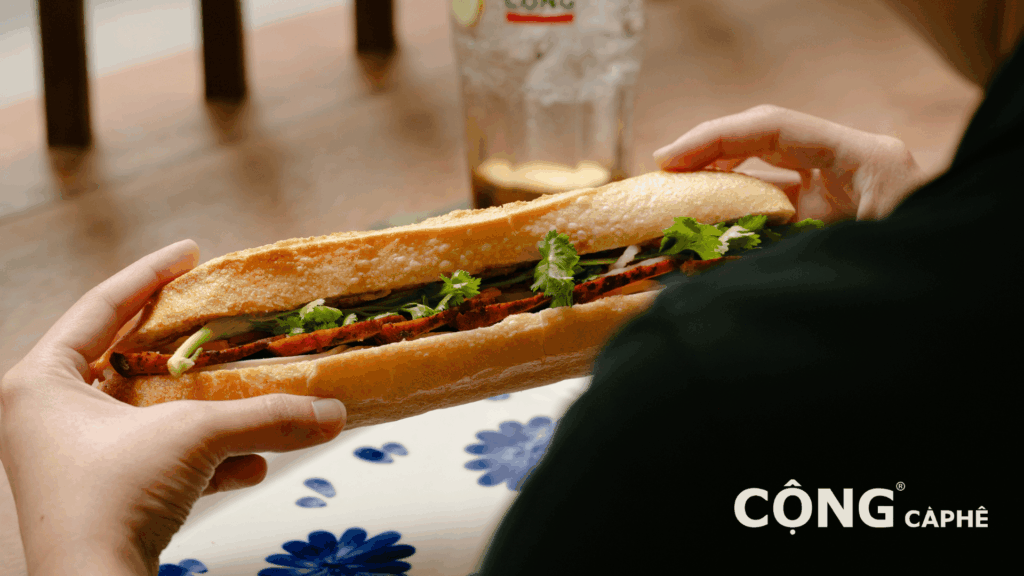
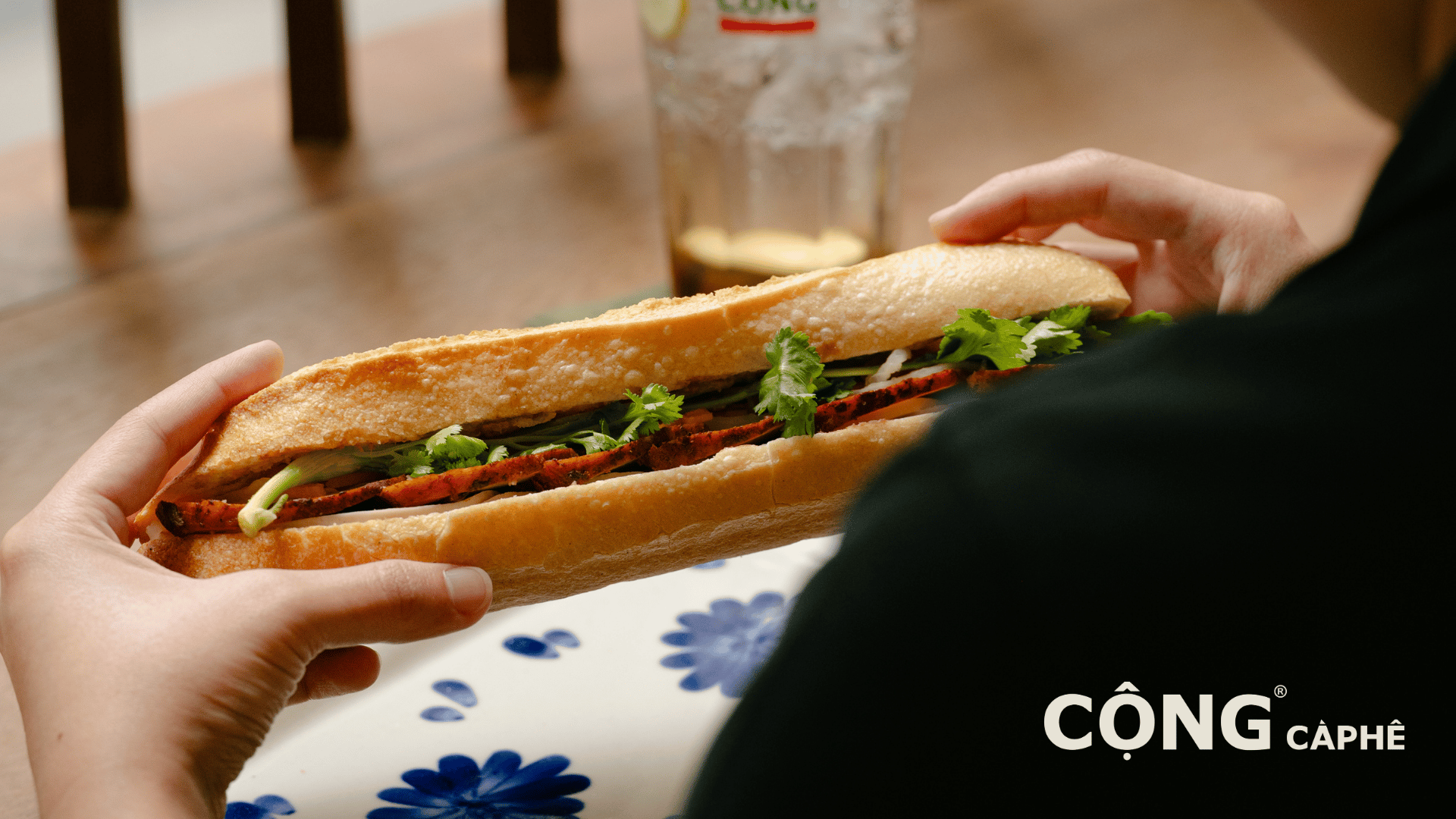
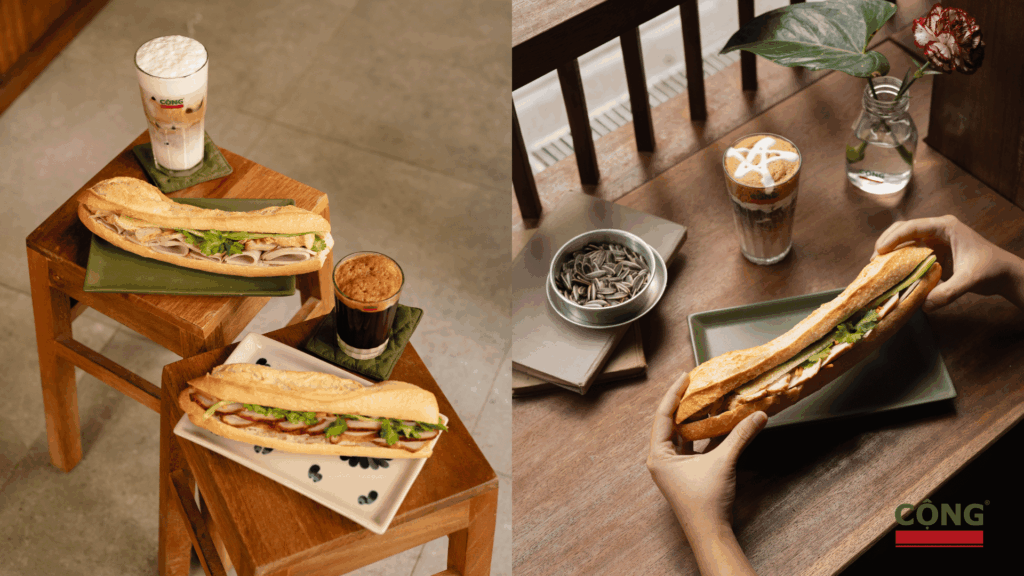
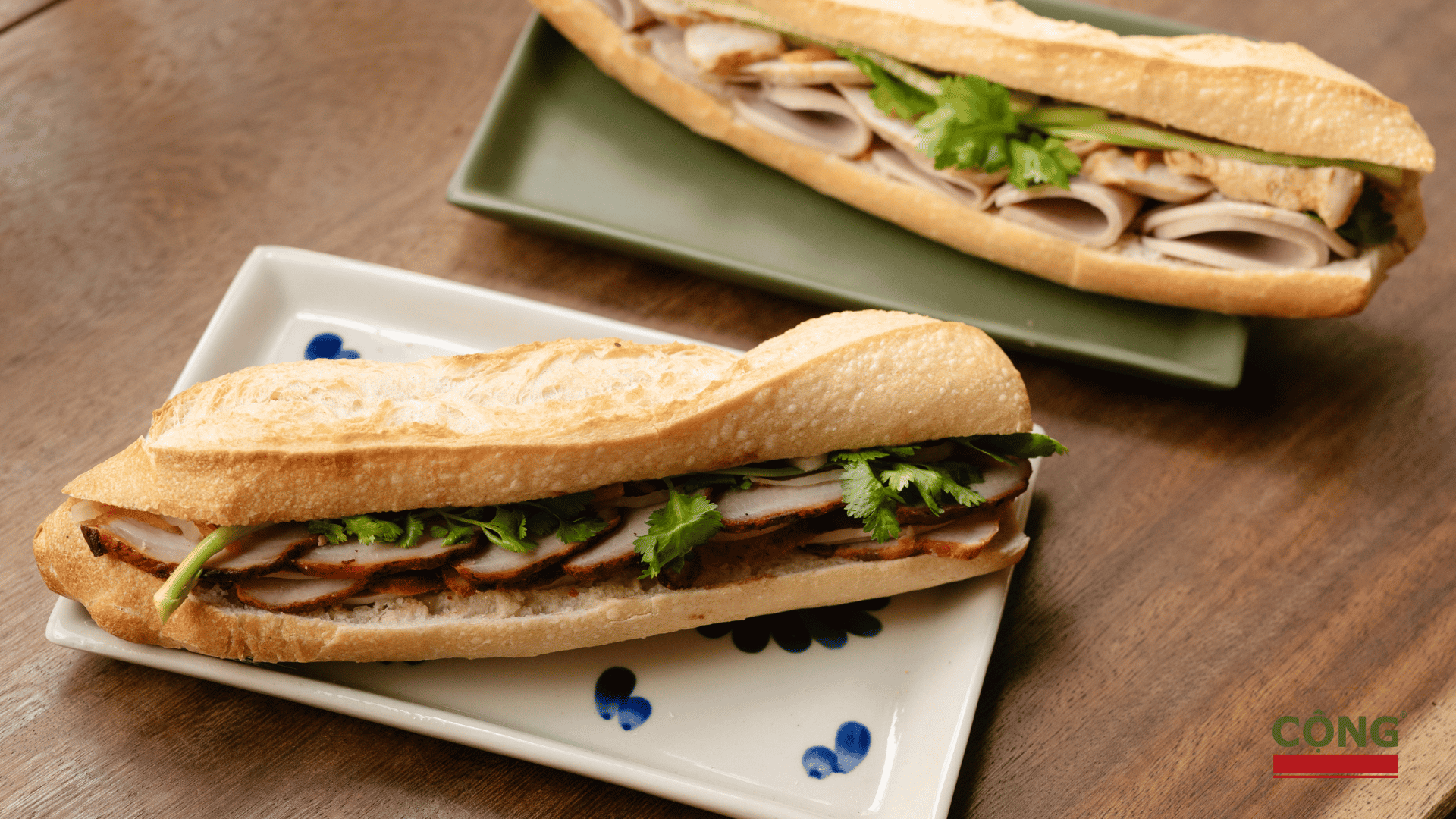
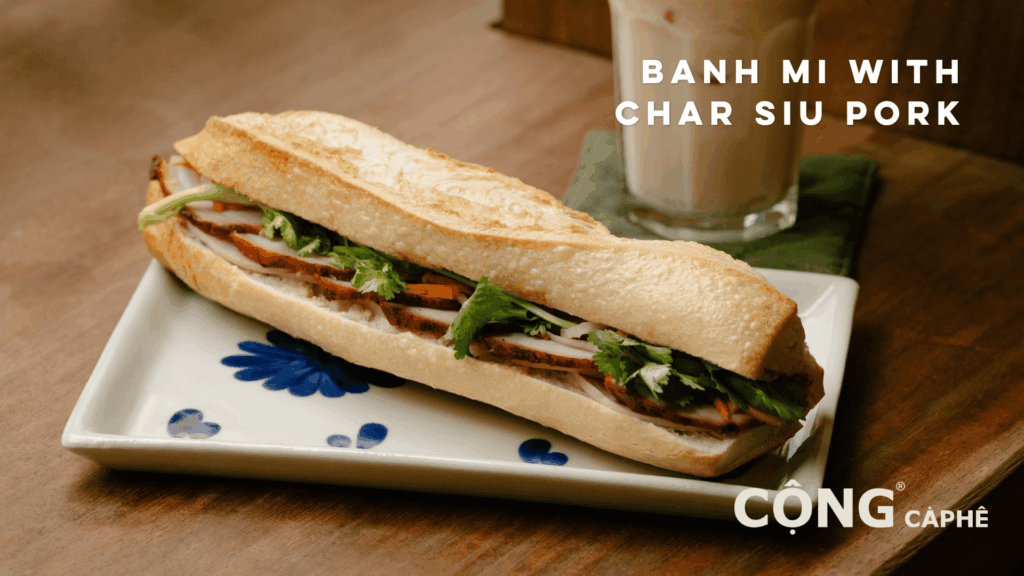
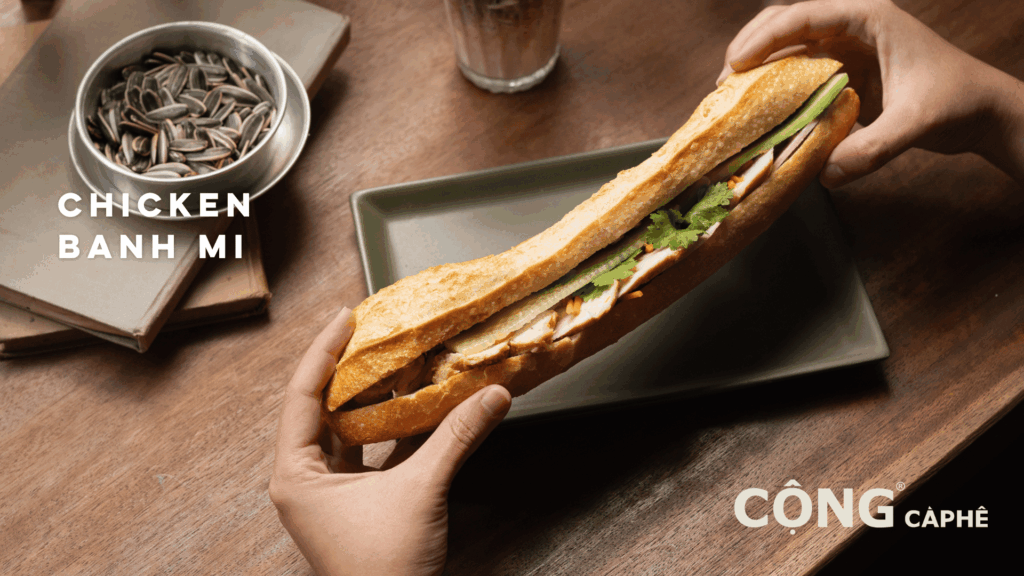
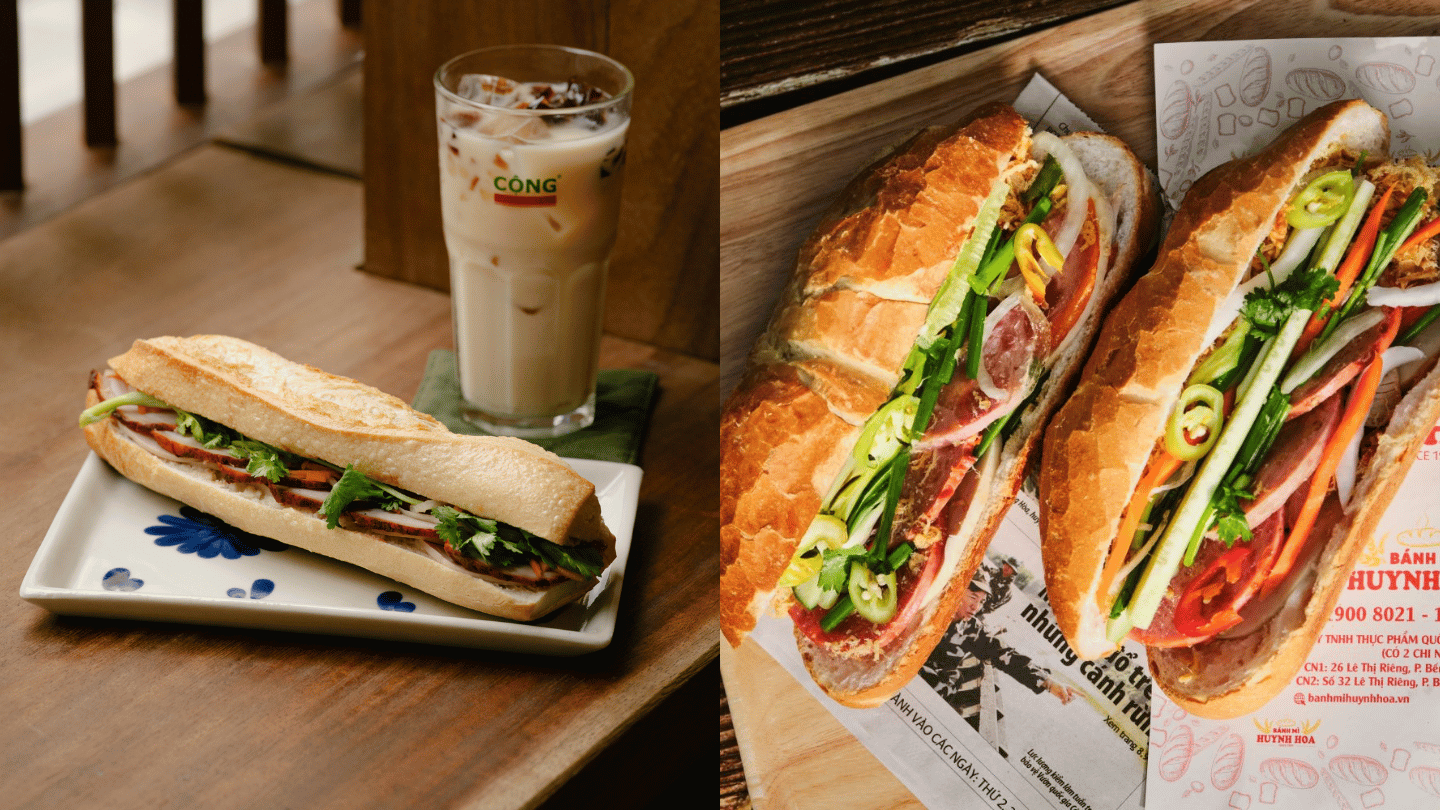
    The bánh mì served here, which is Char Siu Pork and Grilled Chicken, sits within the northern tradition: focused filling, fresh condiments, clean savoury balance. It is served as a snack alongside the full Cộng coffee menu, in the way a bánh mì is meant to be eaten in Hanoi: quickly, casually, with something good to drink. A cà phê sữa đá or a cà phê cốt dừa alongside the sandwich is not a suggestion so much as a natural pairing, the same combination that defines a northern Vietnamese morning.

    If you are wondering what the experience is actually like, customer feedback can often say more than a menu description. Below are reviews from guests visiting Cộng Cà Phê Paris. 

    “In Paris, the city of café culture, I found the best cup not in a smoky brasserie but at Cong Caphe. The Salted Cream Vietnamese Coffee hit like a reunion with an old friend. It was strong, robust, and most importantly caffeinated. The bánh mì had crisp bread, rich pâté, layers of flavor making a near perfect sandwich. Against the backdrop of Paris, it was another reminder that some of the best food experiences happen on accident.” – Gregg Yasuda, Google Map

    “This place brought me home! Stepped inside and immediately felt like I was in Hanoi again. The drinks were absolutely delicious and authentic and the service was top notch. My husband got so excited he ordered 6 drinks in total😂” – Rosie Mai, Google Map

    “The Banh Mi Xa Xiu and Coffee Recommendation was so good! Def worth it. Thanks for the friendly service today, I felt very welcomed.” – TE, En, Google Map

    If you are curious about bánh mì Hanoi or simply want to explore Vietnamese sandwiches in Paris, Cộng offers a relaxed place to start. Whether you prefer the savoury richness of Bánh Mì Xá Xíu or the lighter flavour of Bánh Mì Gà, it is a chance to experience how balance, texture, and freshness come together in one of Vietnam’s most iconic foods. Find Cộng Cà Phê France at 18 Rue Volney, 75001 Paris – congcaphe.fr

  • Banh Mi Vietnam: A Guide to Eat Bánh Mì Like a Local

    Banh Mi Vietnam: A Guide to Eat Bánh Mì Like a Local

    For many Vietnamese cuisine enthusiasts, bánh mì is one of the first foods they hear about. Crisp bread, savoury fillings, fresh herbs, and pickled vegetables have made it one of the country’s most recognisable dishes around the world. 

    If you are curious about banh mi Vietnam and want to understand how locals actually enjoy it, here is what to know before taking your first bite.

    What Is Real Bánh Mì?

    At first glance, bánh mì may look like a sandwich built around a baguette. But in Vietnam, it is much more than that. The bread itself reflects a long culinary exchange between Vietnam and France. Over time, Vietnamese bakers adapted the French baguette into something lighter, crispier, and easier to eat on the move. The crust remains delicate and crisp, while the inside feels airy rather than dense.

    But what truly makes banh mi Vietnam distinctive is what happens inside.Vietnam gradually transformed the sandwich with local ingredients and carefully balanced textures, creating something entirely its own.

    The bread is lighter and crispier than a traditional French baguette, with a delicate crust and airy interior that holds the filling without feeling heavy.

    The filling – depending on the region and shop, fillings can range from grilled meats, char siu, chicken, eggs or cold cuts. The filling is prepared to bring depth and flavour while staying balanced rather than overwhelming.

    The condiments which are pâté, pickled carrot and daikon, cucumber, fresh coriander, and optional chilli, adding richness, freshness, acidity, and crunch in equal measure.

    How Vietnamese People Actually Eat Bánh Mì

    Visitors sometimes imagine there is a proper way to eat bánh mì, but in Vietnam, the experience is usually uncomplicated. Convenience matters as much as flavour, which is why bánh mì fits naturally into everyday life. 

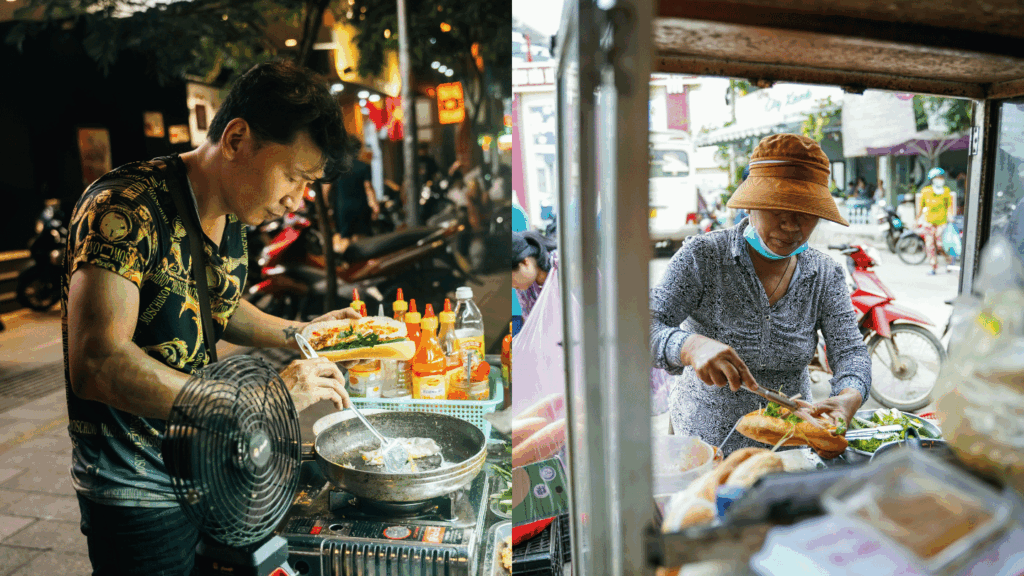
    It is usually eaten with your hands. Bánh mì is designed to be practical: wrapped in paper, easy to carry, and often eaten while walking, commuting, or taking a short break between errands. You are far more likely to see someone eating it on the go than sitting down with a knife and fork.

    Breakfast is one of the most common times to eat it. Across Vietnam, many bánh mì shops open early because locals often grab one before work or school. A warm sandwich paired with coffee is a familiar morning ritual, especially for people looking for something quick but satisfying.

    The first bite should go through all layers at once: bread, pâté, protein, pickle, herb, chilli. A bite that catches only the bread, or only the filling will miss the point. The sandwich is designed to be experienced as a whole, not in sequence.

    Drinks are often part of the experience. Vietnamese people frequently pair bánh mì with coffee, iced tea, or fruit drinks depending on the time of day and the filling. Richer flavours like char siu pork work naturally with strong Vietnamese coffee, while lighter fillings often feel refreshing alongside citrus or fruit-based drinks.

    Most locals have a favourite order. Rather than choosing something different every time, many Vietnamese people return to the same filling they know and enjoy. Some prefer flavourful char siu options, while many keep things classic with pâté or egg.

    Popular Types of Bánh Mì in Vietnam

    There is no single “correct” bánh mì. Across Vietnam, different fillings reflect local preferences and personal taste.

    Egg and pâté – A simpler but classic option, often eaten in the morning.

    Char siu pork – Rich, savoury, and slightly sweet, char siu pork bánh mì remains one of the most satisfying options. Tender pork pairs naturally with pickled vegetables and herbs, creating contrast without becoming overly heavy.

    Grilled chicken – For something lighter, grilled chicken bánh mì offers a more delicate flavour profile while keeping the freshness and crunch that define the sandwich.

    Roasted pork – Filled with crispy roasted pork, the meat carries a gentle balance of savoury and slightly sweet flavours, while the crackling skin becomes the real highlight.

    Where to Eat Banh Mi in Paris

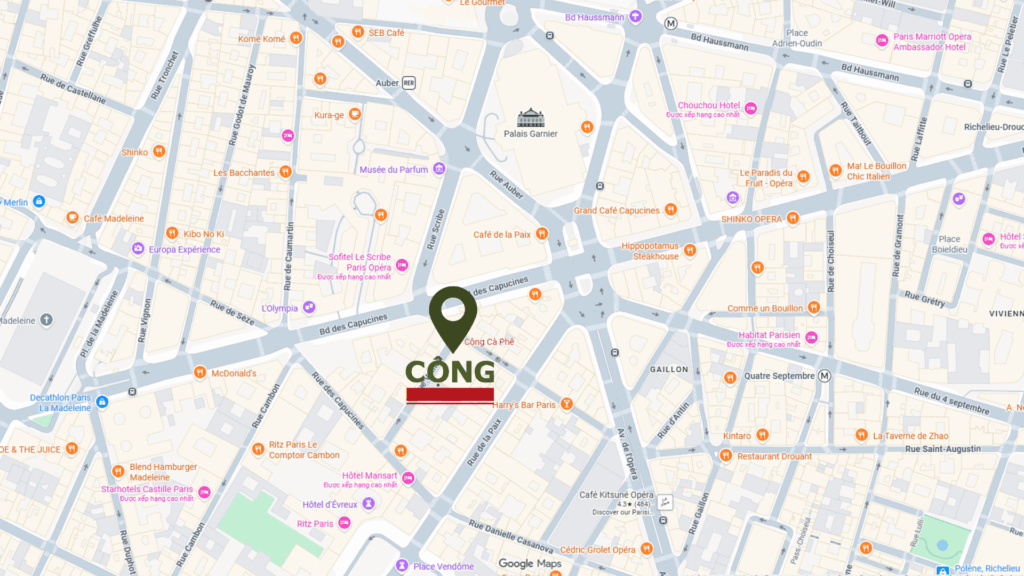
    Cộng Cà Phê France opened at 18 Rue Volney, in the 1st arrondissement of Paris, as the brand’s first European location and the only address in Europe where the full Cộng experience is available. 

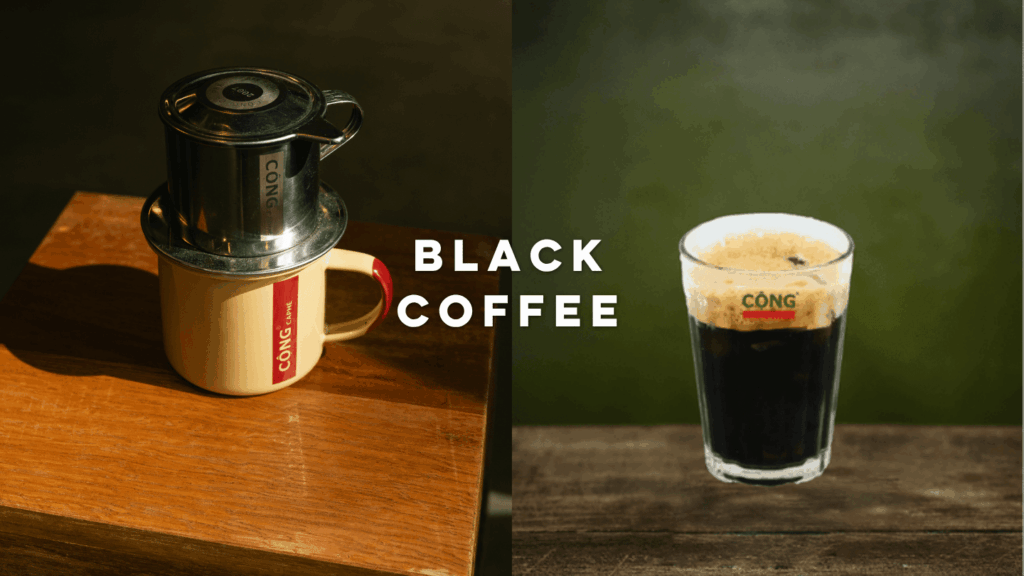
    Bánh mì is served here as a snack alongside the full Cộng coffee menu – 100% Robusta phin coffee from Lâm Đồng, coconut coffee smoothies, Vietnamese teas and local drinks. The two variations are Banh Mi with Char Siu and Chicken Banh Mi, both assembled in the Vietnamese tradition: bread, pâté, filling, pickled vegetables, fresh herbs, chilli. The natural pairing is a cà phê sữa đá or a cà phê cốt dừa – the same combination that defines a Vietnamese morning, now available in the centre of Paris.

    Frequently Asked Questions About Bánh Mì Vietnam

    What does bánh mì mean in Vietnamese? Literally, “wheat bread.” Over time, the term came to mean specifically the Vietnamese sandwich. When someone says bánh mì in Vietnam, the sandwich is what they mean.

    What is the traditional filling of bánh mì in Vietnam? The most common traditional fillings include pâté, grilled/roasted pork meat and char siu pork for the meat versions, alongside pickled daikon and carrot, cucumber, coriander, and chilli. Regional variations exist across the country.

    How is bánh mì different in northern and southern Vietnam? Southern versions tend to be more abundant with more filling, more sauce, often a sweeter flavour profile. Northern versions, including those with Hanoi roots, are more restrained: the flavours are more concentrated, the balance leaning toward savoury depth. The bread is often crispier in the north.

    Is bánh mì eaten for breakfast in Vietnam? Yes, primarily. Bánh mì carts typically open before dawn and sell out by mid-morning. It is one of Vietnam’s most common breakfast foods, eaten quickly on the way to work or school.

    Can I eat bánh mì with coffee at Cộng? Yes, and it is the recommended combination. A bánh mì alongside a Vietnamese phin coffee or a cà phê cốt dừa coconut smoothie reflects exactly how the two are enjoyed together in Vietnam.

    Looking for Vietnamese bánh mì in Paris? Visit Cộng Cà Phê to try classic flavours like char siu pork, or grilled chicken  and experience one of Vietnam’s most iconic everyday foods in a relaxed café setting.Visit congcaphe.fr to explore the full menu.

  • Banh Mi in Paris: Where to Find It and What to Expect

    Banh Mi in Paris: Where to Find It and What to Expect

    Bánh mì is one of the most recognisable Vietnamese dishes in the world. Crisp on the outside, soft in the middle, layered with savoury fillings, herbs, and pickled vegetables, it is often described as one of Vietnam’s most iconic street foods. 

    In recent years, it has also become increasingly visible in Paris, where interest in Vietnamese cuisine continues to grow. Here is what it actually is, what makes one worth eating, and where to find a proper version in Paris.

    What Is Banh Mi? What Goes Inside a Bánh Mì?

    At first glance, bánh mì looks familiar: a baguette filled with meat and vegetables. But the experience is more layered than that. 

    A banh mi (Vietnamese sandwich) built on a short, airy baguette, it is the product of a culinary encounter that began with French colonialism and was quietly, decisively transformed by Vietnamese cooks over the course of a century. The filling is where the dish becomes Vietnamese. At its core, a bánh mì typically includes a protein which is char siu pork, grilled chicken, or pâté among the most common, alongside carrot, pickled vegetables, cucumber, fresh coriander and sauce.

    Different regions of Vietnam approach bánh mì differently, and cafés often adapt recipes according to their own style. Some lean richer, others lighter, but the best versions maintain balance.

    What Makes a Great Bánh Mì?

    A truly good bánh mì depends on several elements working together rather than one standout ingredient.

    The bread matters – The ideal bánh mì baguette should feel crisp on the outside while remaining light inside. Too dense, and the sandwich becomes difficult to eat. Too soft, and it loses the texture that gives bánh mì its identity.

    Fresh ingredients make the difference – Fresh coriander, herbs, pickled vegetables and crisp cucumber are not decorative details. They are essential parts of the sandwich. Because bánh mì is relatively simple, ingredient quality becomes highly noticeable. Fresh vegetables and warm bread often separate a good sandwich from a forgettable one.

    The protein needs to be cooked with attention – Because bánh mì relies on balance, the protein should feel well-prepared rather than overpowering. Whether it is char siu pork, pâté or grilled chicken, tender meat with enough flavour helps the sandwich feel satisfying while still leaving room for the freshness of herbs and pickles to come through.

    Where to Eat Bánh Mì in Paris

    Paris offers no shortage of Vietnamese restaurants and cafés, particularly in neighbourhoods known for Asian cuisine. But finding a memorable bánh mì often depends on more than convenience.

    For many visitors, part of the appeal lies in experiencing Vietnamese flavours in a setting that feels relaxed rather than rushed. A well-made bánh mì can work equally well as a quick lunch, a casual dinner, or an afternoon stop between exploring the city.

    Cộng Cà Phê France, at 18 Rue Volney in the 1st arrondissement, is an address where bánh mì is taken seriously. The brand arrived in Paris from Hanoi, where it built its reputation on an aesthetic rooted in Vietnam’s post-reunification state subsidies era. Every detail of the space, from the furniture to the menu design, carries that sensibility: unhurried, honest, and deeply Vietnamese.

    At Cộng Cà Phê France, bánh mì is also often paired with coffee or refreshing drinks, making the experience feel more complete.

    Two Classic Variations at Cộng

    Cộng Cà Phê France serves two versions of bánh mì, each representing a different register of the Vietnamese sandwich tradition.

    Bánh Mì Xá Xíu – Char Siu Pork

    Xá xíu is the Vietnamese rendering of char siu, the Cantonese-style barbecued pork that has long been woven into the food cultures of Vietnam’s southern and central regions. The meat is marinated and roasted until the exterior caramelises into a lacquered, slightly sweet crust while the interior stays tender. Inside a bánh mì, it pairs naturally with the sharpness of pickled vegetables and the clean fragrance of fresh coriander.

    Bánh Mì Gà – Chicken

    The chicken version offers a lighter, cleaner flavour profile. Where xá xíu brings depth and sweetness, bánh mì gà is fresher and more delicate. The grilled chicken absorbs the brightness of the pickles and herbs rather than contrasting with them. It is a version that suits those who prefer something less rich, without sacrificing any of the textural complexity that makes bánh mì worth eating in the first place.

    Both versions are available as snacks rather than main courses and are designed to accompany a coffee or a coconut smoothie rather than to stand alone as a meal. In this, they reflect the way bánh mì is often eaten in Vietnam itself: quickly, casually, at a counter or on a stool, as part of a morning or an afternoon rather than a formal sit-down.

    Frequently Asked Questions About Bánh Mì

    What does bánh mì mean in Vietnamese? Bánh mì translates literally as “wheat bread”. Bánh refers to a broad category of cakes, breads, and pastries, and meaning wheat. Over time, the term became shorthand specifically for the Vietnamese sandwich. When someone says bánh mì in Vietnam, the sandwich is what they mean.

    Is bánh mì gluten-free? No. The bread is made from wheat flour and contains gluten. The fillings themselves including the proteins, pickled vegetables, and herbs are generally gluten-free, but the sandwich as a whole is not suitable for those with a gluten intolerance or coeliac disease.

    Is bánh mì served hot or cold? Typically, the bread is served warm or at room temperature, and the protein may be warm depending on preparation. The pickled vegetables and fresh herbs are cool. 

    Can I have bánh mì with coffee at Cộng? Yes, and it is recommended. The combination of a bánh mì with a glass of cà phê sữa đá (Vietnamese iced coffee with condensed milk) or a cà phê cốt dừa (coconut coffee smoothie) reflects the way these foods naturally appear together in Vietnam. At Cộng Cà Phê France, the two are part of the same menu and the same experience.

    If you are looking for banh mi in Paris, trying a Vietnamese café can be one of the most enjoyable ways to experience it. Bánh mì xá xíu and bánh mì gà are available alongside Vietnamese coffee and refreshing drinks at Cộng Cà Phê France, 18 Rue Volney, 75001 Paris. Visit congcaphe.fr to explore the full menu.
  • Looking for Fruit Juice in Paris? Try These Refreshing Drinks

    Looking for Fruit Juice in Paris? Try These Refreshing Drinks

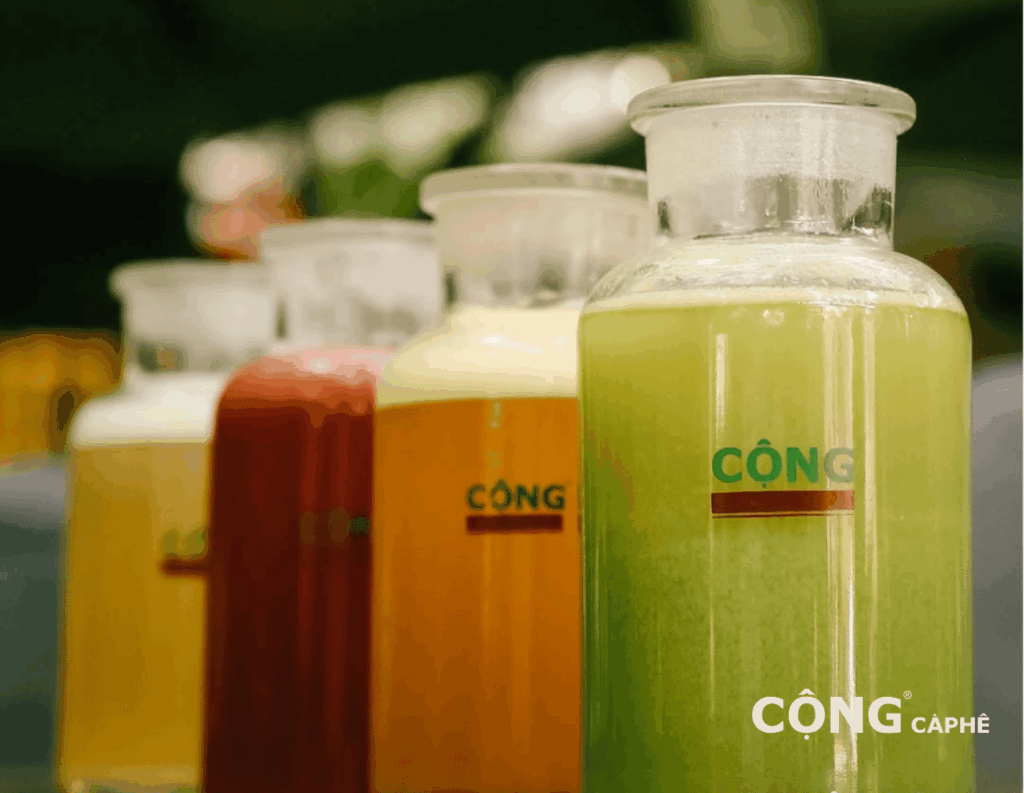
    If you are searching for fruit juice in Paris, there are more options than the classic orange juice served at breakfast. Across the city, cafés are exploring refreshing drinks that feel lighter, more vibrant, and better suited to summer afternoons. Among them, Vietnamese cafés offer a particularly interesting perspective, shaped by tropical ingredients, crushed ice, and flavour combinations designed to cool rather than overwhelm.

    Whether you prefer citrus flavours, tropical fruit, or something naturally refreshing, here are some fruit juice options worth discovering in Paris.

    What Makes a Great Fruit Juice Experience?

    Not every fruit juice feels equally refreshing. The difference often comes down to balance.

    A good fruit juice is not simply sweet. The best drinks combine freshness, acidity, texture, and temperature. A splash of citrus can make a drink brighter, while crushed ice changes the experience entirely, turning fruit juice into something cooling and energising during warm weather.

    In many Vietnamese drinks, refreshment comes first. Drinks are often designed to feel light and cooling, especially in hot climates. Instead of overly thick beverages or heavy syrups, the focus is often on freshness, tropical flavours, and plenty of ice.

    That approach makes Vietnamese-style fruit drinks particularly enjoyable during spring and summer in Paris.

    The Fruit Juice Menu at Cộng Cà Phê France

    At Cộng Cà Phê’s Paris location on Rue Volney, the fruit juice menu reflects the same values that define the brand’s coffee offering: quality ingredients, honest preparation, and a connection to Vietnamese café tradition. The list is concise and considered, each option chosen for the way it tastes rather than the way it looks on paper.

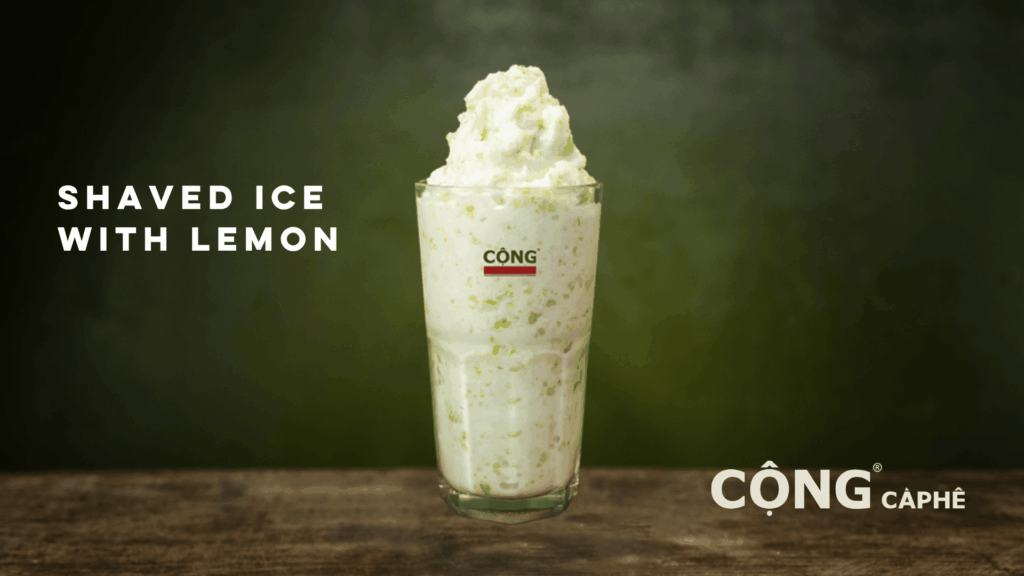
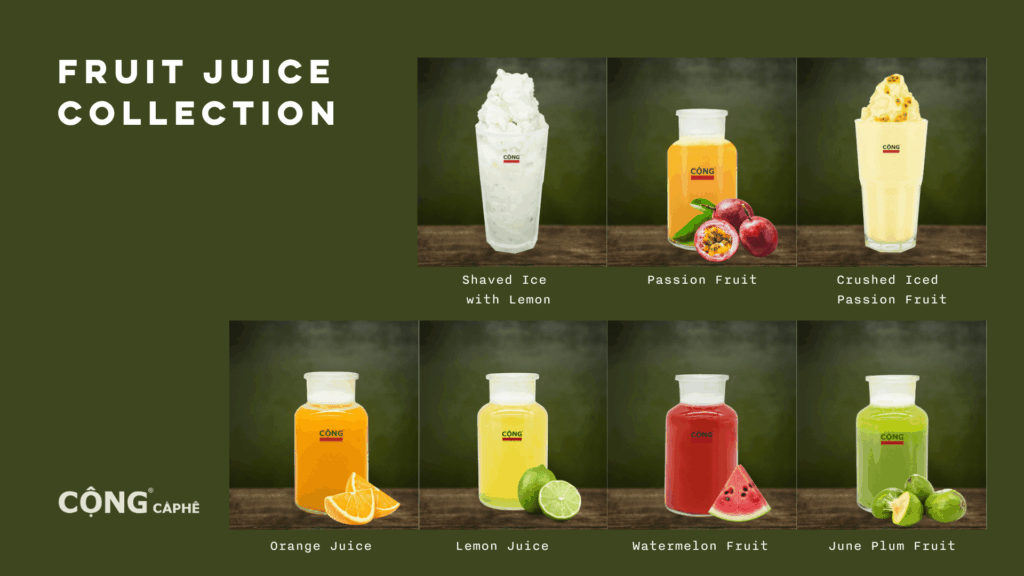
    Shaved Ice with Lemon (recommended)

    The simplest drink on the menu is often the best place to start. Shaved ice packed around fresh lemon juice produces something immediately refreshing and slightly sweet. This is the kind of drink that is difficult to stop after one. 

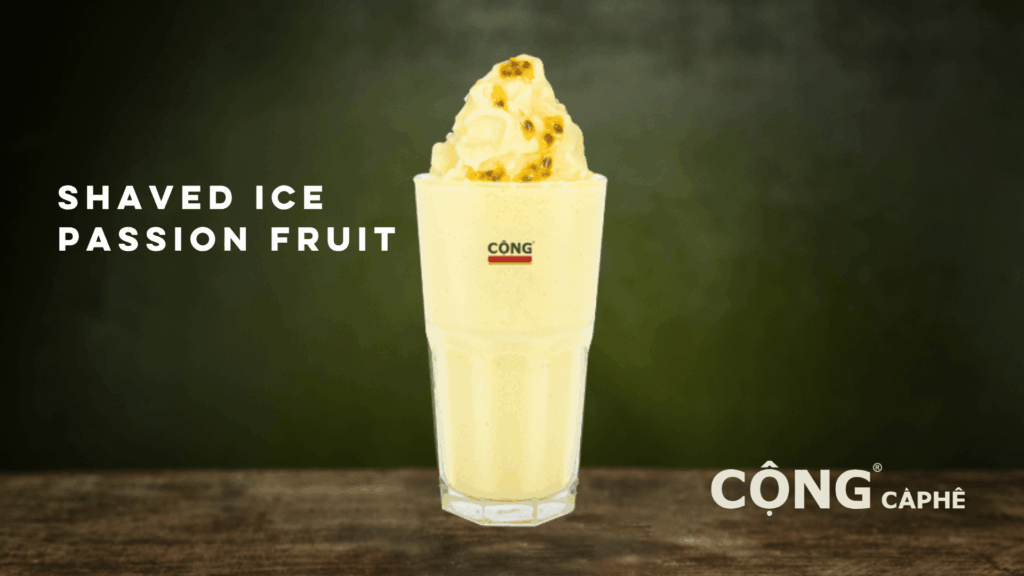
    Passion Fruit and Crushed Ice Passion Fruit

    Passion fruit has a particular status in Vietnamese fruit culture. It has long been appreciated for its bright tropical flavour, balancing sweetness with natural acidity. At Cộng, it appears in two forms: as a straightforward juice and as a crushed-ice preparation, where the fruit is worked into the ice rather than simply poured over it. The second version is richer in texture and slightly more intense in flavour. Both are worth trying; the crushed ice version lingers a little longer.

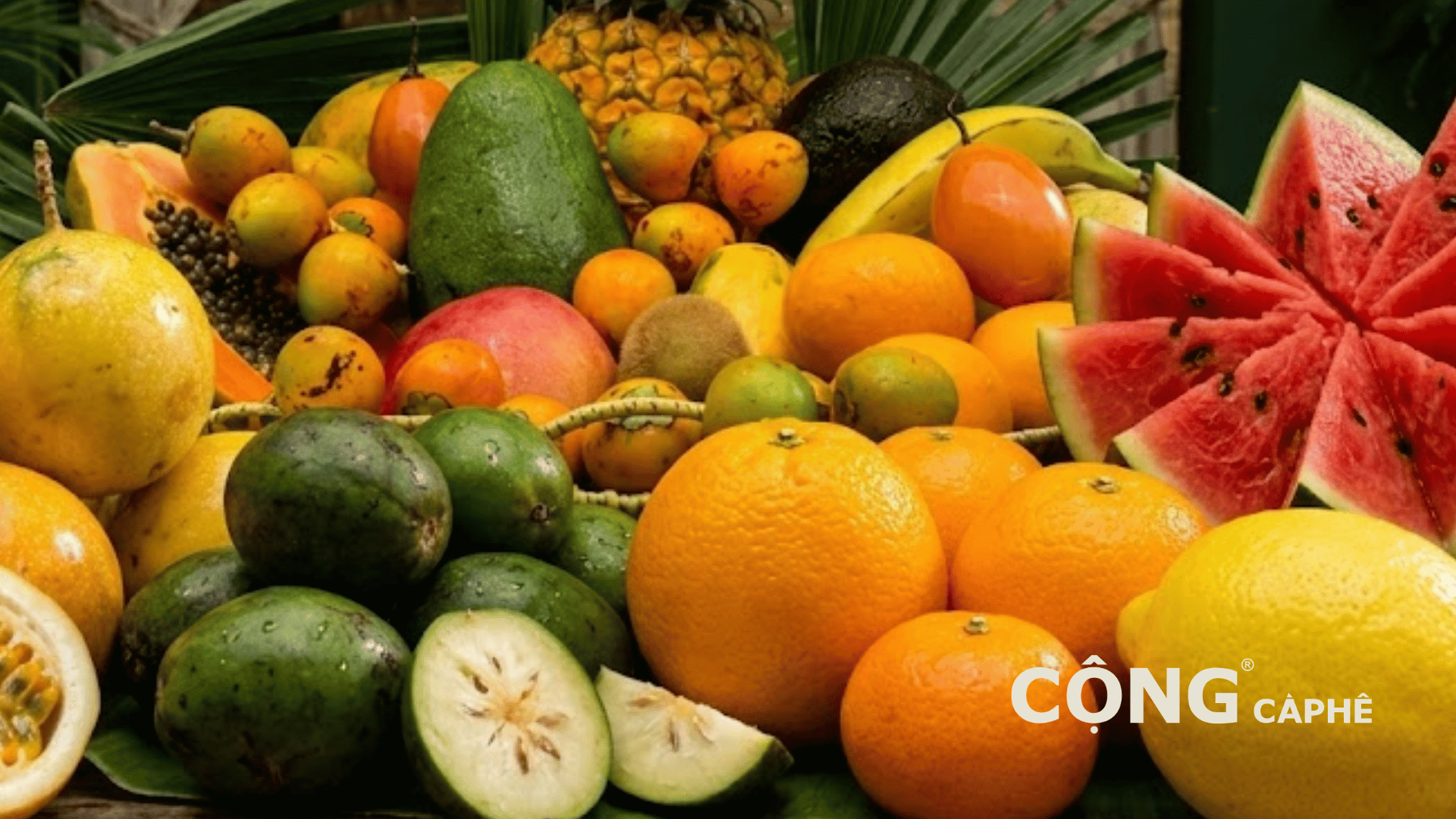
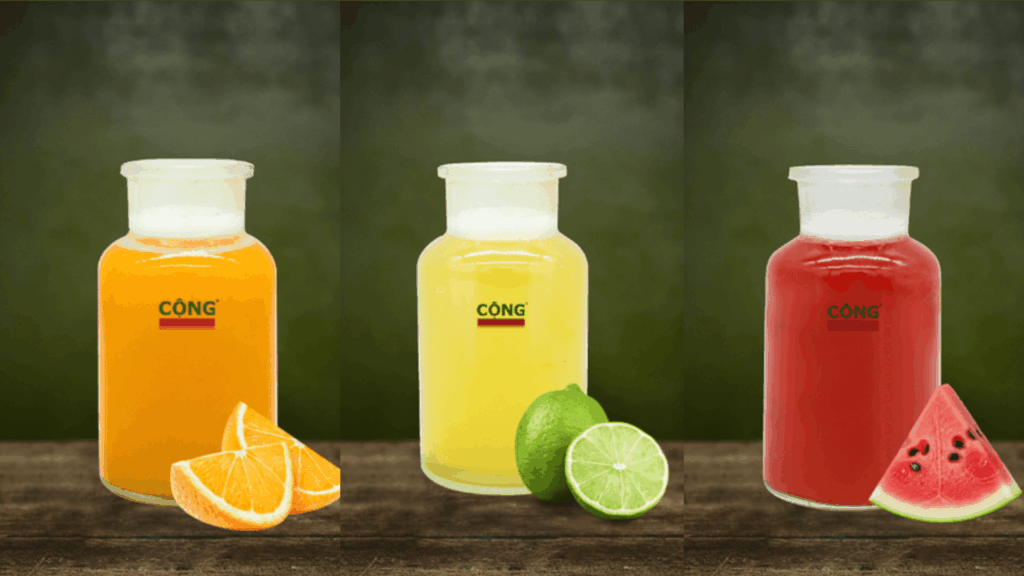
    Lemon Juice, Watermelon Juice, and Orange Juice

    These three speak for themselves, which is precisely their appeal. Watermelon juice is one of Vietnam’s great summer drinks which is slightly sweet and so hydrating that it barely feels like an indulgence. Lemon juice, here as a standalone rather than paired with shaved ice, is sharper and more direct. Orange Juice remains one of the most recognisable fruit drinks in the world. Fresh, citrusy, and easy to enjoy, it offers familiarity while still feeling refreshing.

    Each of these is made to order rather than prepared in advance, which is the detail that matters most.

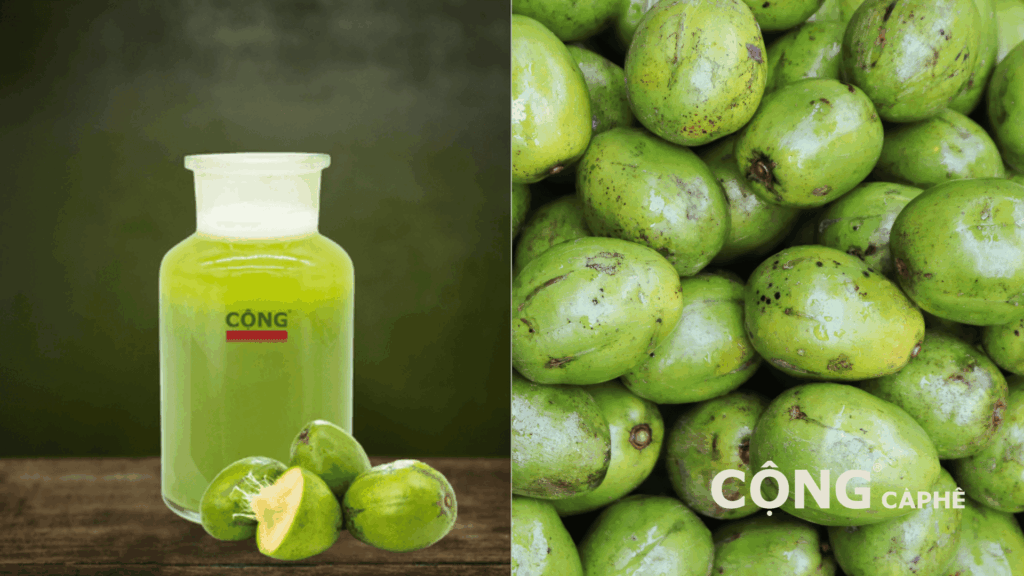
    Nước Ép Cóc – June Plum Juice

    For those curious about trying something less familiar, June Plum Juice offers an unexpected experience. Cóc, called june plum in English, is a green tropical fruit with a tart, astringent quality and a faint sweetness that only reveals itself slowly. It is common across Vietnam, eaten as a street snack with salt and chilli, or pressed into juice that is unmistakably its own thing. 

    There is nothing quite like it in the European fruit repertoire, which makes nước ép cóc one of the more genuinely surprising drinks available at Cộng’s Paris location. If you are looking for a single reason to step outside your usual order, this is it.

    Drinking at Cộng: The Full Experience

    Cộng Cà Phê was founded in Hanoi in 2007, drawing its aesthetic from the subsidy period of the 1970s and 1980s, when Vietnamese daily life had a particular texture of scarcity and resourcefulness. The interiors reference that period deliberately: worn wood, military-green tones, old photographs, enamel mugs. It is a specific kind of nostalgia, grounded in a real moment in Vietnamese history, and it gives the café a character that no amount of interior design trend-following could replicate.

    Drinking a glass of june plum or a shaved ice lemon in that setting is a different experience from drinking the same thing at a generic juice counter. The context changes the drink. At Cộng, a fruit juice is part of a larger atmosphere – one that asks you to slow down, look around, and consider that what you are holding in your hand comes from a tradition that stretches back considerably further than the café itself.

    If you are exploring fruit juice in Paris, Cộng Cà Phê is worth adding to your list, especially if you are looking for something beyond the usual options. The full fruit juice menu is available at Cộng Cà Phê France, 18 Rue Volney, 75001 Paris. Explore the menu and plan your visit at congcaphe.fr.
  • Pure Matcha in Paris: Where to Taste It at Its Clearest

    Pure Matcha in Paris: Where to Taste It at Its Clearest

    While most people in Paris have tried matcha, far fewer have tasted it pure. Discover what sets pure matcha apart, why it matters, and where to find it in a cup worth lingering over.

    What Is Pure Matcha?

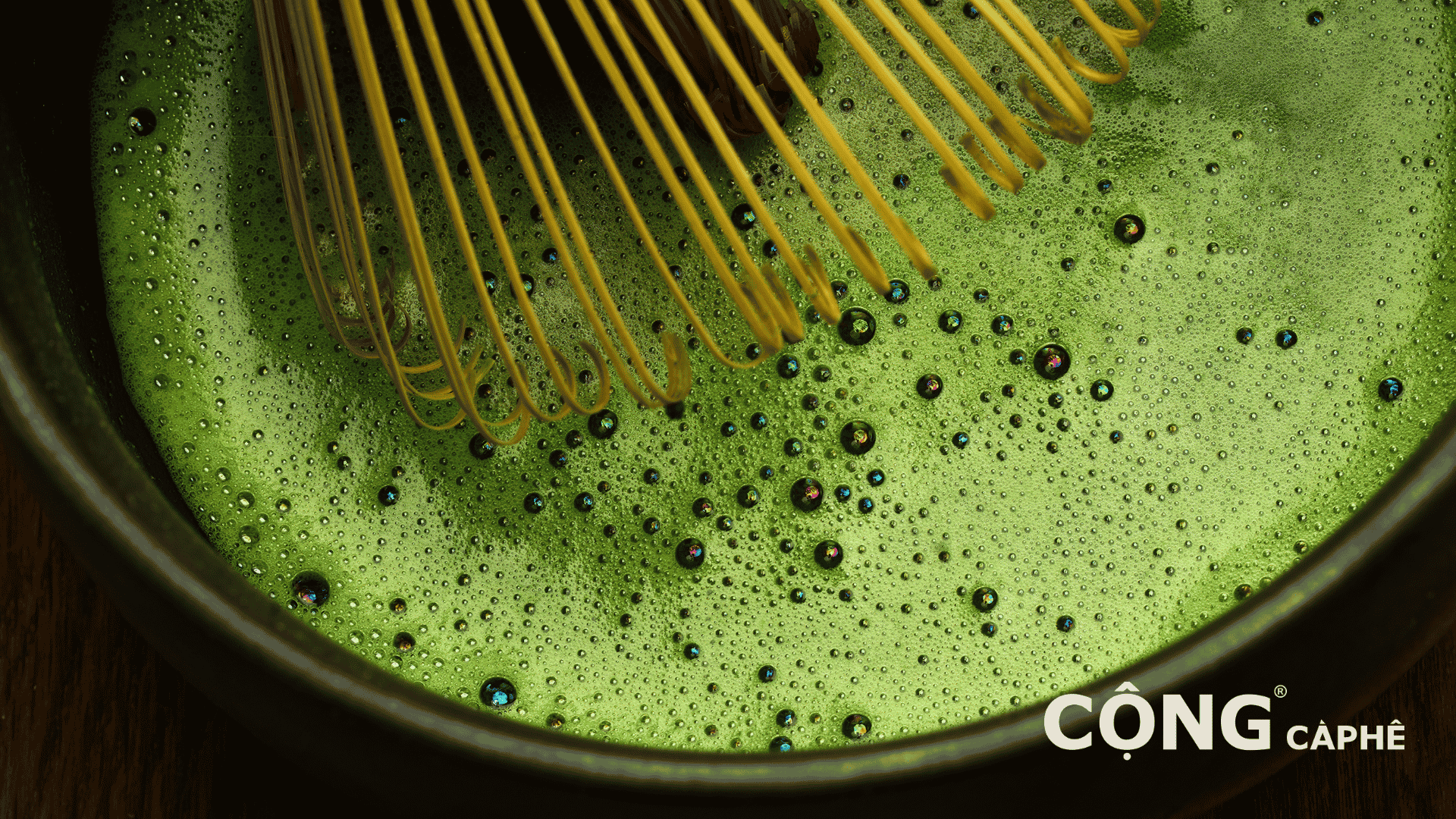
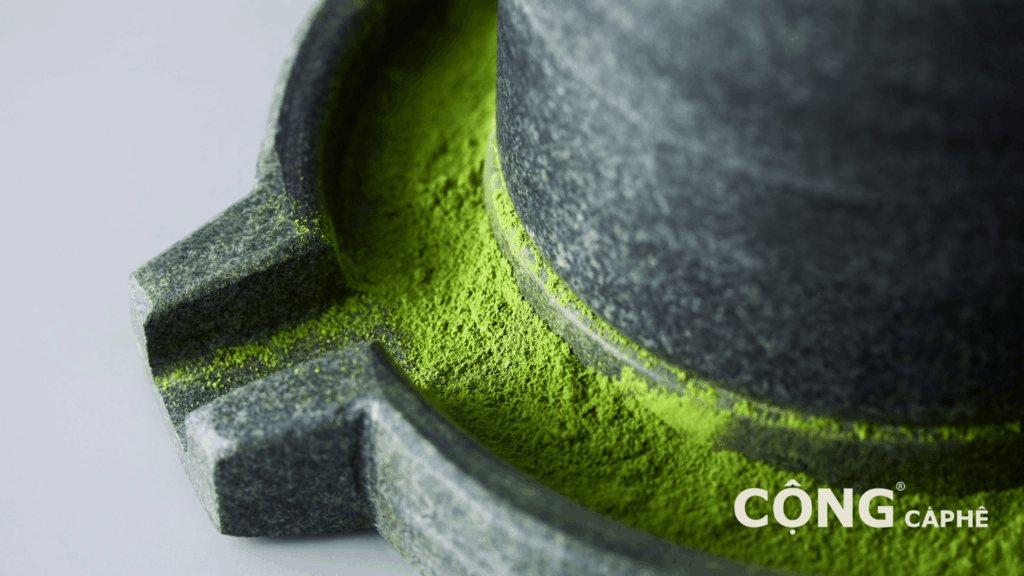
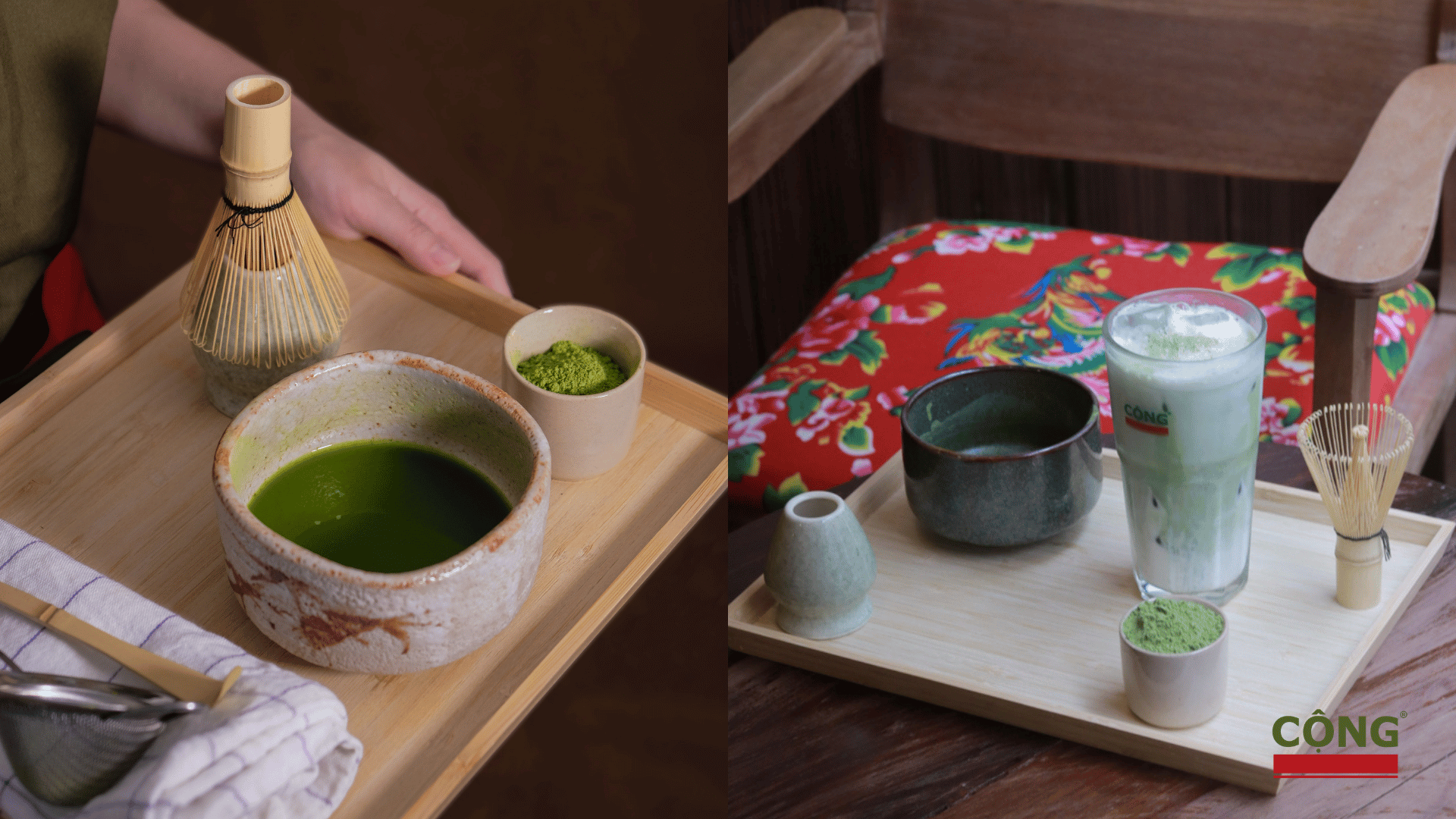
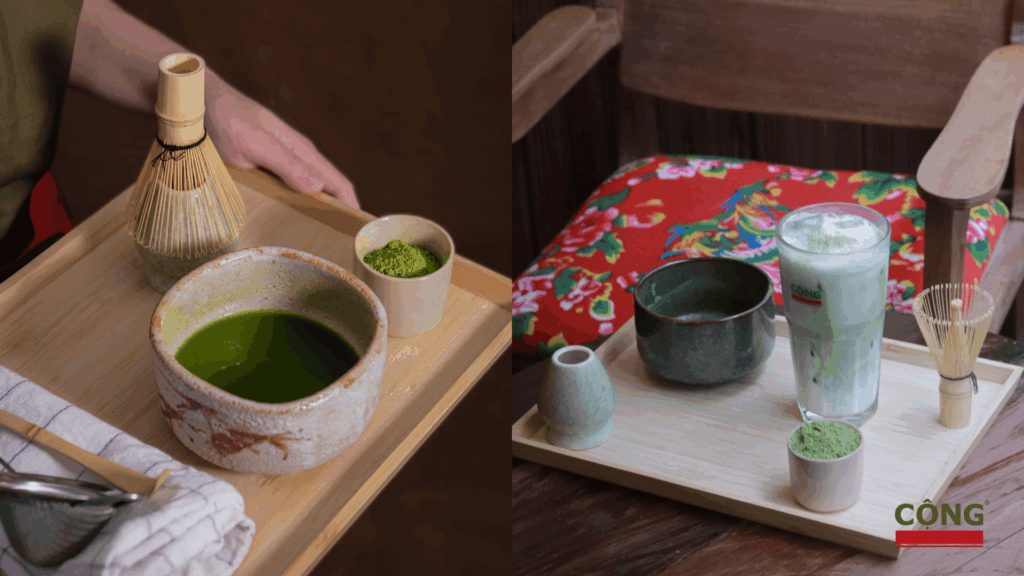
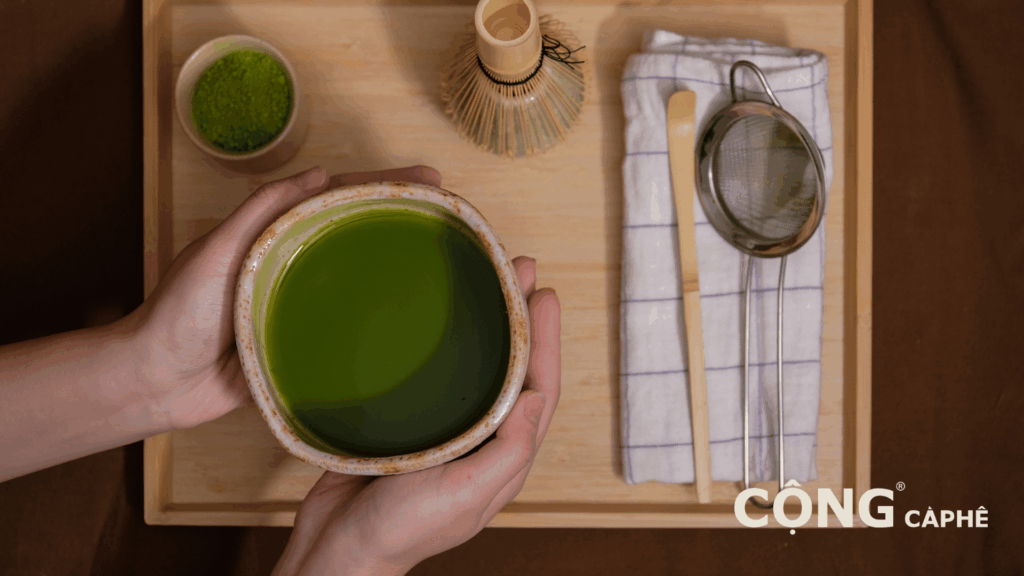
    Pure matcha is finely ground green tea powder whisked with hot water – no milk, no sweetener, no added flavour. What arrives in the cup is the tea itself: vivid, slightly viscous, with a clean bitterness that opens slowly into a lasting sweetness at the back of the palate.

    Pure matcha flavor is layered: grassy and mineral at first, then umami, then sweet. The texture has a quiet weight to it. It is a drink that rewards attention, which is precisely why it suits a slow café setting far better than a takeaway cup.

    Matcha itself traces its origins to Tang Dynasty China, where tea was ground and whisked rather than steeped. The practice was carried to Japan in the 12th century by Buddhist monks who used it to sustain concentration during long meditation sessions. That dual quality of calm alertness has defined the drink ever since.

    The Benefits of Drinking Pure Matcha

    Calm, sustained energy:  Matcha contains both caffeine and L-theanine, an amino acid that slows how the body absorbs caffeine. The result is a focused, alert feeling that builds gradually and fades without a crash, quite different from the sharp spike that coffee can produce.

    Better concentration: The combination of caffeine and L-theanine has been shown in research to improve attention and accuracy more effectively than either compound on its own. It is the quality that made matcha a staple of Zen Buddhist practice for centuries.

    A higher dose of antioxidants than brewed green tea: Because the whole leaf is ground into powder and consumed entirely, rather than steeped and discarded, matcha delivers a far more concentrated dose of catechins, the antioxidants found in green tea. The most studied of these, EGCG, is associated with anti-inflammatory and cardiovascular benefits.

    Where to Have Pure Matcha?

    Cộng Cà Phê is a Vietnamese café brand rooted in the aesthetic of Hanoi’s 1980s era which gave Vietnamese daily life a particular texture: honest, unhurried, built around small rituals. The brand’s first European location opened at 18 Rue Volney in the 1st arrondissement of Paris. The setting does something particular for a drink like Pure Matcha. Cộng Cà Phê’s interior, with its worn textures, vintage objects, and unhurried pace, is designed for people who want to stay rather than pass through. 

    Pure matcha, which asks you to slow down and pay attention, finds its natural context here. It is not a drink for the counter. It is a drink for a table, a quiet hour, and somewhere that does not rush you through it. For anyone who has only encountered matcha as a green addition to a milk drink, this is a different experience entirely.

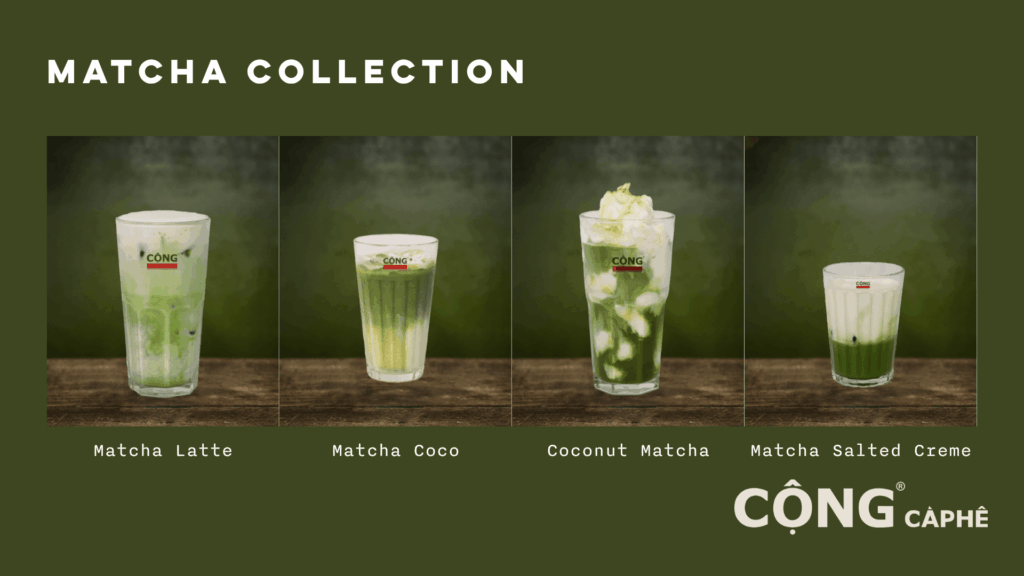
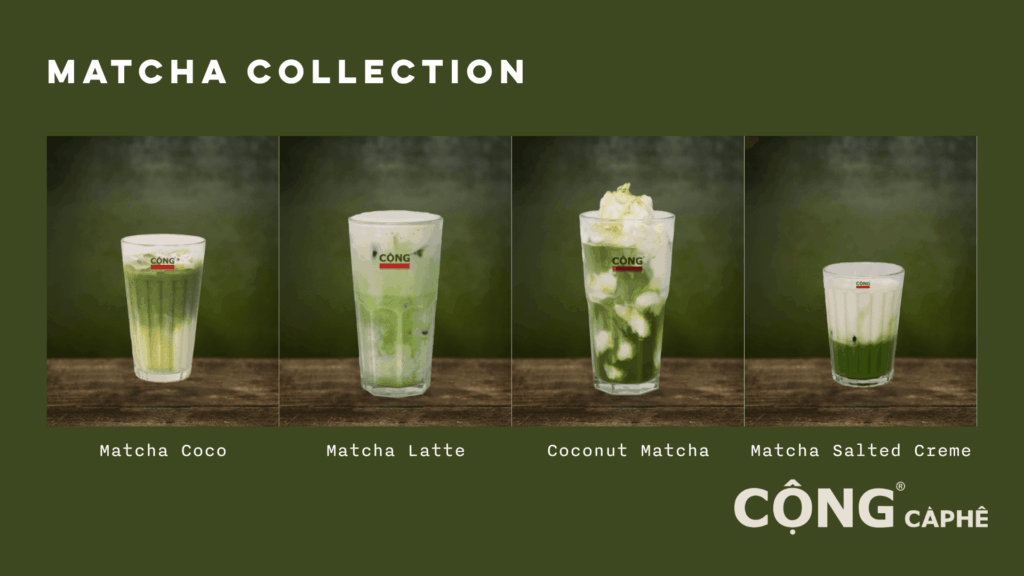
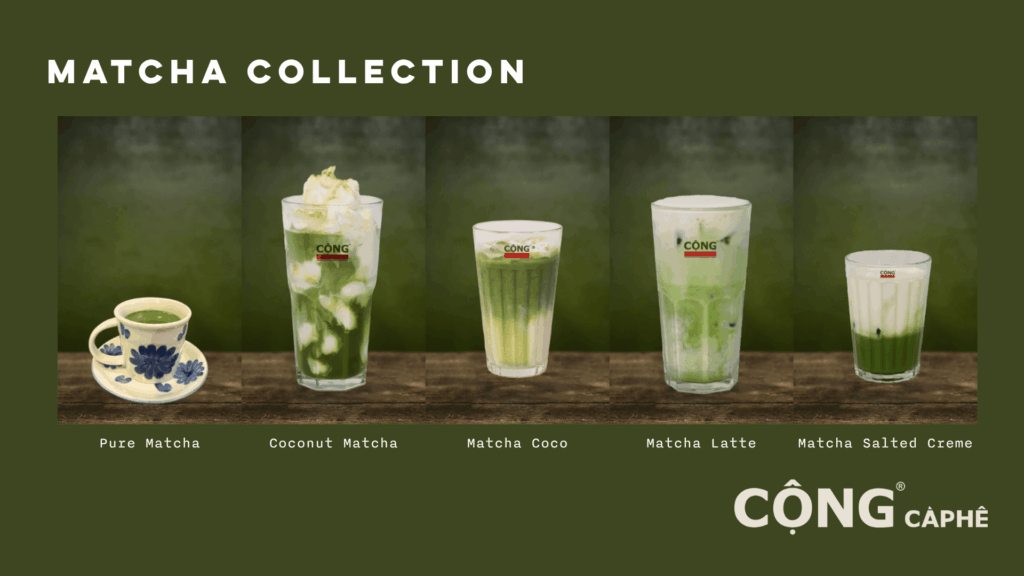
    Matcha Collection at Cộng Cà Phê Paris

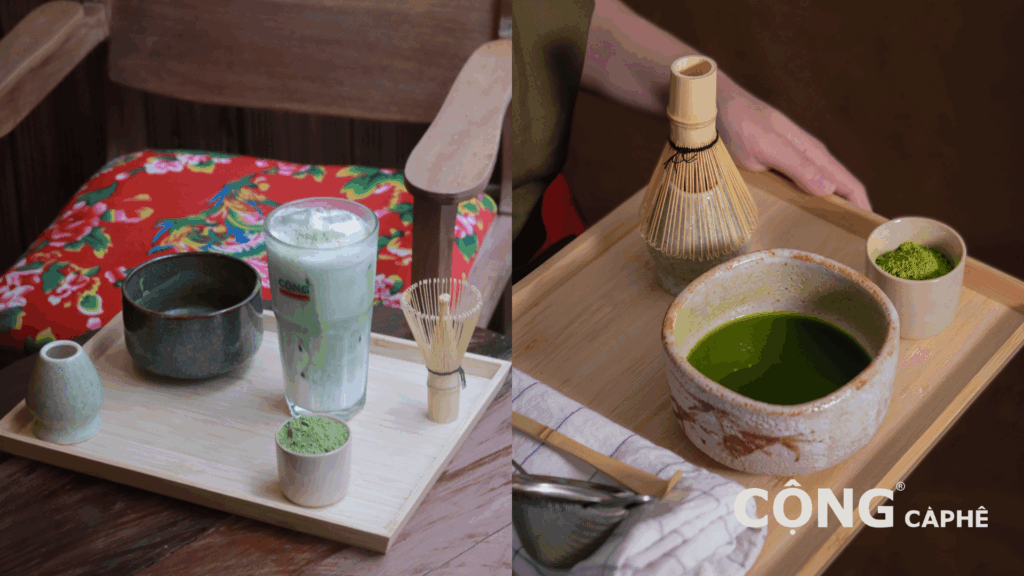
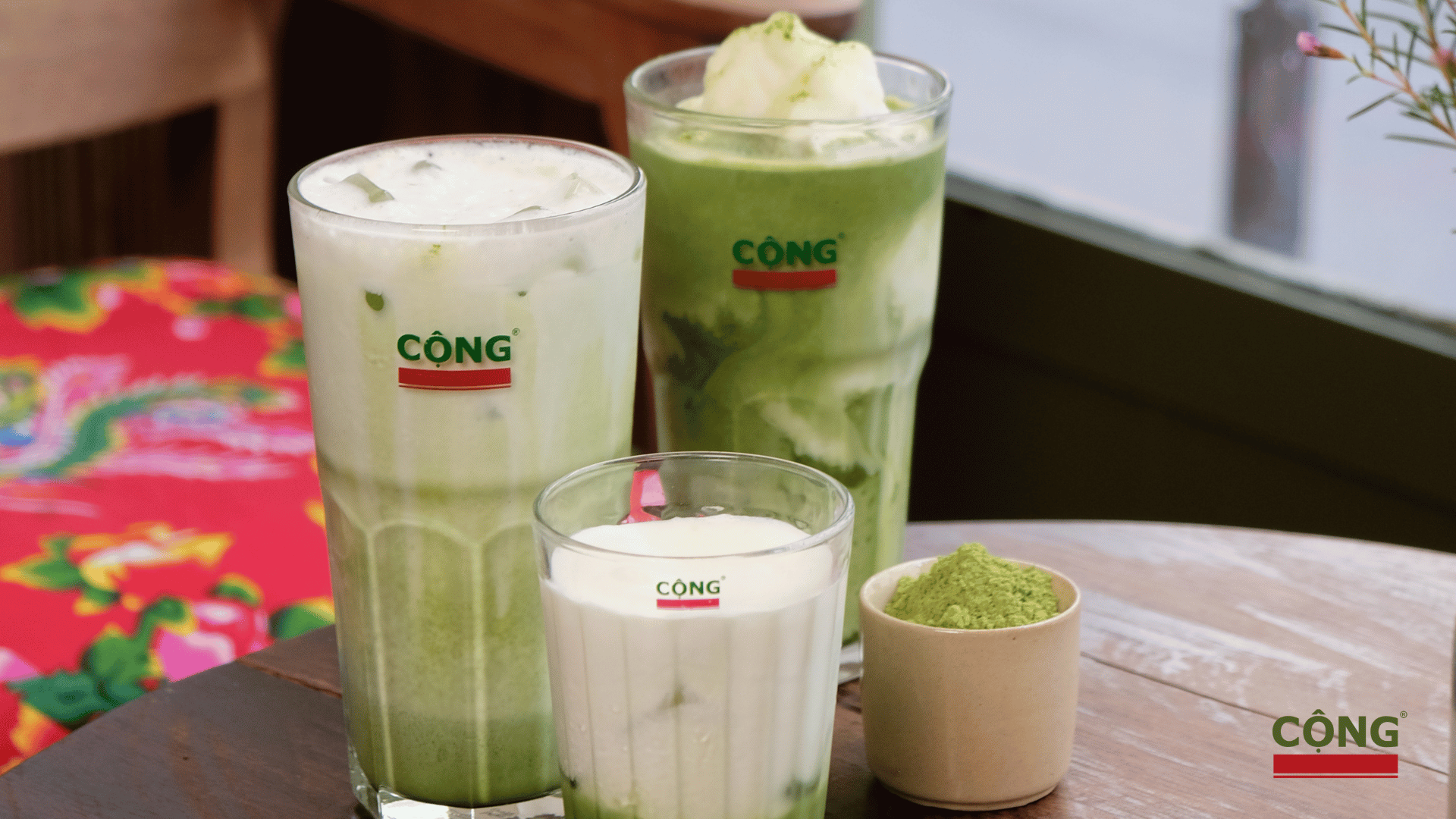
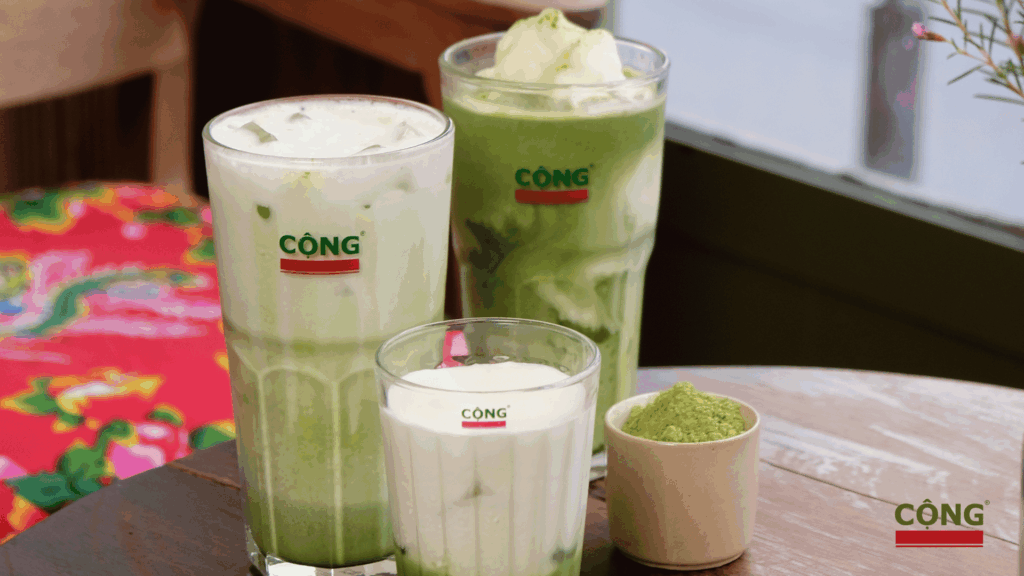
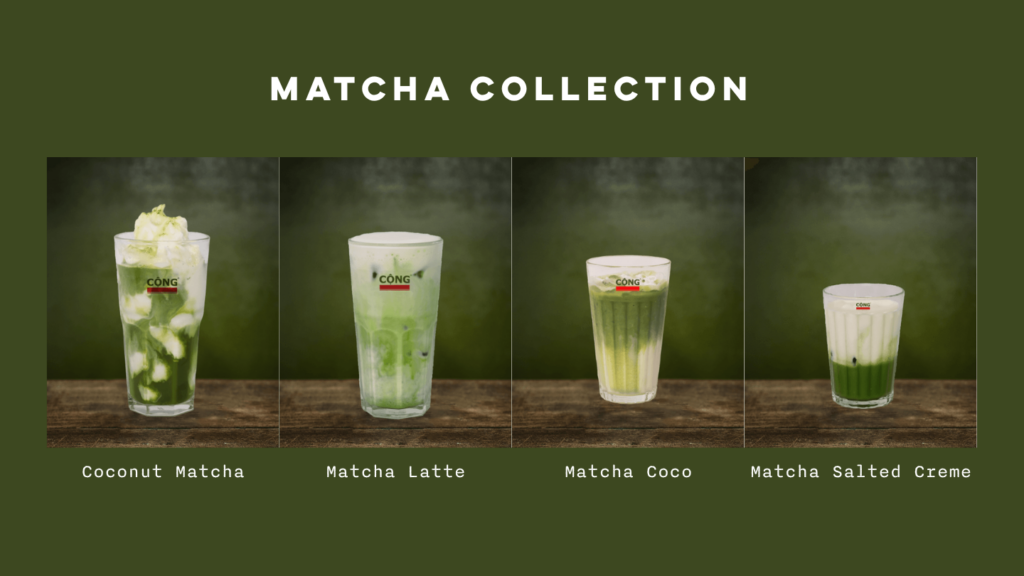
    Matcha sits within a broader matcha offering at Cộng Cà Phê, each drink built around a different way of experiencing the ingredient.

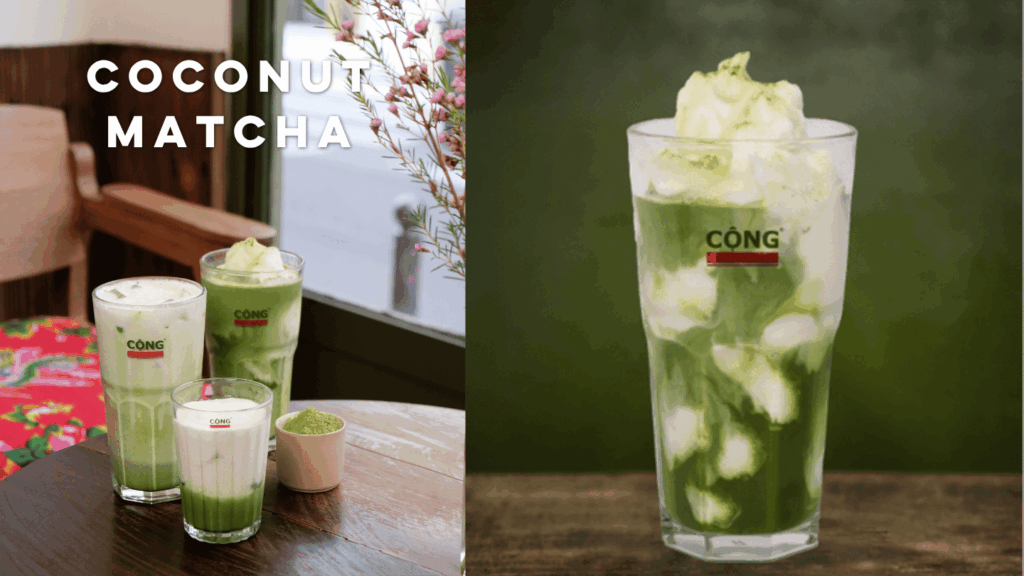
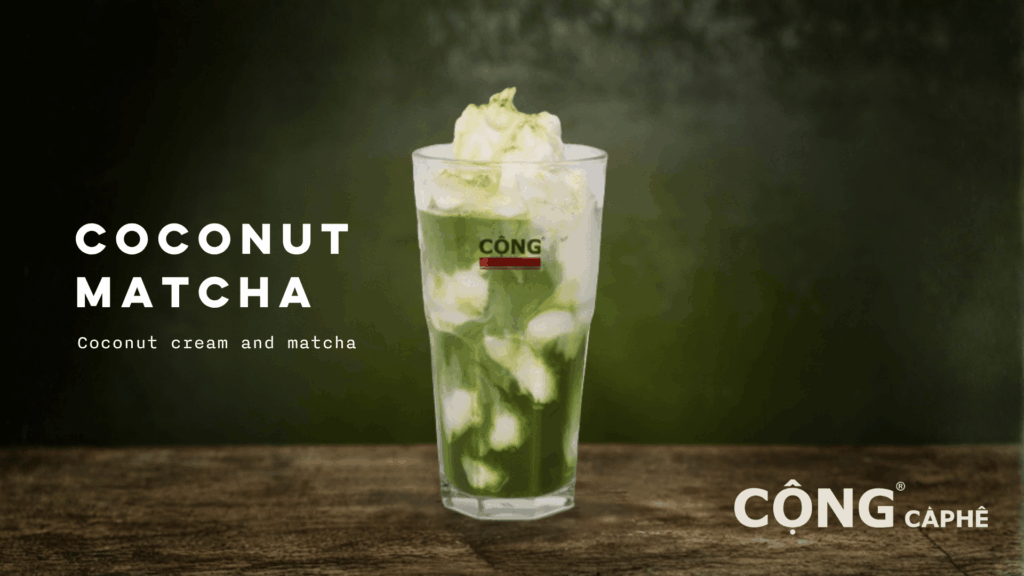
    Coconut Matcha is the iced version: a blended coconut matcha smoothie, cold and textured, closer in format to the brand’s signature cà phê cốt dừa (coconut coffee) than to a traditional matcha preparation. It suits warm days and first-time matcha drinkers in equal measure.

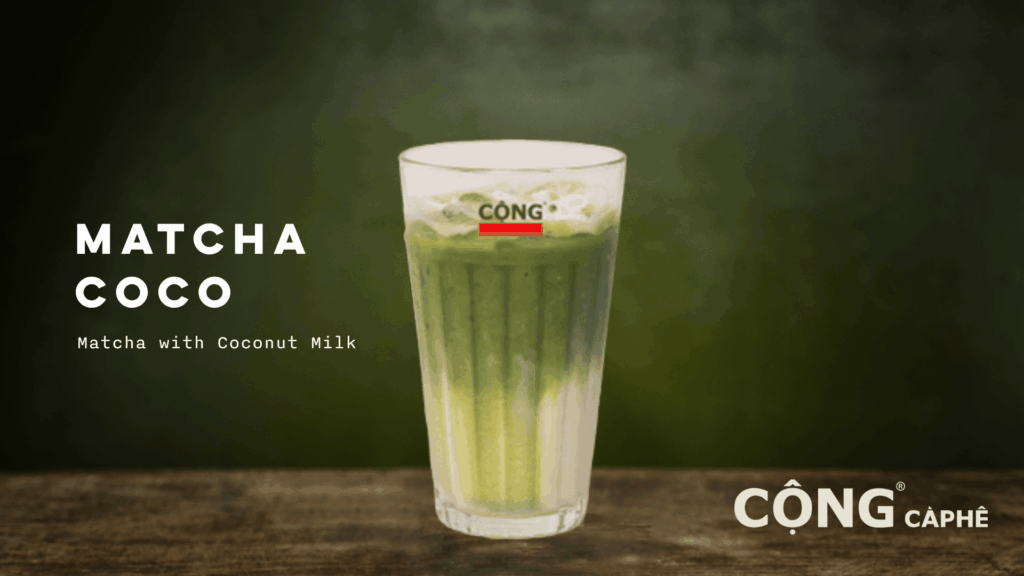
    Matcha Coco pairs matcha with coconut milk, a combination that draws on Vietnamese café culture’s long relationship with coconut as a modifier. The coconut softens the bitterness and adds a natural sweetness that makes the drink approachable without becoming cloying.

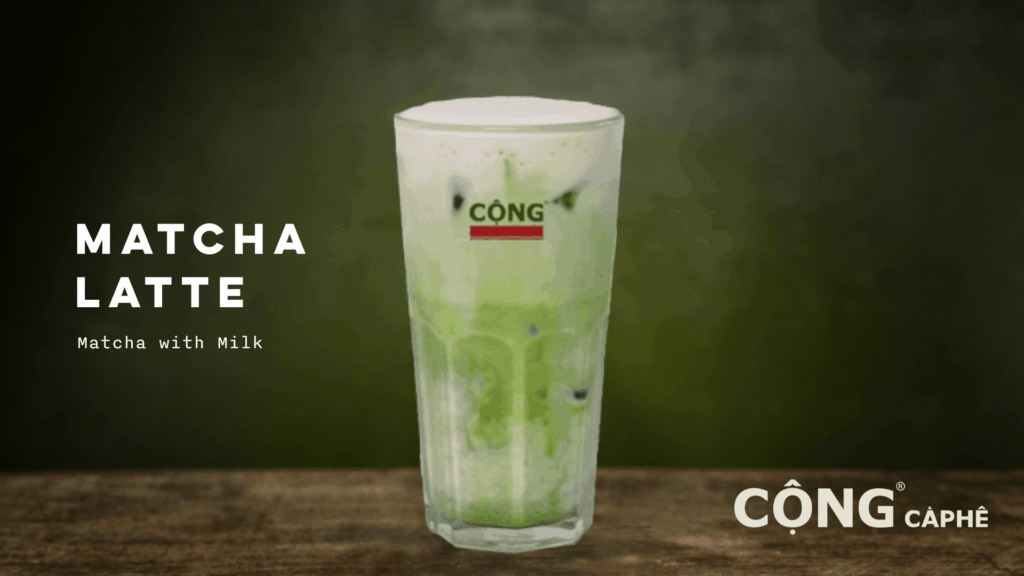
    Matcha Latte is the classic introduction to matcha, here made with steamed milk and a considered matcha-to-milk ratio. 

    Matcha Salted Cream takes the drink somewhere more unexpected: matcha beneath a layer of lightly salted cream, a contrast of bitter, sweet, and saline that rewards drinking from the bottom up without mixing.

    Each drink in the collection offers a different entry point. Pure matcha is simply the clearest one.

    Frequently Asked Questions

    What is the difference between pure matcha and matcha latte? Pure matcha is whisked matcha powder and hot water, nothing added. A matcha latte adds steamed milk, which softens the bitterness but also dilutes the flavour and changes the texture significantly.

    Does pure matcha have more caffeine than coffee? A standard serving of matcha contains roughly 60 to 80 mg of caffeine, compared to approximately 80 to 100 mg in a standard espresso. The difference is less in quantity and more in how the caffeine is experienced: L-theanine in matcha produces a slower, more sustained release without the sharp peak associated with coffee.

    Is pure matcha available at Cộng Cà Phê Paris? Yes. Pure matcha is served at Cộng Cà Phê’s Paris location at 18 Rue Volney, 75001, alongside the full matcha collection and the brand’s Vietnamese phin filter coffee menu.

    Is matcha gluten-free? Pure matcha powder is naturally gluten-free. If you have a specific intolerance, it is always worth confirming with the team at the café.

    Can I visit Cộng Cà Phê without a reservation? Cộng Cà Phê generally welcomes walk-in guests. For group visits or specific timing, checking ahead is always a good idea.

    Pure matcha is available at Cộng Cà Phê France, 18 Rue Volney, 75001 Paris. Explore the full menu and learn more at congcaphe.fr.
  • Hanoi, Vietnam: History, Food & Drinks, and Everything You Need to Know Before Your Visit

    Hanoi, Vietnam: History, Food & Drinks, and Everything You Need to Know Before Your Visit

    Hanoi is one of Southeast Asia’s most layered cities, a place where thousand-year-old temples share streets with French colonial architecture and some of the world’s finest street food and drinks. Here is what you need to know before you go, and how to bring a piece of it back to Paris.
    A City Built on a Thousand Years of History

    Hanoi became the capital of Vietnam in 1010, when Emperor Lý Thái Tổ moved the imperial seat to a bend in the Red River and named it Thăng Long, meaning “Ascending Dragon.” Over the thousand years that followed, the city weathered wars, natural disasters, and successive administrations, growing slowly from swamplands into the layered, charismatic capital it is today.

    For travelers, that history is not merely background. It is present in the architecture, the food, and the rhythm of daily life in a way that few Asian capitals can match. Hanoi rewards curiosity: whether you come for world-class street food, deeply rooted cultural traditions, affordable exploration, or as a gateway to the breathtaking natural landscapes of Northern Vietnam, the city tends to give back more than you expect.

    The sections below cover the essential Hanoi: its most iconic destinations, the dishes and drinks worth seeking out, the best time to visit, and, for those who want to experience the city’s coffee culture without leaving Paris, where to find it.

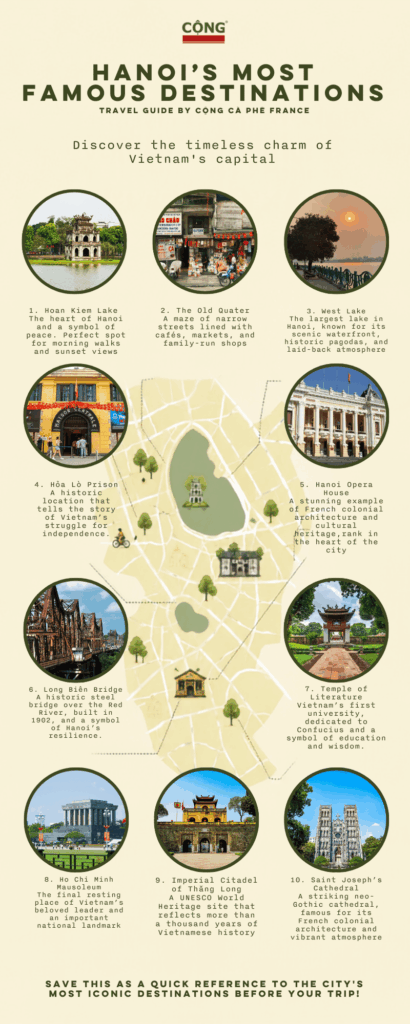
    Hanoi’s Most Famous Destinations

    For many visitors, Hanoi is defined as much by its atmosphere as by its landmarks. The city’s most iconic destinations offer a glimpse into its layered history, vibrant street life, and enduring traditions.

    Hoàn Kiếm Lake – The symbolic heart of Hanoi, where locals gather to exercise, stroll, and enjoy the city’s slower pace, especially in the early morning and at sunset.

    The Old Quarter – A maze of narrow streets lined with cafés, markets, and family-run shops. It remains the best place to experience Hanoi’s bustling street culture and traditional cuisine.

    West Lake is the largest lake in Hanoi, known for its scenic waterfront, historic pagodas, and laid-back atmosphere, making it a popular escape from the busy city centre.

    Historical Sites – Hanoi is home to many important cultural landmarks, including the Temple of Literature, the former Hỏa Lò Prison, and the Imperial Citadel of Thăng Long. Together, they tell the story of Vietnam’s scholarly heritage, colonial past, and more than a thousand years of history.

    Whether you’re visiting Hanoi for two days or a full week, these landmarks deserve a place on your journey. Save the infographic below as a quick reference to the city’s most iconic destinations before your trip.

    What to Eat in Hanoi

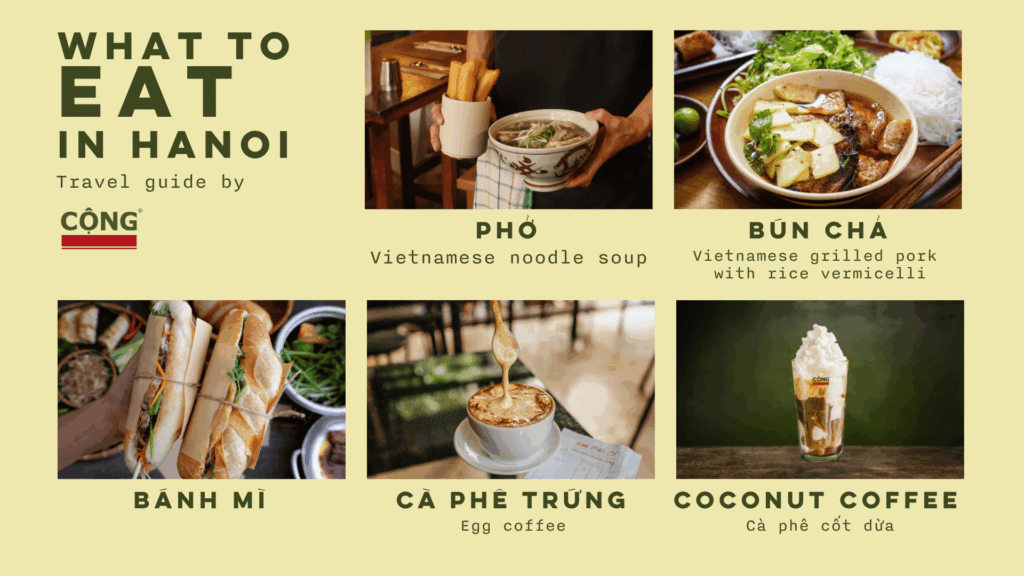
    Hanoi’s culinary identity is built around dishes that are simple in appearance yet deeply rooted in daily life. From early-morning breakfasts to late-night snacks, these are some of the foods every visitor should try.

    Phở (Vietnamese noodle soup)The city’s most iconic dish, phở consists of rice noodles served in a fragrant broth simmered for many hours and topped with beef or chicken. Many Hanoians enjoy it with crispy fried dough stick (quẩy) or a soft-boiled egg for an even heartier meal.

    Bún Chả (Vietnamese grilled pork with rice vermicelli) Made famous internationally after President Obama shared a meal of bún chả in Hanoi, this dish combines grilled pork, rice vermicelli, fresh herbs, and a sweet-savoury dipping sauce. It is typically eaten at lunch and remains one of the capital’s most beloved specialties.

    Bánh Mì – Vietnam’s take on the sandwich features a crisp baguette filled with pâté, grilled meats, fried eggs, pickled vegetables, herbs, and chilli. It is a popular breakfast and street food option, often enjoyed alongside a cup of Vietnamese coffee.

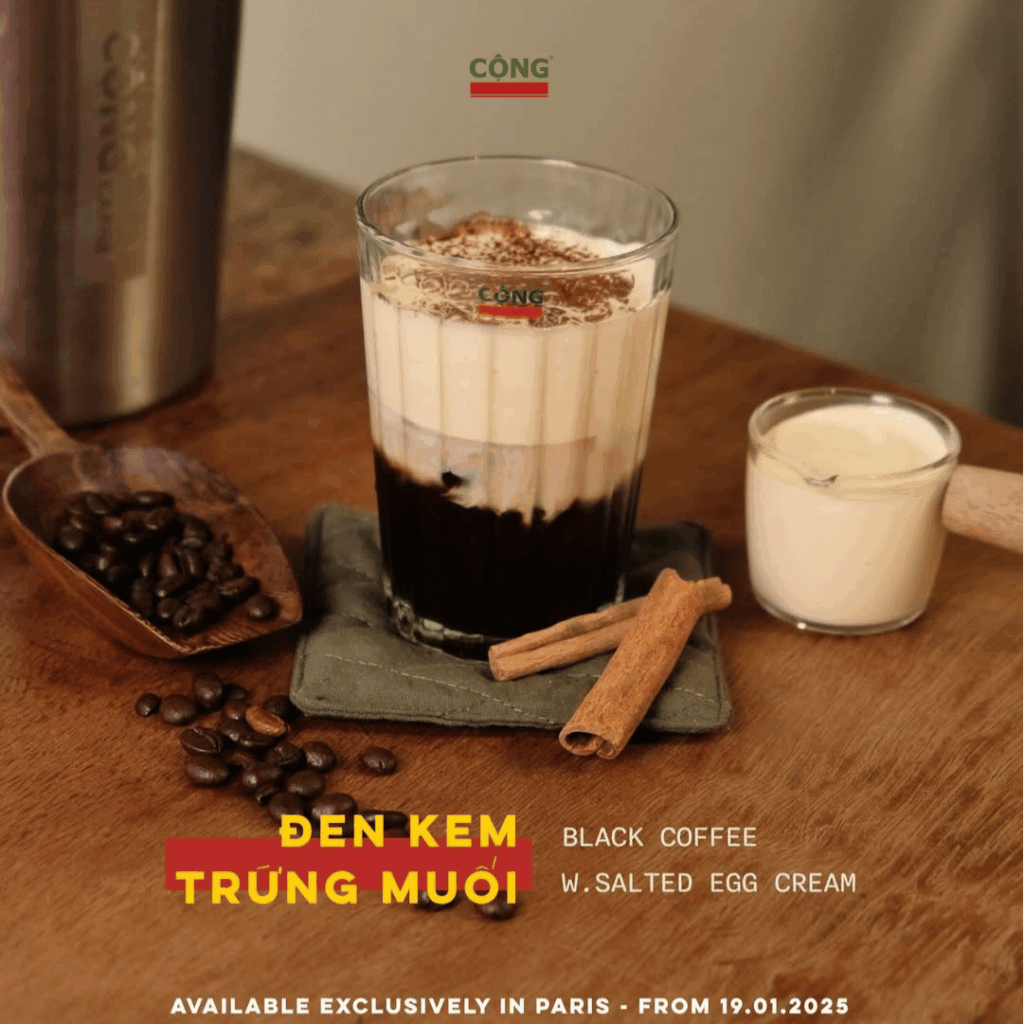
    Egg Coffee (Cà phê trứng)Invented in Hanoi in the 1940s, egg coffee is made by whisking egg yolk with condensed milk into a velvety cream that sits atop strong Vietnamese coffee. Rich, aromatic, and surprisingly light, it has become one of the city’s most distinctive drinks.

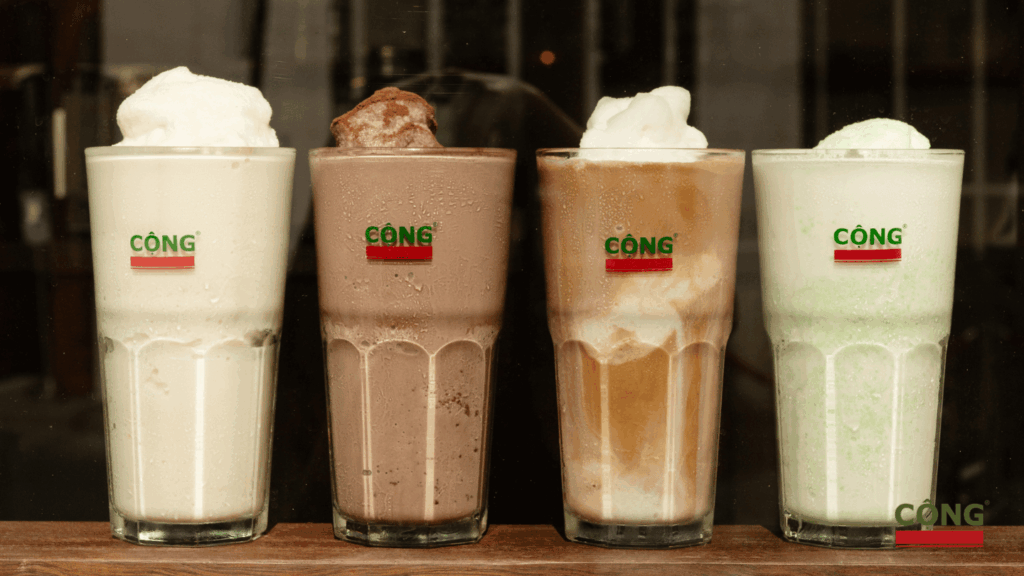
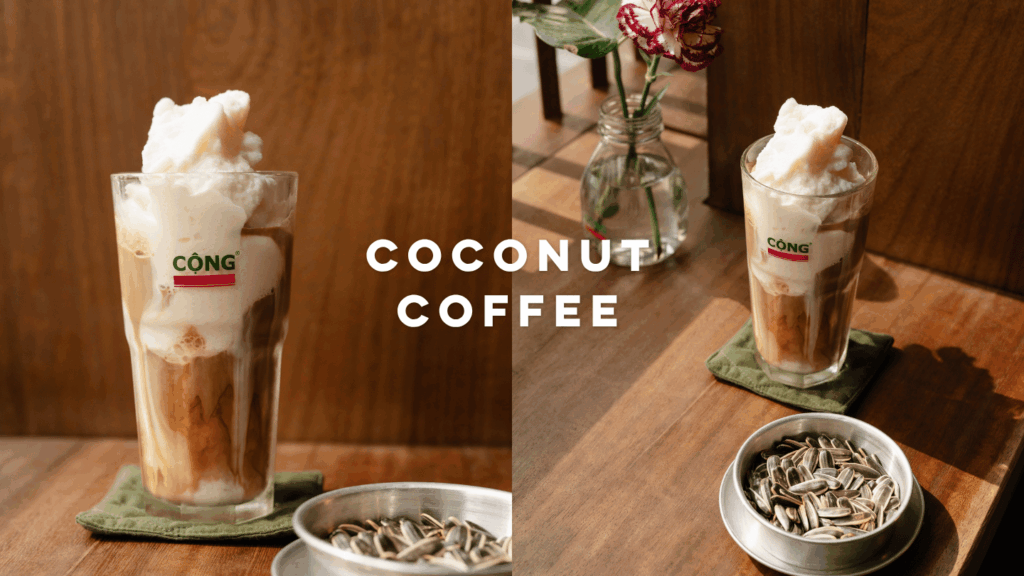
    Coconut Coffee (Cà phê cốt dừa) – One of the most popular modern drinks in Vietnamese coffee culture, combining the bold flavor of traditional Vietnamese coffee with a smooth, creamy coconut blend. Originally inspired by tropical ingredients and local café innovation, it has become a favorite among both locals and international visitors.

    The Best Time to Visit Hanoi

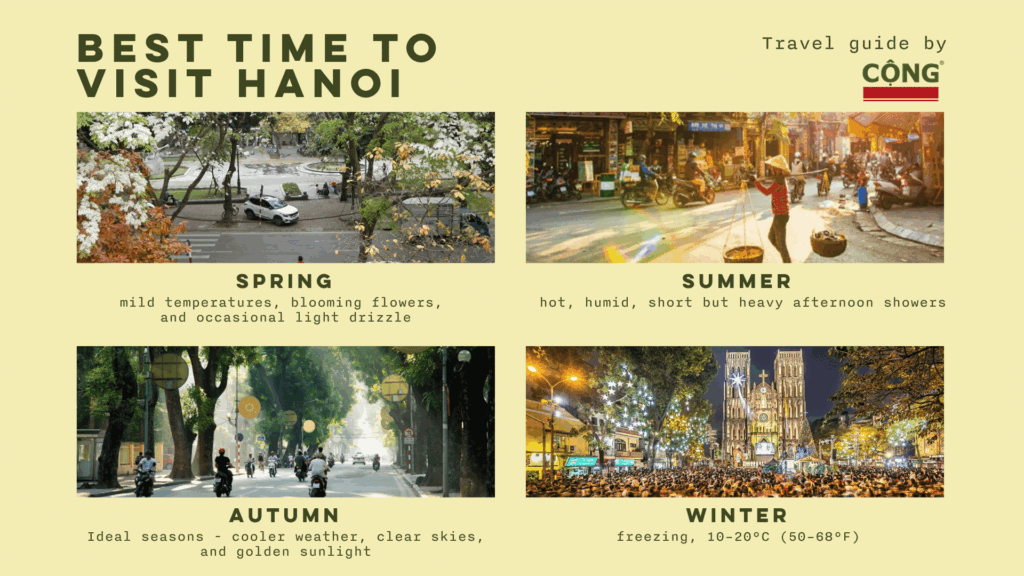
    Hanoi experiences four distinct seasons, each offering a different perspective on the city. The best time to visit depends on what you hope to experience, but autumn (September to November) is widely considered the most pleasant. 

    Spring brings mild temperatures, blooming flowers, and occasional light drizzle. Parks and lakes become particularly picturesque, making it an excellent season for walking through the Old Quarter or enjoying outdoor cafés.

    Hanoi’s summers are hot, humid, and often interrupted by short but heavy afternoon showers. While temperatures can exceed 35°C (95°F), this is also the season for tropical fruits, refreshing desserts, and vibrant evening street food scenes. 

    Autumn is Hanoi at its finest. Cooler weather, clear skies, and golden sunlight make it the ideal time to explore the city’s landmarks on foot. This is also the season of cốm (green rice), a cherished Hanoi specialty, and tree-lined streets around Hoàn Kiếm Lake take on a particularly romantic atmosphere. 

    Winter in Hanoi is freezing, with temperatures typically ranging from 10–20°C (50–68°F). Misty mornings and crisp evenings create the perfect setting for warming up with a steaming bowl of phở or a rich cup of egg coffee.

    Experience Hanoi’s Coffee Culture in Paris

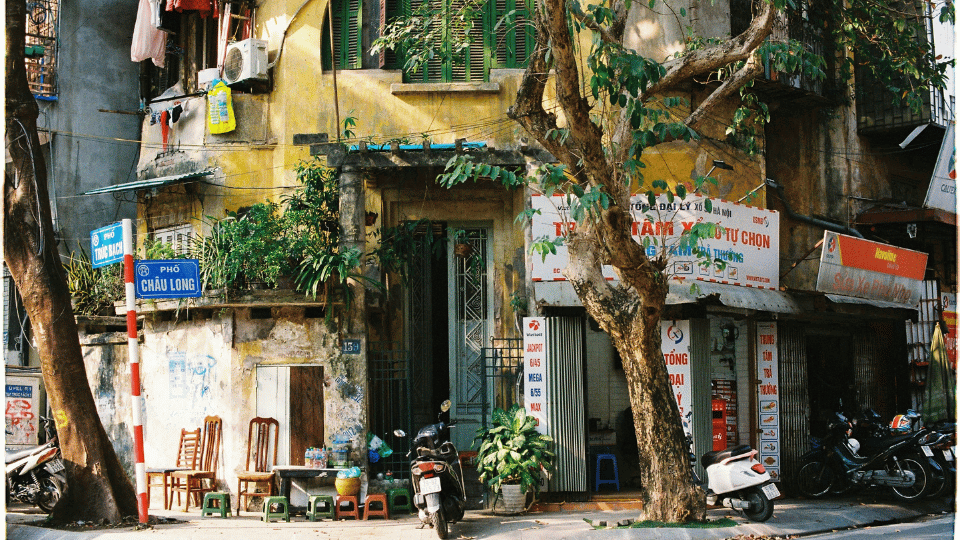
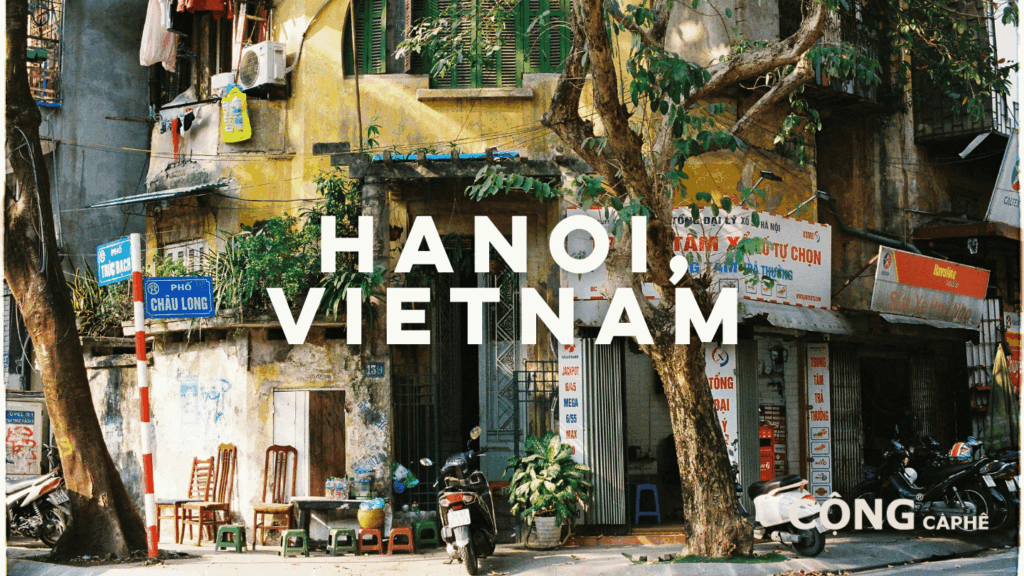
    For anyone who reads about Hanoi’s egg coffee and coconut coffee and wishes there were a way to taste them without booking a flight, that experience already exists in Paris. Cộng Cà Phê was founded in Hanoi in 2007 and built its identity around the city’s own coffee tradition, strong Robusta beans, slow phin brewing, and the kind of unhurried ritual that turns a coffee break into something worth lingering over.
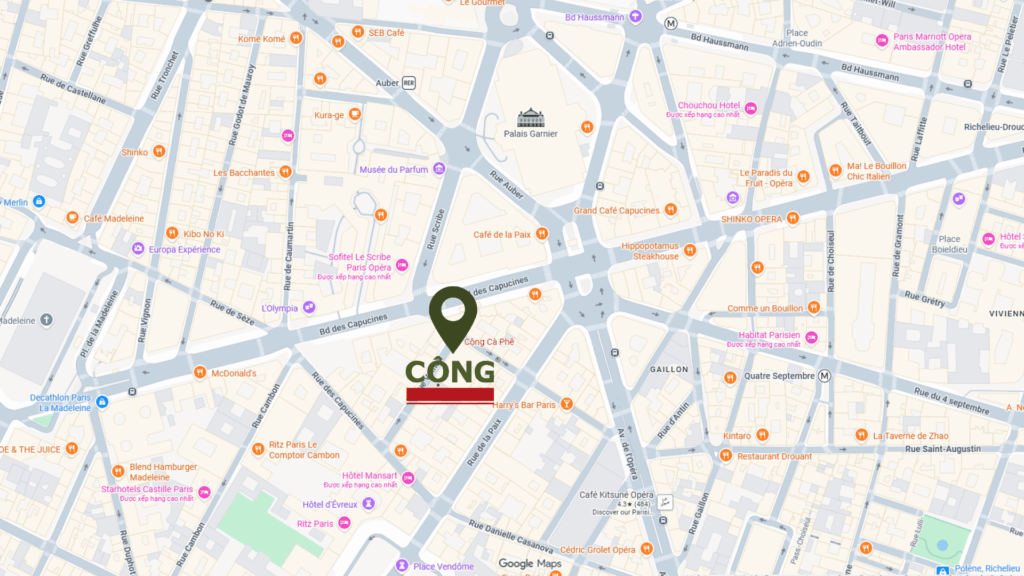
    It is not a substitute for the Old Quarter, but for anyone who has read this far and started craving that first sip, it is the closest version of it in Paris.
    Curious to taste Hanoi’s coffee culture for yourself? Follow Cộng Cà Phê France on Instagram for a look inside the space, or visit 18 Rue Volney, 75001 Paris, to try the coconut coffee and salted egg cream collection in person.

    Frequently Asked Questions About Hanoi

    Do people speak English in Hanoi? Yes! In hotels, restaurants, and tourist areas, English is widely spoken. 

    What is the currency in Hanoi Vietnam? The Vietnamese đồng (VND). Cash is widely used, especially for street food and markets. ATMs are plentiful in Hanoi’s central districts.

    Is Hanoi or Ho Chi Minh City better for a first visit? They offer quite different experiences. Hanoi is older, quieter, and more architecturally layered. Ho Chi Minh City is faster, more commercially energetic, and more international in feel. For food, history, and atmosphere, Hanoi rewards first-time visitors who want to understand Vietnam rather than simply move through it.

    Can I find real Vietnamese coffee in Paris?
    Yes. Cộng Cà Phê in the 1st arrondissement brews with Vietnamese Robusta using the traditional phin filter method, the same approach used across Hanoi, rather than substituting in a standard espresso base.

    Is Cộng Cà Phê in Paris connected to the original Hanoi brand?
    Cộng Cà Phê was founded in Hanoi in 2007, and its Paris location carries the same coffee tradition and visual identity, drawing on the old Hanoi aesthetic that defines the brand.

  • Matcha Latte in Paris: What It Is, How It’s Made, and Where to Find It

    Matcha Latte in Paris: What It Is, How It’s Made, and Where to Find It

    Matcha Latte is one of the most searched drinks in Paris right now. Here is everything you need to know about what it tastes like, how it is made and where to find the finest version of Matcha Latte in Paris.
    What Is a Matcha Latte?

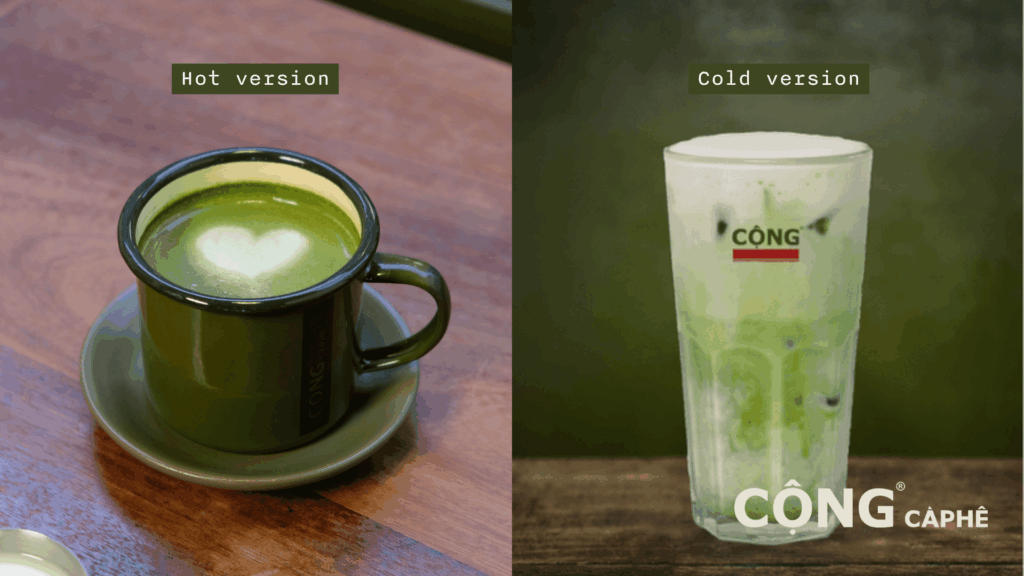
    A matcha latte is a drink made from two things: finely ground green tea powder and steamed milk. The powder is whisked directly into a small amount of hot water to form a concentrated paste, and milk (hot or cold) is added to bring it to volume and softness.

    The result is a drink that sits somewhere between a tea and a café au lait: earthy and vegetal in flavour, creamy in texture, and gently sweet without any added sugar when made well. It is naturally caffeine-containing but considerably gentler on the system than espresso, which is part of why it has found such a devoted following among people who want something warm and sustaining without the sharp edge of coffee.

    Is Matcha Latte Hot or Cold?

    Hot matcha latte is the classic. The warmth draws out the full fragrance of the green tea and wraps around the milk in a way that feels grounding and unhurried. It is the version for slow mornings and cold afternoons.

    Iced matcha latte has become, arguably, even more popular in Paris — particularly through warmer months. The matcha paste is whisked with a small amount of warm water, then poured over cold milk and ice. The contrast between the intense green layer and the pale milk beneath, before they are stirred, has made this one of the most photographed drinks on café terraces across the city.

    The Taste of a Matcha Latte

    If you have never tasted a matcha latte before, the closest comparison is this: imagine a green tea, but with all its sharp edges smoothed out by milk, and a natural sweetness that emerges when the powder is of good quality and properly prepared.

    The dominant note is umami – a savoury, almost marine depth that is characteristic of high-quality Japanese green tea. Around it, depending on the milk and the ratio, you will find a gentle creaminess, a slight grassiness, and if the matcha is ceremonial grade, something almost floral at the finish.

    What it is not: bitter. A bitter matcha latte is a sign that either the powder is low-grade, the water was too hot, or the ratio of matcha to milk is off. A well-made version should feel smooth from start to finish.

    How to Make a Matcha Latte at Home

    If a good matcha latte has inspired you to try making one at home, the good news is that the process is fairly simple.

    Ingredients (1 serving)

    • 1–2 teaspoons ceremonial-grade matcha powder
    • 60 ml hot water (80°C, not boiling, which scorches the matcha)
    • 200 ml whole milk or oat milk
    • Optional: a teaspoon of condensed milk for sweetness

    Step-by-Step Method

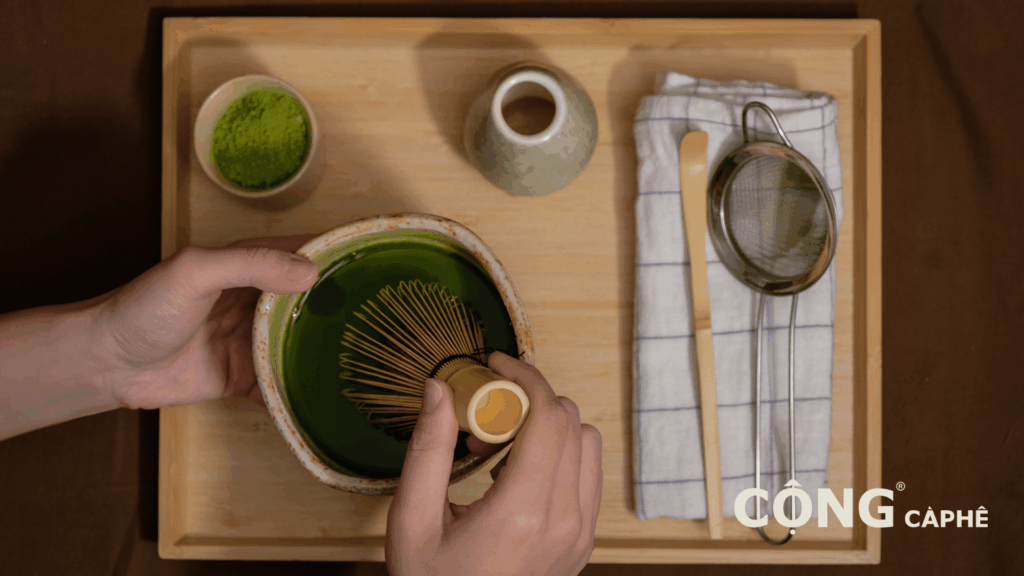
    Step 1. Sift the matcha powder into a small bowl or glass. Sifting breaks up any clumps and ensures a smooth result.

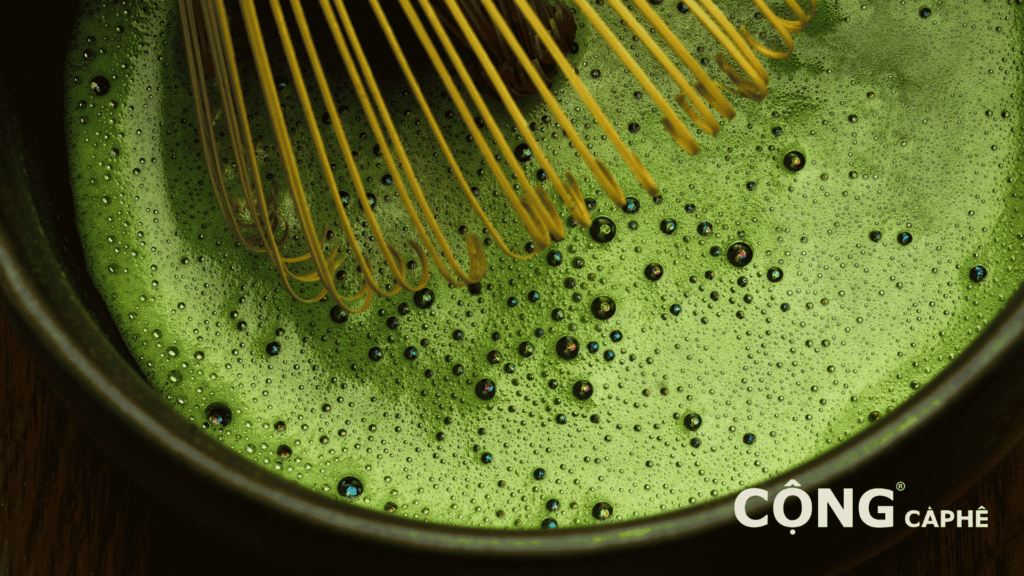
    Step 2. Add the hot water and use bamboo whisk (chasen) to whisk until the powder is fully dissolved and a light foam appears on the surface.

    Step 3. For a hot latte: steam or gently heat the milk, then pour matcha paste over. Stir to combine. For an iced latte: pour the matcha paste directly into a glass filled with ice and cold milk. Stir and drink immediately.

    Step 4. If you want the Vietnamese approach, add half a teaspoon of sweetened condensed milk at the end and stir.

    Where to Drink a Matcha Latte in Paris – Cộng Cà Phê

    In a city with no shortage of matcha lattes, Cộng Cà Phê offers something most café menus in Paris cannot: a setting and a story that make the drink feel like it belongs somewhere specific.

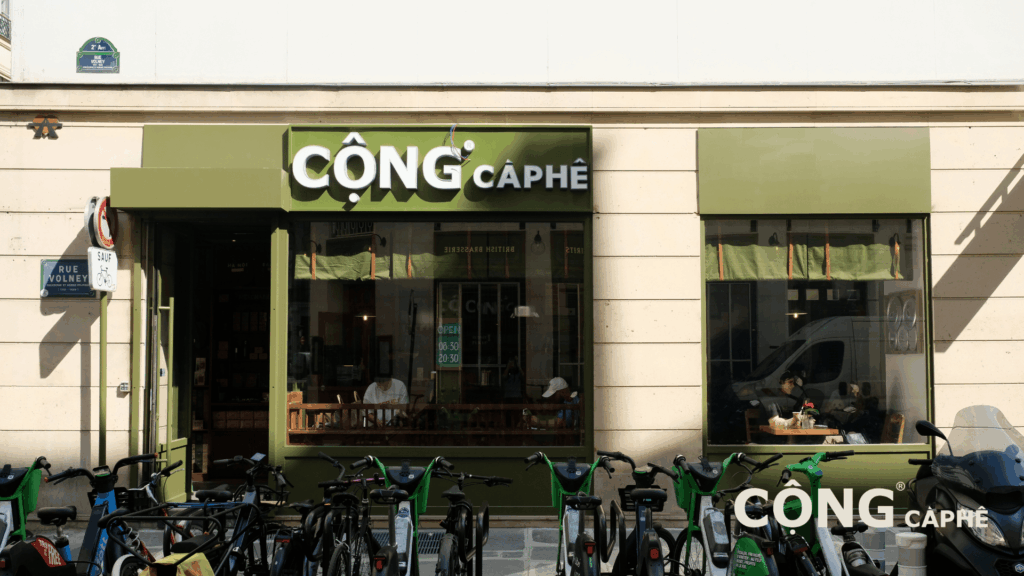
    The café is located at 18 Rue Volney, in the 1st arrondissement, open every day from 8:30 to 20:30. The interior draws its aesthetic from the neighbourhood shops and communal spaces of Hanoi in the 1980s – an era defined by a particular kind of resourceful warmth, where nothing was wasted and everything was made personal.

    The matcha latte at Cộng Cà Phê is served in the Vietnamese style: attentive to texture, generous in character, and shaped by the understanding that a drink should have a point of view. Whether you order it hot or iced, you are getting something made with the café’s approach to balance.

    Looking for a matcha latte in Paris? Visit Cộng Cà Phê and experience a refreshing take on this café favorite, thoughtfully prepared in a space inspired by Vietnamese coffee culture. Open 7 days a week, 8:30 to 20:30. For the full menu and café information, visit congcaphe.fr.

  • Matcha Coco in Paris: What It Is and Where to Try It

    Matcha Coco in Paris: What It Is and Where to Try It

    Matcha coco has quietly become the drink of the moment in Paris. It is not a complicated drink. But it is a very good one, and like most things that catch on quickly, the version you find matters more than the name.
    Here is what goes into it, how to order it, and where the most interesting version of it lives in Paris right now.

    What Is a Matcha Coco?

    At its simplest, matcha coco is a drink built on two ingredients: matcha and coconut milk or coconut water. The execution varies by café, however, the result is something that sits comfortably between refreshing and indulgent – bright and grassy from the tea, rich and rounded from the coconut, with a natural sweetness that requires nothing added.

    At its core, a matcha coco begins with carefully prepared matcha, whisked with a small amount of hot water to dissolve the powder fully and create a smooth, concentrated base. Unlike brewed tea, matcha is never steeped, and the preparation process matters because rushing it often leads to bitterness or clumps that compromise the drink’s texture.

    What sits beneath the matcha layer is where cafés begin to define their own interpretation of the drink. Some choose cold coconut milk for a richer and creamier body, while others lean toward coconut water to create a lighter, more refreshing profile. In some variations, coconut cream is added to deepen the texture and amplify the natural sweetness of the coconut.

    The balance between these elements ultimately determines whether the drink succeeds. Too much coconut and the matcha disappears into a vaguely green, generically sweet drink. Too little and the bitterness has nothing to soften it. A well-balanced matcha coco keeps both elements present – the grassy depth of good green tea, the tropical fat of real coconut, neither one overwhelming the other.
    The best versions you will find in Paris treat this balance as the whole point of the drink rather than an afterthought.

    Is Matcha Coco Hot or Cold?

    The honest answer is that matcha coco was designed to be cold.

    Although matcha coco can technically be served both ways, the drink is traditionally designed to be enjoyed cold, where its texture, flavour balance, and visual contrast are at their best. While a hot version can still be enjoyable, especially for those who prefer comforting drinks, it changes the character of the experience in ways that make the original concept feel less distinctive.

    For anyone ordering matcha coco at a café known for quality preparation, the iced version is usually the better choice. Some cafés also offer a blended variation, often inspired by Vietnamese-style drinks, which transforms the experience entirely. Rather than focusing on contrast, a blended matcha coco becomes thicker, richer, and more indulgent, with concentrated sweetness

    One thing worth knowing before you order: if a café is making matcha coco with a powder blend rather than whisked ceremonial matcha, you will taste the difference. The colour may appear unnaturally bright, while the flavour can taste overly sweet or one-dimensional. A well-made version has a slightly muted, natural green colour and a depth that powdered blends cannot replicate. 

    Where to Get Matcha Coco in Paris Right Now

    Paris has absorbed the matcha coco trend quickly, which means the range of quality is considerable. You will find versions of it at coffee chains, at Japanese-inspired cafés, and at a growing number of Vietnamese spots who understood coconut-based drinks long before the trend gave them a French name.

    Cộng Cà Phê, at 18 Rue Volney in the 2nd arrondissement, is a particular point of reference. The brand was founded in Hanoi in 2007 and carries its Vietnamese café DNA into every drink it makes, including its coconut-forward menu. The cà phê cốt dừa that made Cộng famous across Vietnam is built on the same logic as a great matcha coco: real coconut cream, balanced extraction, nothing artificial. That same rigour extends to how the team approaches the rest of the drinks menu.

    The space itself is worth mentioning. Cộng’s interior draws from the aesthetic of Hanoi’s subsidy era in the 1980s, when state-run shops had a particular worn, unhurried quality. It is warm, slightly nostalgic, and resistant to the kind of studied minimalism that defines most Paris café interiors right now. In a city where the atmosphere is increasingly manufactured to look effortless, Cộng’s design feels genuinely particular to somewhere.

    It is the kind of place where sitting with a matcha coco for an hour does not feel like an indulgence. It feels like the point.

    Frequently Asked Questions

    What is the difference between matcha coco and a matcha latte? A matcha latte uses steamed dairy or plant milk, most commonly oat or almond. A matcha coco replaces the milk with coconut, usually in cream form, which brings a distinctly tropical richness and natural sweetness that a standard latte cannot replicate. The flavour profile is warmer, fuller, and more specific.

    Is matcha coco served hot or cold? Most often cold, and the iced version holds the contrast between the sharp matcha and the rich coconut more clearly. Hot versions exist and have their own appeal, particularly in cooler months, but the drink was designed to be refreshing.

    Is matcha coco sweet without added sugar? Often yes if coconut cream is used.. Real coconut cream carries a natural sweetness that works with the slight bitterness of the matcha. Most cafés tend to add a small amount of sweetener by default, so if you prefer to adjust the sweetness to your own taste, it is worth asking for.

    Curious to try matcha coco in Paris for yourself? Visit Cộng Cà Phê (18 Rue Volney, 75002 Paris) and discover a refreshing Vietnamese take on the drink, carefully prepared with balanced flavours and quality ingredients in the heart of the city. For more on the full drinks menu, visit congcaphe.fr.

  • What Is Coconut Matcha? Ingredients, Tastes and Where to Try It

    What Is Coconut Matcha? Ingredients, Tastes and Where to Try It

    Coconut matcha is taking over café menus in Paris right now. Here’s everything you need to know before your first sip about this trending drink.

    What Is Coconut Matcha?

    Coconut matcha is a drink built on two very different ingredients that somehow make perfect sense together.

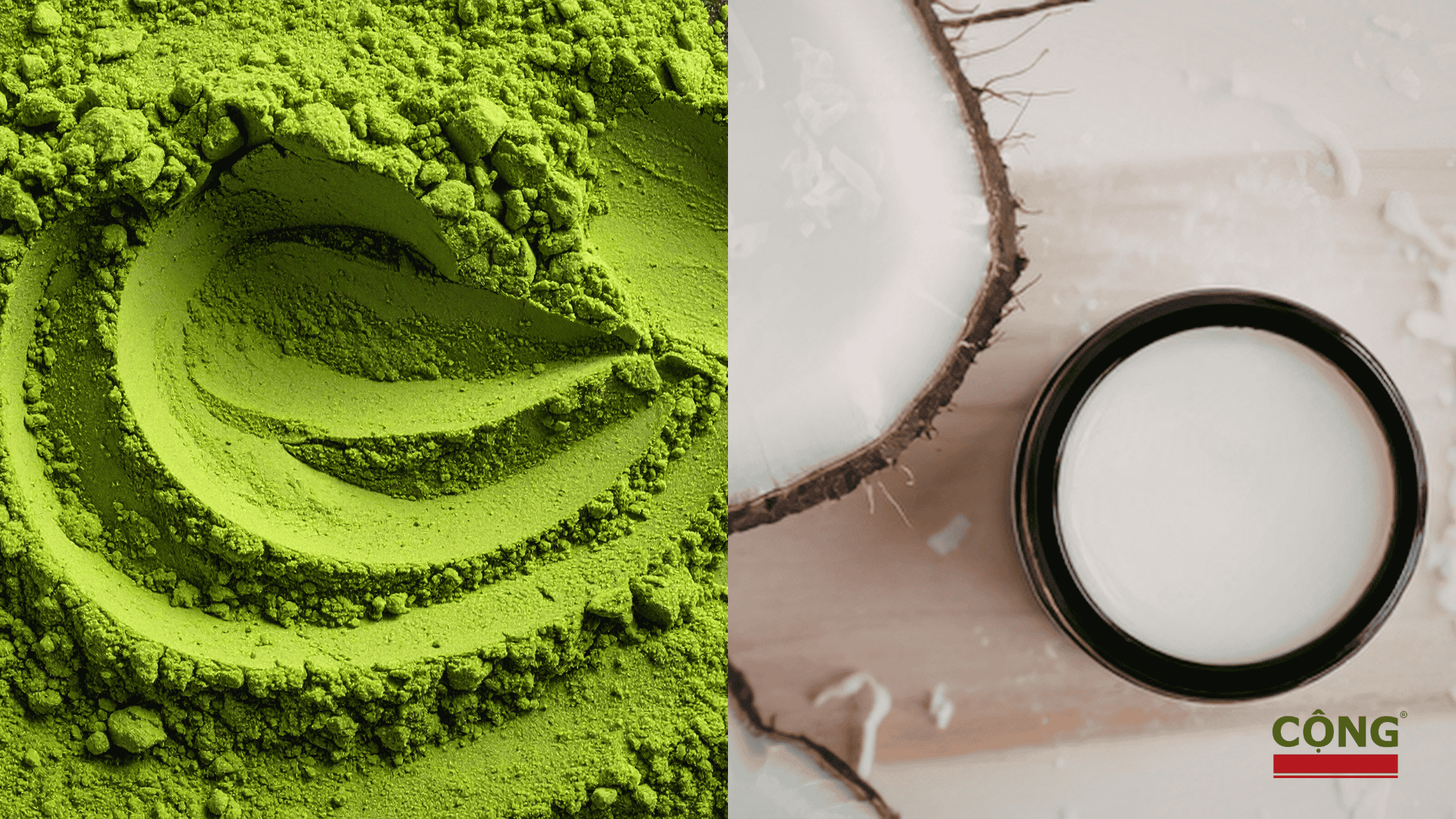
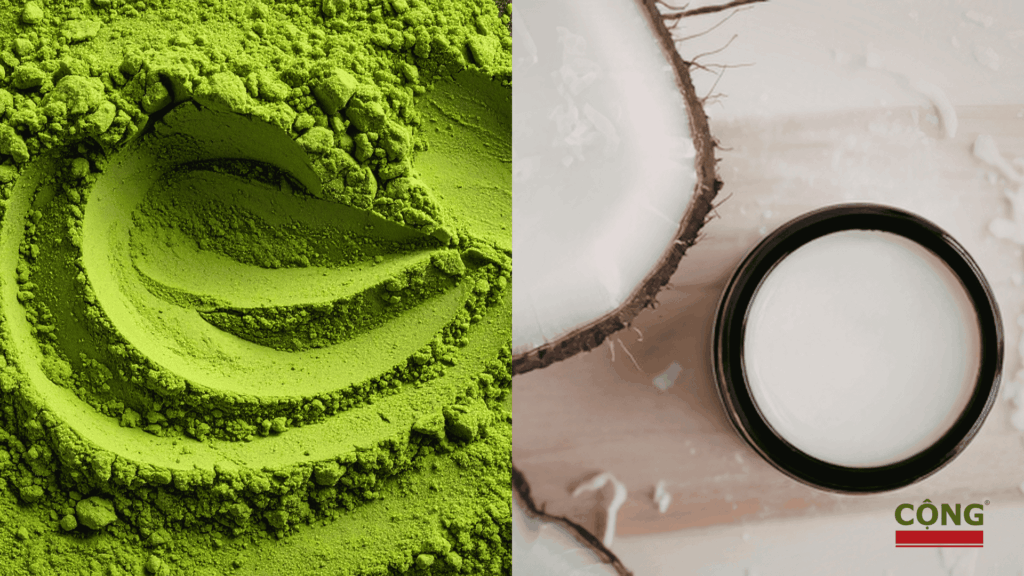
    At its core, the drink combines matcha, a finely ground Japanese green tea powder known for its deep, grassy flavour and natural caffeine, with coconut cream, which adds richness, sweetness, and a tropical smoothness that softens matcha’s natural bitterness. The result is a drink that is bold and creamy, earthy and sweet, and far more layered in flavour than either ingredient would suggest on its own.

    At Cộng Cà Phê, the Coconut Matcha is made with matcha and blended coconut cream over crushed ice. The coconut cream is the foundation of the drink, drawn from the same Vietnamese coffee tradition that made Cộng famous: cà phê cốt dừa (Vietnamese coconut coffee), in which thick coconut cream is layered with strong Robusta espresso to create a drink that is both intensely caffeinated and deeply satisfying. In Vietnamese café culture, coconut cream is not a substitute for milk but an ingredient in its own right, with its own role, its own texture, and its own story.

    What Does Coconut Matcha Taste Like?

    The first thing you notice is the freshness and creaminess. Coconut matcha is a rich drink and the coconut cream coats the palate in a way that dairy milk simply does not, leaving a smooth, slightly sweet finish that lingers after each sip.

    Underneath that, the matcha comes through with its characteristic depth: a gentle bitterness, a vegetal warmth, and a clean aftertaste. The quality of the matcha matters here, and when it is good, it carries a kind of savoury complexity that plays beautifully against the natural sweetness of the coconut.

    The cold version, blended with crushed ice, adds a textural dimension that makes the drink feel almost dessert-like, thick and frothy at the top, and deeply refreshing in a way that a standard iced matcha latte is not.

    How to Make Coconut Matcha

    The appeal of coconut matcha partly comes from how simple it is to recreate at home. A classic iced version usually includes:

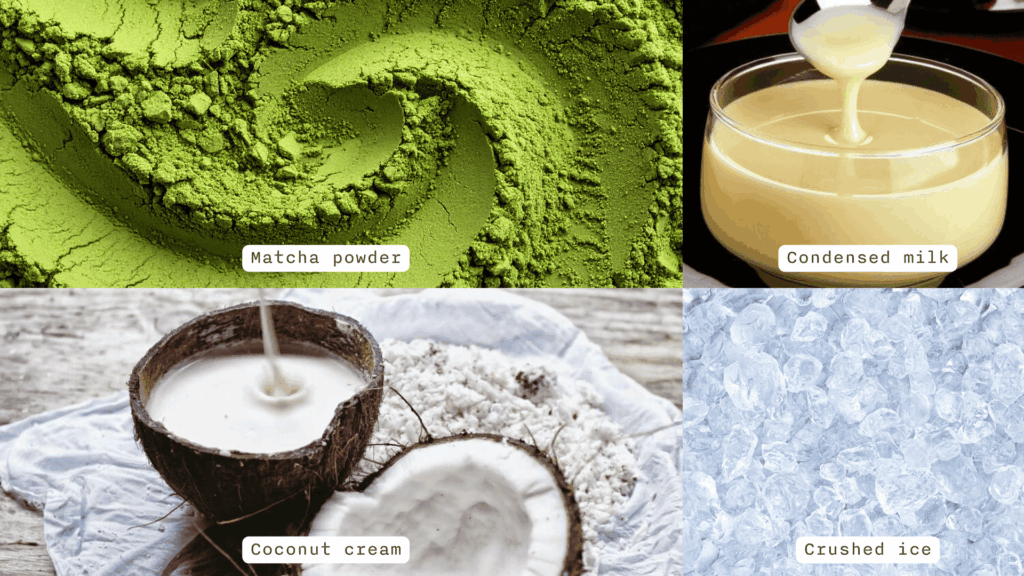
    • 1 tsp ceremonial grade matcha powder
    • 3 to 4 tbsp full-fat coconut cream
    • Crushed ice
    • 2 tbsp hot water (70 to 80°C)
    • Simple syrup or condensed milk to taste

    Step 1: Sift the matcha powder into a small bowl, add the hot water, and whisk in a zigzag motion until fully dissolved and lightly frothy.

    Step 2: Add the crushed ice, coconut cream, and condensed milk into a blender and blend until smooth and creamy.

    Step 3: Pour the blended coconut mixture into a glass, then slowly pour the matcha over the top.

    Step 4: Serve immediately for the most refreshing result.

    Where to Try Coconut Matcha in Paris

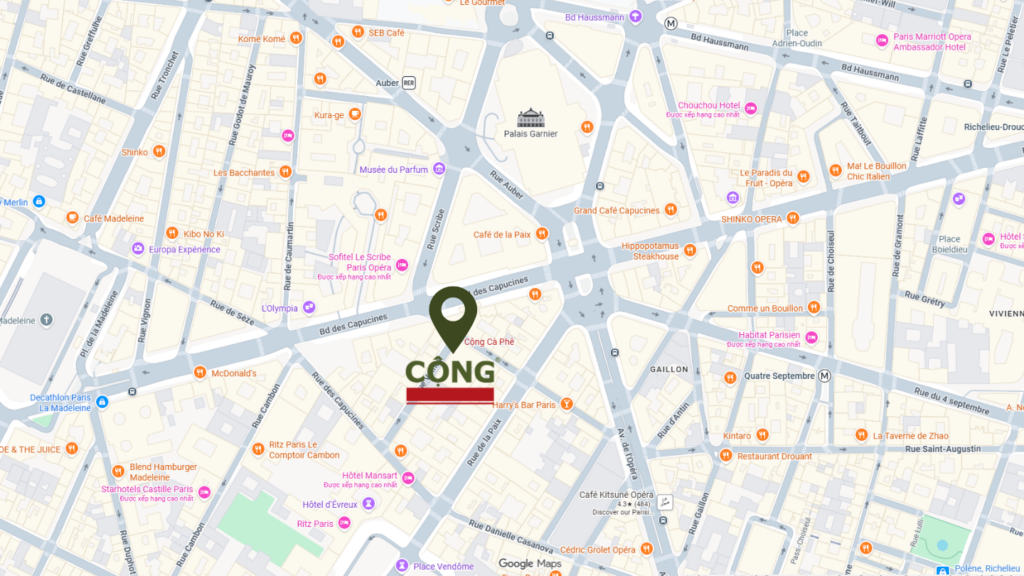
    Cộng Cà Phê France (18 Rue Volney, 75001 Paris) was founded in Hanoi in 2007, and its opening changed what a Vietnamese café could look like. Built around the aesthetic of 1980s Vietnam, Cộng became as well known for its atmosphere as for its drinks. Its coconut coffee smoothie became a signature instantly, and the brand grew from a single street in Hanoi to over 100 locations across Vietnam, South Korea, Canada, Taiwan, Malaysia, and, most recently, France.

    Curious what visitors think? Here is what customers have to say about their experience at Cộng Cà Phê. 

    “Came in for a quick drink before going to the opera and can’t believe how lovely the drinks are! Had the Coco Matcha Galce Pile and matcha latte, so so delicious!” – 華怜 (Reica), Google Map

    “This place brought me home! Stepped inside and immediately felt like I was in Hanoi again. The drinks were absolutely delicious and authentic and the service was top notch. My husband got so excited he ordered 6 drinks in total😂” – Rosie Mai, Google Map

    “It is truly the best coffee I have ever had!! Cannot recommend enough! I came everyday because it was soooo good. ❤️ Thank you for the service” – Josefina Viñas, Google Map

    Frequently Asked Questions About Coconut Matcha

    What is coconut matcha made of? Coconut matcha combines matcha powder, a finely ground Japanese green tea, with coconut cream. At Cộng Cà Phê France, it is blended with crushed ice and served cold.

    Is coconut matcha the same as a matcha latte? Not quite. A matcha latte is typically made with steamed dairy or plant-based milk, while coconut matcha uses coconut cream instead, which is thicker and richer, giving the drink a different texture, flavour profile, and finish that most people find more complex and satisfying.

    Does coconut matcha have caffeine? Yes, because matcha contains natural caffeine, typically around 70mg per serving depending on preparation, though the coconut cream itself contributes none, so the overall caffeine level depends on how much matcha is used in each cup.

    Where can I try coconut matcha in Paris? Cộng Cà Phê France, located at 18 Rue Volney, 75001 Paris, serves coconut matcha as the Coco Matcha Glacé Pilé and is open daily just steps from the Opéra Garnier.

    What makes Cộng Cà Phê’s coconut matcha different? Cộng’s use of coconut cream comes directly from Vietnamese coffee tradition, specifically from cà phê cốt dừa, the coconut coffee that made the brand famous in Hanoi. The coconut is not a flavouring or a garnish but a central ingredient, which gives the drink a depth and cultural grounding that sets it apart from most matcha drinks available in Paris today.

    Searching for the best coconut matcha in Paris? Visit Cộng Cà Phê and enjoy a refreshing matcha and coconut drink inspired by Vietnamese café culture, thoughtfully prepared for a smooth and balanced flavour. For opening hours and the full menu, visit congcaphe.fr.