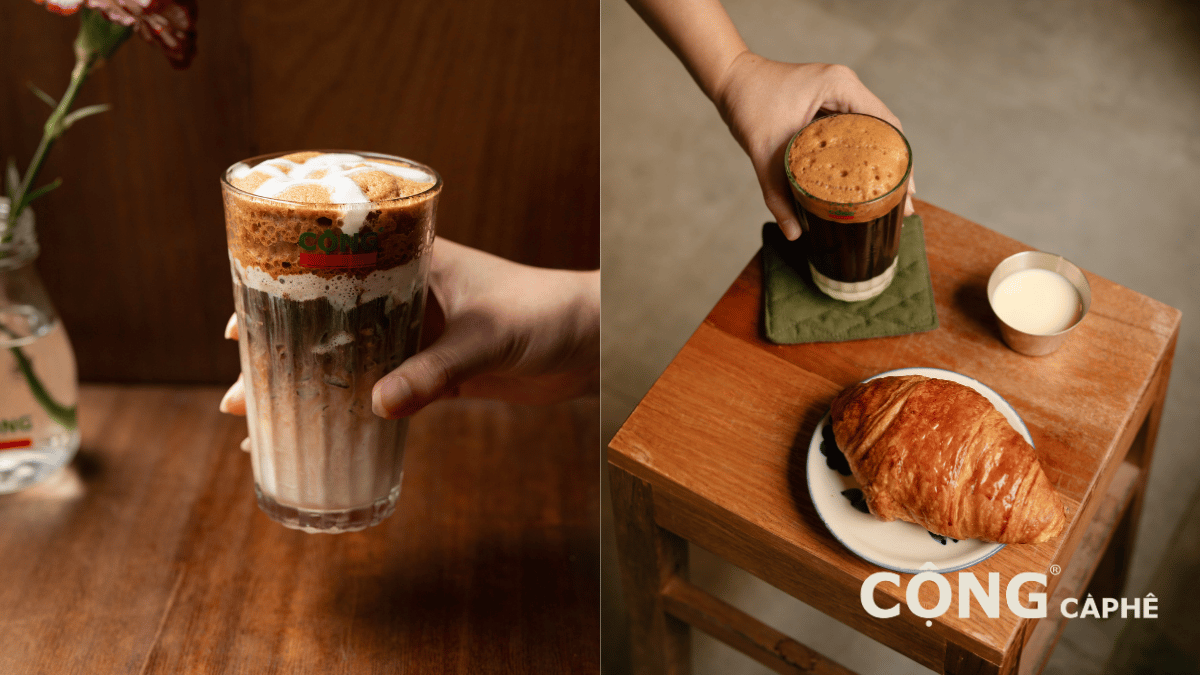
Vietnam is one of the world’s largest coffee producers, yet for many people outside the country, Vietnamese coffee still feels surprisingly unfamiliar. The drinks look different, the brewing method moves more slowly, and the flavours often feel stronger than what many coffee drinkers expect.
Searches for “natural coffee Vietnam” often begin with curiosity: Why does Vietnamese coffee taste so distinctive? Is it naturally stronger? And what makes the experience feel so different from a typical European café?
The answer lies not in a single ingredient, but in a combination of coffee beans, brewing traditions, and everyday rituals that have shaped how coffee is enjoyed across Vietnam.
Natural Coffee in Vietnam
In Vietnam, coffee is often understood less as a specialist product and more as an everyday ritual.
When people refer to natural coffee in Vietnam, they often mean coffee made with relatively simple ingredients and traditional brewing methods rather than highly processed drinks or elaborate café techniques. Vietnamese coffee culture tends to prioritise bold flavour, slow preparation, and combinations that feel practical rather than overly complicated. Coffee is not treated as an occasional luxury. It is part of everyday life.
Across Vietnam, cafés open early in the morning and stay busy throughout the day. Small stools spill onto pavements, conversations stretch over slowly brewed coffee, and drinks are meant to be enjoyed rather than rushed. In many ways, Vietnamese coffee culture feels closer to a daily habit than a trend.
Robusta vs Arabica: Why Vietnamese Coffee Tastes Different
One of the biggest reasons Vietnamese coffee tastes different comes down to the beans themselves.
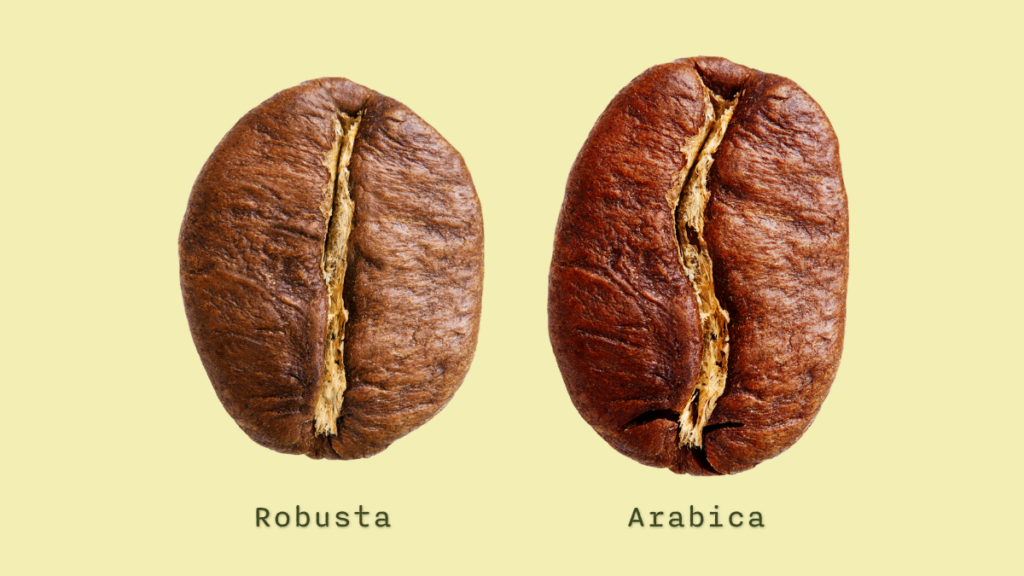
While many European cafés rely heavily on arabica, Vietnam is best known for growing robusta coffee. Robusta naturally contains more caffeine and tends to produce a flavour that feels stronger, darker, and more intense. Arabica coffee is often described as lighter, fruitier, or more delicate. Robusta, by contrast, leans deeper and bolder, with a fuller body and more bitterness.
This difference helps explain why Vietnamese coffee often feels immediately recognisable, particularly for first-time drinkers. Rather than soft acidity or floral notes, Vietnamese coffee tends to deliver a richer, more concentrated experience. That intensity forms the foundation for many of Vietnam’s most iconic coffee drinks.
Traditional Brewing Methods: The Vietnamese Phin
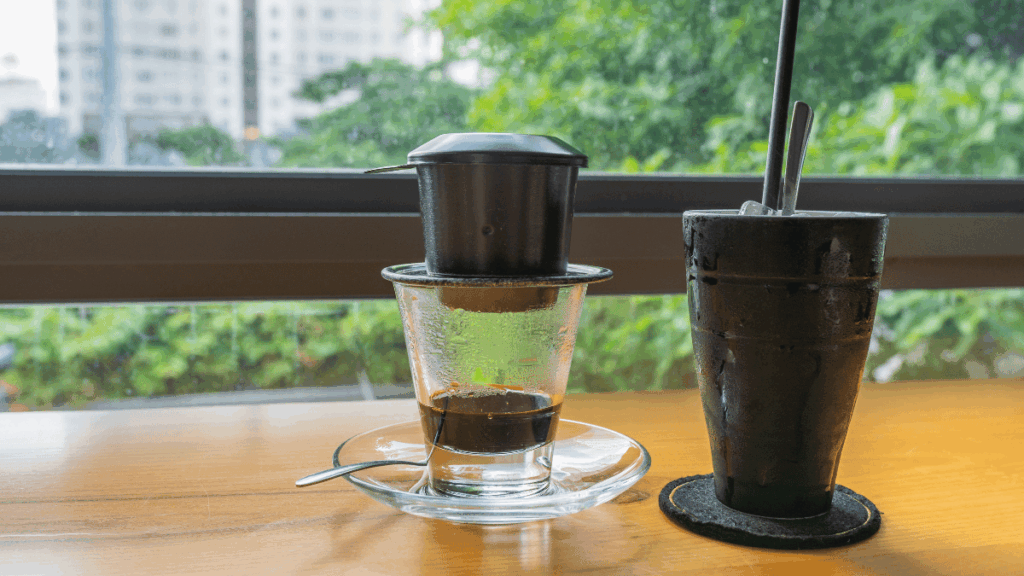
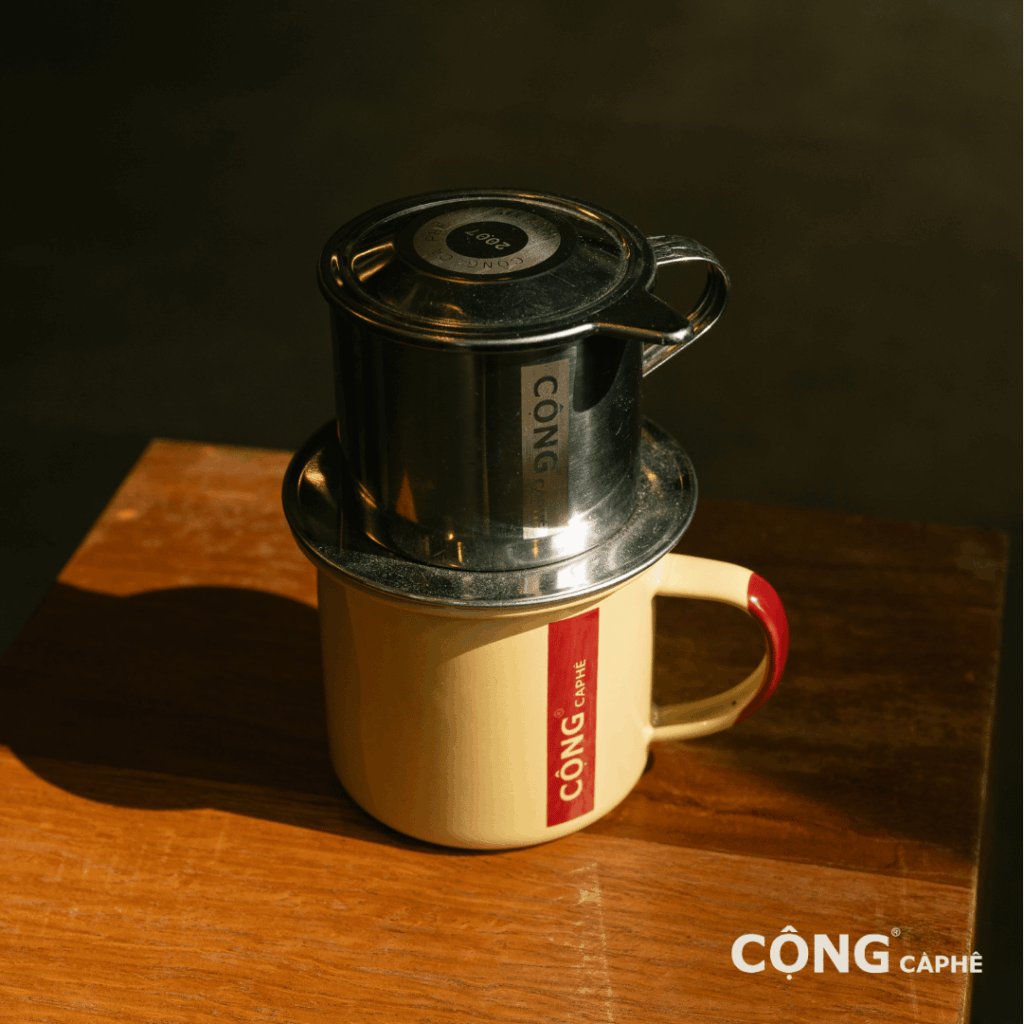
Another reason natural coffee Vietnam feels different lies in how it is brewed. In Vietnam, coffee is traditionally made using a phin, a small metal drip filter placed directly on top of the cup.
Unlike espresso machines that rely on pressure and speed, the phin works slowly. Hot water passes gradually through ground coffee, creating a concentrated brew one drop at a time. Its simplicity is part of the appeal. No large machine, specialised equipment, or electricity is required.
Across Vietnam, the phin remains part of everyday life. It appears at home and in cafés alike not as a niche brewing tool for enthusiasts, but simply as the ordinary way coffee is prepared. Rather than drinking coffee immediately, many people pause and watch the slow drip unfold. In Vietnam, coffee often creates a reason to slow down rather than speed up.
Why Vietnamese Coffee Tastes Stronger
If Vietnamese coffee tastes stronger than what you are used to, there are several reasons.
First, robusta beans naturally contain more caffeine, giving the coffee more intensity. Second, the phin brewing process creates a concentrated cup, producing coffee with depth and body rather than lighter extraction. Finally, Vietnamese coffee culture often embraces boldness rather than softening it. Bitterness is not avoided entirely. Instead, it is balanced.
This is where some of Vietnam’s most recognisable coffee combinations come in. Rather than masking coffee, ingredients are often added to complement its strength.
Condensed Milk and Vietnam’s Signature Coffee Combinations
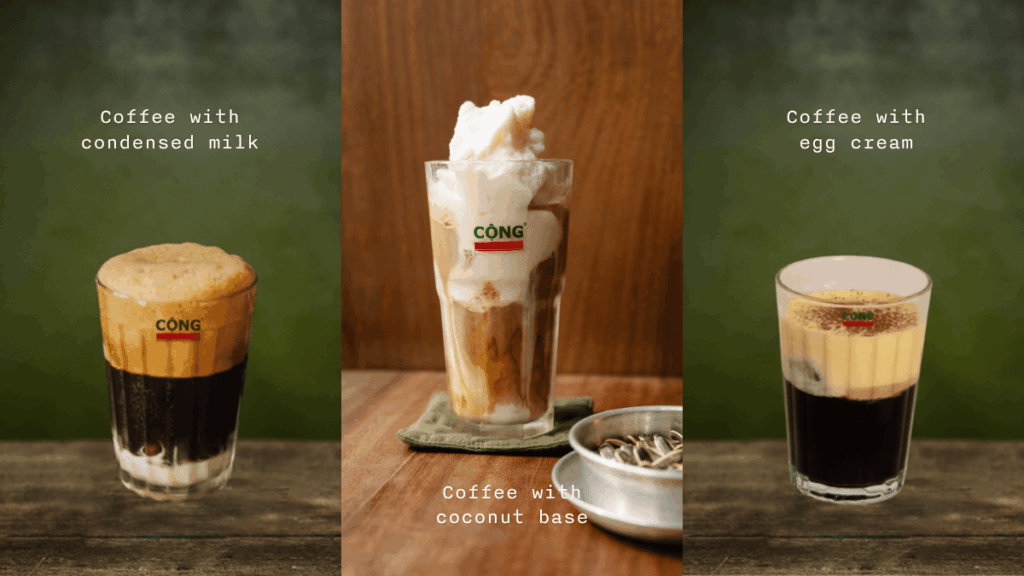
Perhaps the most famous example is cà phê sữa đá, or Vietnamese iced coffee with condensed milk. Made with strong black coffee poured over sweetened condensed milk and ice, it balances bitterness with sweetness in a way that feels refreshing rather than heavy. The ingredient list is remarkably simple, yet the result feels unexpectedly layered. But condensed milk is only one expression of Vietnamese coffee culture.
Egg Cream Coffee
Egg coffee, or cà phê trứng, may sound unusual at first, but it has become one of Vietnam’s most iconic drinks. Strong coffee is topped with soft whipped egg cream, creating a contrast between bitterness and richness that gradually changes with every sip. The drink is often associated with Hanoi and has become a favourite among travellers looking to experience something distinctly Vietnamese.
Coconut Coffee
For those looking for something lighter and more refreshing, coconut coffee offers a completely different experience. Known as cà phê cốt dừa, it combines Vietnamese coffee with creamy coconut, often served cold or blended with crushed ice. Rich yet cooling, it has become increasingly popular for people new to Vietnamese coffee.
Together, these drinks reflect something important about Vietnamese café culture: bold coffee rarely stands alone. Instead, it evolves into combinations that feel creative while remaining deeply tied to everyday habits.
Where to Try Vietnamese Coffee in Paris
If reading about natural coffee Vietnam sparks curiosity, the easiest way to understand it is to try it.
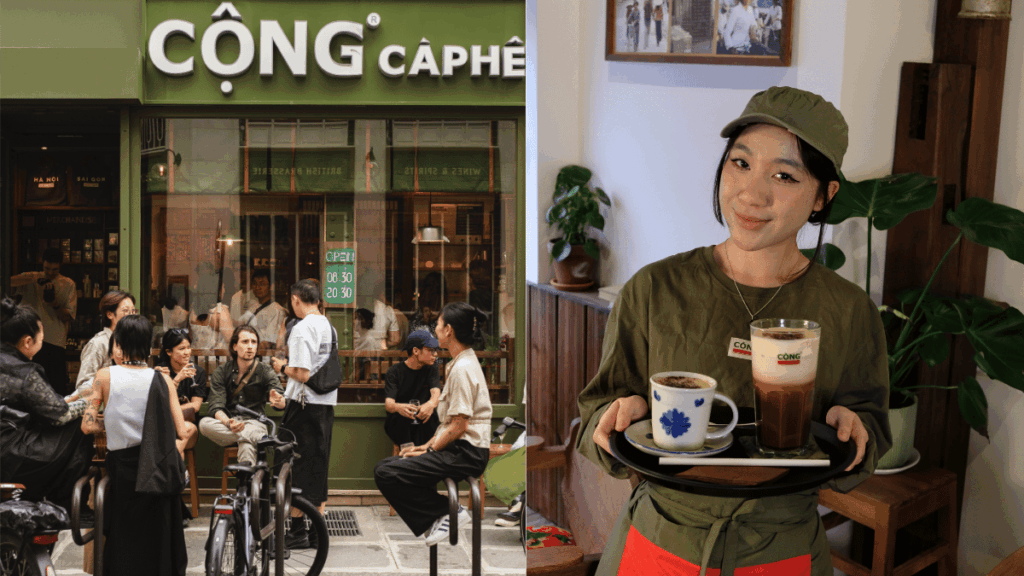
At Cộng Cà Phê Paris, located at 18 Rue Volney, visitors can experience Vietnamese coffee culture in a setting inspired by 1980s Hanoi. Founded in Hanoi in 2007, Cộng brings together traditional phin coffee, nostalgic interiors, and some of Vietnam’s most recognisable drinks. For first-time visitors, cà phê sữa đá (Vietnamese iced coffee with condensed milk) offers a classic starting point. Those looking for something more unexpected may want to try egg coffee, while coconut coffee provides a softer, refreshing introduction to Vietnamese flavours. More than anything, Vietnamese coffee is meant to be experienced slowly.
If you are curious about what makes natural coffee Vietnam different, visit Cộng Cà Phê Paris, order something unfamiliar, and give yourself time to sit with it. The difference often becomes clear somewhere between the first sip and the last. Full menu with signature coffee drinks in Vietnam available at https://congcaphe.fr/menu.
Leave a Reply