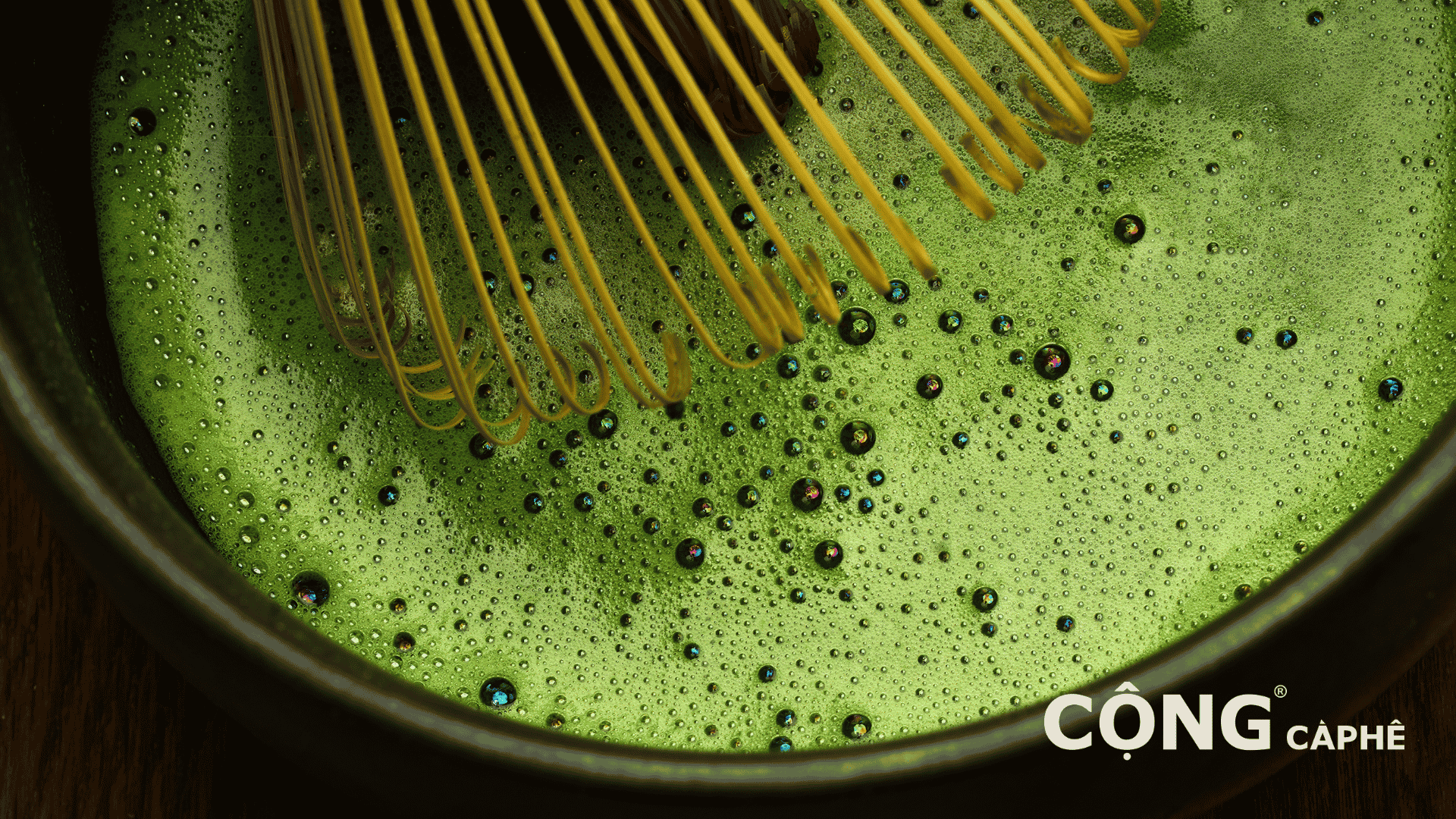
While most people in Paris have tried matcha, far fewer have tasted it pure. Discover what sets pure matcha apart, why it matters, and where to find it in a cup worth lingering over.
What Is Pure Matcha?
Pure matcha is finely ground green tea powder whisked with hot water – no milk, no sweetener, no added flavour. What arrives in the cup is the tea itself: vivid, slightly viscous, with a clean bitterness that opens slowly into a lasting sweetness at the back of the palate.
Pure matcha flavor is layered: grassy and mineral at first, then umami, then sweet. The texture has a quiet weight to it. It is a drink that rewards attention, which is precisely why it suits a slow café setting far better than a takeaway cup.
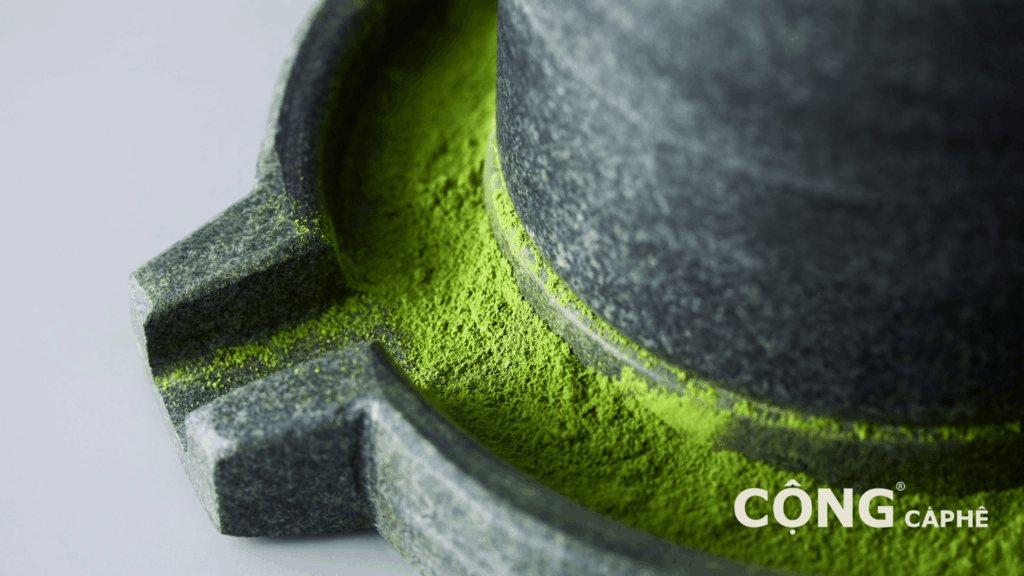
Matcha itself traces its origins to Tang Dynasty China, where tea was ground and whisked rather than steeped. The practice was carried to Japan in the 12th century by Buddhist monks who used it to sustain concentration during long meditation sessions. That dual quality of calm alertness has defined the drink ever since.
The Benefits of Drinking Pure Matcha
Calm, sustained energy: Matcha contains both caffeine and L-theanine, an amino acid that slows how the body absorbs caffeine. The result is a focused, alert feeling that builds gradually and fades without a crash, quite different from the sharp spike that coffee can produce.
Better concentration: The combination of caffeine and L-theanine has been shown in research to improve attention and accuracy more effectively than either compound on its own. It is the quality that made matcha a staple of Zen Buddhist practice for centuries.
A higher dose of antioxidants than brewed green tea: Because the whole leaf is ground into powder and consumed entirely, rather than steeped and discarded, matcha delivers a far more concentrated dose of catechins, the antioxidants found in green tea. The most studied of these, EGCG, is associated with anti-inflammatory and cardiovascular benefits.
Where to Have Pure Matcha?
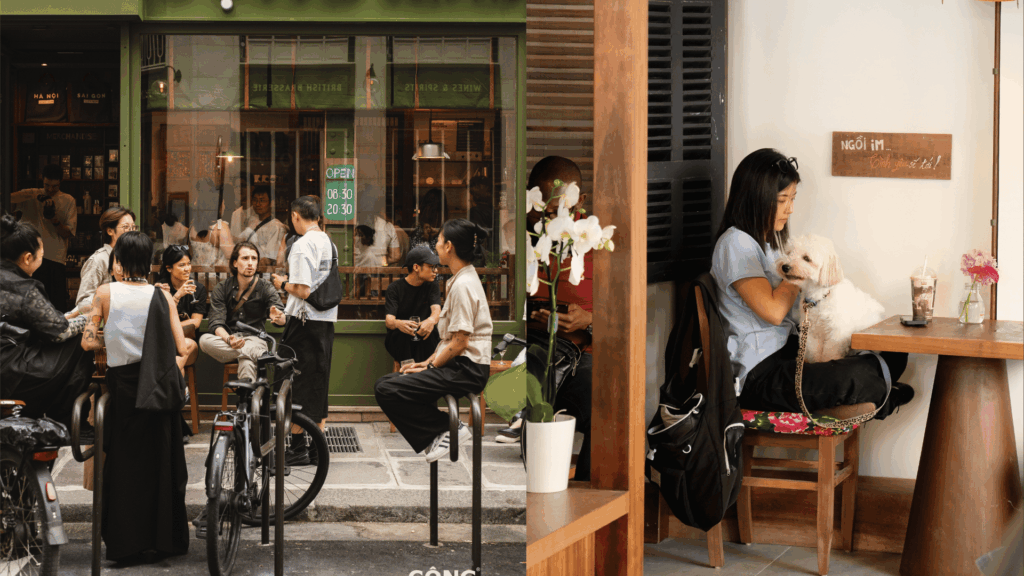
Cộng Cà Phê is a Vietnamese café brand rooted in the aesthetic of Hanoi’s 1980s era which gave Vietnamese daily life a particular texture: honest, unhurried, built around small rituals. The brand’s first European location opened at 18 Rue Volney in the 1st arrondissement of Paris. The setting does something particular for a drink like Pure Matcha. Cộng Cà Phê’s interior, with its worn textures, vintage objects, and unhurried pace, is designed for people who want to stay rather than pass through.
Pure matcha, which asks you to slow down and pay attention, finds its natural context here. It is not a drink for the counter. It is a drink for a table, a quiet hour, and somewhere that does not rush you through it. For anyone who has only encountered matcha as a green addition to a milk drink, this is a different experience entirely.
Matcha Collection at Cộng Cà Phê Paris
Matcha sits within a broader matcha offering at Cộng Cà Phê, each drink built around a different way of experiencing the ingredient.
Coconut Matcha is the iced version: a blended coconut matcha smoothie, cold and textured, closer in format to the brand’s signature cà phê cốt dừa (coconut coffee) than to a traditional matcha preparation. It suits warm days and first-time matcha drinkers in equal measure.
Matcha Coco pairs matcha with coconut milk, a combination that draws on Vietnamese café culture’s long relationship with coconut as a modifier. The coconut softens the bitterness and adds a natural sweetness that makes the drink approachable without becoming cloying.
Matcha Latte is the classic introduction to matcha, here made with steamed milk and a considered matcha-to-milk ratio.
Matcha Salted Cream takes the drink somewhere more unexpected: matcha beneath a layer of lightly salted cream, a contrast of bitter, sweet, and saline that rewards drinking from the bottom up without mixing.
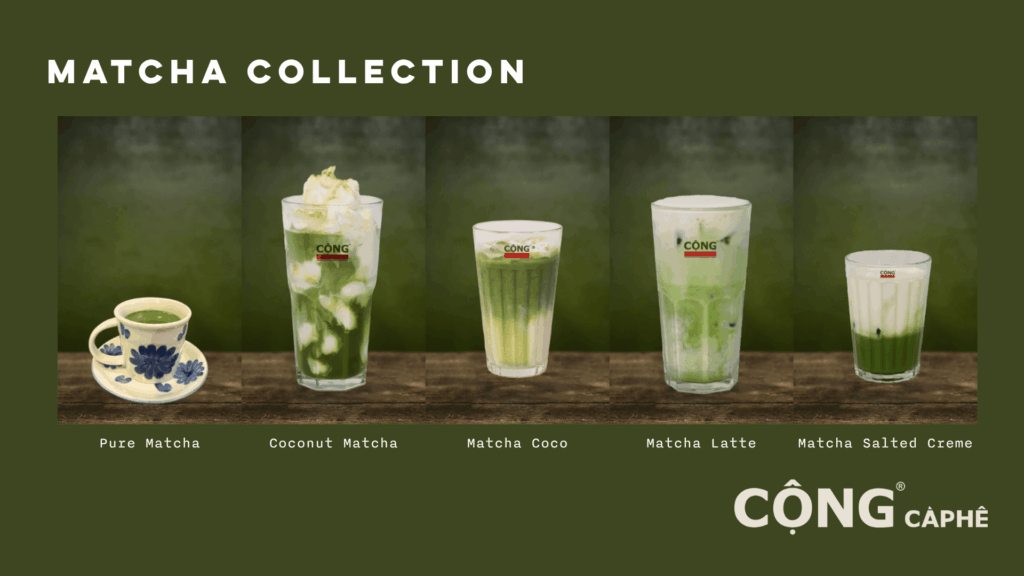
Each drink in the collection offers a different entry point. Pure matcha is simply the clearest one.
Frequently Asked Questions
What is the difference between pure matcha and matcha latte? Pure matcha is whisked matcha powder and hot water, nothing added. A matcha latte adds steamed milk, which softens the bitterness but also dilutes the flavour and changes the texture significantly.
Does pure matcha have more caffeine than coffee? A standard serving of matcha contains roughly 60 to 80 mg of caffeine, compared to approximately 80 to 100 mg in a standard espresso. The difference is less in quantity and more in how the caffeine is experienced: L-theanine in matcha produces a slower, more sustained release without the sharp peak associated with coffee.
Is pure matcha available at Cộng Cà Phê Paris? Yes. Pure matcha is served at Cộng Cà Phê’s Paris location at 18 Rue Volney, 75001, alongside the full matcha collection and the brand’s Vietnamese phin filter coffee menu.
Is matcha gluten-free? Pure matcha powder is naturally gluten-free. If you have a specific intolerance, it is always worth confirming with the team at the café.
Can I visit Cộng Cà Phê without a reservation? Cộng Cà Phê generally welcomes walk-in guests. For group visits or specific timing, checking ahead is always a good idea.
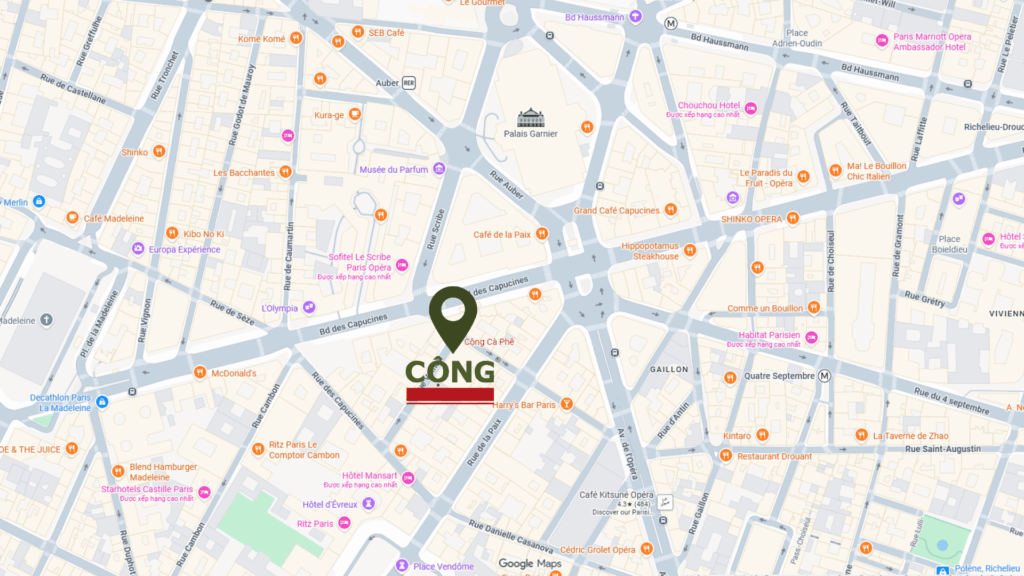
Pure matcha is available at Cộng Cà Phê France, 18 Rue Volney, 75001 Paris. Explore the full menu and learn more at congcaphe.fr.
Leave a Reply